
【古殿唱片音樂故事】狂烈火爆背後的故事:唱片出版不為人知的秘密與阿格麗希的真實人生
古殿殿主
[顛覆直覺] 消失的三分鐘:是失控的狂飆,還是靈魂的燃燒?
如果不聽音樂,光看數據,你可能會以為這張唱片「壞掉」了,或者阿格麗希(Martha Argerich,1941-)瘋了。
我們先來做一個最殘酷的比較。同樣是柴可夫斯基第一號鋼琴協奏曲,同樣是阿格麗希,我們拿她 1970 年在 DG 的錄音室版本,跟這張 1980 年慕尼黑現場實況(Philips) 放在一起,你會看到一個讓人跌破眼鏡的差距:
- 1970年 DG 錄音室版(指揮:杜特華)
- 第一樂章:21分09秒
- 第二、三樂章:14分05秒
- 總計:35分14秒
- 1980年 Philips 慕尼黑現場(指揮:孔德拉辛)
- 第一樂章:18分52秒
- 第二、三樂章:13分05秒
- 總計:31分57秒
看出來了嗎?新版總共快了 3分17秒。
特別是第一樂章的 18分52秒,這是一個非常驚人的高速,在唱片史上,幾乎只有「鋼琴巫師」霍洛維茲與「暴君」托斯卡尼尼那份傳說中的 RCA 錄音能與之匹敵。
但最神奇的事情發生了。
當你閉上眼睛聆聽這張唱片,儘管速度快到像是在懸崖邊賽車,你卻絲毫不會感到侷促。為什麼?
因為這不是為了趕時間而快,這是因為「火」燒得太旺了。雖然曲子裡充滿了大量高難度的鋼琴裝飾奏,還有劇烈的管弦樂對話,但阿格麗希與孔德拉辛在每個高潮處,都做了極其大膽的節奏變化。
他們不是像節拍器一樣死板地趕路,而是讓音樂大口「呼吸」。鋼琴與樂團像是在進行一場高度緊張的博弈,你推我一把,我拉你一下,層層遞進,那種熱情是在互動中被「逼」出來的,不斷推向那個幾乎要爆炸的巔峰。
這就是為什麼這張唱片聽起來如此過癮——它流動得極其自然,卻又危險得讓人無法喘息。
[反轉缺點] 死亡解封了這份「瑕疵品」,卻意外引爆了傳奇
照理說,這樣一份足以震撼世界、刷新人類聽覺體驗的「神級現場」,唱片公司應該要像發現金礦一樣,連夜加班把它發行出來對吧?
但事實完全相反。這份1980年2月的錄音,在當年竟然遭受了意想不到的冷落。
當時的唱片公司高層其實是持「觀望」態度的。為什麼?因為那是一個極度迷戀「錄音室完美規格」的年代。在製作人耳裡,這場演出雖然精彩,但也太火爆、太危險了!阿格麗希的速度快到近乎失控,樂團在後面追得氣喘吁吁,甚至還有不少現場難免的錯音與躁動。
在他們眼裡,這是一份「不夠完美的產品」,所以他們並沒有打算立刻出版。這份母帶就這樣被擱置了。
直到 1981 年,一個悲劇發生了。
指揮家孔德拉辛(Kirill Kondrashin,1914-1981)突然猝逝。這位偉大的俄國指揮家,生前最後的幾場演出之一,就是這場與阿格麗希的合作。為了紀念他,唱片公司這才重新想起了這份被冷凍的錄音。
1982年,Philips終於決定發行這張唱片,但定位非常明確——這是一張「紀念專輯」。
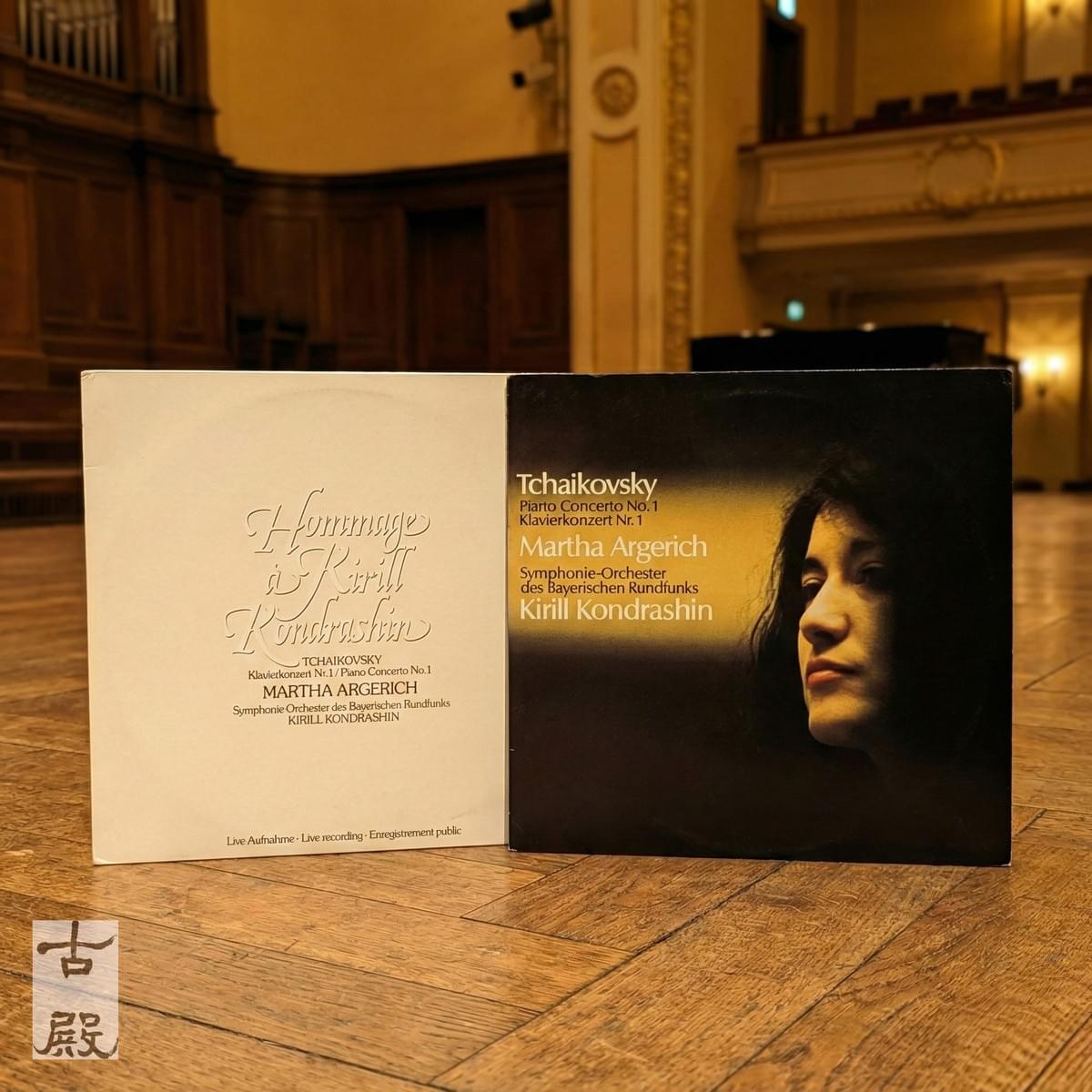
無論是歐洲原廠發行的版本(編號 6514 118),還是日本首發的版本(編號 20PC-2001),最早期的封面甚至沒有放上演奏家的照片,只印著莊嚴肅穆的文字:
「Hommage à Kirill Kondrashin」(向孔德拉辛致敬)。

但接下來發生的事,完全超出了所有人的預料。
這張原本只是為了「紀念死者」而發行的唱片,一上市竟然在全球賣爆了!從歐洲、美國到亞洲最大的日本市場,銷量直線飆升。樂迷們瘋狂搶購,不是為了哀悼紀念孔德拉辛,而是被溝槽裡那個「燃燒的生者」——阿格麗希給徹底震撼了。大家驚訝地發現,正是那些原本被唱片公司嫌棄的「火爆」與「不完美」,才讓這份錄音擁有了錄音室版本絕對無法複製的靈魂。
唱片公司這才猛然驚醒:原來樂迷買這張專輯,不是為了完美的規格,而是為了聽阿格麗希那種瀕臨崩潰、卻又被孔德拉辛穩穩接住的「人性真實」。
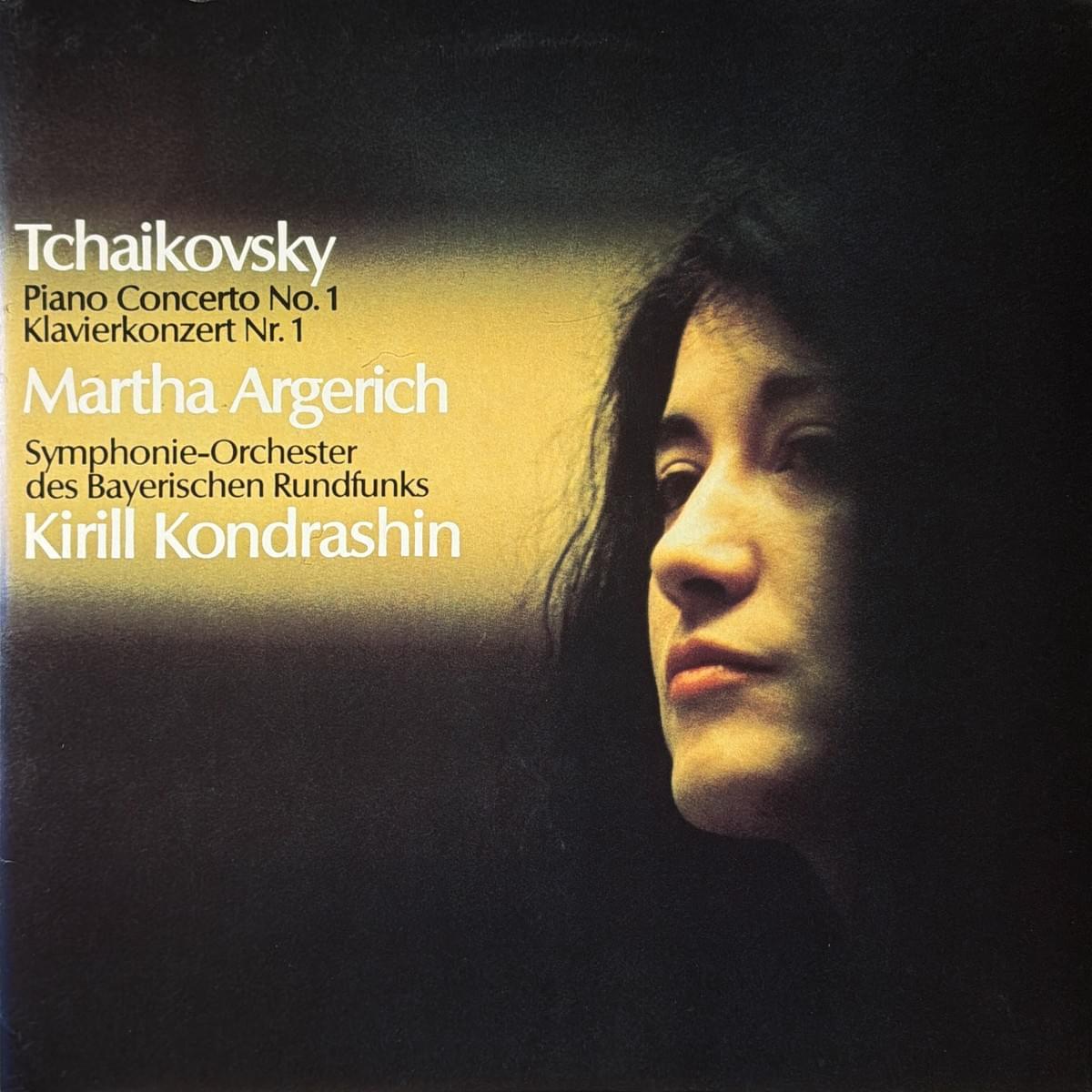
於是,市場的狂熱逼得他們不得不改版。在後來的發行(如日本1982年同年發行了另一張編號改為 20PC-2027,以及後續的國際版),封面上的文字悄悄退位,取而代之的是阿格麗希那張半張臉藏在陰影裡、充滿疲憊卻眼神堅毅的頭像。
這不僅僅是換了張圖,這是商業體制對「真實生命力」的臣服。
[商業解碼] 2001 變身 2027:日本人的敏銳,與歐洲人的固執
在這裡,我要帶大家看一個非常微妙、卻極具深意的商業操作細節。
如果你是資深藏家,你可能會發現日本在 1982 年同年,竟然先後發行了兩個版本。 這很不尋常。
- 第一版(20PC-2001): 這是最初的樣子,封面是莊嚴的純文字,定位是「孔德拉辛紀念盤」。
- 第一版分身(20PC-2027): 短短幾個月後,日本馬上推出了新版,封面換成了阿格麗希那張眼神犀利的頭像,定位變成了「阿格麗希最新名演」。
為什麼日本要這樣做?甚至還特地改了編號?
這就是日本唱片公司驚人的市場嗅覺。他們一發行 2001 就發現不對勁——這張唱片會賣爆,根本不是因為大家在乎死去的指揮家,而是因為活著的阿格麗希彈得太狂了!樂迷要聽的是「女戰神」,不是「安魂曲」。
於是,日本企劃當機立斷,直接把這張唱片「轉世投胎」。再給它一個新的編號(2027),換上阿格麗希的臉,把它當作一張全新的偶像專輯來賣。這招非常狠,但也非常有效,直接把原本的「哀悼氣氛」轉化成了「狂熱崇拜」。
反觀歐洲荷蘭總廠(Philips),反應就顯得遲鈍且固執。 雖然他們後來也意識到了這股風潮,把國際版的封面也換成了阿格麗希頭像,但請注意——他們的編號始終維持 6514 118,完全沒變。
在歐洲人的思維裡,錄音內容沒變,它就是同一個產品(Product)。換封面只是一種「修正」,不需要大費周章改編號。這也導致了那張「荷蘭版頭像封面」(Philips 6514 118 Portrait Cover)在發行量上非常稀少,因為大部份的貨早在第一波「文字紀念版」時就鋪滿市場了。這張罕見的荷蘭頭像版,如今反而成了藏家眼中歐洲體制「反應慢半拍」的珍貴見證。
從日本的「改號換臉」到歐洲的「換臉不改號」,這微小的差異,道盡了兩個市場對待音樂與明星截然不同的態度。
[顛覆直覺] 越是火爆越要封印:被女王親手鎖進保險箱的 13 年
1980 年那張柴可夫斯基的意外爆紅,讓唱片公司嚐到了巨大的甜頭。他們看著直線飆升的銷量,心裡想著:「既然樂迷這麼愛聽她火爆,那下一張肯定更賣!」
於是,貪婪的目光立刻鎖定了 1982 年 12 月,阿格麗希在柏林那一場傳說中的拉赫曼尼諾夫第三號鋼琴協奏曲(指揮是夏伊)。
按照慣例,這種大師級的現場演出,廣播電台都會有高品質的錄音存檔。有了 1980 年的成功案例,唱片公司理所當然地認為:只要把母帶拿來,重新製作,壓成黑膠,這就是下一張白金唱片。樂迷的錢包都準備好了,市場期待值已經拉到了最高點。
但這一次,阿格麗希死死地擋在了母帶前面,說了一句「No」。
她拒絕授權。理由非常堅決,也非常迷人:
「現場是一次性的能量交換,那是當下發生的事。但唱片是要讓人反覆聽、反覆用顯微鏡檢視的。我不能讓那個晚上的『我』,被這樣對待。」
這句話,直接打碎了唱片公司的如意算盤。 在 1982 年的那個柏林之夜,她在台上是瀕臨崩潰的、是極限燃燒的。那些在現場聽起來讓人血脈噴張的「火爆」,一旦變成了唱片,就會被世人拿著放大鏡去檢視每一個錯音、每一個搶拍。她不允許那晚混亂、脆弱、甚至帶點神經質的自己,變成一個任人評頭論足的永久商品。
於是,這份錄音被徹底封印了。
但阿格麗希低估了一件事:人對「真實」的渴望,是擋不住的。 雖然官方被禁止發行,但在接下來的 13 年裡,這份錄音卻變成了地下音樂圈最搶手的「風衣版」(Bootleg / 盜錄版)。樂迷們像在交易違禁品一樣,在唱片行的角落瘋狂流竄這份錄音。為什麼?因為在那模糊的音質裡,大家聽到了比官方唱片更真實的血肉。
直到 1995 年,也就是整整 13 年後,阿格麗希終於擋不住這股洪流(也或許是年過半百的她,終於跟當年那個崩潰的自己和解了),這份傳奇錄音才終於點頭授權,以正規 CD 的形式重見天日。
[時代的眼淚] 遲到 40 年的黑膠,與消失的 Philips 商標
故事還沒結束。這份被封印的 1982 年錄音,命運比我們想像的還要曲折。
直到 1995 年,也就是錄音完成後的 13 年,阿格麗希才終於點頭,讓這份錄音以 CD 的形式問世。那時候,大家以為這就是終點了。
(後來這份cd以各種不同發行版本,不斷再版發行,成為阿格麗希最有名的拉三,也是拉三的經典版本)
但在2022 年,也就是這場演奏發生後的整整 40 年,這份錄音竟然奇蹟似地發行了「黑膠唱片」。
當你拿到這張遲來的黑膠時,你會發現一件讓人唏噓的事:封面上的商標,已經不是當年的藍色 Philips,而是 Decca。
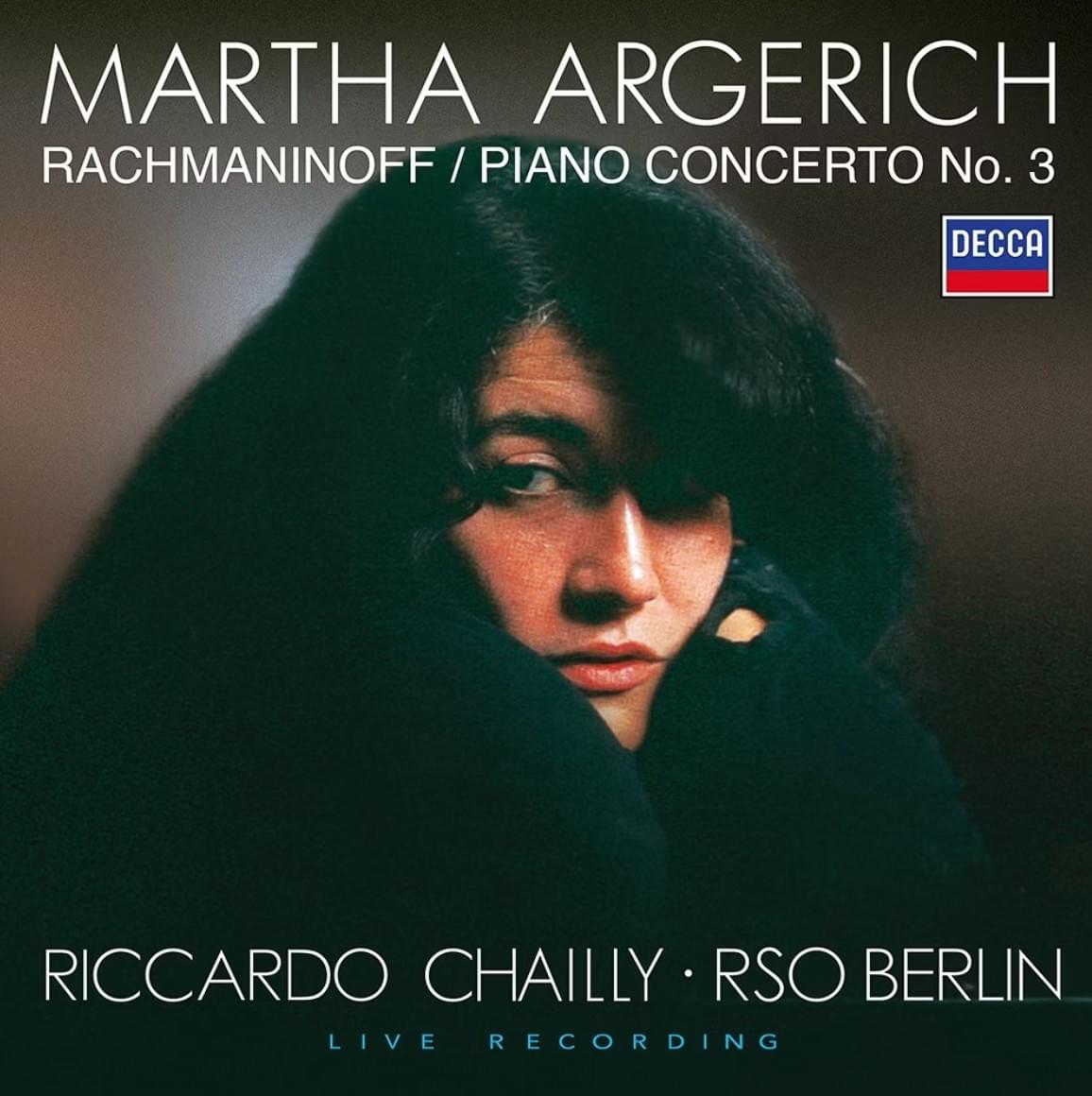
這是歷史開的一個殘酷玩笑,也是一種最高的致敬。 當年那個因為覺得「太火爆」而不敢發行 1980 年錄音、後來又貪婪地想發行 1982 年錄音的古典唱片巨人Philips Classics,已經在商業併購的浪潮中消失了。
唱片公司因體制倒下了,但音樂留下來了。
這份曾經被視為「瑕疵品」、被封印、被盜版流竄的錄音,竟然活得比發行它的公司還要久。這張掛著 Decca 牌子的黑膠彷彿在告訴我們:所有的商業算計、所有的品牌榮光,在絕對熾熱的生命力面前,都只是暫時的包裝。只有那個晚上,阿格麗希燃燒靈魂所留下的聲音,才是唯一能穿越 40 年時光、依然滾燙的真實。
[生命解碼] 40 歲的烈火,源自於一場拒絕孤獨的逃亡
為什麼 1980 年的這張錄音會彈得這麼快、這麼急? 聽起來像是有人在後面追殺她一樣?
答案很簡單:因為她怕孤獨,她在逃亡。
40歲的阿格麗希(1980年代),正處於她人生中最焦慮、最混亂,但也最真實的「波希米亞時期」。如果我們推開她當時在歐洲家的大門,你看到的絕對不是一個優雅、整潔的鋼琴家寓所,而是一個隨時會爆炸、也隨時充滿愛的「亂室」。
1. 【亂室佳人】在煙霧與喧鬧中,對抗深夜的寂靜
一般的鋼琴大師,生活是精密的時鐘:早起、練琴、飲食控制。 但阿格麗希是完全相反的生物。她是標準的夜貓子,中午過後才起床,然後一路清醒到凌晨四五點。
在那段日子裡,她的房子永遠住滿了人——除了她的三個女兒,還有各種借住的年輕音樂家、朋友、甚至朋友的朋友。家裡永遠鬧哄哄的,充滿了說話聲、電視聲,還有繚繞不去的香菸煙霧與空酒瓶。
為什麼要這樣?因為她極度恐懼孤獨。 她不敢一個人睡覺,不敢一個人待在安靜的房間裡。她需要聲音,需要人的氣息。
這解釋了 1980 年那張唱片裡的「躁動感」。那不是在冷靜的琴房裡練出來的,那是在深夜的紅酒與激辯中、在滿屋子的混亂與熱鬧裡,碰撞出來的靈魂火花。她把這種對安靜的恐懼,轉化成了鍵盤上停不下來的狂飆。
2. 【女尊男卑】她不當繆思,她是挑選男人的「狩獵者」
在1980 年代,她獨自撫養著三個同母異父的女兒:
大女兒 Lyda(父親是指揮家陳亮聲)
二女兒 Annie(父親是指揮家杜特華)
小女兒 Stephanie(父親是鋼琴家寇瓦謝維契)
這張家庭關係圖,如果是別人,可能會被視為混亂或不幸。但在阿格麗希身上,這卻成就了一種極其霸氣的「阿格麗希法則」。
在傳統觀念裡,才子佳人往往是「夫唱婦隨」,女性依附於男性大師。但她徹底推翻了這個劇本,在她身上,是徹頭徹尾的「女尊男卑」。
歷任的丈夫與男友,都是樂壇響噹噹的大人物,但發球權永遠在她手裡。是她選擇了他們,也是她在覺得「不適合」時轉身離開。她不需要男人來定義她的價值,男人只是她生命樂章裡的「伴奏」。
最讓人佩服的是她的「大氣」。 分手後,她從不變成交惡的怨婦。她可以跟前夫杜特華同台演出,也可以跟前男友寇瓦謝維契錄製雙鋼琴。她的邏輯是:「我可以甩了你這個情人,但我不會錯過你這個音樂家。」
這種強大的心理素質,完全反映在 1980 年的錄音裡。你聽她跟樂團的對話,她不是在「配合」指揮,她是在「帶領」、甚至是在「挑釁」樂團。那是一種「老娘自己扛」的單親媽媽韌性,也是一種「我能駕馭一切」的女王氣場。
3. 【逃離獨奏】從一個人的戰鬥,變成一群人的狂歡
40 歲這十年,也是她職業生涯最關鍵的轉折點。 正是從 1980 年代開始,她做了一個震驚樂壇的決定:除了極少數例外,她不再舉辦個人獨奏會(Solo Recital)。
為什麼?因為她受夠了一個人在舞台上的孤獨。 那種被幾千雙眼睛盯著看、沒有夥伴可以眼神交流的壓力,讓她覺得像是在受刑。
所以她逃向了「協奏曲」與「室內樂」。 這就是為什麼 1980 年的柴可夫斯基與 1982 年的拉三會這麼動人。因為那不是她在表演,那是她在「找人玩」。她在台上拼命地跟孔德拉辛互動、跟樂團角力,因為那是她唯一能感覺到「安全感」與「連結」的方式。
[生命轉折] 當死亡敲門:50 歲的黑色素瘤,與肺部切除的代價
如果說 1980 年代的阿格麗希是在跟「孤獨」賽跑,那麼 1990 年代的她,被迫開始了一場更艱難的比賽——跟「癌症」搏鬥。
1990 年,就在她即將步入 50 歲時,命運給了她重重一擊:她被診斷出患有惡性黑色素瘤(Malignant Melanoma)。這是一種極其兇險的皮膚癌。
剛開始治療後似乎一度好轉,但在 1995 年——請記住這個年份——癌症兇猛地復發了。這次不再只是皮膚的問題,癌細胞擴散到了她的淋巴結,甚至轉移到了肺部(亦有報導提及波及肝臟與腦部)。
對於一位需要極大肺活量來支撐爆發性演奏的鋼琴家來說,癌細胞轉移到肺,簡直是判了死刑。
1. 【1995年的解封】在生死邊緣,完美不再重要
還記得我們前面說,她死都不肯發行那張 1982 年的拉三錄音嗎?因為她覺得那裡面有錯音、有瑕疵,不夠完美。
但在 1995 年,當她躺在加州約翰韋恩癌症中心(John Wayne Cancer Institute)的病床上,接受當時最先進的實驗性疫苗治療,甚至被迫切除部分肺葉時,她的心境徹底改變了。
當一個人連「明天」都不確定還能不能擁有的時候,過去那些對「完美」的堅持,突然變得微不足道。
她可能在想:「如果我真的走了,難道要讓那份燃燒了所有生命力的 1982 年錄音,永遠消失嗎?就因為那幾個錯音?」
於是,她點頭了。
1995 年,那張被封印了 13 年的傳奇錄音終於問世。這不是商業妥協,這是她對生命的「和解」。她終於明白,那些瀕臨崩潰的瑕疵,不是丟臉的污點,而是她「活著」並且「戰鬥過」的證據。
2. 【戒菸與圓融】失去了部分肺葉,卻換來了更寬廣的心
阿格麗希曾經是個出了名的老菸槍。在80年代的後台,你總能看到她手裡夾著菸,那是她緩解焦慮的藥,也是她叛逆的標誌。
但這場肺部手術逼得她不得不做出改變。雖然有傳聞說她偶爾還是會忍不住抽兩口,或是並不介意朋友在身邊抽菸,但在經歷過那種無法呼吸的恐懼後,她確實對生命有了不同的敬畏。
奇蹟的是,切除部分肺葉並沒有讓她的琴聲變弱。相反地,從鬼門關走一回的她,演奏風格發生了巨大的質變。
50歲後的她,琴聲裡少了一點40歲那種火爆的尖銳火氣,多了一種**「圓融」與「樂觀」**。那種圓融,不是妥協,而是「看透了」。她發現,與其在孤獨中追求完美的極致,不如在有限的生命裡,跟喜歡的人在一起。
3. 【阿格麗希與朋友們】把餘生變成一場盛大的派對
這就是為什麼她在90年代後期,創辦了「別府音樂節」與「阿格麗希與朋友們」(Argerich and Friends)音樂節。
這不僅僅是音樂會,這是她對抗死亡的方式。 既然生命如此脆弱,那就在還活著的時候,把前夫、男友、女兒、孫子、還有全世界最好的音樂家朋友,通通聚在一起。
她在這些音樂節裡笑得最開心。她不再是一個人孤獨地面對幾千名觀眾,她身邊總是圍繞著愛她的人。她依然愛熱鬧,依然愛熬夜聊天,雖然身體不再像年輕時那樣鐵打(近年偶爾會因心臟問題取消演出),但只要她在台上,她就是那個戰勝了死神的奇蹟。
ESOTERIC入場:高規格洗掉了「人味」
在文章的最後,我必須分享一個最令人感嘆的現實。
2024年底,黑膠出版圈發生了一件大事:ESOTERIC(編號 ESLD-10007) 出版了這張 1980年柴一的復刻黑膠。這張台幣定價:2250 元、打著「限定盤」旗號的唱片,在極短時間內被搶購一空。
他們眼中的「雜訊」,是我們拼命想留住的「人味」
E
SOTERIC 版本做了什麼? 它用極致的重新製作技術,把聲音拆得太開、修得太乾淨了。孔德拉辛那種「拼了老命也要接住她」的情感連結,被數位刀鋒一切,瞬間蕩然無存。沒有了那些狂熱的摩擦與雜訊,完美的規格只剩下無聊。
經過實際對比:不論是荷蘭原版還是日本原版,任何一種早期的類比版本,聽感都比這個ESOTERIC要好得多!
[終章] 阿格麗希仍是阿格麗希,而我們也是
最後,當我們把這張1980年的黑膠放回封套,看著封面上那位40歲、半張臉藏在陰影裡的阿格麗希,我們終於讀懂了這場跨越40年的生命劇本。
阿格麗希的一生,其實就是我們每一個人的縮影。
30-40 歲(烈火時代): 就像1980年的她。我們焦慮、我們想證明自己、我們怕孤獨。我們在職場上衝得頭破血流,在感情裡愛得轟轟烈烈。我們像她在鍵盤上一樣,試圖用「速度」與「火爆」來掩飾內心的不安。那是她生命中最狂、但也最累的十年。
50-60歲(和解時代): 就像1995年經歷過生死的她。我們或許也受過傷、生過病,或者失去過重要的人。我們開始明白,完美是虛幻的,活著才是真實的。我們學會了把那些曾經想銷毀的「黑歷史」拿出來,笑著對當年的自己說:「沒關係,那也是我。」
80歲以後 (派對時代): 就像現在的她。依然抽菸、依然喝酒、依然愛熱鬧。她沒有變成一個無趣的聖人,她只是變成了一個「快樂的老頑童」。她告訴我們,老去並不可怕,只要你身邊還有愛的人,還有音樂,生命依然可以是一場盛大的派對。
阿格麗希仍是阿格麗希。
她沒有因為歲月而變成另一個人,她只是把每一個階段的自己——那個火爆的、脆弱的、圓融的、任性的自己——一層一層地疊加起來,變成了現在這個豐富而深邃的靈魂。
而我們每一個人也是。
不要否定你過去的任何一個十年。 不要討厭那個曾經笨拙的、失敗的、或是歇斯底里的自己。 正是因為有那個「1980 年代火爆的你」,才會有未來那個「2020 年代圓融的你」。
今晚在古殿,我們聽這張唱片,不是為了聽一位鋼琴女神的完美演出。 我們是來聽一個女人,是如何花了一輩子的時間,誠實地活出了她每一個階段的樣子。
願我們每個人,在人生的這張唱片裡,都能像她一樣,留下最真實的聲音
——哪怕有雜訊,哪怕有錯音,那都是屬於你獨一無二的生命現場。
實體音樂:
*******
[Gu Dian Record Stories] The Story Behind the Fire and Fury: The Hidden Secrets of Record Publishing and the Real Life of Martha Argerich
[Defying Intuition] The Vanishing Three Minutes: Uncontrolled Speed or a Burning Soul?
If you don't listen to the music and only look at the data, you might think this record is "broken" or that Martha Argerich (1941-) had gone mad. Let’s start with a brutal comparison. Using the same Tchaikovsky Piano Concerto No. 1 and the same Martha Argerich, let’s place her 1970 DG studio version alongside this 1980 Munich live performance (Philips). You will see a gap that is truly eye-opening:
- 1970 DG Studio Version (Conductor: Charles Dutoit)
- First Movement: 21:09
- Second & Third Movements: 14:05
- Total: 35:14
- 1980 Philips Munich Live (Conductor: Kirill Kondrashin)
- First Movement: 18:52
- Second & Third Movements: 13:05
- Total: 31:57
Do you see it? The newer version is faster by 3 minutes and 17 seconds. The 18:52 timing for the first movement is an astonishing speed. In the history of recording, it is a feat almost only rivaled by the legendary RCA recording of the "Piano Wizard" Vladimir Horowitz and the "Tyrant" Arturo Toscanini.
But the most miraculous thing happens. When you close your eyes and listen, despite the speed being akin to racing on the edge of a cliff, you don't feel rushed at all. Why? Because this wasn't fast for the sake of finishing early; it was because the "fire" was burning too hot. Although the piece is filled with high-difficulty piano cadenzas and violent orchestral dialogues, Argerich and Kondrashin employed extremely bold tempo changes (rubato) at every climax.
They weren't marching mechanically like a metronome; they let the music "breathe." The piano and the orchestra engaged in a high-tension gamble—a push and a pull, building layer by layer. The passion was "forced out" through their interaction, constantly pushing toward a peak that felt as if it might explode. This is why this record is so exhilarating—it flows with incredible naturalness, yet remains dangerously breathless.
[Reversing the Flaw] Death Unlocked a "Defective Product" and Ignited a Legend
L
ogic dictates that record companies should have worked overtime to release such a "God-tier live" performance as soon as possible. Yet, the opposite happened. This February 1980 recording was unexpectedly neglected at the time.
The executives of the record company were hesitant. Why? Because it was an era obsessed with "studio perfection." To the ears of the producers, while the performance was brilliant, it was too fiery, too dangerous! Argerich’s speed was nearly out of control, the orchestra was panting to keep up, and there were the inevitable wrong notes and jitters of a live stage. In their eyes, it was an "imperfect product," so they had no intention of releasing it. The master tape was shelved.
Then, in 1981, tragedy struck. The great Russian conductor Kirill Kondrashin (1914-1981) passed away suddenly. This collaboration with Argerich was one of his final performances. To commemorate him, the record company finally remembered the "frozen" tape.
In 1982, Philips finally decided to release it, but with a clear position—this was a "Commemorative Album." Whether it was the European original (No. 6514 118) or the Japanese debut (No. 20PC-2001), the earliest covers didn't even feature a photo of the performers, only the solemn words: "Hommage à Kirill Kondrashin."
But what happened next exceeded everyone's expectations. This record, originally intended as an "elegy for the dead," became a global bestseller the moment it hit the shelves! Sales skyrocketed from Europe and the U.S. to Japan. Music lovers weren't buying it to mourn Kondrashin; they were shocked by the "burning survivor" within the grooves—Argerich. People discovered that it was exactly those "fiery flaws" despised by the company that gave this recording a soul that a studio version could never replicate.
The record company woke up: listeners weren't buying "perfect specs"; they were buying Argerich’s "human truth"—a performance on the verge of collapse, held firmly in place by Kondrashin. Forced by market fever, they had to redesign. In subsequent releases (such as the Japanese 20PC-2027 released later that same year), the text quietly retreated, replaced by the now-iconic portrait of Argerich—half her face in shadow, looking exhausted yet eyes burning with resolve. This wasn't just a change of image; it was the surrender of the commercial system to the power of "real life."
[Commercial Decoding] 2001 to 2027: Japanese Sharpness vs. European Stubbornness
He
re, I want to highlight a subtle but profound detail of commercial strategy. If you are a seasoned collector, you may notice that Japan released two versions in the same year, 1982. This is highly unusual.
First Edition (20PC-2001): The original look, pure text cover, positioned as a "Kondrashin Memorial Disc."
Second Edition (20PC-2027): Just a few months later, Japan launched this new version with Argerich's piercing gaze on the cover, repositioned as "Argerich's Latest Masterpiece."
Why did Japan do this and even change the serial number? It was their incredible market intuition. They realized 2001 was selling not because of the late conductor, but because Argerich played like a madwoman. The fans wanted the "Valkyrie," not a "Requiem." The Japanese planners immediately "reincarnated" the record, giving it a new ID (2027) and a new face to sell it as a star-driven album. It was a bold move that successfully transformed "mourning" into "fanaticism."
In contrast, the European headquarters (Philips) remained slow and stubborn. While they eventually followed the trend and used the portrait for international versions, their serial number remained 6514 118. In the European mind, if the audio didn't change, it was the same product; a cover change was just a "correction." This resulted in the "Dutch Portrait Cover" being extremely rare, as most stock had already been filled by the first "Text Memorial" wave. This rare Dutch version is now a testament to the "half-beat slow" reaction of the European system in the eyes of collectors.
[Defying Intuition] The Fiery "Rach 3" Sealed in a Vault for 13 Years
The
success of the 1980 Tchaikovsky recording made the company greedy. They thought: "If they love her fire, the next one will sell even better!" Their eyes turned to December 1982—Argerich’s legendary performance of Rachmaninoff’s Piano Concerto No. 3 in Berlin (conducted by Riccardo Chailly).
Standard practice meant the radio station had a high-quality live archive. The company assumed they could just take the master, remaster it, and press a bestseller. The market was ready, and wallets were open. But this time, Argerich stood firmly in front of the tapes and said "No."
Her refusal was resolute and fascinating:
"A live performance is a one-time energy exchange; it’s something that happens in the moment. But a record is meant to be heard repeatedly, examined under a microscope. I cannot allow 'the me' of that night to be treated that way."
This sentence shattered the company's plans. On that Berlin night in 1982, she was on the verge of collapse, burning at the limit. The "fire" that sounded heart-stopping live would be scrutinized for every wrong note and rushed beat once it became a record. She refused to let her chaotic, fragile, and neurotic self become a permanent commodity for public judgment.
Thus, the recording was sealed. But Argerich underestimated the human hunger for "truth." While the official release was banned, for the next 13 years, this recording became the most sought-after "Bootleg" in the underground music scene. Fans traded it like contraband. Why? Because in that fuzzy audio quality, they heard a flesh-and-blood reality more "real" than any official record. It wasn't until 1995 that Argerich finally gave in to the tide—or perhaps her 50-year-old self finally reconciled with her 40-year-old self—and allowed the legend to see the light of day as an official CD.
[Tears of the Era] The 40-Year-Late Vinyl and the Vanishing Philips Logo
The
story doesn't end there. The fate of that 1982 recording was more winding than imagined. After its 1995 CD debut, it became Argerich’s most famous "Rach 3" and a classic of the repertoire. But it wasn't until 2022—exactly 40 years after the performance—that it was miraculously released on Vinyl.
When you hold this late-coming LP, you’ll notice something poignant: the logo on the cover is no longer the blue Philips, but Decca. This is a cruel joke of history and a supreme tribute. Philips Classics, the giant that was too afraid to release the 1980 recording for being "too fiery" and then too greedy to release the 1982 one, had vanished in the waves of corporate mergers.
The company fell, but the music survived. This recording, once labeled "defective," sealed away, and pirated, outlived the company that recorded it. The Decca label on this vinyl tells us: all commercial calculations and brand glory are temporary packaging. Only the sound of Argerich burning her soul that night is the "boiling truth" that can cross 40 years of time.
[Decoding Life] The Fire of Her 40s: An Escape from Loneliness
Why d
id she play so fast and urgently in 1980? It sounds like someone was chasing her. The answer is simple: she was afraid of being alone; she was in flight.
In the 1980s, Argerich was in her most anxious, chaotic, yet authentic "Bohemian period." If we pushed open the door to her European home then, we wouldn't see an elegant pianist's flat; we’d see a "Chaos Room" full of love, ready to explode at any moment.
1. The "Chaos Room" Belle: Fighting the Silence of the Night Standard masters live like precision clocks. Argerich was the opposite—a night owl who woke after noon and stayed awake until 4 or 5 AM. Her house was always full—three daughters, traveling musicians, friends, and friends of friends. It was a cacophony of voices, television, cigarette smoke, and wine bottles. Why? Because she was terrified of loneliness. She couldn't sleep alone or stay in a quiet room. She needed the breath of people. This explains the "restlessness" in the 1980 record. It wasn't practiced in a quiet room; it was the spark of soul-searching debates and midnight wine.
2. The Queen's Rule: She is the Hunter, Not the Muse In the 80s, she raised three daughters by three different fathers: Lyda (Chen Liang-sheng), Annie (Charles Dutoit), and Stephanie (Stephen Kovacevich). While others might see this as misfortune, for Argerich, it established her "Argerich Rule." She overturned the script of women being muses to men. In her life, it was "Female Superiority." She chose the men, and she chose to leave when it no longer fit. Men were just "accompaniment" to her life’s concerto. Even after breakups, she remained "magnanimous," performing with Dutoit or recording with Kovacevich. Her logic: "I can dump you as a lover, but I won't miss you as a musician." This toughness is audible in the 1980 recording—she isn't "complying" with the conductor; she is leading, even provoking the orchestra.
3. Fleeing the Solo: From Solo Battle to Group Party Her 40s marked a career turning point. She decided to stop giving solo recitals. Why? Because she hated the loneliness of the stage—being watched by thousands without a partner to exchange glances with was torture. She fled to concertos and chamber music. This is why the 1980 and 1982 recordings are so moving—she wasn't performing; she was "looking for friends to play with."
[The Turn of Life] When Death Knocks: Melanoma and the Cost of Surgery
If the
80s were a race against loneliness, the 90s were a harder race against Cancer. In 1990, she was diagnosed with Malignant Melanoma. It seemed to clear, but in 1995—remember that year—it returned aggressively, spreading to her lymph nodes and lungs. For a pianist who needs lung capacity for explosive power, this was a death sentence.
1. The 1995 Unsealing: At the Edge of Life, Perfection Fades Why did she finally release the 1982 Rach 3 in 1995? Lying in a hospital bed in California, undergoing experimental vaccine therapy and having part of her lung removed, her heart changed. When "tomorrow" isn't guaranteed, the obsession with "perfection" becomes trivial. She thought: "If I really go, should this recording of my soul's fire disappear forever just because of a few wrong notes?" She nodded. It wasn't a commercial compromise; it was a "reconciliation" with life.
2. Quitting Smoking and Mellowing Out The surgery forced the legendary smoker to change. While she didn't become a saint, the brush with death changed her style. Her playing lost some of the 40-year-old's sharp fury and gained a "mellow optimism." She realized that instead of pursuing perfect solitude, it was better to be with people she loved.
3. Martha Argerich and Friends She founded festivals in Beppu and Lugano not just for music, but to fight death. Since life is fragile, she gathered ex-husbands, boyfriends, daughters, and friends. She is happiest there, surrounded by love, proving that even as her body ages, she is the miracle that defeated death.
The ESOTERIC Incident: Specs Washing Away the "Humanity"
Finally
, a lamentable reality. In late 2024, the vinyl world saw the release of the **ESOTERIC (No. ESLD-10007)**Tchaikovsky No. 1 reissue. At 2,250 TWD, these "limited editions" sold out instantly.
What they call "Noise," we call "Humanity." The ESOTERIC version used extreme remastering to separate the sound too much, making it too clean. The emotional link—Kondrashin "fighting for his life to catch her"—was severed by digital blades. Without that feverish friction and noise, perfect specs become boring. Actual comparison proves that the Dutch or Japanese originals—any early analog version—sound much better than this ESOTERIC!
[Epilogue] Argerich is Still Argerich, and So Are We
As we pu
t this 1980 record back in its sleeve and look at the 40-year-old Argerich in the shadows, we finally read the script of this 40-year life. Her life is a microcosm of our own.
30-40s (The Fire Era): Anxious, proving ourselves, fearing loneliness. We rush through careers and relationships, using "speed" to hide our insecurity.
50-60s (The Reconciliation Era): Having faced illness or loss, we realize perfection is a mirage. We learn to look at our "black history" and say, "It's okay, that was me too."
80s and Beyond (The Party Era): Like her now—still enjoying life and friends. She didn't become a boring saint; she became a "happy old kid."
Argerich is still Argerich. She didn't become someone else; she just layered every version of herself—the fiery, the fragile, the mellow, the willful—to become the profound soul she is today.
And so are we. Do not deny any decade of your past. Do not hate your clumsy, failing, or hysterical former self. It is precisely because of that "Fiery 1980s You" that the "Mellow 2020s You" can exist.
Tonight at Gu Dian, we don't listen for a goddess's perfect performance. We listen to hear how a woman spent a lifetime honestly living out every stage of her existence. May we all, in the record of our lives, leave the most authentic sound—even if there is noise, even if there are wrong notes, for that is your one and only live performance of life.
Would you like me to help you format this into a specific layout for a blog or social media post?