
【古殿唱片音樂故事】「固執」而快樂的老頑童:林克昌與柴可夫斯基第五號交響曲
古殿殿主
今天我想跟你分享一個關於「固執」的故事,以及一張1981年在日本留下的珍稀黑膠唱片。
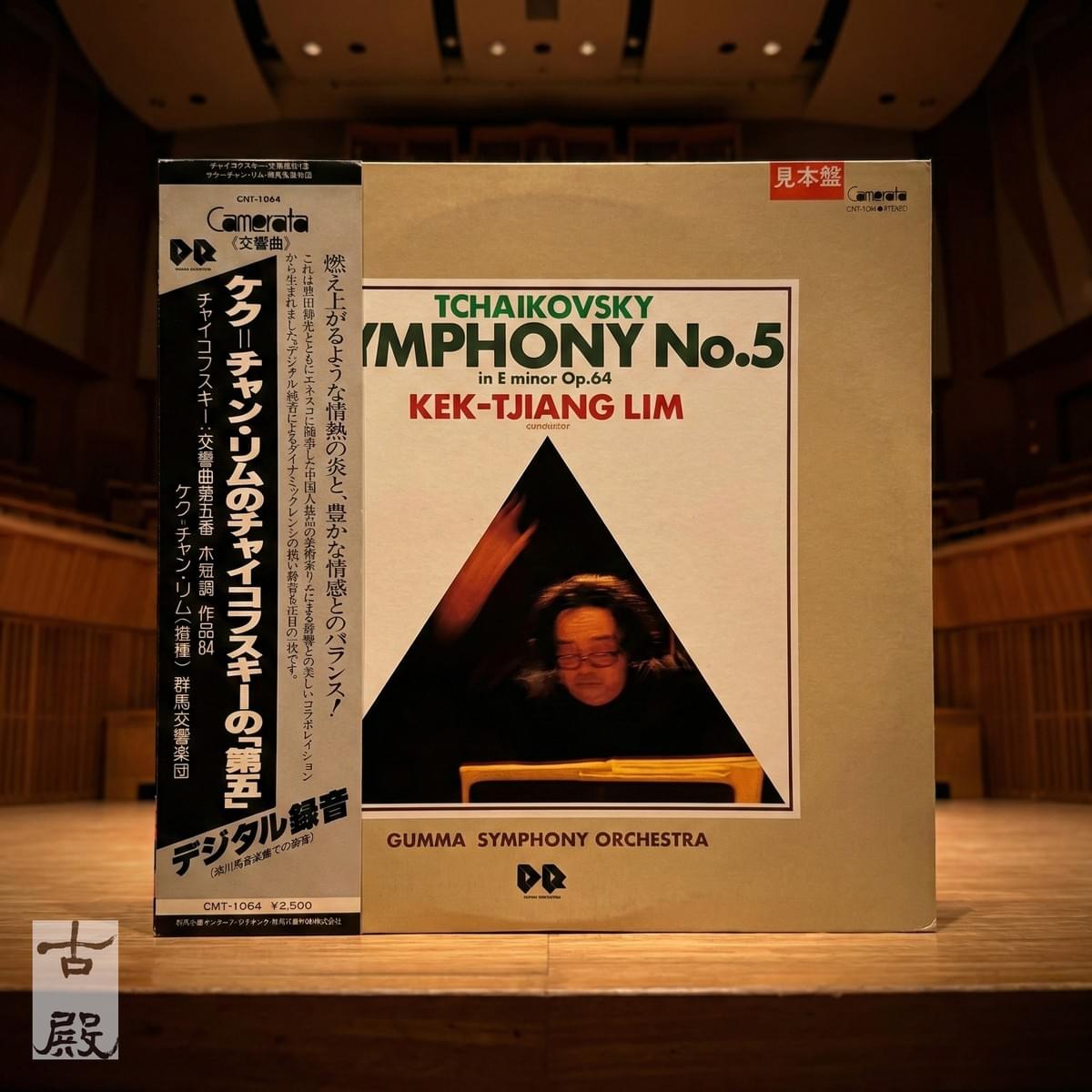
這份錄音,是指揮家林克昌(KEK-TJIANG LIM,1928-2017)留下的「第一張」西方古典音樂交響曲錄音。演奏的是柴可夫斯基的《第五號交響曲》。這不僅是一首曲子,更是他一生顛沛流離、卻始終昂首闊步的靈魂寫照。
一個為音樂而生的家族,走進了歷史的暴風圈
我們先來聊聊林克昌這個人。他生長在一個不可思議的音樂家族。 1928 年,林克昌出生於荷蘭殖民時期的婆羅洲(Borneo),是在地的第五代華僑。他是家裡的老大,底下有三個弟弟、一個妹妹,全部都是頂尖音樂家。 你想像一下那個畫面:大弟拉大提琴,二弟拉小提琴,小弟拉中提琴,加上林克昌自己。這四個親兄弟竟然湊齊了編制,組成了傳奇的「林氏四重奏」。那該是多麼美好、多麼純粹的狀態?一家人只要拿起樂器,就能在音樂裡心意相通。
但歷史的巨輪,往往無情地輾碎個人的夢想。 1959年,原本在雅加達擔任廣播管弦樂團指揮的林克昌,因為反對當地的排華運動,滿懷熱血帶著一身頂尖的歐洲音樂本領回到新中國(中華人民共和國)。 1964年,兄弟四人的四重奏終於成軍,那本該是他們音樂生命最燦爛的時刻。但誰能想到,文化大革命爆發了。西洋音樂被視為毒草,一家人被迫噤聲。為了活下去,林克昌冒死把樂譜藏在身上,經由管道逃到了香港。 到了香港,他好不容易將業餘樂團拉拔成職業級的「香港愛樂」,卻又因為他那「不識相」的硬脾氣惹了禍——在英國殖民時期舉辦的第一屆香港藝術節,他老兄竟然硬生生地排出了全套中國管弦樂曲! 結果可想而知,他被港英政府排斥,直接遭到解聘。
陪著他走過黑夜的溫柔力量,與台灣的奇妙緣分
在那些最黑暗的日子裡,撐住林克昌的,除了對音樂的執念,還有他的夫人——石聖芳(Else Tjiok Lim)。
石女士是一位優雅的鋼琴家,也是芭蕾舞者。在林克昌被時代放逐、甚至後來冒死把樂譜藏在身上逃亡到香港、澳門的顛沛流離中,是她一路相伴。
更有意思的是,這段患難與共的愛情,後來還跟我們所在的這塊土地結下了深深的緣分。因為台灣「雲門舞集」的創辦人林懷民先生,特地邀請石女士來台灣指導舞蹈,這才促成了林克昌夫婦後來定居台灣,甚至接下長榮交響樂團創團總監的佳話。
一個永遠在跟現實對撞的固執老頭
如果你去查林克昌的履歷,會發現一個很奇特的現象:他才華洋溢,連世界最頂級的樂團都想挖角他,但他卻永遠無法在一個地方待得長久。 說白了,他就是一個極度不討喜的人,時常得罪人。但當你攤開他的人生軌跡,你會發現,他的「不會做人」,另一面其實是他對自己靈魂最死心塌地的堅守。
很多人批他不擅交際、沒有政治手腕。甚至到了他八十歲那年回台灣客席指揮時,他自己都笑著承認:「對於政治的勾心鬥角,我永遠也學不會,我只會避而遠之。」 在現代的標準裡,他絕對是個不及格的「職場人」。 但正是這種打死不退的固執,把傲骨留給了體制,把謙卑留給了真實,才成就了他音樂裡最迷人的「人味」。
把傲骨留給現實,把謙卑留給真實
林克昌對政治極度冷漠,但對音樂和樂團卻異常謙卑。
他在晚年受訪時說過一個堅持:每次上台,他一定先轉身向樂團團員深深鞠躬,然後才轉過身向觀眾致意。因為他說:
「沒有樂團,指揮什麼都不是。」
他甚至會在半夜因為對樂曲有了新的體悟,突然從床上跳起來修改總譜。他拒絕一輩子用同一種方式演奏一首曲子,因為人的生命是會流動的,音樂也該是活著的。
這就是他早年在歐洲拜入提琴宗師安奈斯可(George Enescu,1881-1955)門下學到的最高境界——「High Arts」。簡而言之,就是超脫所有的技巧與算計,只留下最純粹的真實。
第一首西方交響曲錄音:柴可夫斯基第五號交響曲
1981年,歷經波瀾、跨越生死的林克昌來到了日本,指揮群馬交響樂團。
當時看好像就是緣分,但事後看又似乎是冥冥中注定的。
林克昌在法國留學時的日本同學豐田耕兒(1933-),當時擔任群馬交響樂團的藝術總監。他想起了這位才華洋溢的老同學,便從澳洲把他請到日本擔任客座指揮。
我手邊這張極度稀有的日本「白標見本盤」(sample),正是他留下的「第一張」西方古典音樂交響曲錄音。由專門錄製一流音樂家的日本唱片公司CAMERATA發行。
這份錄音不僅是他「第一首」錄製的西方交響曲,更在後來成為了他指揮生涯中最具代表性的「靈魂曲目」。
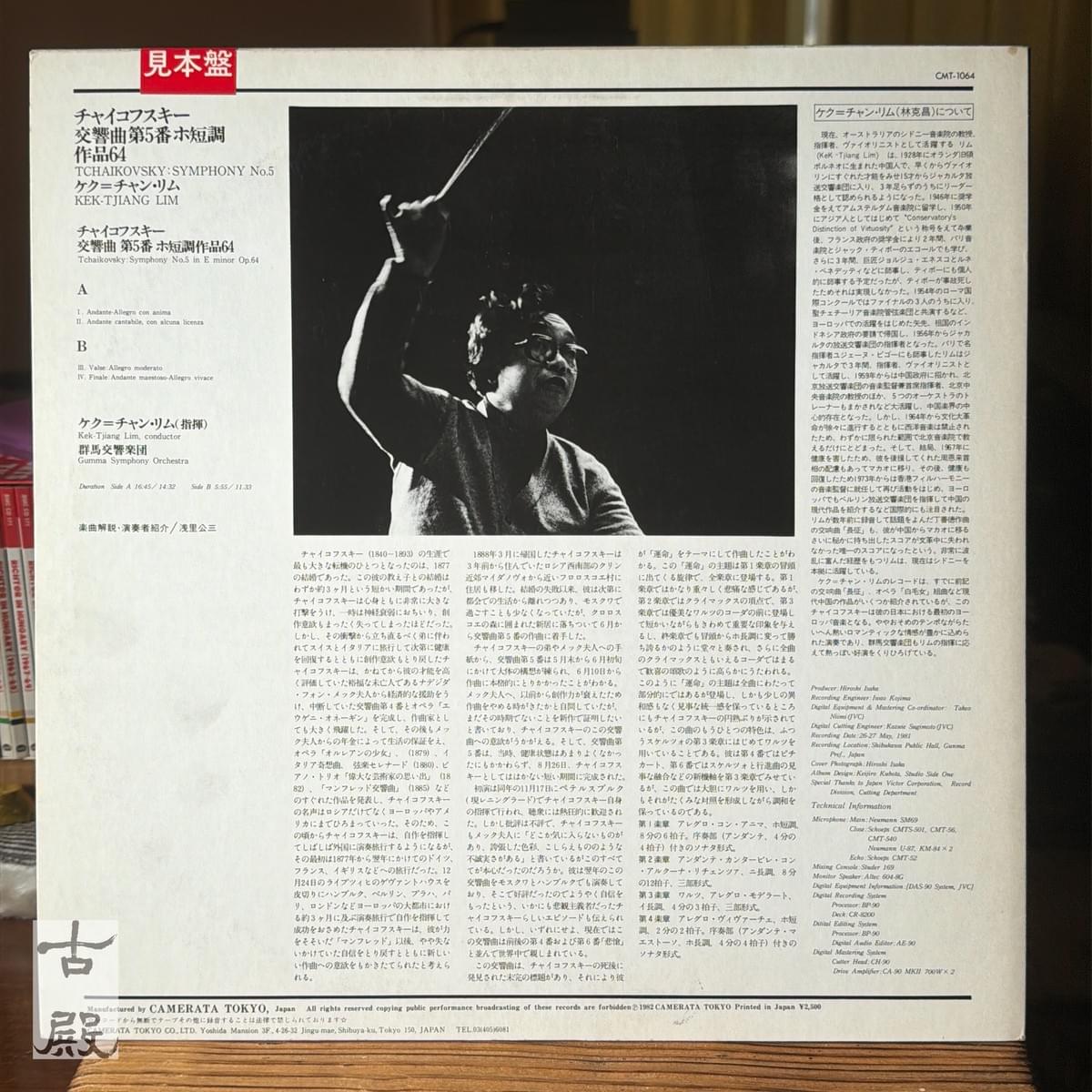
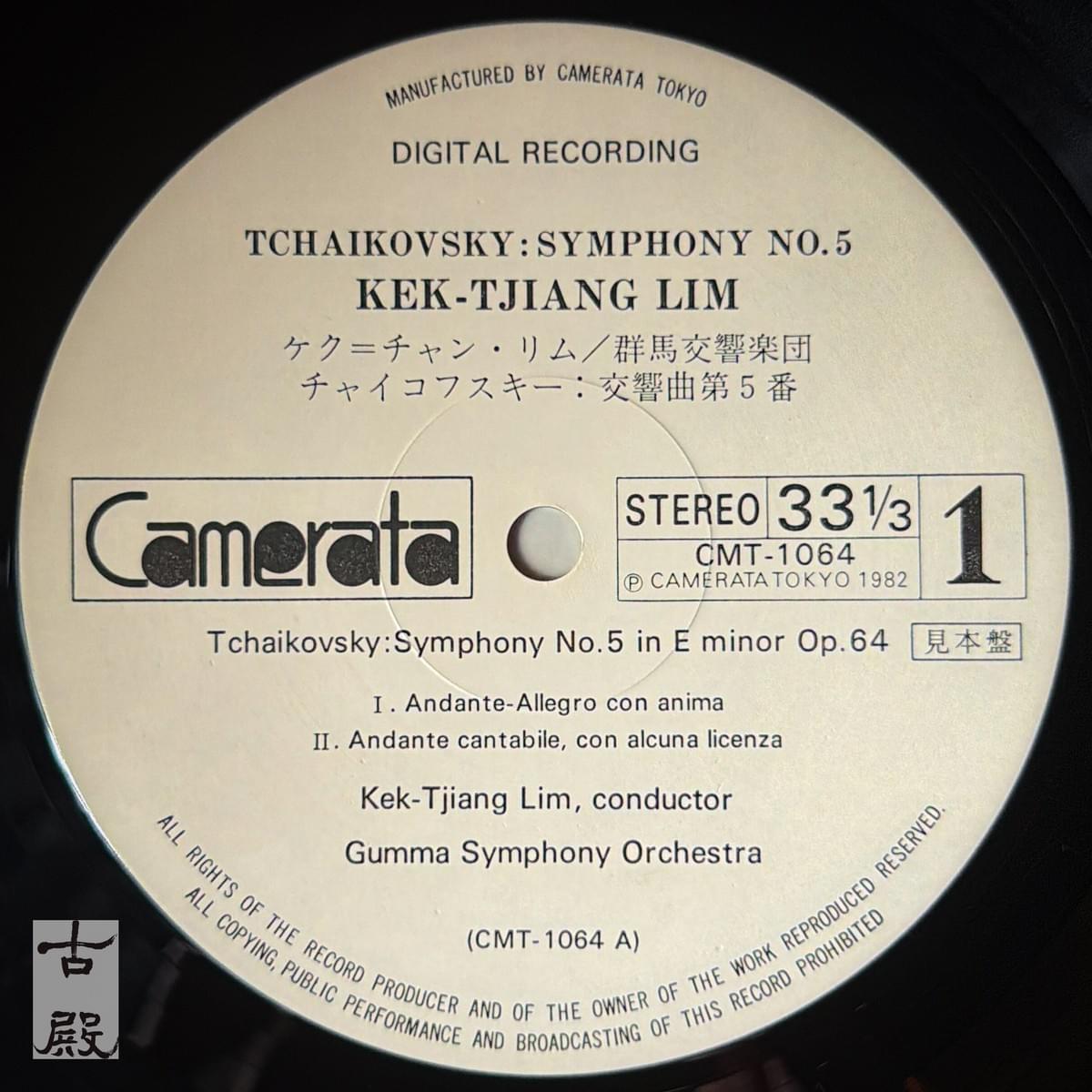
在這裡,我想邀請你聽聽這張唱片裡的三個動人細節:
1. 獨特的「林式揉弦與滑音」,刻劃出最深的悲愴
許多樂評與當年看過他現場演出的樂迷都提到,林克昌在處理柴五的第一樂章時,為了強調小提琴旋律裡的深刻與傷感,會要求弦樂部使用大幅度的揉弦(Vibrato)與滑音(Portamento)。在許多追求「精準、乾淨」的現代西方指揮家耳中,這種技法可能會被認為「太過肉麻或老派」。但對林克昌來說,這些都不是為了炫技,而是為了讓音樂變得「有血有肉」。這完美呼應了我們強調的:「他不追求規格上的精準,他追求的是生命最真實的情感爆發。」
林克昌認為:一個好的指揮,必須是個好的弦樂演奏家。看看西方樂界所謂的大師級指揮家,超過半數以上都是弦樂演奏出身,而且,不僅僅要會拉琴,還要拉得好才行。因為樂團當中最重要的就是弦樂聲部,大部份的主題也都集中在弦樂上。
2. 八十歲大壽的「命運交響曲」
2008年,台灣國家交響樂團(NSO)為林克昌大師舉辦八十歲大壽音樂會。下半場的壓軸曲目,正是這首柴可夫斯基第五號交響曲。 當時有樂迷回憶,高齡八十的林克昌已經無法站著指揮,必須坐著,但他瘦小的身軀裡所散發出來的激情能量,卻幾乎填滿了整個國家音樂廳。那被許多人譽為「現場聽過最令人激動的柴五」。
3. 從群馬到俄羅斯的軌跡
這份1981年日本群馬交響樂團錄音,是他人生第一次錄製的西方交響曲。而在十幾年後的 1998 年,台灣的唱片公司特地為了他,找來了「新俄羅斯管弦樂團」,讓他專門再次錄製了這首曲子。 也就是說,1981 年的這張群馬黑膠,正是他對柴可夫斯基這份「命運交響曲」的情感起點,也是我們窺探大師初心的最佳路徑。
最後
時間大約是在2000年左右的26年前,殿主每週都會去台北車站附近的玫瑰唱片行巡片,曾偶遇林克昌好幾次,印象非常深刻,那種感覺至今仍深深印在我腦海中:
他就是一位快樂的老頑童。
實體音樂:
*******
【Gu Dian Record Story】The "Stubborn" yet Happy Old Urchin: Kek-Tjiang Lim and Tchaikovsky’s Symphony No. 5
Today, I want to share a story about "stubbornness" with you, along with a rare vinyl record left behind in Japan in 1981.
This recording is the very "first" Western classical symphony recording left to us by the conductor Kek-Tjiang Lim (1928-2017). The piece is Tchaikovsky’s Symphony No. 5. But this isn't just a musical composition; it is a portrait of his soul—a soul that spent a lifetime wandering in displacement yet always held its head high.
A Family Born for Music, Walking into the Storm of History
Let’s first talk about who Kek-Tjiang Lim was. He grew up in an incredible musical family. Born in 1928 in Borneo (during the Dutch colonial period), he was a fifth-generation overseas Chinese. He was the eldest, with three younger brothers and a sister, all of whom became top-tier musicians.
Imagine this scene: the eldest brother on cello, the second on violin, the youngest on viola, plus Kek-Tjiang Lim himself. These four biological brothers actually formed a complete string quartet—the legendary "Lim String Quartet." How beautiful and pure must that state of being have been? A family that only needed to pick up their instruments to connect their hearts through music.
But the wheels of history often ruthlessly crush personal dreams.
In 1959, Lim, who was originally a radio orchestra conductor in Jakarta, left due to local anti-Chinese sentiment. Full of passion and armed with top-tier European musical skills, he returned to the newly established PRC (China). By 1964, the brothers’ quartet was finally officially formed. That should have been the most brilliant moment of their musical lives.
But who could have predicted the outbreak of the Cultural Revolution? Western music was branded as "poisonous weeds," and the family was forced into silence. To survive, Lim risked his life hiding musical scores on his body and escaped to Hong Kong through underground channels.
Once in Hong Kong, he struggled to elevate an amateur orchestra into the professional "Hong Kong Philharmonic." Yet, disaster struck again because of his "tactless" stubborn temper. During the first Hong Kong Arts Festival in the British colonial era, this man insisted—forcefully—on programming a full set of Chinese orchestral works! The result was predictable: he was ostracized by the British colonial government and fired on the spot.
The Gentle Force in the Dark, and a Wonderful Fate with Taiwan
During those darkest days, what held Kek-Tjiang Lim up, aside from his obsession with music, was his wife—Else Tjiok Lim.
Ms. Else was an elegant pianist and ballet dancer. Whether he was being exiled by the times or risking death to smuggle scores while fleeing to Hong Kong and Macau, she was there, accompanying him every step of the way.
What’s even more interesting is how this love, forged in adversity, later created a deep bond with the land we stand on now: Taiwan. Mr. Lin Hwai-min, the founder of Cloud Gate Dance Theatre, specifically invited Ms. Else to Taiwan to teach dance. This invitation is what eventually led the couple to settle here, with Lim even becoming the founding music director of the Evergreen Symphony Orchestra.
A Stubborn Old Man Forever Colliding with Reality
If you look at Kek-Tjiang Lim’s resume, you’ll find a strange phenomenon: he was overflowing with talent, and even the world’s top orchestras wanted to poach him, yet he could never stay in one place for long.
To put it bluntly, he was an extremely difficult person to please and often offended people. But when you spread out the map of his life, you realize that his "inability to play the game" was actually the flip side of his uncompromising loyalty to his own soul.
Many criticized him for lacking social skills or political maneuvering. Even when he returned to Taiwan as a guest conductor at the age of eighty, he smiled and admitted: "I will never learn the intrigues of politics; I only know how to stay far away from them."
By modern standards, he was definitely a "failed employee." But it was precisely this stubbornness—this refusal to retreat—that reserved his pride for the system and his humility for the truth. This is what gave his music that incredibly charming "human touch."
Leaving Pride for Reality, Leaving Humility for Truth
Lim was indifferent to politics, but he was extraordinarily humble toward music and the orchestra.
In his later years, he mentioned a personal rule in an interview: every time he went on stage, he would first turn around and bow deeply to the orchestra members before turning to acknowledge the audience. Why? Because he said: "Without the orchestra, a conductor is nothing."
He would even jump out of bed in the middle of the night to modify the score because he had a sudden new insight into the music. He refused to play a piece the same way for a lifetime because human life flows, and music should be alive, too.
This was the highest state of art—"High Arts"—he learned early in his career in Europe under the violin master George Enescu (1881-1955). Simply put, it means transcending all technique and calculation to leave only the purest truth.
The First Western Symphony Recording: Tchaikovsky's Symphony No. 5
In 1981, after weathering storms and crossing the line between life and death, Lim arrived in Japan to conduct the Gunma Symphony Orchestra.
At the time, it seemed like simple luck, but looking back, it feels like destiny.
Koji Toyoda (1933-), a Japanese classmate from Lim's days studying in France, was the artistic director of the Gunma Symphony Orchestra. He remembered his talented old classmate and invited him from Australia to Japan as a guest conductor.
The extremely rare Japanese "White Label Sample" vinyl I have in my hand right now is the "first" Western classical symphony recording he left behind. It was released by CAMERATA, a Japanese label known for recording top-tier musicians.
This recording was not only his first Western symphony on record, but the piece later became the representative "Soul Repertoire" of his conducting career.
Here, I want to invite you to listen for three moving details in this record:
1. The Unique "Lim-Style Vibrato and Portamento": Carving Out the Deepest Pathos Many critics and fans who saw his live performances recall that when handling the first movement of Tchaikovsky's 5th, Lim would require the string section to use wide Vibrato and Portamento (sliding notes) to emphasize the profound sorrow in the violin melody. To the ears of many modern Western conductors who pursue "precision and cleanliness," this technique might be considered "too sentimental or old-fashioned." But for Lim, this wasn't showing off; it was to make the music "flesh and blood." This perfectly echoes what we emphasize here at Gu Dian: he didn't pursue technical precision; he pursued the explosion of life's most genuine emotions.
Lim believed: A good conductor must be a good string player. Look at the master conductors of the West—more than half started as string players. And you can't just play; you have to play well. Because the string section is the most important part of the orchestra, and most themes are concentrated there.
2. The "Symphony of Fate" at his 80th Birthday In 2008, the Taiwan National Symphony Orchestra (NSO) held an 80th Birthday Concert for Maestro Lim. The finale of the second half was this very piece: Tchaikovsky’s Symphony No. 5. Fans recall that the 80-year-old Lim could no longer stand to conduct; he had to sit. Yet, the passionate energy radiating from his thin, small frame almost filled the entire National Concert Hall. Many hailed it as "the most thrilling Tchaikovsky 5th ever heard live."
3. The Trajectory from Gunma to Russia This 1981 recording with the Gunma Symphony Orchestra was his life's first recording of a Western symphony. More than a decade later, in 1998, a Taiwanese record label specifically hired the "New Russia Orchestra" for him to record this piece again. This means that this 1981 Gunma vinyl is the emotional starting point of his relationship with this "Symphony of Fate," and it is the best path for us to peek into the Maestro’s original intention.
A Final Note:
About 26 years ago, around the year 2000, I (the Palace Master) used to visit the Rose Records store near Taipei Main Station every week to browse for albums. I ran into Kek-Tjiang Lim there several times. The impression he left on me is still deeply imprinted in my mind:
He was simply a happy old urchin.