
【古殿唱片音樂故事】1944年福特萬格勒貝多芬第三號「英雄」交響曲:二戰時期最悲壯的音樂氛圍與其背後「秘密」
古殿殿主
如果你翻開史料,指揮大師福特萬格勒這一生,站在指揮台上揮舞貝多芬第三號交響曲《英雄》,據文獻記載共有 88 次。在這些無數次的演繹中,幸運被保存下來的完整錄音,經過考據大約有 11 份。
要在這 11 份錄音裡挑出一張「最好的」,哪一份最能代表生命的重量?絕大部分福特萬格勒的專家與樂評,都會毫不猶豫地告訴你:
是 1944 年。
它不一定是「最完美」的(1952 年的 EMI 錄音室版結構更完整、更理性),也不一定是「最好聽」的(1952 年柏林愛樂的現場版音質可能更悅耳)。但在歷史評價與樂評圈裡,1944 年這份錄音絕對是**「最偉大」且「最不可被取代」**的存在。
為什麼?
我們來看看它在歷史座標上的真實重量:
首先,研究福特萬格勒的聖經級著作《福特萬格勒的指揮藝術(The Furtwängler Record)》,作者約翰·阿多因(John Ardoin)給了這份錄音至高無上的評價。他認為,大師其他的版本是在「演奏」英雄的一生,唯獨 1944 年這一版,是在**「燃燒」英雄的生命**。如果把福特萬格勒的指揮生涯比作一座綿延的山脈,那麼這份錄音就是那座**「正在噴發中的火山」。它是最狂亂、最接近酒神精神(Dionysian)、也是最接近貝多芬原始衝動的一次爆發,展現了一種「毀滅性的力量」**。
其次,在樂迷心中,福特萬格勒的《英雄》永遠在上演「雙雄對決」。一邊是 1952 年 EMI 版,那是公認的「阿波羅式」典範,結構宏偉、寬廣、理性,像一座完美的雕塑,適合拿來膜拜大師的造型能力。另一邊就是我們今天要談的 1944 年戰時錄音版。它是公認的「極端值」。它的速度變化最劇烈,張力強大到幾乎要扯斷琴弦。樂評圈流傳一句話:
「要聽標準的貝多芬,去聽 1952;但如果要聽福特萬格勒的靈魂,你必須聽 1944。」
最後,在東方,特別是日本樂評界(如宇野功芳等人),對這張唱片更是推崇備至。在他們講究「氣」與「道」的審美裡,這份錄音充滿了罕見的**「殺氣」。這不是負面詞,這是一種在毀滅前夕綻放的淒美。相比之下,其他版本都太「和平」了。這種「一期一會」**氛圍、彷彿下一秒就是末日的緊迫感,讓它在所有版本中鶴立雞群。
所以,請你先把對「優美音樂」的期待放一邊。 我們現在要進入的,不是音樂廳,而是 1944 年 12 月的維也納。我們要去聽一個被捲入瘋狂時代的指揮家,如何用音樂進行一場最悲壯的抵抗。
而這一切故事,得先從一張「錯誤」的唱片——傳說中的「烏拉尼亞(Urania)」說起。
一、昂貴的「毒品」——從烏拉尼亞(Urania)的錯誤談起
在講歷史之前,我得先幫你「排毒」。
如果你去網路上搜尋這份錄音,或者去二手唱片行逛,老闆可能會神神秘秘地拿出一張紅色標籤的唱片,告訴你:「這就是傳說中的『烏拉尼亞』版(Urania),一張要價可能要六萬以上,而且還越來越貴!」
很多人聽了那個版本,會覺得「哇!好刺激!」聲音又亮又尖,速度快得像是在飆車,聽完讓人腎上腺素爆棚,覺得這才是大師的「神演」。
但我必須誠實告訴你:那是一種聽覺的毒品,那是錯誤的。
故事是這樣的。這份錄音的原始母帶,是二戰結束後蘇聯軍隊攻進柏林,從納粹德國的廣播大樓裡搶走的戰利品。後來一份來自於東德廣播電台的拷貝流到了美國,1953 年這家叫 Urania 的公司把它發行出來。但他們犯了一個致命的技術錯誤——搞錯了帶速。
當年的德國第三帝國廣播電台(RRG),用的是領先世界的軍用磁帶機,當時的標準帶速與戰後生產的美國機器標準帶速有落差,但當你用慢一點的美國機器,去播放快一點的德國磁帶,結果就是:聲音變快了,音高變尖了(Pitch High)。
於是,原本降 E 大調的《英雄》,變成了 E 大調甚至 F 大調。原本那種沈穩、厚重的悲劇感,變成了歇斯底里的尖叫。福特萬格勒當時聽到這張唱片氣瘋了,他甚至去打官司,說:
「這不是我的指揮!我不承認!」
為什麼現在還有人追捧那個錯誤版?因為人是感官的動物。變快、變尖的聲音會騙過大腦,讓你覺得「解析度變高」、「好爽」。
雖然早期蘇聯國內發行的黑膠,基本聲音是完全正確的,蘇聯使用來自於納粹德國的盤帶設備與原始盤帶,但因這些早期版本數量稀少、價格極度昂貴,對於一般藏家而言幾乎是不可企及的神話。
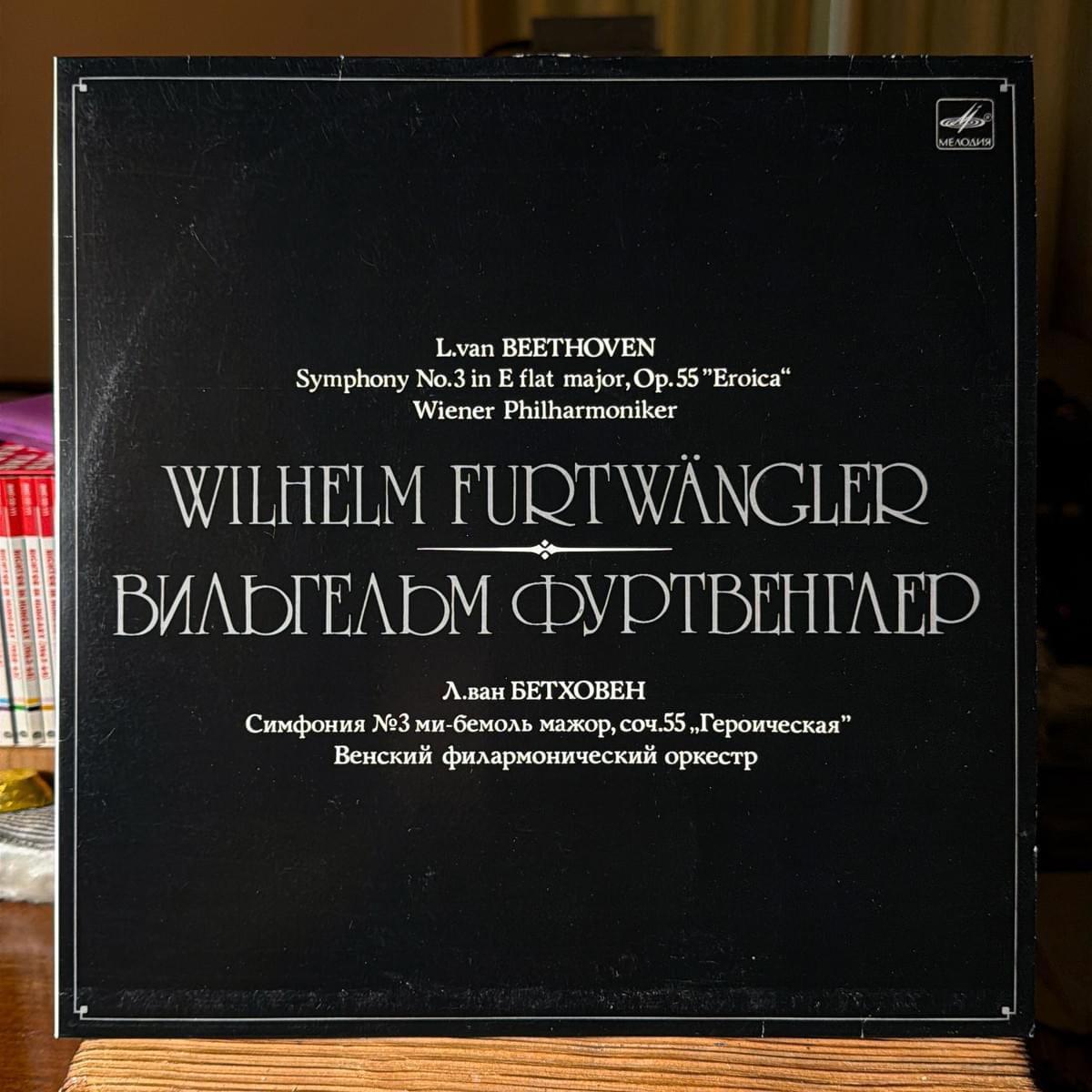
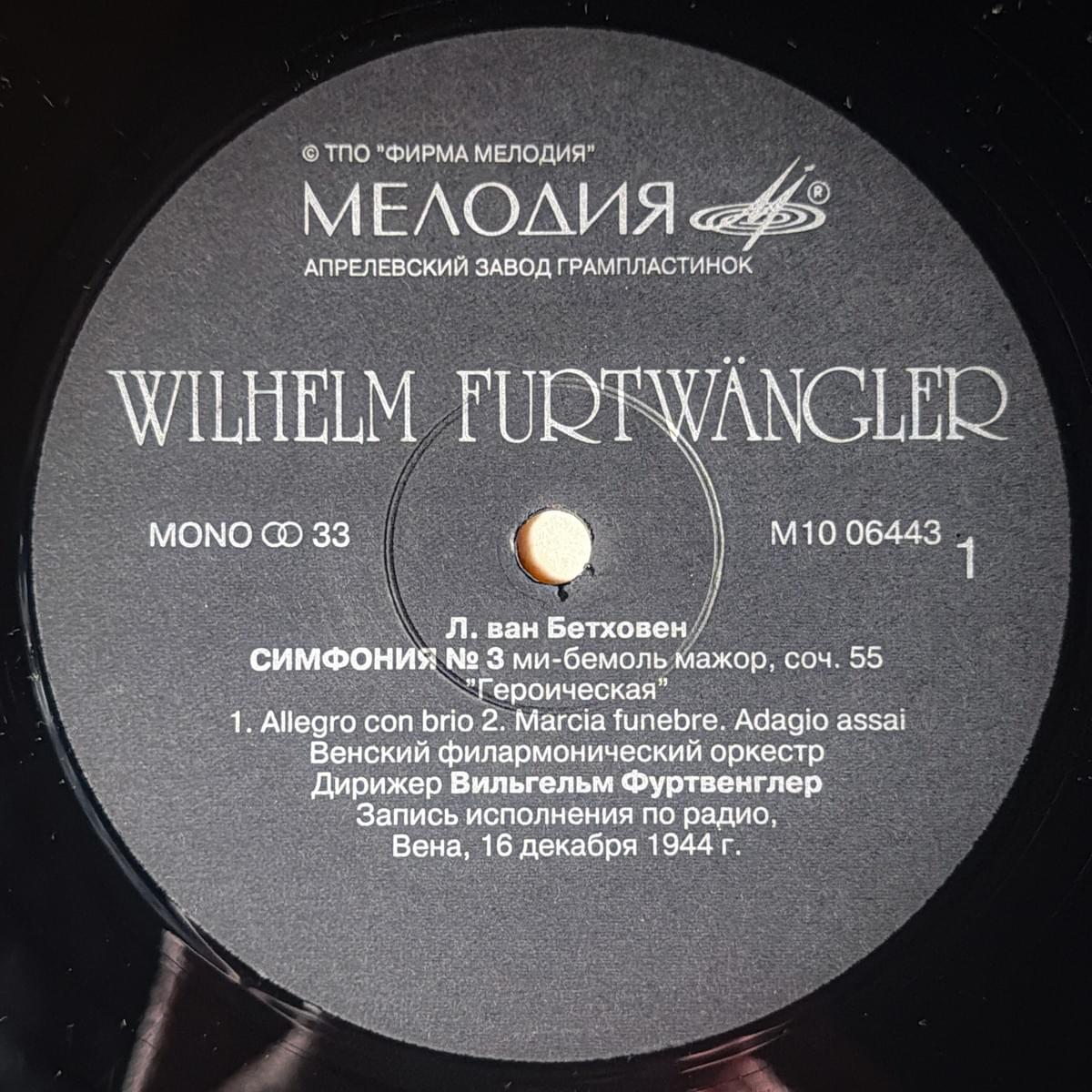
真正的轉機出現在 1990 年代。當時正值蘇聯解體、政權真空的短暫窗口,日本新世界唱片(Shinsekai)出資商請蘇聯國營唱片公司 Melodiya,首次利用保存在莫斯科磁帶庫中的「原始母帶」,限定數量生產了面向日本販售的 LP。
這批版本使用了當時最新的機器進行刻片壓製,比起一般的數位 CD 或是材質欠佳的早期盤,它完整保留了磁帶中極大動態與高頻細節的「厚度」。在考慮到早期版的現實限制與高昂價格後,這批 1990 年的新世界黑膠,是目前最值得信賴與關注的版本,也是通往 1944 年空氣振動的一條珍貴路徑。
當我們透過這個正確的版本聆聽,那種浮躁的火氣消失了。 取而代之的,是一種:如巨石壓胸般的沈重感。
那才是 1944 年真實的重量。
二、阿登戰役——戈培爾的「精神核彈」
好,
現在聲音對了,我們終於可以走進 1944 年的維也納金色大廳。 為什麼我說這份錄音充滿了「詭異」的氣氛?因為它的出生,本身就是一個戰爭時期的政治設計。
把時間撥回 1944年12月16日。 這一天,希特勒在西線發動了二戰最後一次瘋狂的大反攻,史稱**「阿登戰役(突出部之役)」**。納粹集結了殘存的坦克部隊,趁著大霧突襲盟軍。為了達成奇襲,德軍實施了嚴格的「無線電靜默」。前線殺得血流成河,但在後方的維也納,一切靜得可怕。
納粹文化宣傳部長戈培爾 (Paul Goebbels, 1897-1945),需要一個「聲音」。他需要一個配合前線捷報、用來振奮德國軍民士氣的**「精神核彈」**。
而福特萬格勒與維也納愛樂,就這樣被推上了歷史的舞台**。根據維也納愛樂樂團歷史檔案(Wiener Philharmoniker Historic Archives) 的紀錄,這三天的行程,不僅僅是演出,更是一套嚴密的「精神武器製造工程」:
1. 公開的「掩護」:12月16日與17日的音樂會
根據檔案記載,福特萬格勒在 12月16日(週六) 和 12月17日(週日),在金色大廳指揮了維也納愛樂的正規「尼可萊音樂會」(Nicolai Concerts)。曲目正是貝多芬《第三號交響曲:英雄》。
這是一個令人毛骨悚然的巧合(或者說是必然): 12月16日,當福特萬格勒在金色大廳揮下《英雄》的第一個和弦時,數百公里外的阿登森林,德軍坦克部隊剛好就在同一天發動了突襲。
對於台下的維也納觀眾來說,這是週末的慰藉;但對於知情的納粹高層來說,這場音樂會本身就是一種「粉飾太平」。當前線在流血,首都卻在聽英雄,福特萬格勒在台上揮出的每一個憤怒的重音,對觀眾來說是藝術,但對戈培爾來說,那就是戰爭的號角。
2. 秘密的「任務」:12月19日的無觀眾錄音
真正的重點來了。在週末的兩場公開音樂會結束後,樂團並沒有解散。 福特萬格勒被留了下來,在 12月19日(週二) 進行了那場著名的 Magnetophon 磁帶錄音。
這場 12 月 19 日的錄音是**「無觀眾」**的(註1)。 為什麼要多錄這一次?如果只是要存檔,轉播週末的實況就好了。特地在週二把樂團召回,進行「無觀眾」的錄音室作業,目的只有一個:戈培爾需要一個「完美的、沒有雜訊的、動態更強大的」宣傳武器。
週末的演出可能有觀眾咳嗽、可能有警報干擾,但 12 月 19 日的這份錄音,是在完全受控的環境下,為了「廣播轟炸」而提煉出來的純度最高的精神毒品。
3. 三階段的「提煉工程」:為什麼這版錄音這麼強?
有了這個時間軸,我們終於看懂為什麼這張唱片的能量會如此巨大。這不是巧合,這是一套將《英雄》這把劍進行**「鍛造、淬火、開封」**的三階段過程:
12月16日(週六)【鍛造】: 這是第一場公開演出,也是戰役開打日。福特萬格勒與樂團是在「釋放」最原始的恐懼與憤怒。透過現場觀眾的氣氛反饋,讓樂團的腎上腺素飆升到頂點。
12月17日(週日)【淬火】: 第二場公開演出。有了前一天的經驗,大師調整了速度的結構,團員修正了配合上的失誤。這是在為最後的錄音做「穩定性」的確認。
12月19日(週二)【開封】: 這就是我們現在聽到的這張唱片。經過兩天實戰,樂團已經完全進入了那個「瘋狂的狀態」,不需要暖機;加上沒有觀眾干擾,錄音師可以追求動態的最大化。
所以,這張 Melodiya 唱片,它不僅是音樂會的紀錄,它更像是一份**「經過提煉的戰時宣傳品」**。它保有「現場的熱度」,卻同時具備「錄音室的完美」。
福特萬格勒在 19 日那天的指揮,肯定比 16、17 日的現場更「極端」,因為那是為了麥克風、為了廣播、為了前線而揮的。他不是為了取悅現場觀眾,他是為了透過巨大的廣播喇叭,去震懾整個崩潰中的帝國。
(註1) 文獻出處: 1. Wiener Philharmoniker Historic Archives, Concert Logs (December 1944). 2. "Furtwängler Concert Listing 1906-1954" by René Trémine. 依據檔案紀錄,福特萬格勒於12月16-17日進行實況演出,隨後於12月19日進行無觀眾的磁帶錄音(Magnetophon Recording)。
三、超越時代的黑科技——捕捉恐懼的細節
你可能會好奇:為什麼 1944 年的單聲道錄音(Mono),聽起來竟然比很多 50 年代甚至 80 年代的錄音還要震撼?
這要歸功於當時納粹德國的軍事機密「黑科技」。
這場錄音不是隨便派一個公務員來錄的,而是由福特萬格勒最信任的御用錄音師——弗里德里希·施納普(Friedrich Schnapp,1900-1983) 親自操刀。施納普從 1939 年開始就專門負責處理大師的廣播錄音事宜,他非常了解福特萬格勒那種「突如其來的極弱」和「爆炸性的極強」。
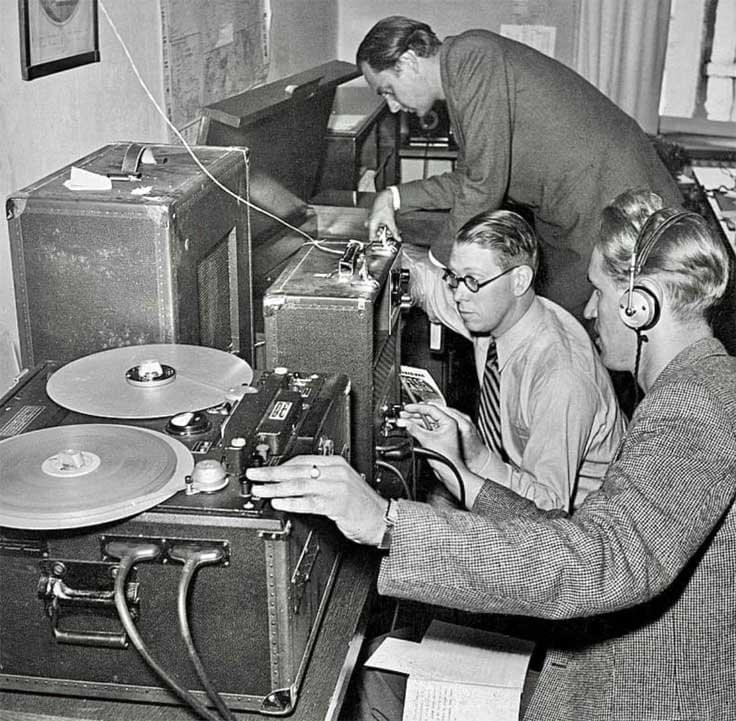
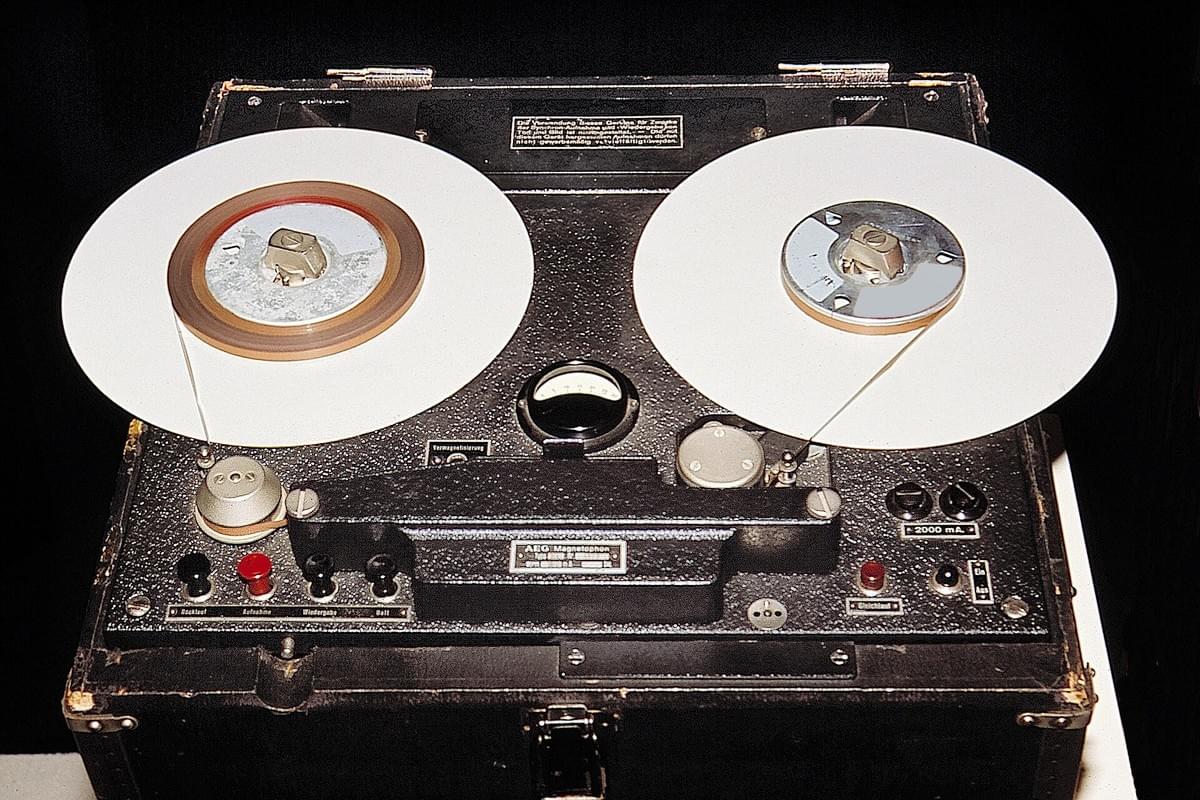
在 12 月 19 日這場配合「阿登戰役」的特殊任務中,施納普手上握有當時盟軍連看都沒看過的秘密武器:AEG Magnetophon K4 磁帶錄音機,搭配 IG Farben Type L 磁帶。
1. 每秒 77 公分的極致密度
現代的盤帶錄音通常使用 38 cm/s 的帶速,但在 1944 年,德國人使用的是 77 cm/s。 這意味著,它足足快了兩倍。這不僅僅是速度的差異,這是資訊密度的降維打擊。加上當時剛研發出來的 AC Bias(高頻偏壓技術),讓錄音頻寬瞬間跳升到 10kHz 以上,消除了傳統錄音的背景嘶聲,讓高頻有了前所未有的光澤。
2. 聽覺之眼:傳奇麥克風 Neumann CMV 3 "The Bottle"
如果不了解這隻麥克風,你就無法理解為什麼 1944 年那份錄音能抓到那麼濃烈的「空氣感」。
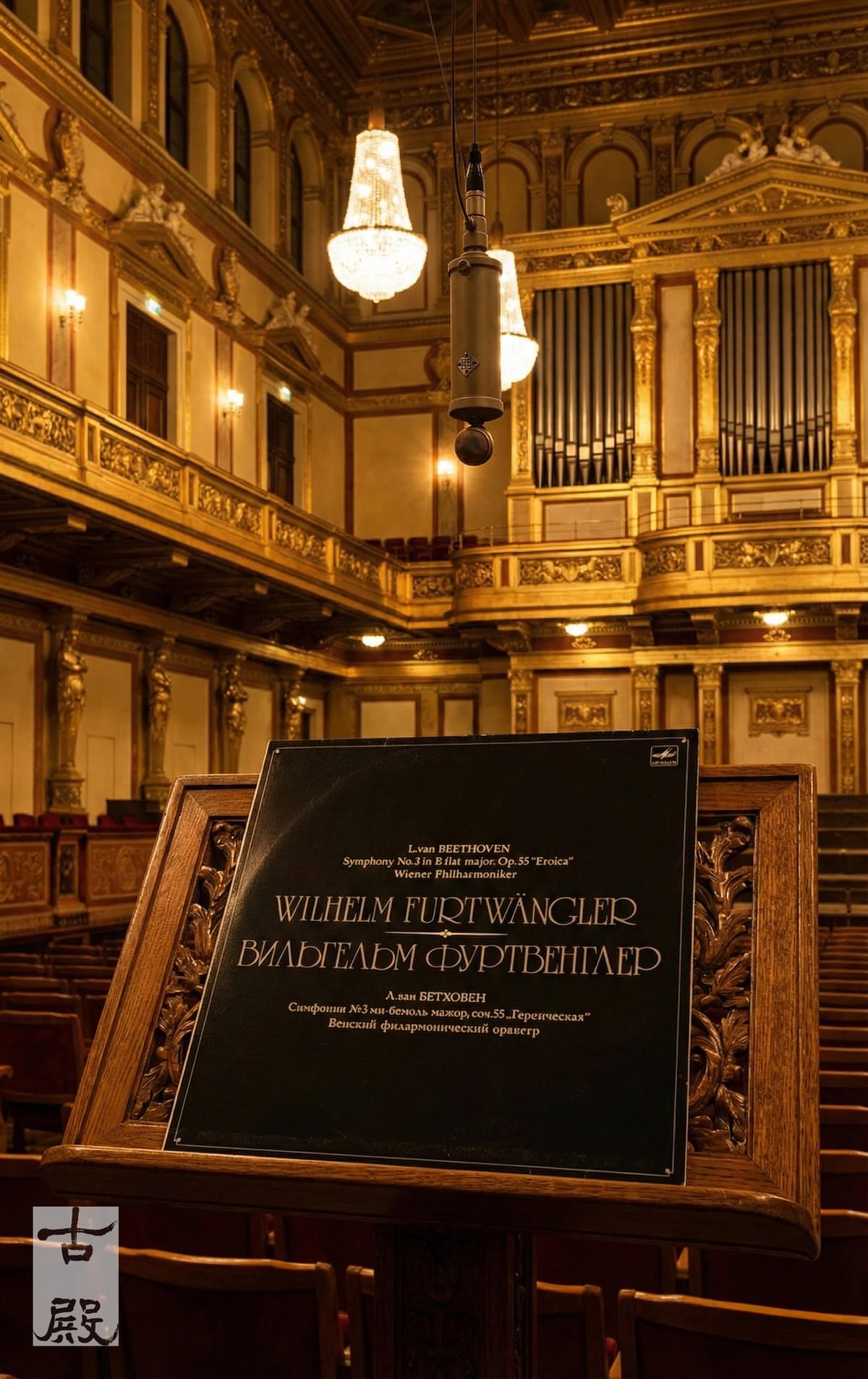
在當時維也納金色大廳的指揮台後上方,高高懸掛著一隻造型奇特的麥克風——Neumann CMV 3。它的外觀像一個倒置的化學藥劑瓶,因此獲得了 "The Bottle"(德語:Die Flasche) 的稱號。它不是單純的收音設備,它是納粹德國廣播帝國(RRG)的「聽覺之眼」。
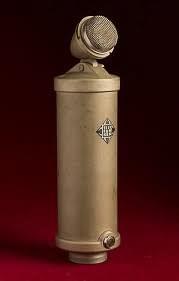
這隻麥克風有三個關鍵的靈魂:
M7 圓球音頭的「肉感」: 它的核心是一顆代號 M7 的音頭。不同於現代麥克風喜歡用 Mylar(聚酯薄膜)鍍金,M7 的振膜是使用 PVC(聚氯乙烯) 澆鑄並鍍金。這種材質有一種獨特的「中頻黏滯感」。它錄出來的人聲和弦樂,不只是「清楚」,而是有一種**「肉感」**。這就是為什麼 1944 年錄音裡的大提琴,聽起來像是有體溫的生物,而不只是琴弦的震動。
真空管的「溫暖」: 它的殻子裡裝著一支巨大的 Telefunken RE084k 真空管,工作電壓高達 100V。這給了它極大的動態承載力。當福特萬格勒指揮下的銅管齊鳴時,聲音在大音量時會變得更厚實、更溫暖,而不是刺耳。這解釋了為什麼1944年《英雄》的高潮段落聽起來如此壯麗,像是一堵金色的音牆壓過來。
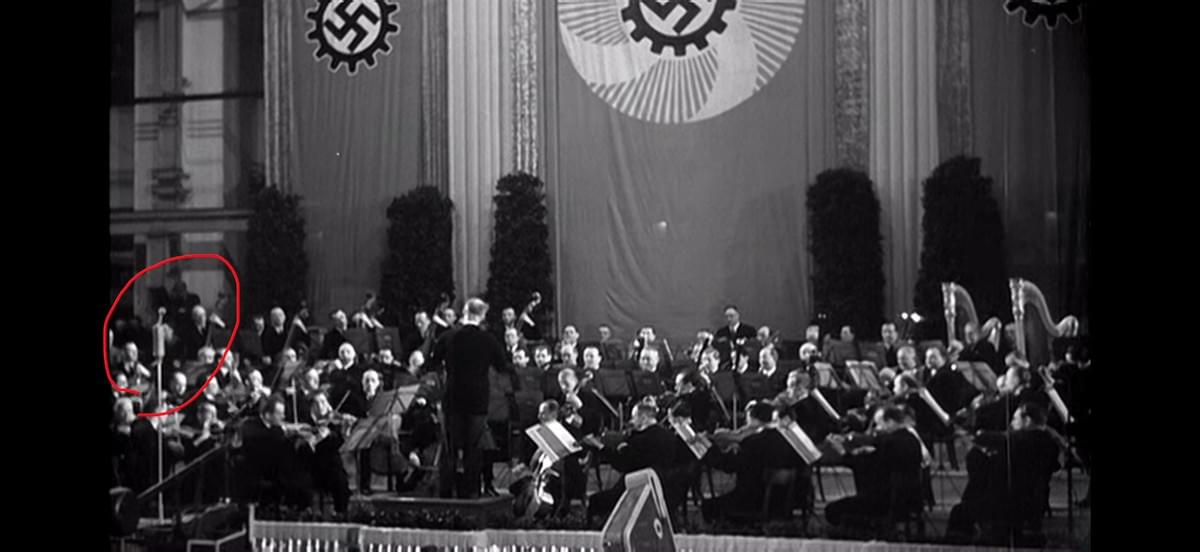
「單點錄音」的哲學: 施納普是「單點錄音」的信徒。他通常把這隻 Neumann CMV 3 懸掛在能夠**「俯瞰」空間的甜蜜點,或以立架的方式擺在甜蜜點,他錄到的不是個別的樂器,而是「空間」本身**。它同時收錄了樂團的直達聲,以及維也納金色大廳那著名的「黃金殘響」。
3. 歷史的雙面刃
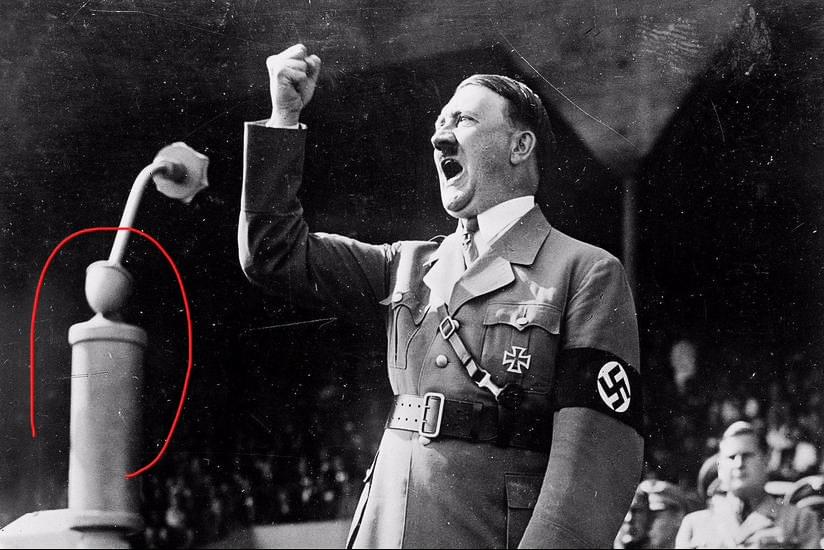
關於這隻麥克風的故事:它是元首與大師共用的工具。 戈培爾之所以大力推廣 CMV 3,是因為發現它能完美傳遞希特勒演講時那種歇斯底里的氣音與煽動性。它是為了政治宣傳而生的利器。
但在 1944 年 12 月,當福特萬格勒站在金色大廳指揮《英雄》時,他頭頂上懸掛的,正是這款**「曾經服務於獨裁者,現在服務於貝多芬」**的麥克風。
這是一個極具張力的畫面。同一個技術,可以傳播仇恨,也可以保存人類精神的最高傑作。
施納普很清楚這場錄音的任務。為了配合戰爭宣傳,他把動態範圍拉到了極限。所以,當我們播放這張唱片時,你聽到的那個銅管的咆哮、那個定音鼓的重擊,其實是**「悲壯的高傳真版」**。
那種聲音的質地,粗糙、生猛、甚至帶著一點失真的撕裂感,那是現代數位錄音修得太乾淨後,永遠無法複製的「痛覺」。
四、「身不由己」的戰爭氛圍與「有機的抵抗」
技術再好,終究只是載體。真正讓這張磁帶變成傳奇的,是:「人」。
我們常爭論,福特萬格勒留下來,到底是為了支持納粹,還是為了守護德國藝術?其實,在 1944 年 12 月的那間錄音室裡,這些標籤都不重要了。詮釋歷史錄音最動人的地方,在於我們相信一句話:「人沒有辦法脫離時代而活」。
這張唱片之所以無可取代,是因為它封印了一種**「無法複製的高壓生理狀態」**。
1. 指揮台上的「避雷針」
福特萬格勒留下來,是為了守護音樂的自由意志,但他不是神,他是人。 當整個維也納都在顫抖時,他在指揮台上就像一根**「避雷針」**。
他必須把空氣中那些無處宣洩的巨大張力、恐慌、悲憤,全部吸收進身體裡,然後轉化成音樂釋放出來。所以,為什麼這版《英雄》的速度這麼極端?快的時候像瘋了一樣,慢的時候又像瀕死一樣?
因為外面的世界就是失控的。他的指揮棒不是在打拍子,而是在畫那個失控時代的氛圍。
2. 樂團團員的「身不由己」
這一點常常被後世忽略,但卻是這張唱片聽感如此「悲壯」的主因。
1944 年底,納粹已經窮途末路,正在徵召最後的「國民突擊隊(Volkssturm)」,連老人和小孩都可能要被送上戰場。坐在金色大廳裡的團員,很多人心裡可能都在擔心:「這會不會是我最後一次拉琴?明天我會不會就被抓去拿槍?」
當一群人都抱著**「這可能是最後一次」**的心情在演奏時,那種聲音的密度與咬合力,是和平時代那些領固定薪水的公務員樂團——即便技術再好——永遠做不出來的。
那是求生本能發出的聲音。
3. 「戰時錄音」的真正定義
這份錄音之所以珍貴,不只是因為它紀錄了音符,而是因為它**「封印了 1944 年的空氣」**。
那是一種高壓的、隨時會斷裂的、充滿硫磺味的空氣。 這不是任何現代 Hi-Fi 技術能模擬的,這是歷史的一次性化學反應。當你在唱片中聽到那些微小的雜訊或極限的爆棚時,你聽到的其實是那個時代的**「氛圍(Atmosphere)」**。即便大師的意志力再強,空氣中的恐懼、焦慮與死亡的味道,依然滲透進了皮膚,滲透進了指揮棒,最後滲透進了那張磁帶裡。
4. 「有機體」的偉大背叛
最後,我們要談談大師的哲學。福特萬格勒在他的著作《談音樂》(Gespräche über Musik)裡,反覆強調過一個核心概念:「有機體(The Organic)」。
他認為音樂是有生命的,必須像植物一樣呼吸,絕對不能像機器一樣死板。 而 1944 年的德國,正是一個最**「機械化」**的時代。軍隊整齊劃一的步伐、獨裁者不容質疑的命令、殺人機器的運轉……這一切都是反人性的機械邏輯。
在這場錄音裡,福特萬格勒做到了極致的「反機械」。 你聽第一樂章,那個速度的變化是多麼劇烈!他在張力最強的時候突然加速,像是在逃命;在送葬進行曲裡,他又慢到幾乎讓時間停止,像是在凝視死亡。他拒絕用節拍器來規範音樂,他用這種**「不穩定的呼吸」**,來對抗納粹那種冰冷的秩序。
但他並沒有失控。這就要提到他另一個絕學:「遠聽(Fernhören)」。 雖然整個世界都在崩塌,雖然樂團處於極度恐慌中,但你聽這首曲子的結構——它竟然沒有散掉。福特萬格勒用他強大的意志力,把這些恐懼的碎片抓在一起,築成了一座堡壘。
他在納粹的場子裡,用貝多芬這把劍,守護了最後一塊不被政治污染的淨土。 如果說戈培爾想用這音樂當作「興奮劑」(為了贏),那福特萬格勒給出的其實是「鎮魂曲」(為了人)。而這些都同時存在於同一份錄音中。
【殿主聆聽指引】
這篇文章讀到這裡,我相信你已經準備好去面對這份錄音了。在按下播放鍵之前,殿主最後給你兩個建議:
建議版本: 請鎖定 1990 年由日本新世界(Shinsekai)策劃、蘇聯 Melodiya 生產的限量黑膠版本(黑銀標)。這是目前公認音質最接近母帶、動態保留最完整、且價格相對「稍微」可觸及的選擇。 早期蘇聯版(大無頭字體或火炬標)雖然珍貴,但價格已是天價且片況難尋。 最重要的是:請避開那錯誤 Urania 版。 除非你想聽聽看那個連福特萬格勒都不承認的「轉速錯誤」,不要把那種錯誤的亢奮當作大師的本意。
關鍵時刻: 請直接聆聽 第二樂章「送葬進行曲」的中段賦格。 請閉上眼睛,想像 1944 年 12 月維也納寒冷的冬天,窗外可能有防空警報,遠方有隆隆的砲聲。在那個當下,這不只是貝多芬的音樂,那是整個文明在為自己送葬的聲音。
實體音樂:
******
Furtwängler’s 1944 Beethoven Symphony No. 3 "Eroica": The Most Tragic Atmosphere of WWII and Its Hidden "Secret"
If you dive into the historical archives, you will find that the great conductor Wilhelm Furtwängler stood on the podium to lead Beethoven’s Symphony No. 3, Eroica, a total of 88 times throughout his life. Among these countless performances, roughly 11 complete recordings have been lucky enough to be preserved and verified.
If you had to pick the "best" one among these 11—the one that carries the true weight of a life—most Furtwängler experts and critics would tell you without a second thought: It is 1944.
It isn't necessarily the "most perfect" (the 1952 EMI studio version is structurally more complete and rational), nor is it the "most pleasant" (the 1952 Berlin Philharmonic live recording offers perhaps a more agreeable sound quality). Yet, in the realm of historical evaluation and critical consensus, the 1944 recording stands as the "greatest" and "most irreplaceable" existence.
Why?
Let’s look at its true weight on the coordinates of history:
First, in the bible of Furtwängler studies, The Furtwängler Record, author John Ardoin gave this recording supreme praise. He believed that while the Maestro’s other versions were "performing" the life of a hero, this 1944 version alone was "burning" the hero’s life. If Furtwängler's career were a mountain range, this recording is the "erupting volcano." It is the most frantic, the closest to the Dionysian spirit, and the nearest explosion to Beethoven’s primal impulse, revealing a "destructive power."
Second, in the hearts of music lovers, Furtwängler’s Eroica is always a "duel of two giants." On one side is the 1952 EMI version, the recognized "Apollonian" model—grand, broad, rational, like a perfect sculpture suited for worshiping the Maestro’s architectural ability. On the other side is the 1944 wartime recording we are discussing today. It is the recognized "extreme value." Its tempo changes are the most drastic, and the tension is so powerful it feels as if the strings are about to snap. There is a saying in critical circles: "To hear standard Beethoven, go to 1952; but to hear Furtwängler’s soul, you must listen to 1944."
Finally, in the East, particularly among Japanese critics (such as Ukō Kōhō), this record is revered above all others. In their aesthetic of "Qi" (spirit) and "Dao" (the way), this recording is filled with a rare "murderous intensity" (殺氣). This isn't negative; it is a desolate beauty blooming on the eve of destruction. By comparison, other versions are simply too "peaceful." This atmosphere of "Ichigo Ichie" (one time, one meeting)—the urgent sense that the world might end in the next second—makes it stand head and shoulders above all others.
So, please set aside your expectations for "beautiful music" for a moment. We are not entering a concert hall; we are entering Vienna in December 1944. We are going to listen to a conductor swept up in a mad era, and see how he used music to stage the most tragic resistance.
And this whole story must start with a "wrong" record—the legendary "Urania."
I. An Expensive "Drug" — Starting with the Urania Error
Before we talk history, I need to help you "detox."
If you search for this recording online or browse used record shops, a shop owner might mysteriously pull out a record with a red label and tell you: "This is the legendary 'Urania' version. It costs a fortune, and the price is only going up!"
Many people listen to that version and think, "Wow! So exciting!" The sound is bright and sharp, the tempo is fast like a racing car, and it leaves you with an adrenaline rush, thinking this is the Maestro’s "god-like performance."
But I must be honest with you: That is an auditory drug. It is wrong.
Here is the story. The original master tape of this recording was war booty, seized by the Soviet army from the Nazi German broadcasting building when they stormed Berlin. Later, a copy from the East German radio station made its way to the United States. In 1953, a company called Urania released it. But they made a fatal technical error—they got the tape speed wrong.
The German Third Reich Broadcasting (RRG) used world-leading military-grade tape recorders. Their standard tape speed differed from the American machines produced after the war. When you play a faster German tape on a slower American machine, the result is: the sound speeds up, and the pitch goes sharp (High Pitch).
Thus, the Eroica, originally in E-flat major, turned into E major or even F major. The original steady, heavy sense of tragedy turned into hysterical screaming. When Furtwängler heard this record, he was furious. He even filed a lawsuit, declaring: "This is not my conducting! I do not acknowledge it!"
Why do people still chase that flawed version? Because humans are sensory animals. The faster, sharper sound tricks the brain into thinking "higher resolution" and "more excitement."
While early vinyl released within the Soviet Union had the correct sound (since they used the original Nazi German equipment and tapes), those early pressings are rare and astronomically expensive—a myth unreachable for the average collector.
The real turning point came in the 1990s. During the brief window of the Soviet collapse, the Japanese label Shinsekaifunded the Soviet state record company, Melodiya, to produce a limited run of LPs using the "original master tapes"stored in the Moscow archives for the first time.
This batch used the latest cutting machines of the time. Compared to standard digital CDs or poor-quality early pressings, it preserved the "thickness," massive dynamics, and high-frequency details of the magnetic tape. Considering the limitations and prices of early editions, these 1990 Shinsekai vinyls are the most trustworthy path to the vibrating air of 1944.
When we listen through this correct version, that restless aggression vanishes. It is replaced by a heaviness, like a giant stone pressing on your chest.
That is the true weight of 1944.
II. The Battle of the Bulge — Goebbels' "Spiritual Nuclear Bomb"
Okay, now that the sound is correct, we can finally walk into the Vienna Musikverein in 1944. Why do I say this recording is filled with an "eerie" atmosphere? Because its very birth was a political design of wartime.
Let’s dial the clock back to December 16, 1944. On this day, Hitler launched the last insane counteroffensive of WWII on the Western Front, known as the "Battle of the Bulge." The Nazis gathered their remaining tank divisions, using heavy fog to ambush the Allies. To achieve surprise, the German army enforced strict "radio silence." The front lines were a river of blood, but in the rear, in Vienna, everything was terrifyingly quiet.
Nazi Propaganda Minister Joseph Goebbels needed a "voice." He needed a "spiritual nuclear bomb" to accompany reports of victory from the front and boost the morale of the German military and civilians.
Furtwängler and the Vienna Philharmonic were pushed onto the stage of history. According to the Wiener Philharmoniker Historic Archives, the itinerary for these three days was not just a performance; it was a tightly engineered "spiritual weapon manufacturing process":
1. The Public "Cover": Concerts on December 16 & 17 Archives show that Furtwängler conducted the Vienna Philharmonic’s regular "Nicolai Concerts" on Saturday, Dec 16, and Sunday, Dec 17. The piece was Beethoven’s Eroica. This is a chilling coincidence (or inevitability): On December 16, as Furtwängler struck the first chord of Eroica in the Golden Hall, hundreds of kilometers away in the Ardennes forest, German tanks launched their assault on the very same day. For the Viennese audience, it was weekend solace; but for the Nazi high command, this concert was "whitewashing peace." While the front bled, the capital listened to heroes. Every angry accent Furtwängler threw from the podium was art to the audience, but to Goebbels, it was a war horn.
2. The Secret "Mission": The Audience-Free Recording on December 19 Here is the real point. After the two public concerts, the orchestra was not dismissed. Furtwängler was kept behind to perform that famous Magnetophon tape recording on Tuesday, December 19. This session was "without an audience." Why record it again? If it were just for archives, broadcasting the weekend live performance would have sufficed. Calling the orchestra back specifically on a Tuesday for a studio session had one purpose: Goebbels needed a "perfect, noise-free, dynamically more powerful" propaganda weapon. The weekend shows might have had coughing or air raid sirens. But the December 19 recording was strictly controlled—a high-purity spiritual drug refined for "radio bombardment."
3. The Three-Stage "Refining Process": Why is this version so strong? With this timeline, we understand why the energy of this record is so immense. It wasn't an accident; it was a three-stage process of "Forging, Quenching, and Unsheathing" the sword that is Eroica:
Dec 16 (Sat) [Forging]: The first public show, the day the battle began. Furtwängler and the orchestra were "releasing" primal fear and anger. The audience's feedback pushed the adrenaline to its peak.
Dec 17 (Sun) [Quenching]: The second show. With the previous day’s experience, the Maestro adjusted the tempo structure, and the musicians fixed coordination errors. This was confirming "stability" for the final recording.
Dec 19 (Tue) [Unsheathing]: This is the record we hear today. After two days of combat, the orchestra had fully entered a "manic state" requiring no warm-up. Without audience interference, the engineer could pursue maximum dynamics.
Therefore, this Melodiya record is not just a concert document; it is a "refined wartime propaganda product." It retains the "heat of a live performance" while possessing the "perfection of the studio."
Furtwängler’s conducting on the 19th was surely more "extreme" than the live shows, because he was conducting for the microphone, for the radio, for the front lines. He wasn't trying to please a live audience; he was trying to shock a collapsing empire through massive loudspeakers.
III. Black Tech Beyond Its Time — Capturing the Details of Fear
You might wonder: Why does a 1944 Mono recording sound more shocking than many recordings from the 50s or even 80s?
This is thanks to the "Black Technology" (secret tech) of Nazi Germany.
This recording wasn’t handled by some random civil servant. It was helmed by Furtwängler’s most trusted personal sound engineer—Friedrich Schnapp (1900-1983). Having handled the Maestro’s broadcasts since 1939, Schnapp intimately understood Furtwängler’s "sudden pianissimos" and "explosive fortissimos."
For this special mission on December 19, Schnapp held a secret weapon the Allies hadn't even seen: the AEG Magnetophon K4 tape recorder, paired with IG Farben Type L tape.
1. Extreme Density at 77 cm/s Modern reel-to-reel recording usually uses a tape speed of 38 cm/s. But in 1944, the Germans used 77 cm/s. This means it was twice as fast. This isn't just a speed difference; it’s a dimensional leap in information density. Coupled with the newly developed AC Bias technology, the recording bandwidth jumped to over 10kHz, eliminating background hiss and giving the high frequencies an unprecedented sheen.
2. The Auditory Eye: The Legendary Neumann CMV 3 "The Bottle" You cannot understand the "airiness" of the 1944 recording without understanding this microphone. Hanging high behind the conductor’s podium was a peculiar-looking microphone—the Neumann CMV 3. Looking like an inverted chemical flask, it earned the nickname "The Bottle" (Die Flasche). It wasn't just equipment; it was the "Auditory Eye" of the Reich's broadcasting empire. It had three key souls:
The "Fleshiness" of the M7 Capsule: Unlike modern mics that use gold-plated Mylar, the M7 diaphragm was cast from PVC and gold-plated. This material has a unique "mid-range viscosity." The vocals and strings it records aren't just "clear"; they have a "fleshy texture." This is why the cellos in the 1944 recording sound like living creatures with body heat, not just vibrating strings.
The "Warmth" of the Tube: Inside its shell was a massive Telefunken RE084k vacuum tube running at 100V. This gave it immense dynamic headroom. When the brass section roared under Furtwängler, the sound became thicker and warmer at high volumes, never harsh. This explains why the climax of Eroica sounds so magnificent, like a golden wall of sound crashing down.
The Philosophy of "Single Point": Schnapp believed in single-point recording. He placed the mic in the sweet spot to "overlook" the space. He didn't record individual instruments; he recorded the "space" itself. He captured the direct sound of the orchestra and the famous "golden reverb" of the hall simultaneously.
3. The Double-Edged Sword of History The story of this mic is poignant: It was a tool shared by the Führer and the Maestro. Goebbels promoted the CMV 3 because it perfectly transmitted the hysterical breathiness and demagoguery of Hitler’s speeches. It was a tool born for political propaganda. But in December 1944, when Furtwängler stood to conduct Eroica, hanging above his head was this very microphone—"Once serving the dictator, now serving Beethoven." It is a scene of immense tension. The same technology can spread hatred, or it can preserve the highest masterpiece of the human spirit.
Schnapp knew the mission. To match the war propaganda, he pushed the dynamic range to the limit. So, when we play this record, the roar of the brass and the heavy hits of the timpani are actually a "High-Fidelity version of tragedy." That texture—rough, raw, even tearing with slight distortion—is a "sensation of pain" that modern, overly-clean digital recordings can never replicate.
IV. The "Involuntary" War Atmosphere and "Organic Resistance"
Technology is just the carrier. What truly makes this tape legendary is: "The
People."
We often argue: Did Furtwängler stay to support the Nazis, or to protect German art? In that recording studio in December 1944, those labels ceased to matter. The most moving part of interpreting historical recordings lies in our belief that "People cannot live detached from their time."
This record is irreplaceable because it seals within it a "high-pressure physiological state that cannot be replicated."
1. The "Lightning Rod" on the Podium Furtwängler stayed to guard the free will of music, but he was not a god; he was a man. When all of Vienna was trembling, he stood on the podium like a "lightning rod." He had to absorb the massive tension, panic, and grief hanging in the air into his own body, and then release it as music. Why is the tempo of this Eroica so extreme? Why is it maniacally fast one moment and deathly slow the next? Because the world outside was out of control. His baton wasn't keeping time; it was painting the atmosphere of that spiraling era.
2. The Orchestra’s "Involuntary" State This is often overlooked, but it is the main reason this record sounds so "tragic." By late 1944, the Nazis were desperate, conscripting the final "Volkssturm" (People's Storm)—even old men and children were being sent to the front. The musicians sitting in the Golden Hall were likely thinking: "Is this the last time I play the violin? Will I be handed a rifle tomorrow?" When a group of people plays with the mindset of "This might be the last time," the density and bite of that sound is something that peacetime civil servant orchestras—no matter how skilled—can never produce. That is the sound of the survival instinct.
3. The True Definition of "Wartime Recording" This recording is precious not just for the notes, but because it "sealed the air of 1944." It was a high-pressure air, ready to snap, smelling of sulfur. No modern Hi-Fi tech can simulate this; it was a one-time chemical reaction of history. When you hear those tiny noises or the distortion at the limit, you are hearing the "Atmosphere" of that time. Even with the Maestro’s iron will, the fear, anxiety, and scent of death in the air seeped into the skin, into the baton, and finally, into the magnetic tape.
4. The Great Betrayal of the "Organism" Finally, we must touch on the Maestro’s philosophy. In his book Gespräche über Musik (Conversations on Music), Furtwängler repeatedly emphasized a core concept: "The Organic." He believed music is alive; it must breathe like a plant, never rigid like a machine. Yet, 1944 Germany was the era of the "Mechanical." The uniform march of troops, the unquestionable orders of the dictator, the operation of killing machines... everything was anti-human mechanical logic.
In this recording, Furtwängler achieved the ultimate "Anti-Mechanical." Listen to the first movement—the tempo changes are violent! He accelerates suddenly at peak tension, as if fleeing for his life; in the Funeral March, he slows down until time almost stops, as if staring into death. He refused to let a metronome dictate the music. He used this "unstable breathing" to resist the cold order of the Nazis.
But he did not lose control. This brings us to his other secret art: "Fernhören" (Long-distance hearing/structural hearing). Even though the world was collapsing and the orchestra was in panic, listen to the structure of the piece—it does not fall apart. Furtwängler used his immense willpower to grab these fragments of fear and build them into a fortress.
In the Nazi’s own venue, using the sword of Beethoven, he guarded the last piece of pure land unpolluted by politics. If Goebbels wanted this music as a "stimulant" (to win), Furtwängler actually gave a "Requiem" (for the human). And both exist simultaneously in this single recording.
【The Ancient Hall Listening Guide】
If you have read this far, I believe you are ready to face this recording. Before you press play, here are two final suggestions from the Master of the Hall:
Suggested Version: Please lock in on the 1990 Vinyl produced by Melodiya, planned by Shinsekai (Japan)(Black and Silver Label). This is currently recognized as having sound quality closest to the master tape, retaining the most complete dynamics, and being a "somewhat" accessible choice price-wise. The early Soviet pressings (Large "no-head" font or Torch label) are precious but astronomically priced and hard to find in good condition. Most importantly: Avoid the erroneous Urania version. Unless you want to hear the "wrong speed" that even Furtwängler disowned, do not mistake that false excitement for the Maestro’s intent.
** The Key Moment:** Go directly to the middle fugue of the Second Movement, "Funeral March." Close your eyes. Imagine the cold winter of Vienna in December 1944. There might be air raid sirens outside the window, the distant rumble of artillery. In that moment, this is not just Beethoven’s music; it is the sound of an entire civilization conducting a funeral for itself.