
【古殿唱片音樂故事】現代Hi-Fi的起源是納粹?聽見 1942-1943 年兩個廢墟旁的 30ips 超高音質錄音奇蹟
古殿殿主
前言:你聽見的是歷史的呼吸與珍貴特殊巧合
最近我在整理檔案庫時,重新將這兩份相隔僅僅一年的錄音拿出來比對,突然發現了一個過去我完全沒有注意到的、令人起雞皮疙瘩的巧合。
這件事必須先從指揮大師福特萬格勒(Wilhelm Furtwängler,1886-1954)的錄音遺產說起。你知道嗎?福特萬格勒一生完全沒有留下任何布拉姆斯《第一號鋼琴協奏曲》的錄音。而這首龐大的《第二號鋼琴協奏曲》,他一生也僅僅只留下了兩次錄音紀錄。
而這「唯二」的兩次,不僅剛好都發生在第二次世界大戰時期(所謂「戰爭時期」),而且全都是「現場直接全曲錄音」。(這也是福特萬格勒留下的「戰爭時期」錄音中唯二的同曲錄音)
當我把這兩份檔案並列時,那個特殊的歷史巧合才真正浮現出來:
請看看這兩份錄音的條件:
- 相同的指揮: 福特萬格勒
- 相同的樂團: 柏林愛樂(BPO)
- 相同的地點: 那個傳奇的、後來被炸毀的舊柏林愛樂廳
- 相同的獨奏樂手: 連第三樂章極為重要的大提琴首席,都是同一位(Tibor de Machula)
- 相同的技術: 都是使用納粹時期的軍事磁帶錄音
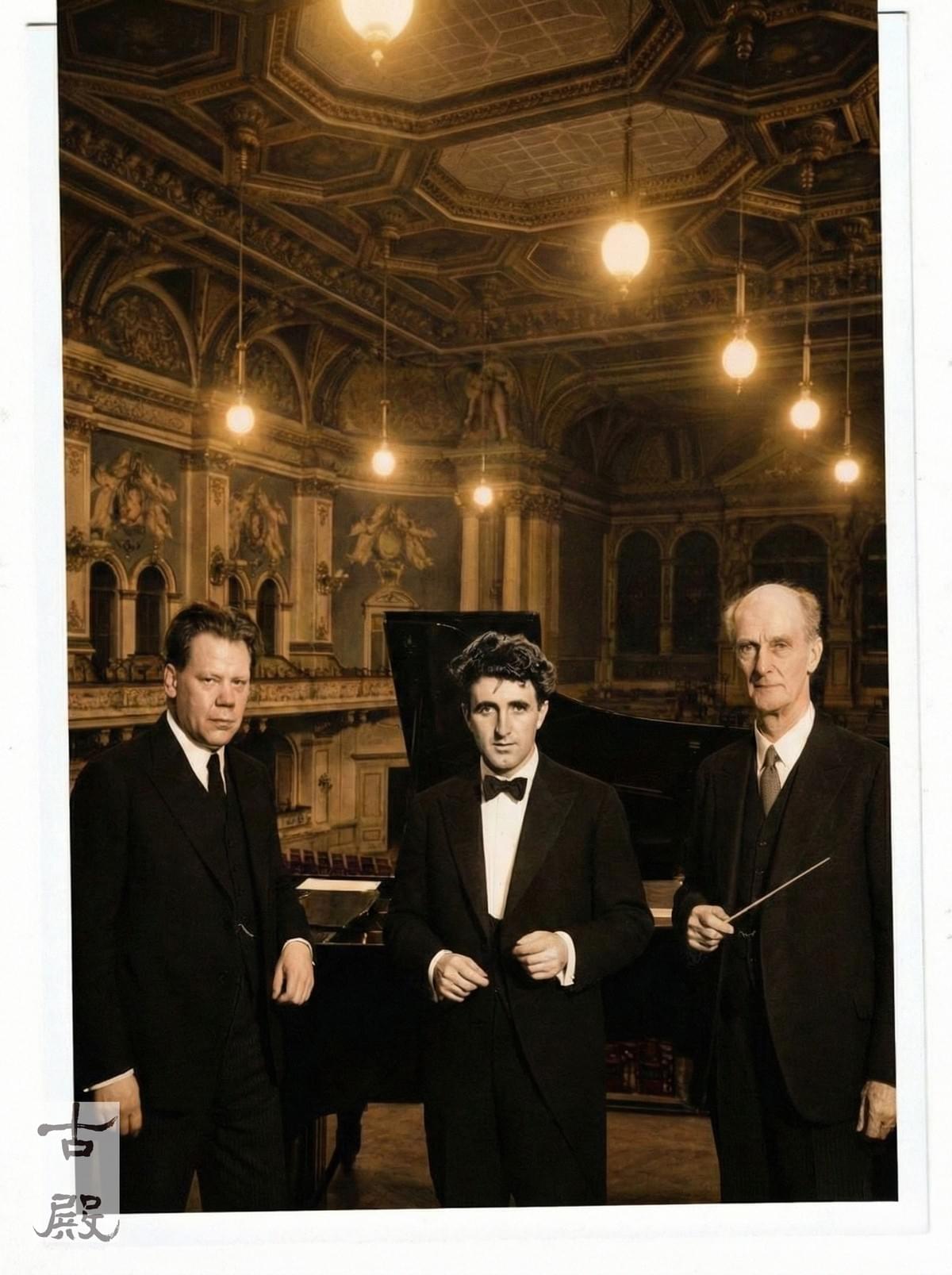
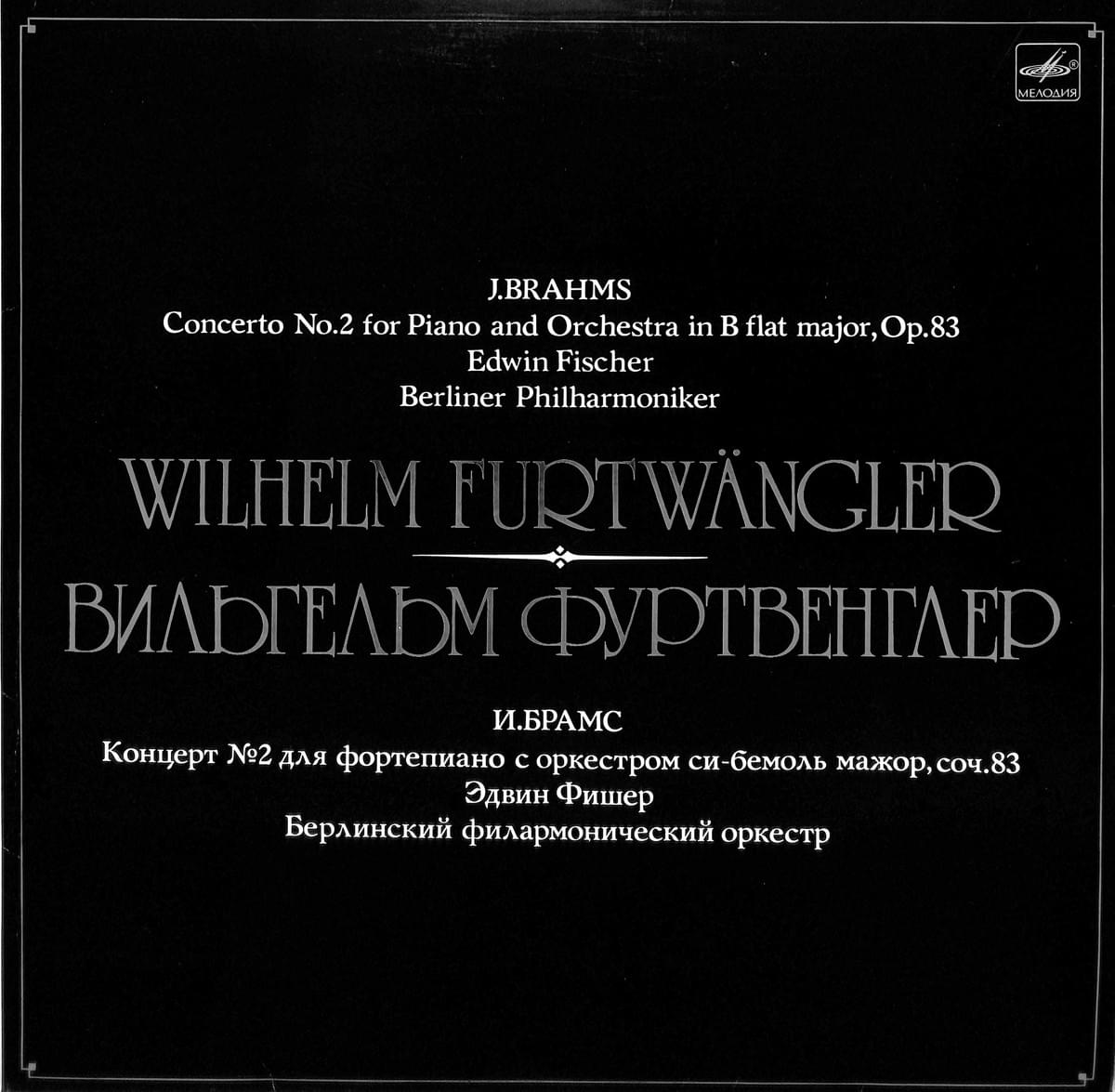
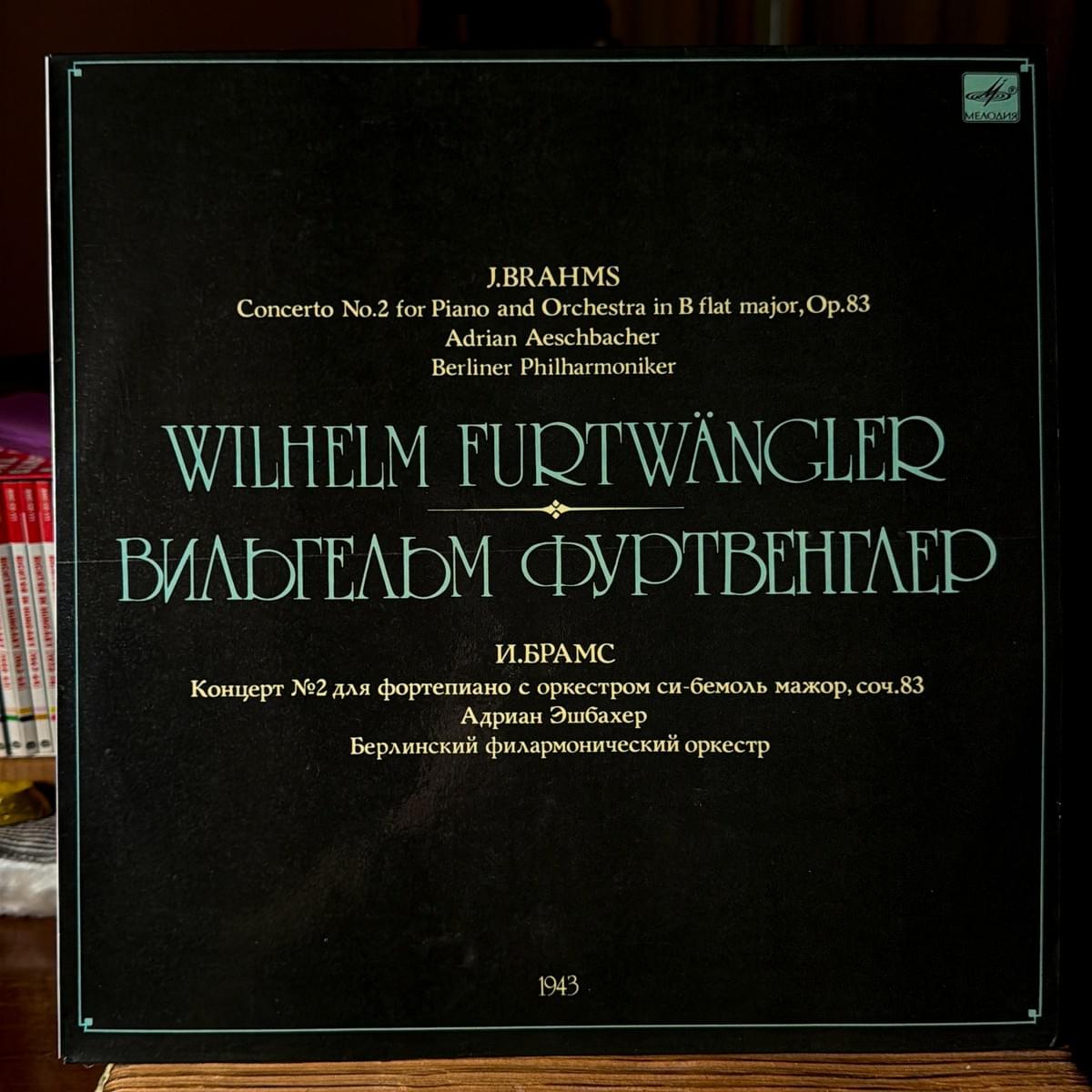
唯一的差別,只有兩個變數: 一份錄在 1942 年,鋼琴家是與大師心靈相通的 愛德恩・費雪(Edwin Fischer,1886-1960); 另一份錄在 1943 年,鋼琴家是許納貝爾的弟子 艾施巴赫(Adrian Aeschbacher,1912-2002)。
時間剛好相隔一年左右,地點一樣,人物卻換了。這簡直像是命運刻意安排的一場試煉。
通常,很多資深樂評或是唱片指南會告訴你:「聽 1942 年的費雪就好,那是神品。至於 1943 年那版?鋼琴家名氣不夠,跟指揮也不搭,是被壓著打的。」然後往往得出的結論就是:艾施巴赫比費雪差很多。
但這幾天我反覆聆聽,我覺得我們不能、也不該這樣比較。
因為這兩份現場錄音,剛好是福特萬格勒一生中「唯二」留下的布拉姆斯第二號,它們各自佔據了歷史的一角。它們不該是優劣的競賽,而應該視為兩份截然不同的珍貴歷史紀錄。
一、現代 Hi-Fi 的起源,竟然是納粹的「黑科技」
在進入音樂之前,我要先告訴你一個有點驚悚的技術史實:我們現在發燒友追求的「Hi-Fi」(高傳真),其實是納粹(Nazi)留下來的遺產。
1. 用聲音「統治」你的生理
納粹的統治技術不僅僅是視覺上的紅旗與制服,他們更深入到了「聽覺」。
他們很早就發現,「聲音」直接關係到人的生理狀態與情緒運作。如果能控制並駕馭「聲音」,就能進行更極致的統治與洗腦。為了讓元首的演講透過廣播聽起來像真人在你耳邊說話,納粹投入了大量資源開發錄音技術。
早在 1928 年,德國的法蘭茲·波弗勞姆(Fritz Pfleumer)就發明了第一台磁帶錄音機,隨後這項技術轉移給了 AEG 與 Telefunken 公司。當盟軍還在用充滿雜訊的蠟盤或鋼絲錄音時,1940 年代的德國廣播公司(RRG)已經在使用一種怪獸級的規格錄音——這正是現代錄音工業的源頭。
2. RRG 與被封存的恐怖數據:30ips
這裡必須提到一個讓現代發燒友都會起雞皮疙瘩的數據:30ips(Inches Per Second,每秒 30 英吋)。
這項當時被列為納粹最高軍事機密的技術,主要由旗下的「第三帝國廣播公司」(RRG)使用。為了讓大家理解這是什麼概念:後來一般的家用盤帶機速度通常是 3.75ips 或 7.5ips,標準專業錄音室通常用 15ips。但納粹在二戰時期,直接用到了 30ips!
為什麼要跑這麼快?因為磁帶跑得越快,單位時間內能記錄的磁粉密度就越高。這意味著**「解析度」的極致提升。 30ips 的速度,帶來了驚人的高頻延伸和巨大的動態範圍,而且大幅降低了底噪(Tape Hiss)。這基本上就是後來唱片工業「母帶(Master Tape)」**的最高解析、最高音質、最高物理標準。
這就是為什麼這兩份 80 年前的「古早」錄音,聽起來可能比 1950 年代的許多單聲道錄音還要鮮活、還要暴力。因為它們就是用這種當時這種軍事機密等級的設備錄下來的。你可以想像嗎?1943 年這台機器運轉的速度與規格,即便拿到今天,依然可比擬類比錄音的最高解析度等級。
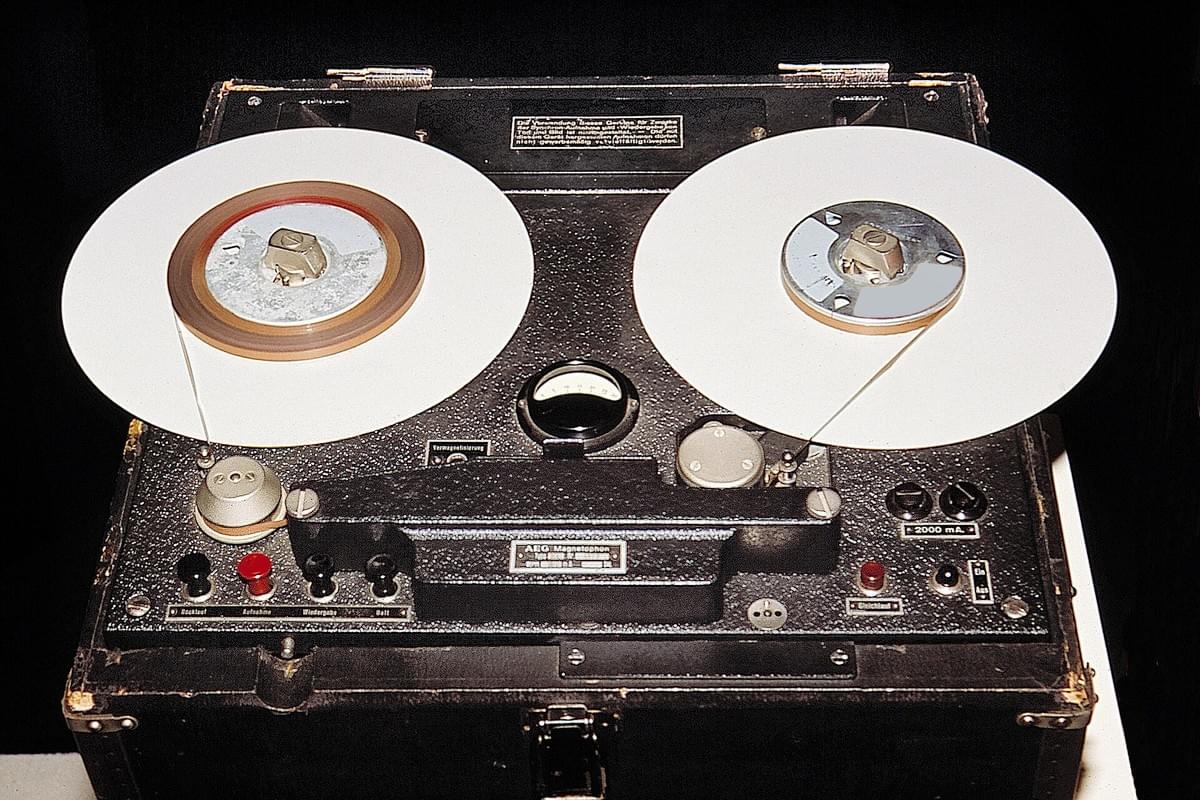
AEG Magnetophon K4 當年使用的高速磁帶錄音機
3. 戰後的瘋狂搶奪:蘇聯往東,美國往西
二戰結束後,這項技術成了戰勝國眼中的肥肉,也決定了這兩份錄音未來的命運。
1945 年 4 月,蘇聯紅軍率先攻入柏林,直衝帝國廣播總部(RRG)。他們搜刮了大量的軍用盤帶機,以及——最重要的——大批福特萬格勒在戰時的珍貴錄音盤帶,連夜運回莫斯科研究。這也是為什麼很多福特萬格勒的戰時錄音(包含我們今天談的這兩份),後來都是由蘇聯流出的原因。
與此同時,美國軍方也沒有閒著。一位名為傑克·穆林(Jack Mullin,1913-1999)的美國軍官在法蘭克福發現了這些磁帶錄音機,當場被其音質震驚得說不出話。他意識到這將改變世界,於是將兩台機器拆解,當作「戰利品」偷偷運回了美國。這兩台被拆解運回的機器,成為了美國現代唱片工業的「原爆點」。
4. 賦予了「剪刀的權力」與 LP 的誕生
這項納粹技術運回美國後,發生了一個關鍵轉折:它被美國知名歌手平克勞斯貝(Bing Crosby,1903-1977)看上了。
平克勞斯貝討厭當時廣播電台必須「Live 直播」的壓力,他想要預錄節目。當他聽到穆林帶回來的磁帶機效果後,驚為天人,立刻投資並推動了 Ampex 公司的量產。這不僅僅是硬體的升級,更是一場**「美學的革命」——磁帶賦予了人類一把「上帝的剪刀」。**
在此之前(78轉直刻時代),音樂家如果在錄音最後一分鐘彈錯一個音,整面唱片就得作廢重錄。那是「一鏡到底」的殘酷藝術。但有了磁帶,錄音師可以用剪刀把磁帶剪開,把「完美的片段」接在一起。這徹底改變了錄音美學:從「紀錄現場的遺憾美」,變成了「追求無瑕的工業品」。
這也直接催生了 1948 年哥倫比亞唱片公司推出的 LP(長時間播放黑膠唱片)。因為 LP 一面長達 20 分鐘以上,如果沒有磁帶作為「母帶」來進行剪輯修整,一般樂團很難連續演奏 20 分鐘完全不出錯且直接刻片。
所以,當你聽這兩份1942與 1943 年的錄音時,你聽到的不只是布拉姆斯,你聽到的是現代唱片工業的「胚胎」,一個從戰火中被搶救出來的時空膠囊。
二、布拉姆斯第二號鋼琴協奏曲:中年大叔的「生命和解」
有了前述的黑科技當載體,我們終於可以好好談談音樂本身了。
1. 遲到了 22 年的微笑
布拉姆斯(Johannes Brahms,1833-1897)這輩子只寫了兩首鋼琴協奏曲,中間整整隔了 22 年。這 22 年,剛好就是一個男人從「握緊拳頭」到「張開雙手」的過程。
20 幾歲的第一號(1854-1858): 那時的他充滿憤怒與痛苦。恩師舒曼自殺、他愛上師母克拉拉卻不可得。那時的鋼琴像個年輕戰士,在跟樂團拼命、打架。
48 歲的第二號(1878-1881): 寫這首曲子時,布拉姆斯已經是名滿天下的大師了。他留著我們熟悉的大鬍子,挺著啤酒肚,在奧地利的避暑勝地佩特沙赫(Pörtschach)享受陽光。
他寫信給朋友開玩笑說:「我寫了一首『微型鋼琴小曲』,只有一點點小詼諧。」結果拿出來一看?竟是一首長達 50 分鐘、四個樂章的龐然大物!這是屬於布拉姆斯式的「凡爾賽文學」,只有極度自信的人,才敢這樣自我調侃。
2. 四個樂章:一段完整的「心靈復健」旅程
如果把這首曲子看作人生的四個階段,你會發現它根本是一場心理治療:
第一樂章:召喚與回應(遠方的號角) 一開始不是鋼琴的驚天巨響,而是法國號吹出一段來自森林深處的、悠遠的旋律。 鋼琴是怎麼進來的?它不是「砸」進來的,它是順著法國號的回音,「流」進來的。這就像是我們面對命運時,不再是對抗,而是去**「接球」**。
第二樂章:激情與衝突(多出來的樂章) 標準協奏曲通常只有三樂章,布拉姆斯硬是加了這個「第四樂章」。為什麼?因為人生不可能永遠優雅,總有需要搏鬥的時刻。
第三樂章:最美的退讓(大提琴之歌) 這可能是整首曲子最反常的地方。一首鋼琴協奏曲,主角竟然變成了一把大提琴? 鋼琴家在這裡必須「閉嘴」,或者甘願當配角,讓大提琴唱出那段極度深情的獨白。
第四樂章:舉重若輕(大叔的幽默) 經歷了前面的宏大、搏鬥、深情,最後的結局竟然不是轟轟烈烈的輝煌結束,而是一種輕盈、優雅、甚至帶點俏皮的舞曲。 這叫**「舉重若輕」。真正的強者,最後都是笑著看世界的。那些沉重的過往,最後都化為了一笑置之的智慧。這不是輕浮,這是「看透」後的自由**。
最後請記住「古殿」的一句話:這不是協奏曲,這還是一首「偽裝成協奏曲的交響曲」。
三、布拉姆斯第二號鋼琴協奏曲的錄音史(1929-1943)
在 1942 年福特萬格勒與費雪站上舞台之前,這首曲子並不是沒有人錄過。
1929 年的世界首錄(電氣錄音): 由 亞瑟·魯賓斯坦(Arthur Rubinstein,1887-1982) 操刀。那是他年輕氣盛、火氣很大的時期,技巧輝煌,但受限於早期單聲道技術,聲音比較乾。
1935 年的「師承」關鍵: 阿圖爾·許納貝爾(Artur Schnabel,1882-1951) 與 BBC 交響樂團的錄音。請務必記住這份錄音! 因為許納貝爾正是我們故事主角之一——艾施巴赫(Aeschbacher)的老師。
1939 年的德國權威: 威廉·巴克豪斯(Wilhelm Backhaus,1884-1969) 與貝姆(Böhm)。這是納粹官方最認可的「德奧正統」。巴克豪斯的技巧如鋼鐵般堅硬。
1940 年的美國挑戰: 霍洛維茲(Vladimir Horowitz,1903-1989) 與岳父托斯卡尼尼(Toscanini)。那是美式肌肉與速度的極致展現,火花四射,但跟德奧那種厚重的哲學感完全不同。
為什麼福特萬格勒的戰時錄音「無可取代」?
既然前面已經有這麼多大師錄過了,為什麼我們還要死守著福特萬格勒這兩份戰時錄音?
這不僅僅是因為演繹的高低,更是因為**「時間的連續性」**。
上述那些大師的錄音,大多是在錄音室裡「分段」完成的。為了配合 78轉唱片(SP)一面只能錄 4 分鐘的物理限制,音樂家必須每幾分鐘就停下來,等換盤,再繼續彈。 音樂的情緒是被打斷的、是被「時間」切碎的。
但 1942 與 1943 年的這兩次,多虧了納粹的磁帶機黑科技,我們第一次聽到了**「沒有被時間切斷」的布拉姆斯**。福特萬格勒不需要為了換盤而打斷他的「生成」,磁帶捕捉到了完整的生命流動。
尤其是 1943 年艾施巴赫的版本,他身上背負著 1935 年老師許納貝爾留下的結構傳統,卻要獨自面對 1943 年柏林毀滅前的狂亂。這是在之前絕對聽不到的歷史重量。
四、艾施巴赫(Adrian Aeschbacher):被誤解的「替補」,還是被選中的「火種」?
既然 1942 年的費雪已經是公認的大師,那麼 1943 年這位相對「默默無名」的艾施巴赫,究竟是何方神聖?為什麼在戰局最吃緊的時刻,福特萬格勒會找一個年輕人來擔此重任?
如果你只看商業名氣,艾施巴赫確實不如同時代的巴克豪斯或肯普夫響亮。但如果我們把時間軸拉回 1943 年的柏林廢墟,你會發現這個選擇背後,隱藏著指揮大師當下極深的思考。
這不是一個隨機的代打,這是一個在「廢墟中尋找火種」的故事。
1. 尋找「許納貝爾」的影子(失落的德奧)
這是最核心的音樂原因。福特萬格勒心中最推崇的德奧音樂鋼琴家之一,其實是許納貝爾(Artur Schnabel)。
在納粹上台前,許納貝爾代表著德奧音樂的最高標準——重結構、重邏輯、不譁眾取寵。但因為他是猶太人,早就被迫流亡了。 到了 1943 年,留在德國的鋼琴家雖多,但要能撐起布拉姆斯第二號那種「哲學架構」的人卻寥寥無幾。福特萬格勒不想找那些只會手指飛舞的炫技派。
艾施巴赫是誰?他正是許納貝爾的嫡傳弟子。 福特萬格勒找他,某種程度上是在**「找回那個被納粹趕走的聲音」**。大師無法把許納貝爾請回來,但他請來了他的學生。這代表了福特萬格勒的一種藝術抵抗:即便在政治高壓下,他依然渴望那種嚴肅、不媚俗、講究內在邏輯的詮釋風格。艾施巴赫,就是那個傳承的倖存人。
2. 「瑞士護照」的特殊性(政治的縫隙)
這是一個很現實的生存考量。1943 年底,德國敗象已露,柏林天天被轟炸,許多國外頂尖藝術家根本不敢踏進德國一步。
但艾施巴赫是瑞士人。 瑞士的中立國身份,給了他一張特殊的「通行證」。對福特萬格勒來說,這讓他能避開納粹硬塞進來的「黨員音樂家」,選擇一位真正有實力、且來自自由世界的藝術家。這是在政治夾縫中,維持藝術純度的一種策略。
3. 亂世需要的是「夥伴」,不是「明星」
費雪當然是靈魂伴侶,但費雪的身體狀況不穩定,且行程滿檔。而在 1943 年那種隨時可能遭遇空襲、明天不知是否存在的極限狀態下,福特萬格勒需要的不是一個會跟他「搶戲」的明星,而是一個**「靠得住的夥伴」**。
當時 31 歲的艾施巴赫,有一種年輕但溫潤與節制的氣質。他的風格被稱為「音樂家的演奏家」(musician's musician),不賣弄自我(little of the "moi")。 這種**「穩定性」**讓福特萬格勒可以放心地去引導他進入音樂。因為大師知道,無論樂團的浪潮多麼驚濤駭浪,這位年輕人夠穩可以撐住。
五、歷史的雙壁:1942 與 1943 的天堂與人間,實體現場錄音比較
既然這兩份錄音是「唯二」的存在,我們該如何看待它們的差異?
過去,樂評習慣用「好壞」來打分數,認為艾施巴赫(Aeschbacher)的版本「不夠融合」、「自行其是」。但這是一個巨大的誤解。如果我們回到福特萬格勒在《談音樂》(Gespräche über Musik)一書中的核心思想,你會發現一把解開這兩份錄音差異的「終極鑰匙」。
1. 音樂是「生成」的
福特萬格勒在《談音樂》中一再強調:「音樂是生成的(Werden),而非存在的(Sein)。」
對大師來說,指揮不是要把獨奏家壓進一個標準化的模具裡,而是像大自然一樣,根據當下的土壤(樂團狀態)與種子(獨奏家特質),生長出那個當下該有的樣子。
當福特萬格勒將不同的種子投入 1942 與 1943 年的柏林愛樂時,產生了兩種截然不同、但同樣偉大的化學反應:
1942 費雪版(Fischer):靈魂的共融(像水融入水) 費雪本身就是一團不穩定的火焰,與福特萬格勒氣質相近。當指揮遇到這團火,生成的路徑是**「燃燒與共融」。 他們是「共謀者」,一起在酒神式的狂喜中衝浪。這份錄音讓我們聽見了「天堂」**——那是人們在戰爭初期,渴望逃避現實、沈溺於美夢的樣子。
1943 艾施巴赫版(Aeschbacher):異質的張力(像岩石在洪流中) 艾施巴赫是一塊堅硬的岩石(結構嚴謹、冷靜)。當福特萬格勒的管弦樂浪潮打在這塊岩石上時,激起了比 1942 年更巨大的浪花。 這不是合作失敗,這是**「撞擊與雕刻」。福特萬格勒沒有強迫年輕人變成費雪,而是利用他的「不協調」,製造出驚人的戲劇張力。這份錄音讓我們聽見了「人間」**——那是在毀滅邊緣,一個人試圖在混亂中建立秩序、守住理智的樣子。
2. 實體現場錄音比較:古殿聽覺導聆
空口無憑,我們直接用耳朵來驗證。這兩份錄音我都反覆比對過(實體唱片「古殿」轉錄,請參附件),請大家打開耳朵,注意聽第一樂章的這兩個瞬間:
檢查點一:鋼琴進場的第一個觸鍵(The Entry)
聽 1942 費雪: 他的琴音是「浮出來」的。低音沒有稜角,像是一團溫暖的霧氣,把法國號的尾音包住。他在**「揉合」**,告訴你:「別怕,我們在一起。」
聽 1943 艾施巴赫: 畫風突變!鋼琴進來的瞬間,聲音是**「刻下去」的。每一個音符都有清晰的「核」,顆粒感極強,低音沈穩有力。他在「鑿刻」**,告訴你:「世界很亂,但我必須站穩腳跟。」
檢查點二:與樂團的互動(The Interaction)
聽 1942 費雪: 當樂團狂飆時,費雪是順勢加速,推波助瀾。
聽 1943 艾施巴赫: 請仔細聽那個 30ips 磁帶紀錄下的驚人動態,當樂團發出撕裂般的咆哮時,艾施巴赫並沒有跟著瘋狂。他像個**「堤防」**,頑強地擋在那裡,保持著許納貝爾學派的嚴謹節奏。
費雪是與神共舞,而艾施巴赫是人在風暴中的堅持。
這不是音樂詮釋的優劣,這是兩種面對災難的人生態度:一個選擇沈醉在最後的美夢裡,一個選擇睜大眼睛看清殘酷的現實。
而這兩者,都是偉大的真實。
六、結語:被炸毀前的最後一瞥,與贏在「活著」
文章的最後,請容我再告訴你一個關於這份 1943 年錄音,讓人心碎的身份——它是**「建築的遺照」**。
就在艾施巴赫彈完這場音樂會的幾個星期後,1944 年 1 月 30 日,盟軍的炸彈落了下來。那座從 1882 年屹立至今、擁有獨一無二溫暖木造音色的「舊柏林愛樂廳」(Old Philharmonie),徹底化為灰燼。
從此,地球上再也沒有這個空間了。
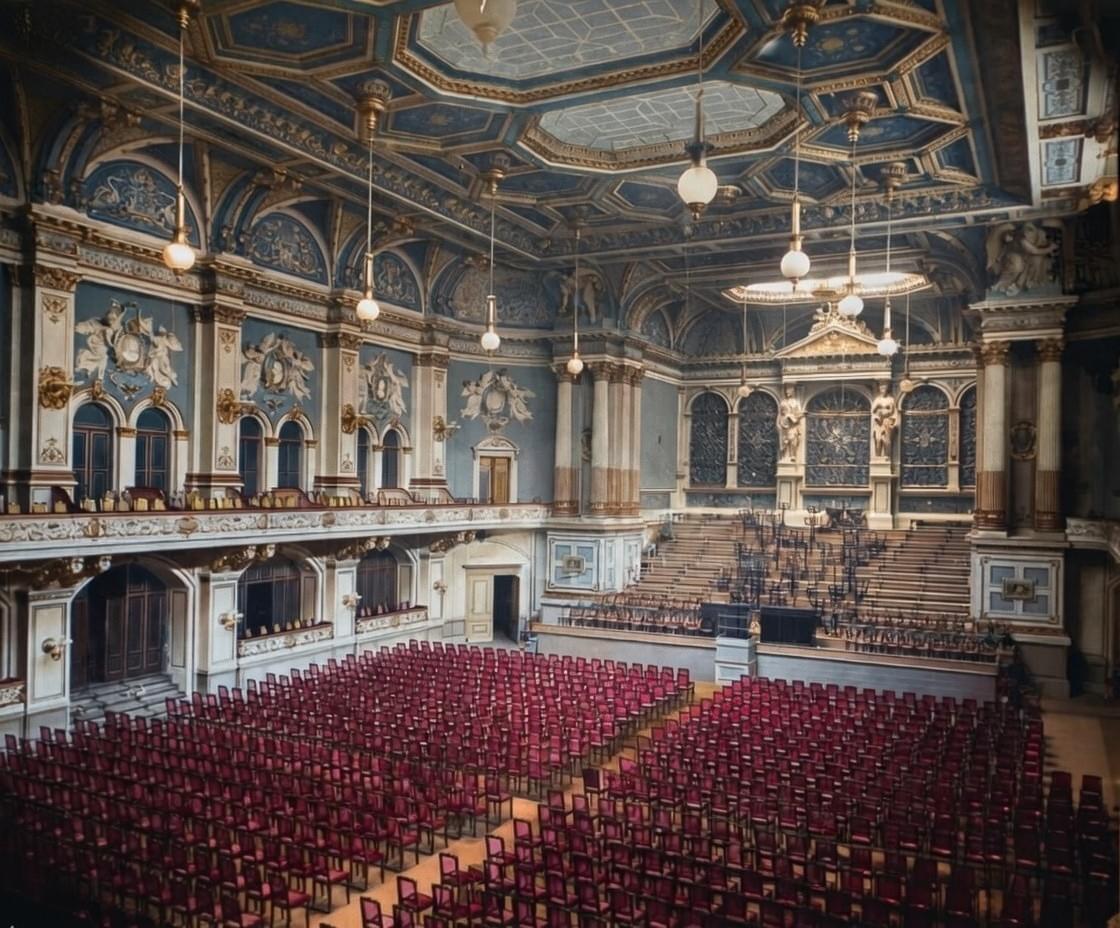
多虧了納粹那台 30ips 的磁帶機,它趕在毀滅降臨的前一秒,搶救下了這座廳堂最後的呼吸聲。當你聽到錄音裡那種特有的、包覆感極強的殘響時,請記得,你是在聽一座「幽靈建築」說話。那是舊世界毀滅前,最後一次優雅的掙扎。
歷史上哪一個版本的布拉姆斯第二號最偉大?
這是一個沒有標準答案的問題,但如果我們用「生命狀態」來分類,大概會有這幾種選擇:
如果你追求完美與哲學沈思: 吉利爾斯/約夫姆 (Gilels, 1972) 是首選。那是在金黃色夕陽下的深思,完美無瑕。
如果你需要生命的力量(巨人的布拉姆斯): 李希特 (Richter) / 萊恩斯多夫 (RCA, 1960)。這是力量派的聖經,被稱為「世紀的碰撞」。聽感像「火山爆發」,李希特在第二樂章簡直像要把鋼琴拆了。但他不是亂彈,那是源自俄羅斯靈魂的巨大悲劇感。
如果你追求正統與權威(花崗岩的布拉姆斯): 巴克豪斯 (Backhaus) / 貝姆 (Decca, 1967)。這張錄音被稱為「舊約聖經」。沒有任何花俏,巴克豪斯的觸鍵乾淨、剛硬,結構嚴謹得像一座德國教堂。
福特萬格勒的戰時錄音,贏在「活著」。
上述那些都是錄音室裡的偉大結晶,它們贏在「完美」。但福特萬格勒留下的這兩份戰時錄音(1942/1943),它們贏在**「活著」**。
若將範圍鎖定在**「現場(Live)」與「指揮藝術」這個維度上,這兩份錄音絕對是前無古人、後無來者的「歷史雙壁」**。它們具備了後來所有立體聲名盤都無法複製的三個絕對條件:
「無法重現」的戰爭時期時空氛圍: 所有後來的現場錄音,背景都是和平年代。唯有這兩份,是在**「人類文明毀滅的前夕」錄製的。那種「不知道還有沒有明天」的迫切感,逼出了音樂家潛能的極限。這種「瀕死體驗」**轉化出來的音樂張力,是和平時期模擬不出來的。
「無法重現」的聲學地標: 正如剛才所說,這是「舊柏林愛樂廳」最後的靈魂容器。後來的錄音,新的柏林愛樂廳,都聽不到那種溫暖包覆的木質殘響了。
「光譜兩極」的完整互補: 這才是這兩份錄音被稱為「雙壁」的原因——它們剛好補完了人性的兩面。 如果只有 1942 年費雪版,我們會以為福特萬格勒的布拉姆斯只有「融合與狂喜」;正因為有了 1943 年艾施巴赫版,我們才看到福特萬格勒的布拉姆斯也有「對抗與掙扎」。
1942 是「神性」的極致(理想)。 1943 是「人性」的極致(現實)。
這兩者合起來,才是一個完整的圓。缺了一角,我們對這位指揮大師、以及對這首曲子的理解就不完整。
所以,別再猶豫要聽哪一版了。去聽 1942 年,看見當時人們渴望的天堂;然後回來聽 1943 年,看見當時人們身處的人間。
1942年費雪,實體音樂:
1943年艾施巴赫,實體音樂:
*******
[Gu Dian Music Story] The Origin of Modern Hi-Fi is the Nazis? Hearing the 30ips Sonic Miracles Beside the Ruins of 1942-1943
Preface: You are hearing not noise, but the breath of history and a precious, singular coincidence.
Recently, while organizing my archives and comparing these two recordings made just one year apart, I suddenly discovered a coincidence that I had completely missed before—one that gave me goosebumps.
This story must begin with the recording legacy of the great conductor Wilhelm Furtwängler (1886-1954). Did you know? Furtwängler left absolutely no recordings of Brahms' Piano Concerto No. 1. As for the colossal Piano Concerto No. 2, he left behind only two recording records in his entire life.
And these "only two" recordings not only both happened during World War II (the so-called "Wartime period"), but both are also "complete live recordings." (These are also the only instance of the same piece being recorded twice among Furtwängler’s wartime legacy).
When I placed these two files side by side, a unique historical coincidence truly emerged. Please look at the conditions of these two recordings:
- Same Conductor: Furtwängler
- Same Orchestra: Berlin Philharmonic (BPO)
- Same Venue: The legendary Old Philharmonie, which was later destroyed by bombing.
- Same Soloist (Cello): Even the principal cellist, crucial for the third movement, is the same person (Tibor de Machula).
- Same Technology: Both used Nazi-era military magnetic tape recording.
The only differences are two variables: One was recorded in 1942, with Edwin Fischer (1886-1960), the pianist spiritually attuned to the maestro. The other was recorded in 1943, with Adrian Aeschbacher (1912-2002), a disciple of Schnabel.
The time difference is exactly one year. The location is the same, but the protagonist changed. It is almost like a trial deliberately arranged by fate.
Usually, many senior music critics or record guides will tell you: "Just listen to the 1942 Fischer version; it is divine. As for the 1943 version? The pianist isn't famous enough, doesn't match the conductor, and gets dominated by the orchestra." The conclusion often drawn is: Aeschbacher is far inferior to Fischer.
But after listening repeatedly these past few days, I feel we cannot—and should not—compare them this way.
Because these two live recordings are the only Brahms No. 2s Furtwängler left us, they each occupy a corner of history. They should not be a competition of superiority, but rather viewed as two distinctly different, precious historical documents.
I. The Origin of Modern Hi-Fi is Actually "Nazi Black Technology"
B
efore entering the music, I must tell you a somewhat chilling historical fact: The "Hi-Fi" (High Fidelity) that we audiophiles pursue today is actually a legacy left by the Nazis.
1. Ruling Your Physiology through Sound Nazi ruling techniques were not limited to the visual impact of red flags and uniforms; they penetrated deep into the "auditory." They discovered early on that "sound" is directly related to a person's physiological state and emotional functioning. If one can control and master "sound," one can conduct more extreme governance and indoctrination. To make the Führer's speeches over the radio sound like a real person whispering in your ear, the Nazis invested massive resources into developing recording technology.
As early as 1928, Germany's Fritz Pfleumer invented the first magnetic tape recorder, and the technology was subsequently transferred to AEG and Telefunken. While the Allies were still using noisy wax discs or wire recordings, the Reichs-Rundfunk-Gesellschaft (RRG) in the 1940s was already using a monster-spec recording format—this is the source of the modern recording industry.
2. RRG and the Sealed Terrifying Data: 30ips Here I must mention a statistic that gives modern audiophiles goosebumps: 30ips (Inches Per Second).
This technology, classified as a top military secret at the time, was used by the "Third Reich Broadcasting Corporation" (RRG). To help everyone understand this concept: later home reel-to-reel tape speeds were usually 3.75ips or 7.5ips, and standard professional studios usually used 15ips. But the Nazis, during WWII, went straight to 30ips!
Why run so fast? Because the faster the tape runs, the higher the density of magnetic particles recorded per unit of time. This means an extreme elevation in "resolution." A speed of 30ips brings amazing high-frequency extension and huge dynamic range, while significantly lowering tape hiss. This is basically the highest resolution, highest sound quality, and highest physical standard for what would later become the "Master Tape" of the record industry.
This is why these "ancient" recordings from 80 years ago might sound more vivid and violent than many monaural recordings from the 1950s. Because they were recorded using this military-grade equipment. Can you imagine? The speed and specifications of this machine operating in 1943 are comparable to the highest resolution levels of analog recording even today.
3. The Post-War Frenzy: Soviets to the East, Americans to the West After WWII ended, this technology became a prize for the victors, determining the future fate of these two recordings. In April 1945, the Soviet Red Army entered Berlin first, charging straight for the RRG headquarters. They seized a large number of military tape recorders and—most importantly—a massive cache of Furtwängler’s precious wartime recording tapes, shipping them overnight back to Moscow for study. This is why many of Furtwängler's wartime recordings (including the two we are discussing today) later leaked out via the Soviet Union.
Meanwhile, the US military was not idle. An American officer named Jack Mullin (1913-1999) discovered these tape recorders in Frankfurt and was struck speechless by the sound quality. Realizing this would change the world, he disassembled two machines and smuggled them back to the US as "war trophies." These two disassembled machines became the "Ground Zero" of the modern American record industry.
4. Granting the "Power of Scissors" and the Birth of the LP After this Nazi technology was brought to America, a key turning point occurred: it caught the eye of the famous American singer Bing Crosby (1903-1977). Crosby hated the pressure of live radio broadcasts and wanted to pre-record his shows. When he heard the effect of the tape machine brought back by Mullin, he was astounded and immediately invested in and pushed for Ampex to mass-produce it. This was not just a hardware upgrade; it was an "Aesthetic Revolution"—tape gave humanity the "Scissors of God."
Before this (in the 78rpm direct-to-disc era), if a musician hit a wrong note in the last minute of a recording, the whole side had to be scrapped and re-recorded. That was the cruel art of "one take." But with tape, engineers could use scissors to cut the tape and splice "perfect segments" together. This completely changed recording aesthetics: from "documenting the flawed beauty of a live performance" to "pursuing a flawless industrial product."
This also directly birthed the LP (Long Play vinyl record) released by Columbia Records in 1948. Because an LP side lasts over 20 minutes, without tape as a "master" for editing and fixing, it was difficult for an orchestra to play for 20 minutes straight without error for direct cutting.
So, when you listen to these recordings from 1942 and 1943, you are hearing not just Brahms; you are hearing the "embryo" of the modern record industry, a time capsule salvaged from the fires of war.
II. Brahms Piano Concerto No. 2: A Middle-Aged Uncle's "Reconciliation with Life"
Wi
th the aforementioned black technology as our carrier, we can finally talk about the music itself.
1. A Smile Delayed by 22 Years Johannes Brahms (1833-1897) wrote only two piano concertos in his life, separated by a full 22 years. These 22 years represent exactly the process of a man going from "clenching his fists" to "opening his arms."
No. 1 in his 20s (1854-1858): He was full of anger and pain. His mentor Schumann committed suicide; he loved Schumann's wife, Clara, but could not have her. The piano then was like a young warrior, fighting and wrestling with the orchestra.
No. 2 at 48 (1878-1881): When he wrote this piece, Brahms was a world-renowned master. He had the big beard we are familiar with, a beer belly, and was enjoying the sunshine in the Austrian summer resort of Pörtschach.
He joked in a letter to a friend: "I have written a 'tiny little piano piece' with just a wisp of a scherzo." The result? It was a colossal work lasting 50 minutes with four movements! This is "Versailles literature" (humblebragging) Brahms-style; only someone supremely confident dares to make fun of themselves like this.
2. Four Movements: A Complete Journey of "Spiritual Rehabilitation" If we view this piece as four stages of life, you will find it is essentially a session of psychotherapy:
1st Movement: Call and Response (The Distant Horn). It doesn't start with a thunderous piano crash, but a French horn blowing a distant melody from deep in the forest. How does the piano enter? It doesn't "smash" in; it follows the echo of the horn, "flowing" in. This is like when we face fate: instead of resisting, we "catch the ball."
2nd Movement: Passion and Conflict (The Extra Movement). Standard concertos usually have three movements; Brahms insisted on adding this "fourth movement." Why? Because life cannot always be elegant; there are always moments when we must fight.
3rd Movement: The Most Beautiful Retreat (Cello Song). This might be the most anomalous part of the piece. In a piano concerto, the protagonist turns out to be a cello? The pianist must "shut up" here, or willingly play a supporting role, letting the cello sing that extremely deep monologue.
4th Movement: Lightness (Uncle's Humor). After the grandeur, the struggle, and the deep emotion, the ending is not a glorious, thunderous finale, but a light, elegant, even slightly playful dance. This is called "lifting a heavy weight as if it were light." The truly strong smile at the world in the end. Those heavy pasts eventually turn into a wisdom that can be laughed off. This is not frivolity; it is the freedom after "seeing through" everything.
Finally, remember a saying from "Gu Dian": This is not a concerto; it is a "Symphony disguised as a concerto."
III. Recording History of Brahms Piano Concerto No. 2 (1929-1943)
Bef
ore Furtwängler and Fischer took the stage in 1942, this piece was not unrecorded.
1929 World Premiere (Electrical Recording): By Arthur Rubinstein (1887-1982). That was his period of youthful vigor and fiery temper. The technique was brilliant, but limited by early mono technology, the sound is quite dry.
1935 The "Lineage" Key: Artur Schnabel (1882-1951) with the BBC Symphony Orchestra. Please remember this recording! Because Schnabel is the teacher of one of our protagonists—Aeschbacher.
1939 The German Authority: Wilhelm Backhaus (1884-1969) with Böhm. This was the Nazi-approved "Austro-German Orthodox." Backhaus's technique was hard as steel.
1940 The American Challenge: Vladimir Horowitz (1903-1989) with his father-in-law Toscanini. That was the ultimate display of American muscle and speed, sparks flying, but completely different from the heavy philosophical sense of the Austro-Germans.
Why are Furtwängler's Wartime Recordings "Irreplaceable"? Since so many masters had recorded it, why do we cling to these two wartime recordings? It is not just because of the quality of interpretation, but because of "The Continuity of Time."
The recordings of the masters mentioned above were mostly completed in "segments" in the studio. To accommodate the physical limit of 4 minutes per side for 78rpm records (SP), musicians had to stop every few minutes, wait for the disc change, and then continue playing. The emotion of the music was interrupted and chopped up by "time."
But in 1942 and 1943, thanks to the Nazi magnetic tape black technology, we heard a Brahms "uncut by time" for the first time. Furtwängler did not need to interrupt his "Becoming" (generation of music) for disc changes; the tape captured the complete flow of life.
Especially in the 1943 Aeschbacher version, he carried the structural tradition left by his teacher Schnabel in 1935, yet had to face the madness before the destruction of Berlin in 1943 alone. This is a historical weight absolutely unheard in previous recordings.
IV. Adrian Aeschbacher: Misunderstood "Substitute" or Chosen "Spark"?
Sinc
e the 1942 Fischer is already a recognized master, who exactly is this relatively "obscure" Aeschbacher from 1943? Why did Furtwängler choose a young man to shoulder this heavy responsibility at the most critical moment of the war?
If you only look at commercial fame, Aeschbacher was indeed not as loud as his contemporaries Backhaus or Kempff. But if we pull the timeline back to the ruins of Berlin in 1943, you will discover the conductor's deep thinking hidden behind this choice. This was not a random substitution; this is a story of "finding a spark in the ruins."
1. Seeking the Shadow of "Schnabel" (The Lost Austro-German Soul) This is the core musical reason. One of the Austro-German pianists Furtwängler admired most was actually Artur Schnabel. Before the Nazis came to power, Schnabel represented the highest standard of Austro-German music—heavy on structure, logic, and devoid of grandstanding. But because he was Jewish, he had long been forced into exile. By 1943, although there were many pianists left in Germany, few could hold up the "philosophical framework" of Brahms No. 2. Furtwängler didn't want virtuosos who only had flying fingers.
Who is Aeschbacher? He is Schnabel's direct disciple. By choosing him, Furtwängler was, to some extent, "retrieving the voice driven away by the Nazis." The maestro couldn't bring Schnabel back, but he brought back his student. This represented a kind of artistic resistance by Furtwängler: even under political oppression, he still craved that serious, non-pandering style of interpretation focused on inner logic. Aeschbacher was the surviving carrier of that lineage.
2. The Peculiarity of the "Swiss Passport" (A Political Loophole) This is a very realistic survival consideration. By the end of 1943, Germany's defeat was looming, Berlin was bombed daily, and many top foreign artists dared not step into Germany. But Aeschbacher was Swiss. The status of a neutral country gave him a special "pass." For Furtwängler, this allowed him to avoid the "Party member musicians" forced upon him by the Nazis and choose an artist with real strength from the free world. This was a strategy to maintain artistic purity within the political cracks.
3. Chaos Needs a "Partner," Not a "Star" Fischer was naturally a soulmate, but his health was unstable, and his schedule was full. In the extreme state of 1943, where air raids could happen at any moment and tomorrow was uncertain, Furtwängler didn't need a star who would "steal the scene," but a "reliable partner." The 31-year-old Aeschbacher possessed a temperament that was young yet warm and restrained. His style was described as a "musician's musician," with little of the "moi" (ego). This "stability" allowed Furtwängler to guide him into the music with confidence. The maestro knew that no matter how tumultuous the waves of the orchestra became, this young man was steady enough to hold on.
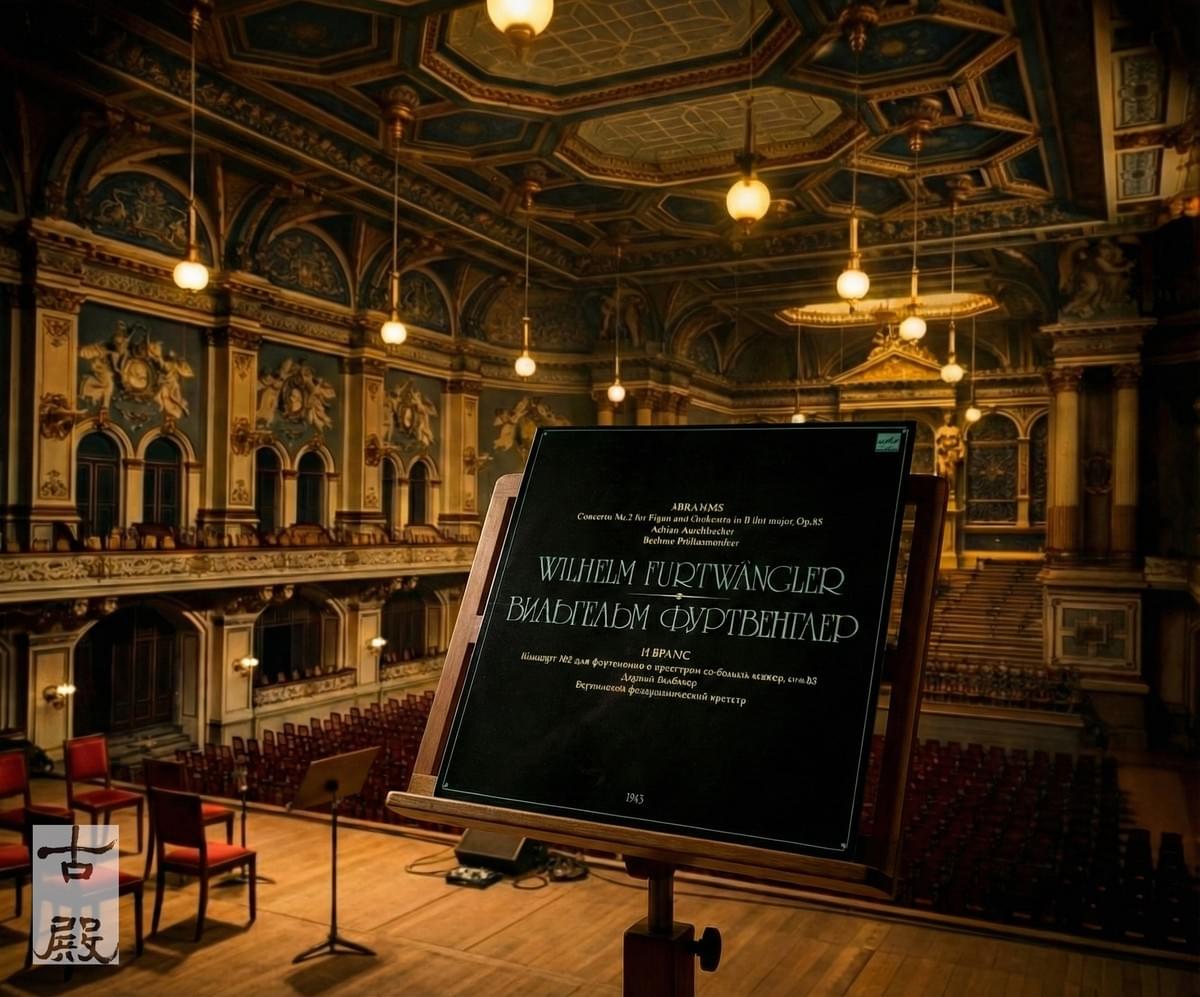
V. The Historical Twin Walls: Comparison of the 1942 and 1943 Heaven and Earth Live Recordings
Since
these two recordings are the "only two" in existence, how should we view their differences? In the past, critics used "good or bad" to score them, believing Aeschbacher's version was "not blended enough" or "did its own thing." But this is a huge misunderstanding. If we return to the core thought in Furtwängler's book Conversations on Music (Gespräche über Musik), you will find the "Ultimate Key" to unlocking the difference between these two recordings.
1. Music is "Becoming" Furtwängler repeatedly emphasized in Conversations on Music: "Music is becoming (Werden), not being (Sein)." For the maestro, conducting is not about pressing a soloist into a standardized mold, but like nature, growing the form that should exist in that moment based on the soil (orchestra state) and the seed (soloist characteristics). When Furtwängler threw different seeds into the Berlin Philharmonic of 1942 and 1943, two distinctly different but equally great chemical reactions occurred:
1942 Fischer Version: Soulful Communion (Like water in water). Fischer himself was an unstable flame, similar in temperament to Furtwängler. When the conductor met this fire, the path of generation was "Combustion and Fusion." They were "co-conspirators," surfing together in Dionysian ecstasy. This recording lets us hear "Heaven"—that is the image of people in the early stages of the war, longing to escape reality and indulge in a beautiful dream.
1943 Aeschbacher Version: Heterogeneous Tension (Like a rock in a flood). Aeschbacher was a hard rock (rigorous structure, calm). When Furtwängler's orchestral waves hit this rock, they kicked up waves even larger than in 1942. This was not a failure of cooperation; this was "Impact and Sculpture." Furtwängler did not force the young man to become Fischer, but used his "incompatibility" to create astonishing dramatic tension. This recording lets us hear "Earth/Humanity"—that is the image of a person on the edge of destruction, attempting to establish order and hold onto rationality amidst chaos.
2. Physical Live Recording Comparison: Gu Dian Auditory Guide Words are empty; let us verify with our ears. I have repeatedly compared these two recordings (using Gu Dian's physical record transfers), please open your ears and pay attention to these two moments in the first movement:
Checkpoint 1: The Piano's First Entry
- Hearing 1942 Fischer: His piano tone "floats out." The bass has no sharp edges, like a warm mist wrapping around the tail of the French horn. He is "Kneading," telling you: "Don't be afraid, we are together."
Hearing 1943 Aeschbacher: The style changes abruptly! The moment the piano enters, the sound is "Chiseled in." Every note has a clear "core," extremely granular, and the bass is calm and powerful. He is "Engraving," telling you: "The world is chaotic, but I must stand my ground."
Checkpoint 2: Interaction with the Orchestra
- Hearing 1942 Fischer: When the orchestra goes wild, Fischer accelerates with the momentum, fueling the waves.
Hearing 1943 Aeschbacher: Please listen carefully to the amazing dynamics recorded by that 30ips tape. When the orchestra lets out a tearing roar, Aeschbacher does not go crazy with them. He acts like a **"Levee,"**stubbornly blocking the way, maintaining the rigorous rhythm of the Schnabel school.
Fischer dances with God, while Aeschbacher is human persistence in the storm. This is not a superiority of musical interpretation; these are two attitudes towards life in the face of disaster: one chooses to indulge in the final dream, the other chooses to open their eyes and see the cruel reality clearly. And both are great truths.
VI. Conclusion: The Last Glance Before Destruction, and Winning by "Being Alive"
At the
end of this article, allow me to tell you one more heartbreaking identity of this 1943 recording—it is the "Posthumous Portrait of a Building."
Just a few weeks after Aeschbacher finished playing this concert, on January 30, 1944, Allied bombs fell. The "Old Philharmonie," which had stood since 1882 and possessed a unique, warm, wooden timbre, was completely reduced to ashes. From then on, this space no longer existed on Earth. Thanks to that Nazi 30ips tape machine, it snatched the final breath of this hall just a second before destruction descended. When you hear that unique, enveloping reverberation in the recording, remember, you are listening to a "Ghost Building" speak. That was the final elegant struggle before the destruction of the old world.
Which version of Brahms No. 2 is the greatest in history? This is a question with no standard answer, but if we classify them by "State of Life," there are several choices:
If you seek perfection and philosophical contemplation: Gilels (1972) is the first choice. That is deep thought under a golden sunset, flawless.
If you need the power of life (The Titan's Brahms): Richter / Leinsdorf (RCA, 1960). This is the bible of the powerhouse school, known as the "Collision of the Century." It sounds like a "volcanic eruption"; Richter almost dismantles the piano in the second movement. But he isn't playing wildly; that is the immense tragic sense derived from the Russian soul.
If you seek orthodoxy and authority (The Granite Brahms): Backhaus / Böhm (Decca, 1967). This recording is known as the "Old Testament." Without any frills, Backhaus's touch is clean, rigid, and structured like a German church.
Furtwängler's Wartime Recordings Win by "Being Alive" Those mentioned above are great crystallizations of the studio; they win on "Perfection." But the two wartime recordings left by Furtwängler (1942/1943) win on "Being Alive."
If we lock the scope to "Live" and "The Art of Conducting," these two recordings are absolutely the "Historical Twin Walls," unsurpassed before or since. They possess three absolute conditions that no later stereo masterpiece could replicate:
The "Irreproducible" Wartime Atmosphere: All later live recordings have peace as their background. Only these two were recorded on the "Eve of the Destruction of Human Civilization." The urgency of "not knowing if there is a tomorrow" forced out the limits of the musicians' potential. This musical tension born of a "Near-Death Experience" cannot be simulated in times of peace.
The "Irreproducible" Acoustic Landmark: As mentioned earlier, this is the final soul container of the "Old Philharmonie." Later recordings, or the new Philharmonie, can no longer produce that warm, enveloping wooden reverb.
The Complete Complementarity of "Opposite Poles": This is why these two recordings are called "Twin Walls"—they perfectly complete the two sides of humanity. If we only had the 1942 Fischer version, we would think Furtwängler's Brahms was only "Fusion and Ecstasy"; precisely because of the 1943 Aeschbacher version, we see that Furtwängler's Brahms also contains "Confrontation and Struggle."
1942 is the extreme of "Divinity" (Ideal). 1943 is the extreme of "Humanity" (Reality).
Only when combined do they form a complete circle. Missing one piece, our understanding of this conductor and this piece would be incomplete.
So, hesitate no more about which version to listen to. Go listen to 1942 to see the Heaven people yearned for then; and then come back to listen to 1943 to see the Earth where people actually stood.