
【古殿唱片音樂故事】偉大的恐怖:為什麼鄭京和想燒掉自己的西貝流士?
古殿殿主
請想像一個場景:1970 年代,在倫敦的一間公寓裡,兩位世界頂級的音樂家坐在一起——一位是鋼琴大師傅聰,另一位是當時正以西貝流士協奏曲聞名天下的「小提琴女皇」鄭京和。
這段往事,被記載在傅聰談話錄中。那時的鄭京和正值聲望的巔峰,她剛剛在倫敦金斯威廳(Kingsway Hall)錄製完那張讓她一舉登后的 DECCA 專輯。在那份由傳奇錄音師威金斯 (Kenneth Wilkinson,1912-2004) 操刀的錄音裡,她的琴聲冷冽、凌厲,伴隨著普列文(André Previn,1929-2019)與倫敦交響樂團無懈可擊的音響效果。那張唱片是當代錄音工業的奇蹟,也是所有人公認的西貝流士詮釋新標竿。
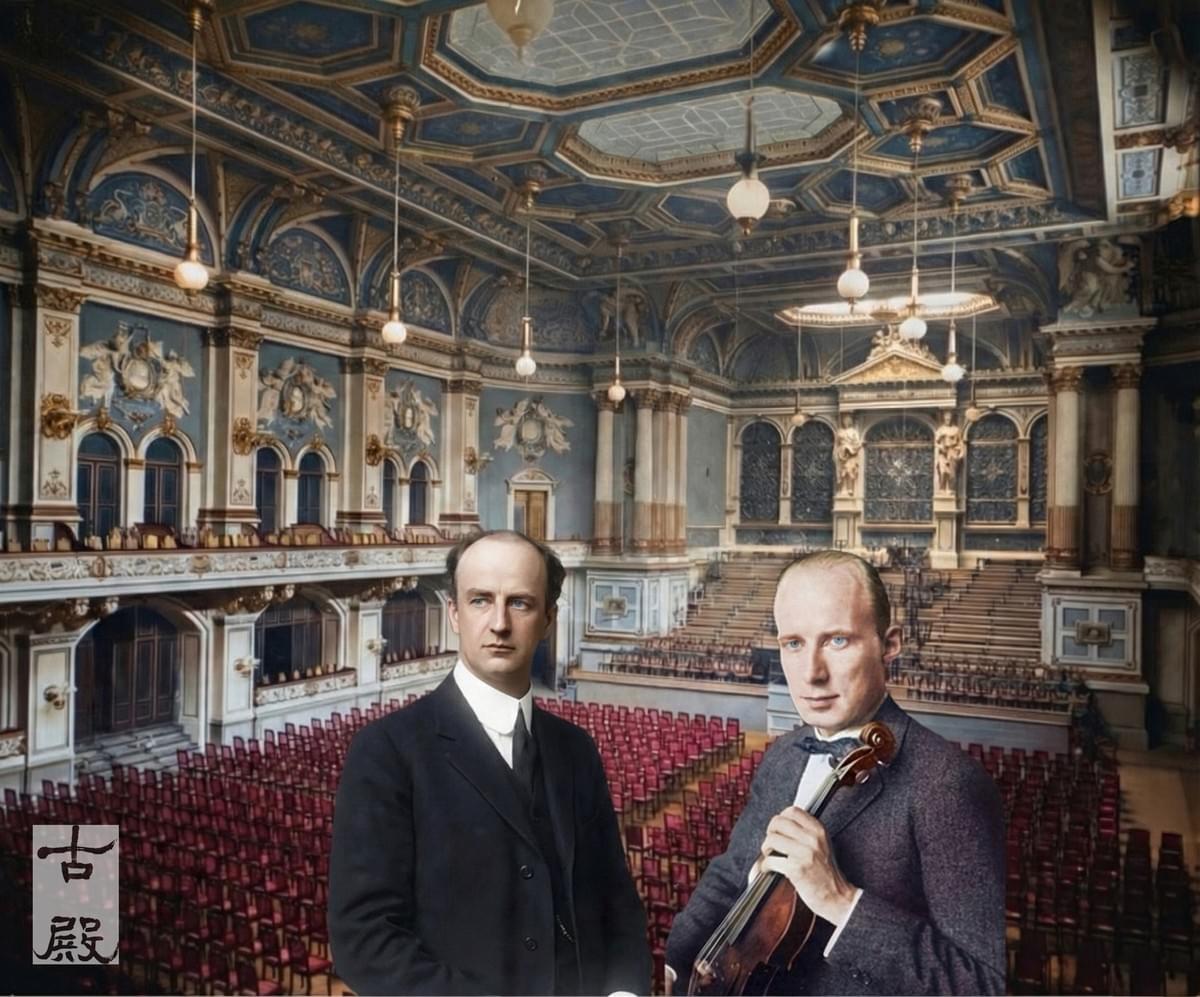
但那天,傅聰在倫敦寓所放下的,卻是一張來自 1943 年、戰火中的柏林實況。那是庫倫肯普夫(Georg Kulenkampff,1898-1948)與福特萬格勒(Wilhelm Furtwängler,1886-1954)的合作。
當那種未經修飾、如同從地底湧出的聲音結束的那一刻,這位剛靠著「完美錄音」站上世界頂點的小提琴家,竟然激動地跳了起來,脫口而出:
「把我其他的西貝流士唱片通通燒掉!」
傅聰後來用了一個詞來形容這份演奏:
「偉大的恐怖!」。
為什麼一位身處現代技術巔峰的大師,會對這份 80 多年前、甚至還有拉錯音的錄音感到如此卑微與震撼?這份「恐怖」,必須從演奏家最核心的視角,撕開那層名為「效果」的假象,進入福特萬格勒的核心靈魂:
關於群眾、時間與共同體的生成。
一、 西貝流士的兩層難度:從「演英雄」到忘記自己「成為音樂」
這份錄音的評價者不是一般觀眾與樂評,而是傅聰與鄭京和這樣深諳樂曲肌理的頂尖演奏家。對他們而言,西貝流士這首曲子設立了兩道完全不同層次的門檻。
第一層難度:物理性的拼命,這可以「演」出來。
這首曲子寫滿了人類手指的極限。為了對抗背後如冰牆般的樂團,演奏家必須像個戰士。你皺眉、你用力、你把弓毛拉斷,這一切都可以透過事前練習設計出來。但在福特萬格勒眼中,這種「拼命」往往只停留在他批判的「感官主義」——一種「沒有原因的效果」。雖然能讓聽眾暫時陶醉,卻無法建立真正的靈魂連結。
第二層難度:在「整體」中進入「無我」,這必須「活」出來。
這才是庫倫肯普夫最驚人的地方。在第二層難度裡,演奏家不再考慮「帥不帥」,甚至不再考慮「穩不穩」。他們不再是衡量素材的標準,而是把自己完全丟進音樂的整體邏輯中,進入一種**「不可測度性(incommensurable)」**的狀態。
福特萬格勒在《談音樂》開篇區分了:「烏合之眾(Masse)」與「共同體(Gemeinschaft)」。庫倫肯普夫在 1943 年放棄了表演,跨進了「無我」。他深知在戰火之中,每一聲呐喊都可能是最後一聲。當一個人不再考慮「崩潰」時,他便引導了那股能量,使其在時間長河中昇華,最終回歸「一體」。這不是在演英雄,這是生命意志在火藥味中的最後一聲吶喊。
二、 1943 柏林:在毀滅邊緣的「秘密科技」與歷史宿命
這份錄音之所以具備震撼的「物理重壓」,源於一段掙扎的傳承與一項軍事機密。
1. 姚阿幸傳人的真空與遞補
原本首選是姚阿幸繼承人阿道夫·布許(Adolf Busch,1891-1952),但他因抗議納粹選擇離開德國,位置才由庫倫肯普夫補上。他在真空時代承載了德奧最後的尊嚴,卻也身處政治與藝術最劇烈的拉扯中:音樂家究竟是為政治服務,還是為苦難人民提供最後的精神支柱?
2. 軍用磁帶的奇蹟:領先世界的「聲音核武」
1943 年德國開發出的 Magnetophon(盤帶錄音機),其技術「恐怖」在於兩點:其一,是它驚人的真實度。其動態範圍能捕捉到 10,000Hz 以上的細節,讓福特萬格勒指揮下那種「岩漿般的樂團能量」能毫無損失地被記錄。其二,是它具備**「無間斷長時間錄音」**的能力。
在磁帶發明前,錄音必須受限於蠟盤或鋼絲的容量,每隔幾分鐘就得中斷更換。但軍用磁帶讓整場音樂會能像生命呼吸一樣,完整、有機地被記錄下來。這項領先世界近十年的黑科技,直到 1945 年柏林淪陷,磁帶作為戰利品運往莫斯科,才埋下了版本傳奇的伏筆。
3. 日本新世界與 Melodiya:時代真空下的可靠座標
關於這份錄音的後世出版,轉錄水準決定了「能否看見真實」。雖然早期蘇聯國內發行的黑膠是許多歐美廠牌轉錄時的母盤,但那些版本大多材質粗糙,且因數量稀少、價格極度昂貴,對於一般藏家而言幾乎是不可企及的神話。
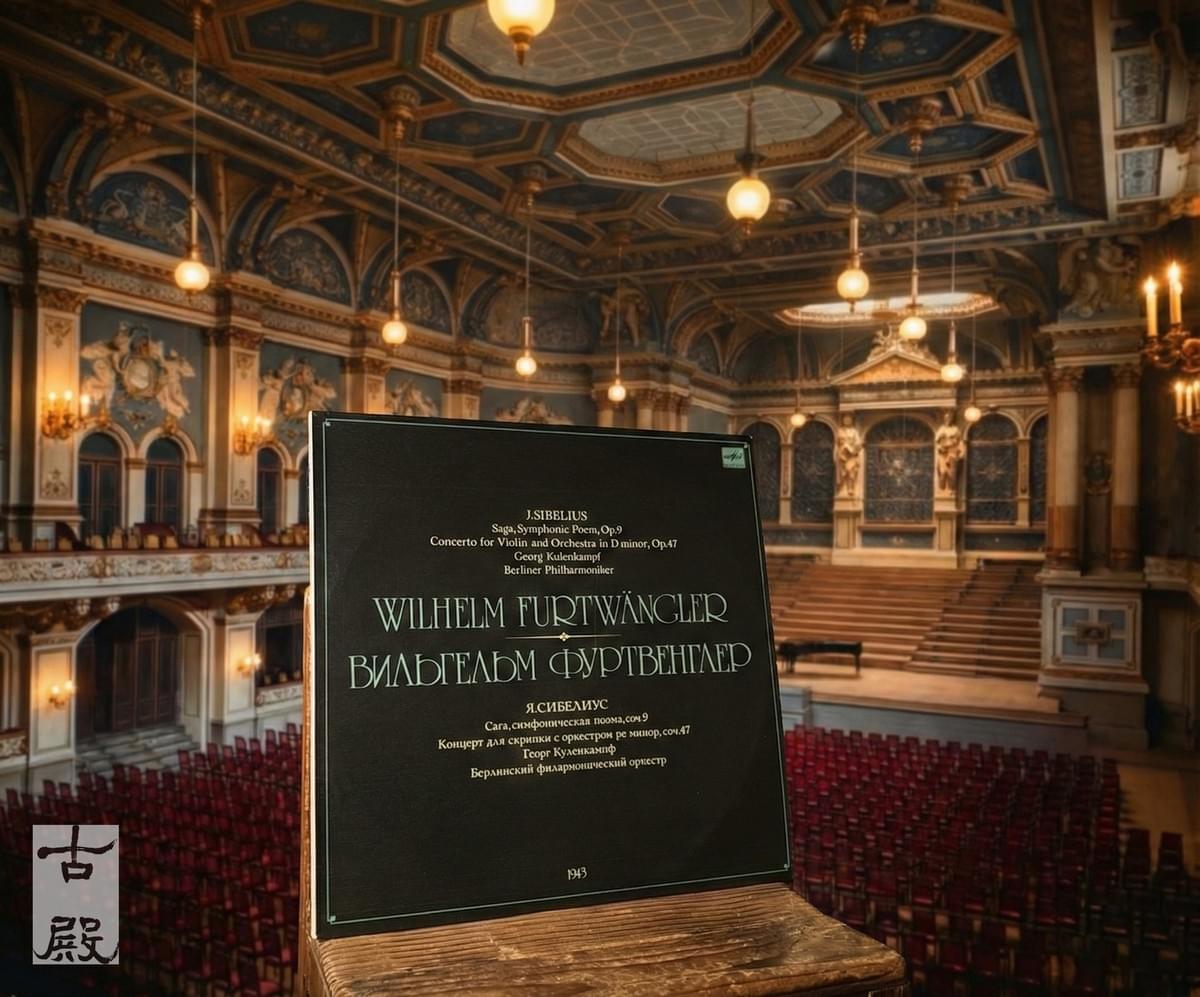
而在 1990 年代,正值蘇聯解體、政權真空的短暫窗口,日本新世界唱片(Shinsekai) 出資商請蘇聯國營唱片公司 Melodiya,首次利用保存在莫斯科磁帶庫中的「原始母帶」,限定生產了面向日本的 LP。這批版本使用了當時最新的機器進行刻片壓製,比起一般的數位 CD 或是材質欠佳的早期盤,它完整保留了磁帶中極大動態與高頻細節的「厚度」。在考慮到早期版的現實限制與高昂價格後,這批 1990 年的新世界黑膠,是目前最值得信賴與關注的版本,也是通往 1943 年空氣振動的一條珍貴路徑。
三、 魯莽的生命意志:福特萬格勒的「有機整體」
福特萬格勒曾說:
「掌握內在的困難,比克服物理性的技術困難要難得多。」
這場西貝流士完美詮釋了什麼叫「本質」勝過「表象」。
傅聰曾說:
福特萬格勒的演奏是 「Organic」(有機的)。他在大師班中常教導學生:「如果你聽福特萬格勒,你會發現他的速度變化是基於內在邏輯,他能看見整座大山,而不僅僅是腳下的路。」
國際樂評人形容庫倫肯普夫在其中是**「魯莽、玩命版的奧伊斯特拉夫」**。在這種「危險的流動」中,音樂不再是瞬間的娛樂(Effect),而是時間的真理(Truth)。福特萬格勒指揮下的柏林愛樂像是一場風暴,而庫倫肯普夫那些不穩定的揉音與錯音,在那一刻全都轉化成了精神體驗。這不是一場協奏,這是一場與死神的生死決鬥。
四、 感知復健:找回失落的人味
鄭京和之所以想燒掉他自己的唱片,是因為她在那份錄音裡聽見了這種現場「不計代價」的真實。這不是靠「效果」堆疊出的掌聲,而是那種能不可抗拒地、帶著神祕必然性贏得勝利的「品質」。
這就是「古殿」想要促成的感知復健。在科技追求「冷酷完美」的今天,我們太容易獲得「精準」,卻太難獲得「真實」。這份 1943 年的現場錄音強迫我們關掉大腦的運算,去聽見那種在末日邊緣,依然想要傳達生命訊息的人性。當你看見了這份「整體」的生命力,你就不會再被「規格」與「數據」綁架。
# 在廢墟中聆聽永恆:為什麼我們需要這本遲到 78 年的書?
如果你在聆聽這場 1943 年的西貝流士時,曾被那種「偉大的恐怖」所震懾,那麼你一定會問:究竟是什麼樣的精神結構,能支撐一個人在毀滅邊緣爆發出這種能量?
要聽懂福特萬格勒留給世界的聲音,我們必須了解他內心的所思所想。
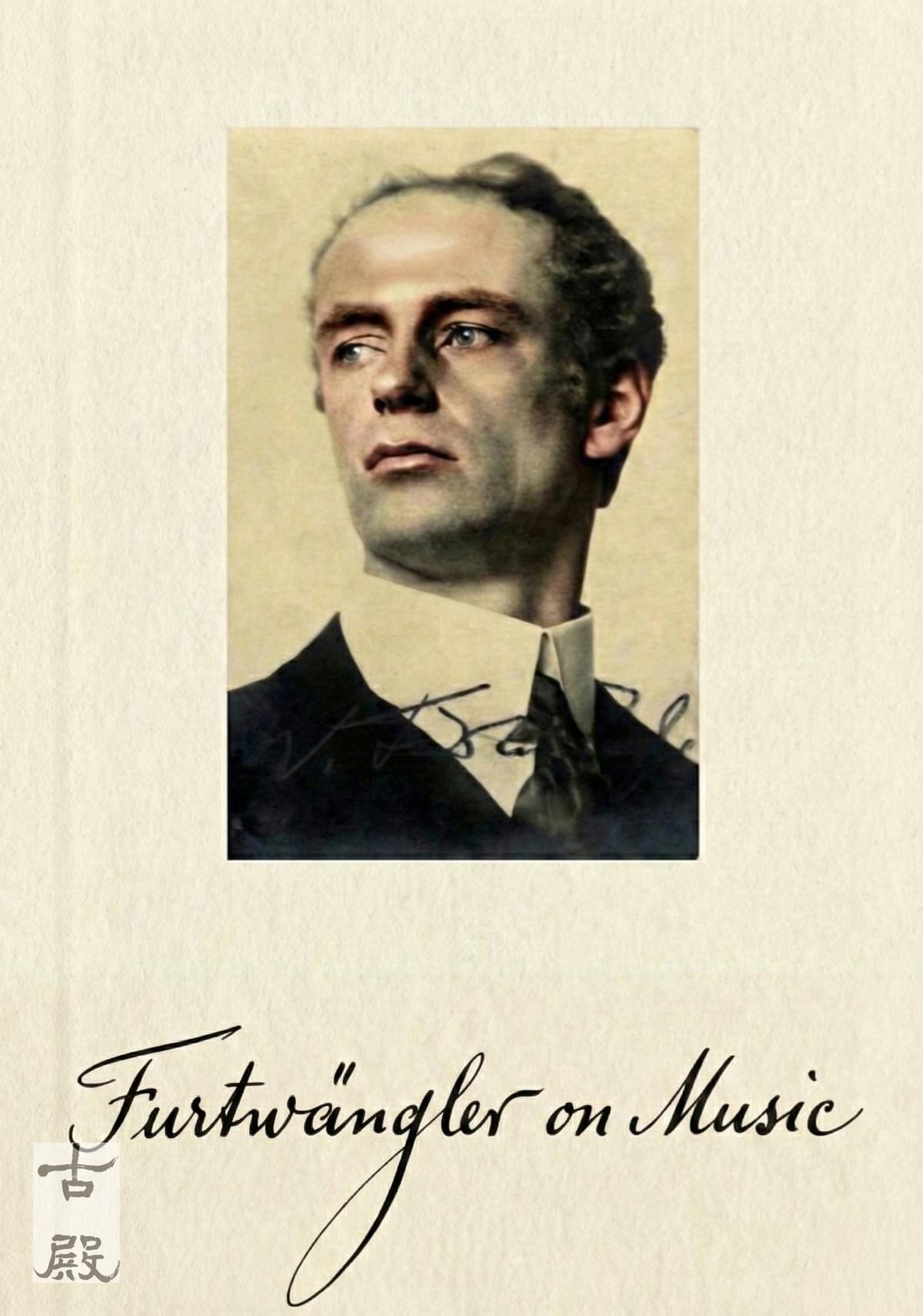
這正是為什麼「古殿樂藏」決定承擔起這場文化使命,編譯這本遲到了 78 年的經典——《福特萬格勒談音樂》(Gespräche über Musik),1948。大師在筆下談論聽眾如何成為共同體,談論藝術如何對抗機械化的技術崇拜。
78 年來,這本書在德語、英語世界被奉為圭臬,日文版也早在1953年就問世,雖然中文領域的福特萬格勒的音樂愛好者不少,但此書卻始終缺席於華語讀者的視野。或許是因為它太過厚重——不是頁數的厚重,而是思想的密度;又或許是因為它太難歸類——它名為「談音樂」,實則是談論生命、哲學、命運與神性。
無論如何,如果您熱愛古典音樂,熱愛歷史與文化,熱愛福特萬格勒的指揮棒下的音樂,這本書絕對是務必要讀的一本經典;如果您想穿透時空的迷霧,不只是「聽見」他的指揮棒,而是「走進」那位在廢墟中守護靈魂的巨人內心,這本書將是唯一的鑰匙。讓我們跟隨大師的思辨,在技術狂奔的時代,找回那穿越時空、永恆不滅的人性之聲。
2026年「古殿樂藏」—— 敬請期待。
實體音樂:
*********
【Gudian Music Story】The Great Terror: Why Did Kyung-Wha Chung Want to Burn Her Own Sibelius Records?
Imagine a scene: It’s the 1970s, inside an apartment in London. Two world-class musicians are sitting together—one is the piano master Fou Ts'ong, and the other is the "Queen of the Violin," Kyung-Wha Chung, who was taking the world by storm with her Sibelius Concerto.
This story comes from Fou Ts'ong’s own conversations. At that time, Chung was at the peak of her prestige. She had just finished recording that album at Kingsway Hall for DECCA, the one that would crown her career. In that recording, engineered by the legendary Kenneth Wilkinson (1912–2004), her violin tone was cold, sharp, and fierce, supported by the impeccable soundstage of André Previn (1929–2019) and the London Symphony Orchestra. That record was a miracle of the modern recording industry and was universally hailed as the new benchmark for Sibelius.
But that day, what Fou Ts'ong put on the turntable in his London home was a live recording from 1943, coming out of war-torn Berlin. It was a collaboration between Georg Kulenkampff (1898–1948) and Wilhelm Furtwängler (1886–1954).
The moment that raw, unpolished sound—surging up as if from the depths of the earth—came to an end, the violinist who had just stood atop the world with her "perfect recording" jumped up in agitation and blurted out:
"Burn all my other Sibelius records!"
Fou Ts'ong later used a specific phrase to describe this performance:
"The Great Terror."
Why would a master standing at the pinnacle of modern technology feel so humbled and shaken by a recording from over 80 years ago, one that even contained wrong notes? To understand this "terror," we must tear away the mask called "audio effect" from a performer’s core perspective and enter the soul of Furtwängler:
It is a story about the masses, time, and the creation of a community.
1. The Two Levels of Sibelius: From "Playing the Hero" to Forgetting Yourself and "Becoming Music"
The critics of this recording were not general audiences, but top-tier performers like Fou Ts'ong and Kyung-Wha Chung who understood the very texture of the music. For them, the Sibelius Violin Concerto presents two completely different thresholds.
Level 1: Physical Desperation (This can be "acted" out) This piece is written at the limit of human finger capability. To fight against the orchestra behind you—which stands like a wall of ice—the performer must act like a warrior. You frown, you exert force, you break bow hairs; all of this can be designed through practice. But in Furtwängler's eyes, this kind of "desperation" often remains stuck in what he criticized as "sensualism"—an "effect without a cause." It intoxicates the audience momentarily, but it builds no true spiritual connection.
Level 2: Entering "No-Self" within the "Whole" (This must be "lived" out) This is where Kulenkampff is most astonishing. At this second level of difficulty, the performer no longer considers whether they look "cool" or even "stable." They are no longer the standard by which the material is measured; instead, they throw themselves completely into the logic of the music, entering a state of "incommensurability."
In the opening of Gespräche über Musik (Concerning Music), Furtwängler distinguished between the "Masses" (Masse) and the "Community" (Gemeinschaft). In 1943, Kulenkampff gave up on "performing" and stepped into "no-self." He knew that amidst the flames of war, every cry could be the last. When a person no longer worries about "collapsing," they guide that energy, sublimating it into the river of time, finally returning to "Oneness." This wasn't acting like a hero; this was the last scream of the will to live amidst the smell of gunpowder.
2. Berlin 1943: "Secret Tech" on the Brink of Destruction & Historical Destiny
The reason this recording possesses such a shocking "physical weight" stems from a struggling legacy and a piece of military secrecy.
1. The Vacuum of Joachim’s Heir and the Replacement The original choice was Joseph Joachim’s successor, Adolf Busch (1891–1952). However, Busch left Germany in protest against the Nazis, and Kulenkampff filled the void. In this vacuum era, he carried the last dignity of the Austro-German tradition, yet he was also caught in the most violent tug-of-war between politics and art: Do musicians serve politics, or do they provide the final spiritual pillar for suffering people?
2. The Miracle of Military Tape: The "Sound Nuke" Ahead of the World The technical "terror" of the Magnetophon(reel-to-reel tape recorder) developed by Germany in 1943 lies in two points:
Astonishing Realism: Its dynamic range could capture details above 10,000Hz, allowing the "magma-like orchestral energy" under Furtwängler’s baton to be recorded without loss.
Continuous Long-Form Recording: Before tape, recordings were limited by the capacity of wax discs, requiring interruptions every few minutes. But military tape allowed the entire concert to be recorded as a complete, organic living organism—just like breathing. This "black technology," which was a decade ahead of the rest of the world, was only revealed after the fall of Berlin in 1945, when the tapes were shipped to Moscow as war trophies, planting the seeds for this legendary version.
3. Shinsekai & Melodiya: A Reliable Coordinate in a Vacuum Era regarding the posthumous publication of this recording, the transfer quality determines "whether you can see the truth." While early Soviet vinyl releases were the source for many Western labels, those pressings were often rough, rare, and astronomically expensive—a myth unreachable for the average collector.
However, in the 1990s, during the brief window of the Soviet collapse and political vacuum, the Japanese label Shinsekai(New World) funded the Soviet state record company Melodiya to produce a limited run of LPs for Japan, using the original master tapes stored in the Moscow archives. These versions used the latest cutting machines of the time. Compared to standard digital CDs or poor-quality early pressings, this release preserved the "thickness," the massive dynamics, and the high-frequency details of the magnetic tape. Considering the limitations and costs of early pressings, the 1990 Shinsekai vinyl is currently the most trustworthy version to watch for—a precious path back to the vibrating air of 1943.
3. Reckless Will to Life: Furtwängler’s "Organic Whole"
Furtwängler once said:
"Mastering inner difficulties is far harder than overcoming physical technical difficulties."
This performance of Sibelius perfectly illustrates how "essence" triumphs over "appearance."
Fou Ts'ong noted that Furtwängler’s playing was "Organic." In his masterclasses, he often taught students: "If you listen to Furtwängler, you will find that his tempo changes are based on internal logic; he sees the entire mountain, not just the path beneath his feet."
International critics have described Kulenkampff in this recording as a "reckless, life-risking version of Oistrakh." In this "dangerous flow," music is no longer a momentary entertainment (Effect), but the truth of time (Truth). The Berlin Philharmonic under Furtwängler sounds like a storm, and Kulenkampff's unstable vibrato and wrong notes are all transformed into a spiritual experience in that moment. This is not a concerto; it is a duel of life and death with the Grim Reaper.
4. Perception Rehabilitation: Finding the Human Touch
The reason Kyung-Wha Chung wanted to burn her own records was that she heard this "authenticity at all costs" in that recording. It wasn't applause built on "effects," but a "quality" that wins victory with an irresistible, mysterious inevitability.
This is the "Perception Rehabilitation" that Gudian (The Ancient Palace) strives to facilitate. In today's pursuit of "cold perfection" in technology, we find "precision" too easily, but "reality" too hard to come by. This 1943 live recording forces us to turn off the brain's calculations and listen to the humanity that still wants to convey a message of life, even on the edge of the apocalypse.
When you see this "vitality of the whole," you will no longer be held hostage by "specs" and "data."