
【古殿唱片音樂故事】聽見被歷史遺忘的雷蒙·圖阿,與那台老 Pleyel 鋼琴
古殿殿主
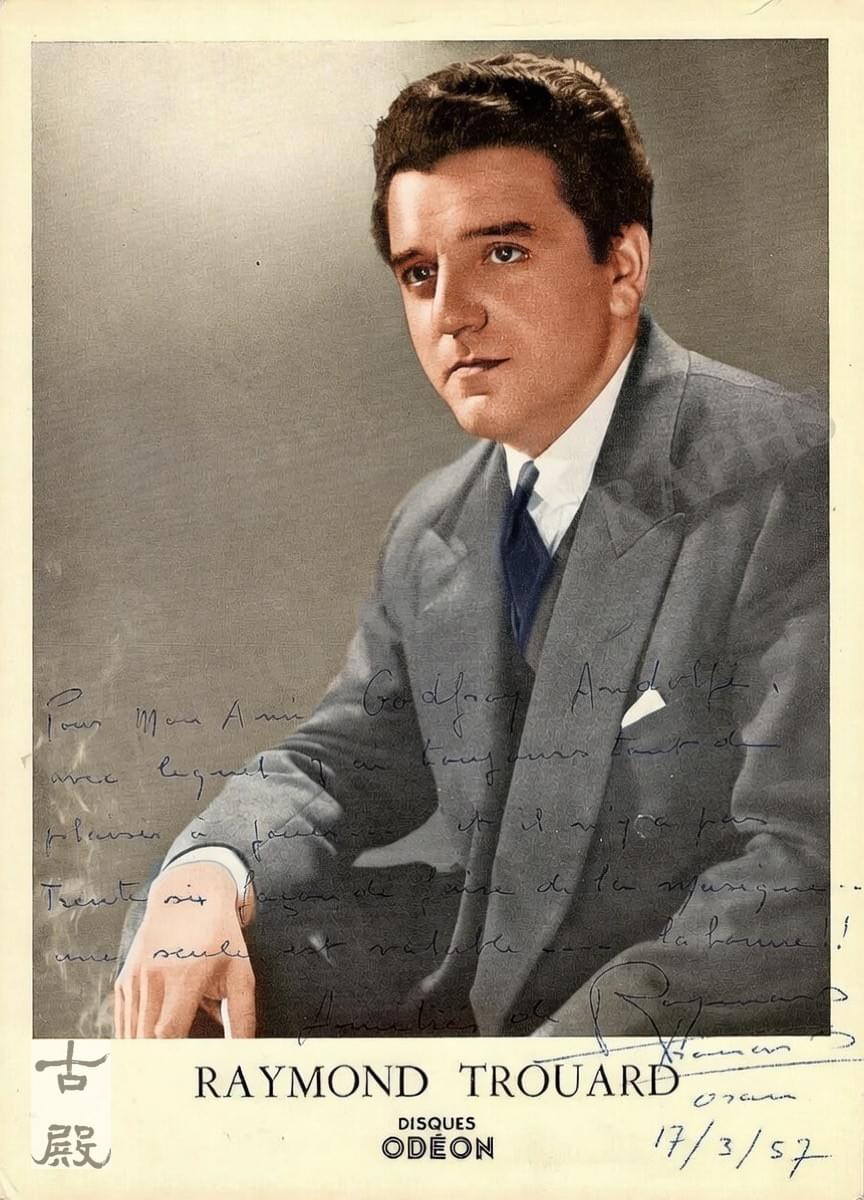
你聽過雷蒙·圖阿(Raymond Trouard, 1916-2008)這位鋼琴家?
如果你覺得這個名字很陌生,那完全是正常的。我們常常有一種迷思,覺得歷史上留下來的、大家都聽過的名字才是最厲害的;但其實,明星或巨星,時常是被商業包裝出來的。在這個世界上,有很多真正厲害的大師,可能不為人知。雷蒙·圖阿就是這樣一個人。
隱世的巨擘:被歷史低估?
雷蒙圖阿沒有傲人的家世,也不愛在媒體前拋頭露面。但他可不是沒有實力。他1929年就進了鼎鼎大名的巴黎音樂院,1933年,才不過17歲的年紀,他就拿下了巴黎音樂院的鋼琴首獎畢業。更誇張的是,1939年他還贏得了首屆的「路易·迪耶梅大獎」(Grand Prix Louis Diémer),這在當年,簡直就是拿到了一張通往國際超級巨星的黃金門票。他當年甚至被認為是法蘭西鋼琴藝術的接班人。
但為何在後世幾乎沒有什麼人知道?
其實這就是「歷史的斷裂」。雖然他在黑膠時代的錄音,直到2008年才被出成一套11張CD的合集,但從進入CD時代的1980年代到2008年這段期間,他的錄音基本是完全沒有出過CD版本的。這也使得後來使用CD載體聽音樂的聽眾,基本從無任何機會認識他。這就是歷史斷裂的其中一個原因。
除了時代載體的埋沒,他的老師們也都是傳奇人物。他師從埃米爾·馮·紹爾(Emil von Sauer,1862-1942),而紹爾是誰?紹爾是「鋼琴之王」李斯特(Franz Liszt,1811-1886)晚年最親近的嫡傳弟子之一!也就是說,特魯阿爾的琴鍵上,流著的是純正的19世紀浪漫派血液。就連創作《魔法師的學徒》的大作曲家保羅·杜卡斯(Paul Dukas,1865-1935),以及指揮大師布魯諾·華爾特(Bruno Walter,1876-1962),都曾經教導過他。拉赫曼尼諾夫(Sergei Rachmaninoff,1873-1943)與拉威爾(Maurice Ravel,1875-1937)這些音樂史上的神級人物,也都私下指點過他。
但在這麼多神級名師中,有一位對他影響至深的人,我一定要特別跟你分享。那就是被譽為「法國鋼琴上帝」的伊夫·奈特(Yves Nat,1890-1956)。納特是他在學校正規教育之外的私人老師。如果你聽過納特的琴聲,你就會完全明白,圖阿身上那種「不張揚、純粹」的音樂展現,到底是從哪裡來的?納特教給他的,不是怎麼在舞台上賣弄技巧、爭奪第一,而是如何把音樂褪去浮華,回到最真實的狀態。這份深層的師承,徹底定調了圖阿一生的美學。
你可能會好奇,一個彈鋼琴的,為什麼要跟指揮家、作曲家學音樂?其實,對於當年那些真正傑出的大師來說,「鋼琴家」這個標籤,對他們反而像是一個「貶義詞」。為什麼?因為他們根本不僅僅是個單一功能的「彈琴機器」,而是一位全方位的「超級音樂家」。像圖阿這樣的人,他把鋼琴演奏、作曲、指揮、管風琴、室內樂、合唱,甚至繪畫、歷史與文學等等,全部融合在自己身上。當一個人擁有這麼深厚、這麼立體的文化底蘊時,他彈出來的就不只是按鍵的聲音,而是一整個豐富的生命狀態。
擁有這麼夢幻的履歷,他大可以去全世界巡迴,享受萬人景仰,賺進大把鈔票。但他卻選擇了一條完全不同的路。除了偶爾的國際巡演,他的一生幾乎都安安靜靜地待在法國,把大部分的生命時光留給了教學(他後來在巴黎高等音樂院教了十幾年的書,(「法國鋼琴上帝」的伊夫·納特也是類似的生活方式)
溫潤的木頭音色:那台傳說中的 Pleyel 鋼琴
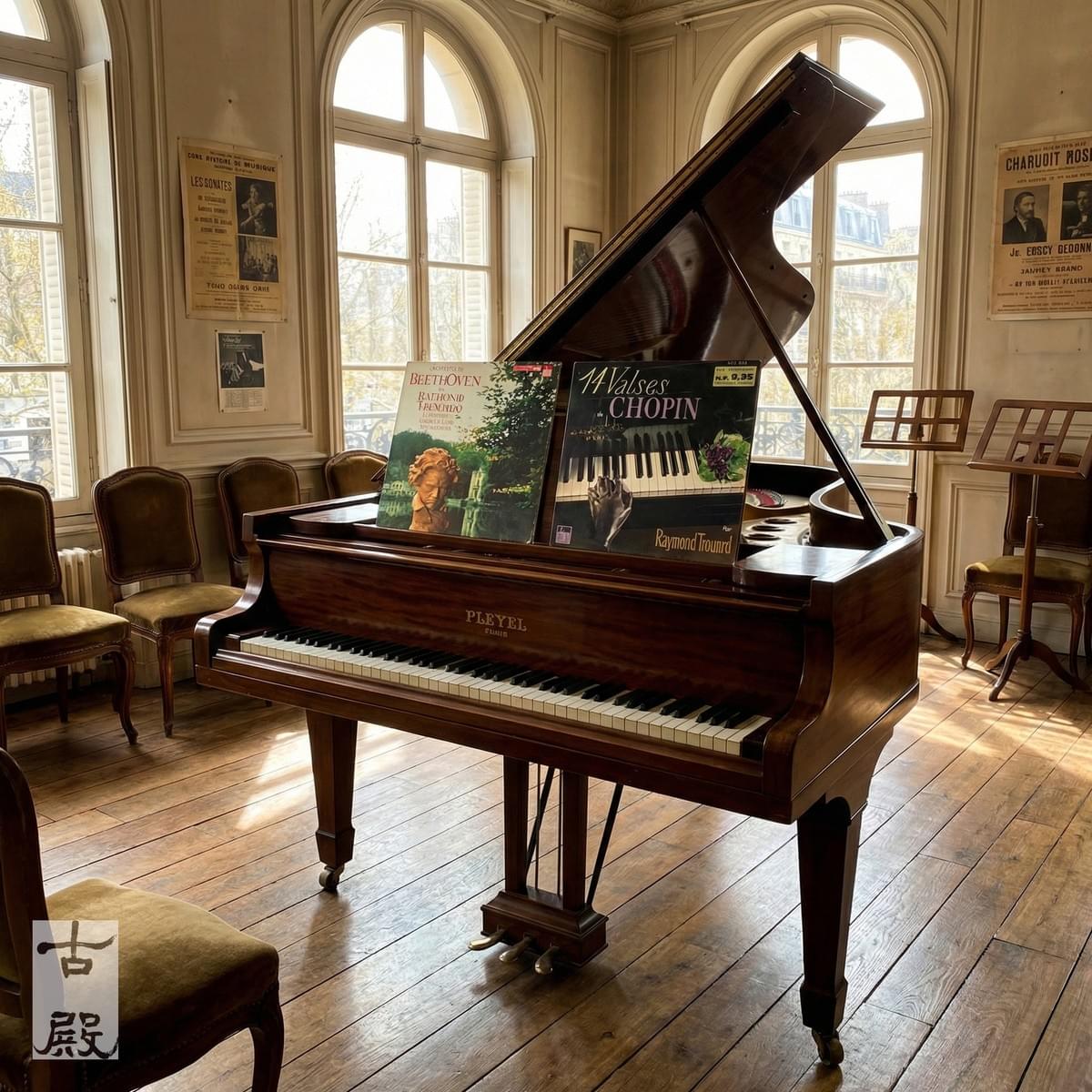
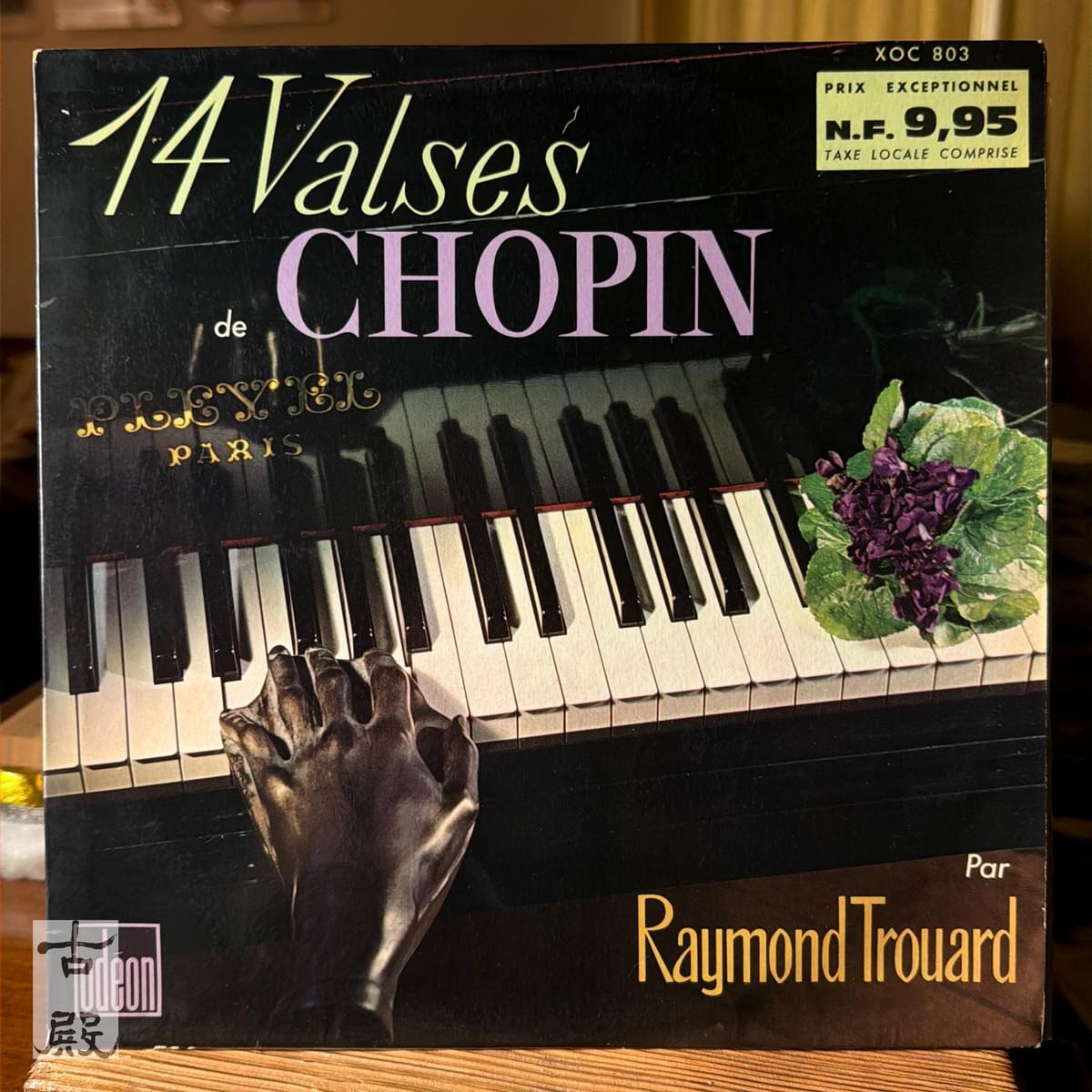
現在為你播放圖阿彈奏的《蕭邦:14首華爾滋》(Odéon XOC 803,約1961年發行)。這張唱片的封面上,特別印著一個看似不起眼,卻無比重要的標示:「Piano Pleyel」(普萊耶爾鋼琴)。
當你聽這張唱片的第一首《降E大調華麗大圓舞曲》(Op. 18),你會立刻發現,這台鋼琴的聲音跟我們現在常聽到鋼琴的聲音完全不一樣。它沒有那種銳利、刺耳的金屬光澤,也沒有那種可以輕易轟炸整個音樂廳的龐大音量。
取而代之的,是一種帶著木頭溫潤感的聲音。高音區聽起來像是一顆顆灑落在天鵝絨上的珍珠,明亮卻不刺眼;中音區則有一種飽滿、像人聲在輕輕嘆息的圓潤感。
這就是蕭邦生前最愛的 Pleyel 鋼琴的聲音。這家老字號大有來頭,它早在 1807 年就由作曲家兼出版商 Ignace Pleyel 在巴黎創立了,後來他的兒子 Camille Pleyel 繼承家業,將它發展成了歐洲最重要的鋼琴製造商之一。當蕭邦在 1831 年抵達巴黎後,就跟 Pleyel 鋼琴結下了深厚的情誼,一直到他 1849 年辭世為止。蕭邦曾經說過一句很動人的話:
「當我覺得自己充滿靈感、強壯到足以找到自己的聲音時,我需要一台 Pleyel 鋼琴。」
令人感傷的是,這個曾經裝載著無數天才靈感的偉大廠牌,撐過了兩百多年的歲月,卻在 2013 年底黯然宣布停止在法國製造鋼琴了。也就是說,這種代表著 19 世紀巴黎沙龍靈魂的純正「木頭聲」,已經成了一種無法再被輕易複製的絕響。
為什麼圖阿要特地選用這台老廠牌的鋼琴來錄製蕭邦?
這就是他做為一個歷史傳承者的底氣,他要還原的是19世紀巴黎深夜,蕭邦在朋友家的沙龍裡,點著微弱的燭光,對著少數幾個知心好友彈琴的那種「私密感」。
請你特別注意聽他在彈奏圓舞曲時的「彈跳」(Staccato)。
現代彈奏華爾滋舞曲,喜歡用很大的重力去敲擊琴鍵,聽起來像是在大舞廳裡跳著激烈的國標舞。但圖阿的觸鍵非常輕盈,他的手指就像是擁有獨立生命的精靈,輕輕拂過琴鍵就立刻彈起。這就是典型的當年「法比學派」(French School)彈奏法——不靠重力下壓,而是靠手指的獨立性與靈活性。
當你聽著這張唱片,你是在透過圖阿的手,與半個多世紀前的法國巴黎藝術氛圍接上線,甚至,你是在跟一百多年前蕭邦的靈魂接上線。
找回空間的距離感:清澈如水的貝多芬
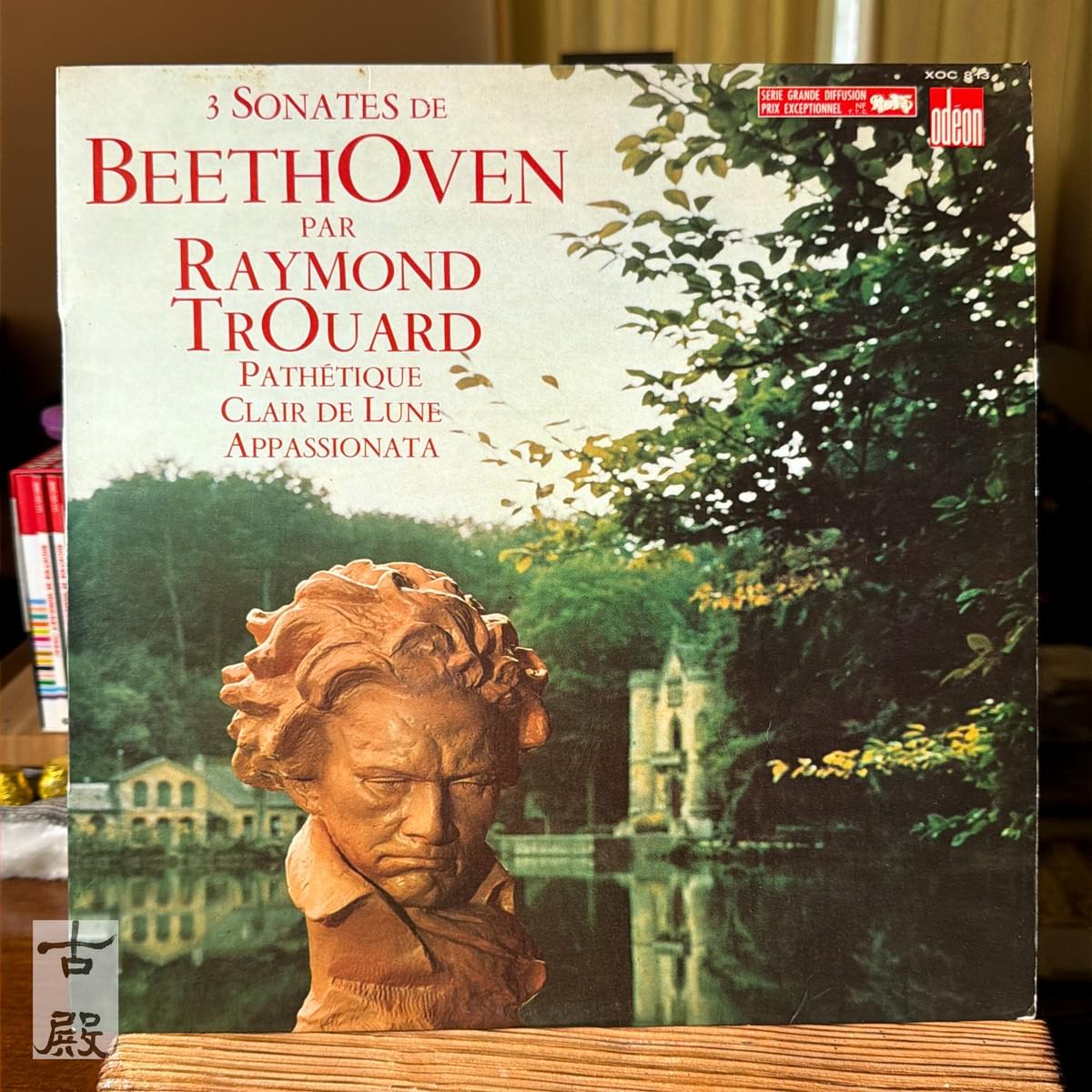
聽完了充滿法式沙龍風情的蕭邦,換上另一張唱片——圖阿彈奏的《貝多芬:三首奏鳴曲》(Odéon XOC 813)。這張唱片收錄了貝多芬最著名的三首奏鳴曲:《悲愴》、《月光》與《熱情》。
有趣的是,這張唱片的封底註明了,他使用的是我們熟知的史坦威鋼琴(Steinway)。你可能會想:史坦威?不就是現在那種聲音巨大、帶著強烈金屬光澤,可以在大音樂廳裡轟炸全場的現代鋼琴嗎?
其實不然。他彈奏的史坦威,並不是我們後來的史坦威,而是屬於那個年代的史坦威。在結構上,那時的史坦威依然保有非常溫暖的共鳴,聽起來「木頭味」還是非常濃郁的。
為什麼彈貝多芬就換了琴?因為貝多芬的音樂結構更宏大,需要更多的動態對比。但他依然堅持選擇一台有溫度的鋼琴。這展現了演奏家對「音色」的極致講究——他要多一些力量。
不過當我們聽到德國或俄羅斯的大師彈貝多芬時,常常會感受到一種很重的「哲學性」,像是一個巨人在跟命運搏鬥,聲音裡充滿了厚重的壓力感與戲劇張力。
但在這裡,請你試著在圖阿的琴聲裡,「找距離」。
我們來聽聽《月光》奏鳴曲的第一樂章。圖阿的詮釋有一種非常獨特的「透明感」。他並沒有把貝多芬的力量消解掉,但他是用一種更清晰、更冷靜的結構去呈現它。法國百科全書(Encyclopédie Universalis)曾經這樣評價他:
「他體現了鋼琴詮釋史上的法國古典主義風格,具備清晰的音粒分離和近似管弦樂色彩的音響層次。」
他彈奏出的《月光》波紋,不是那種刻意營造的、模糊浪漫的煙霧;它像是一座平靜無風的湖水,透明到你可以清清楚楚地看見水底每一顆石頭的紋路。
類似的兼具力量、流動與清晰透明畫面感的,也能在伊夫奈特的彈奏上見到,這是一種超凡入聖的演奏境界,法國學派演奏德奧音樂的典範。
他不把情緒強加在你身上,他只是把音符清晰地、有層次地擺在那裡,留白給你自己去感受,而音樂在自然中不斷生長出來,簡直奇蹟。
*******
【Gudian Music Story】Hearing the Forgotten Raymond Trouard and the Old Pleyel Piano
Have you ever heard of the pianist Raymond Trouard (1916–2008)?
If the name sounds unfamiliar, don't worry—that’s completely normal. We often fall into the trap of thinking that only the names etched into "mainstream history" are the greatest. But the truth is, stardom is often a product of commercial packaging. In this world, there are many true masters who remain hidden in the shadows of time. Raymond Trouard was one of them.
A Hidden Giant: Underrated by History?
Trouard didn’t come from a prestigious dynasty, nor did he care for the spotlight. But make no mistake: his talent was formidable. He entered the legendary Paris Conservatoire in 1929, and by 1933—at just 17 years old—he graduated with the Premier Prix in piano. Even more staggering, in 1939, he won the inaugural Grand Prix Louis Diémer. Back then, that was a golden ticket to international superstardom. People saw him as the rightful heir to the throne of French pianism.
So, why is he nearly forgotten today?
It’s a classic case of a "historical rupture." Although his recordings from the vinyl era were eventually collected into an 11-CD box set in 2008, his work was almost entirely absent during the digital boom of the 80s and 90s. For decades, listeners who relied on CDs simply had no way to find him.
But beyond the medium, there is the lineage. Trouard was a student of Emil von Sauer, who was one of the closest disciples of the "King of Piano," Franz Liszt. This means that pure, 19th-century Romantic blood flowed through Trouard’s fingertips. He was also mentored by giants like Paul Dukas (composer of The Sorcerer’s Apprentice) and the great conductor Bruno Walter. Even legends like Rachmaninoff and Ravel gave him private guidance.
Among these gods of music, there is one person I must tell you about: Yves Nat, often called the "God of French Piano." Nat was Trouard’s private mentor outside of formal schooling. If you’ve ever heard Nat play, you’ll understand exactly where Trouard’s "unpretentious, pure" expression comes from. Nat didn't teach him how to show off or compete for the top spot; he taught him how to strip away the vanity and return the music to its most honest state. This deep spiritual inheritance defined Trouard’s lifelong aesthetic.
You might wonder: why would a pianist study with conductors and composers? For the true masters of that era, being called just a "pianist" was almost an insult. Why? Because they weren't just "playing machines"—they were "Super Musicians." Trouard integrated piano, composition, conducting, organ, chamber music, choir, and even painting, history, and literature into his being. When a person possesses such a multi-dimensional cultural soul, what they produce isn't just the sound of keys being pressed—it is a vivid state of life.
With such a dream-like resume, he could have toured the world for fame and fortune. Instead, he chose a different path. Aside from occasional international tours, he lived a quiet life in France, dedicating most of his years to teaching at the Paris Conservatoire. He chose "being" over "having."
The Warmth of Wood: The Legendary Pleyel Piano
I want to play for you Trouard’s recording of Chopin: 14 Waltzes (Odéon XOC 803, released around 1961). On the cover, there is a small but vital detail: "Piano Pleyel."
When you listen to the first track, the Grande Valse Brillante in E-flat Major (Op. 18), you’ll immediately notice that this piano sounds nothing like the ones we hear today. It lacks that sharp, piercing metallic edge. It doesn't have that massive volume designed to blast through a modern concert hall.
Instead, you hear a warm, woody tone. The high notes sound like pearls scattered onto velvet—bright, but never blinding. The middle register has a fullness, a rounded quality that sounds like a human voice gently sighing.
This is the sound of the Pleyel piano, the brand Chopin loved most. Founded in Paris in 1807 by Ignace Pleyel, it became the heart of European piano making. When Chopin arrived in Paris in 1831, he formed a deep bond with Pleyel that lasted until his death in 1849. Chopin once said:
"When I feel inspired and strong enough to find my own voice, I need a Pleyel piano."
Tragically, after over 200 years of carrying the inspiration of geniuses, Pleyel ceased production in France at the end of 2013. That authentic "woody sound"—the soul of the 19th-century Parisian salon—has become an echo that can no longer be easily reproduced.
Why did Trouard insist on using this vintage piano for Chopin?
Because he was a guardian of history. He wanted to recreate that "sense of intimacy"—the feeling of Chopin playing in a friend's salon late at night, under dim candlelight, for a few kindred spirits.
Listen closely to his staccato. Modern pianists often use heavy gravity to strike the keys, sounding like a vigorous ballroom dance. But Trouard’s touch is incredibly light. His fingers are like spirits with a life of their own, brushing the keys and leaping away instantly. This is the classic "French School" of playing—not relying on downward force, but on the independence and agility of the fingers.
Through Trouard’s hands, you aren't just listening to a record; you are connecting to the atmosphere of Paris half a century ago. You are connecting to the soul of Chopin from over a hundred years ago.
Reclaiming the Sense of Space: Beethoven as Clear as Water
After the French salon style of Chopin, let’s switch to another record—Trouard playing Beethoven: Three Sonatas(Odéon XOC 813), featuring the Pathétique, Moonlight, and Appassionata.
Interestingly, the back of this sleeve notes that he used a Steinway. You might think: "A Steinway? Isn't that the modern piano with the huge, metallic sound?"
Not quite. The Steinway he played wasn't the Steinway of today; it was a Steinway of its era. Structurally, it still retained a very warm resonance, with a rich, "woody" flavor. He chose it because Beethoven’s music has a grander architecture and requires more dynamic contrast. He wanted more power, but he still demanded a piano with a "soul."
When we hear German or Russian masters play Beethoven, we often feel a heavy "philosophy"—like a giant wrestling with fate. There is a sense of pressure and dramatic tension.
But here, I want you to try to "find the distance" in Trouard’s playing.
Listen to the first movement of the Moonlight Sonata. Trouard’s interpretation has a unique "transparency." He doesn't strip away Beethoven’s power, but he presents it through a clearer, calmer structure. The Encyclopédie Universalis once described his style perfectly:
"He embodied the French Classical style in the history of piano interpretation, characterized by clear articulation and orchestral layers of sound."
The ripples in his Moonlight aren't a forced, blurry romantic fog. It’s like a lake on a windless day—so transparent that you can clearly see the texture of every stone at the bottom.
You can find a similar realm of playing—blending power, flow, and transparency—in the work of his mentor, Yves Nat. It is a transcendent state of performance and a prime example of the French School interpreting Austro-German music.
Trouard doesn't force his emotions on you. He simply places the notes there, clearly and in layers, leaving the "empty space" for you to feel for yourself. The music grows naturally out of that stillness. To me, that is nothing short of a miracle.