
【古殿唱片音樂故事】一間公司,為了一個聲音而誕生——Philips唱片的起源?孟根堡1939,李希特1958,以及巴哈馬太受難曲的精神傳承
古殿殿主
你知道「Philips唱片」的起源?
1949年,Philips公司的高層從美國返回荷蘭。
戰爭終於結束了。他們要把公司重新啟動,讓一切運作起來。有太多事情需要處理,有太多斷掉的線需要重新接上。
但在所有需要做的事情裡,有一件事讓他們掛心,著急要盡快進行。
1950年,他們招集了一群工程師,成立了一個新的事業體。任務只有一個:從地窖裡取出那些膠捲,把它們變成世界可以聆聽的東西。
那些膠捲,展開來長達八公里。
它們在地窖裡等了將近十年——從1940年納粹進入荷蘭的那一天開始,就一直在那裡。在整個二戰期間,在整個荷蘭被佔領的黑暗年代,它們靜靜地躺在黑暗裡。
那八公里的膠捲裡,有什麼?
有1939年4月2日,一個「棕枝主日」※的下午,在阿姆斯特丹音樂大會堂發生的事。有一個已經積累了四十年的傳統,在那個下午的最後一次完整現身。有一千多名聽眾在音樂中流下的眼淚。
還有——在音樂正式開始之前的兩聲:「扣、扣」。
一個68歲的指揮家,用指揮棒敲擊譜架,告訴他的樂手:我們準備好了。
那兩聲也在膠捲裡。
為了讓那八公里的膠捲——那兩聲、那些眼淚、那個下午——抵達世界,這群工程師花了三年時間清潔、復原、轉錄。
這個部門,就是Philips唱片的起源。
一間公司,為了一個聲音而誕生。
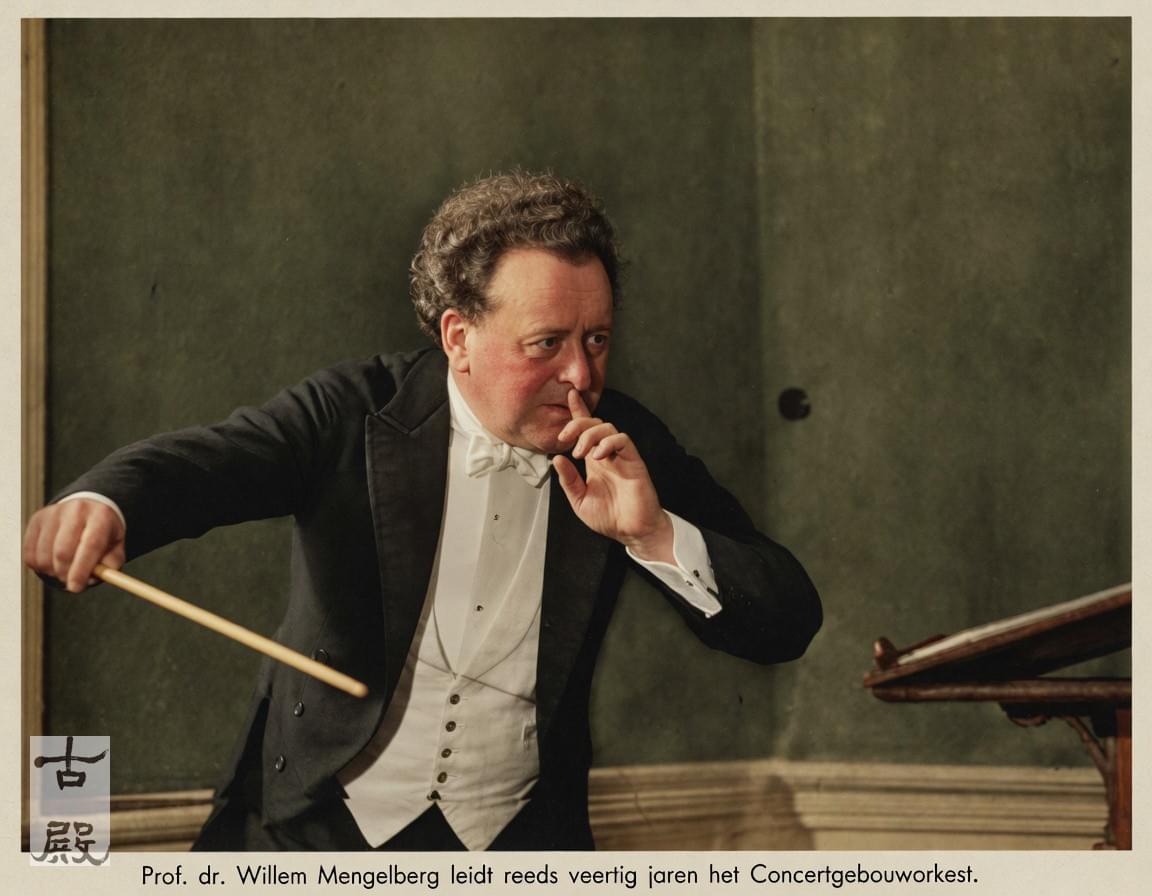
那個聲音,是威廉・孟根堡(Willem Mengelberg,1871-1951)指揮大會堂管弦樂團演奏的巴哈《馬太受難曲》。
一顆種子,一百二十年
要理解為什麼那個聲音值得一間公司為它誕生,必須從一百多年前說起。
1829年,柏林。一個20歲的年輕人,決定做一件幾乎沒有人認為值得做的事——復演一部已經沉睡了將近一百年的作品。
那部作品,是約翰・賽巴斯提安・巴哈的《馬太受難曲》。
巴哈死於1750年。他死後,這部作品幾乎被世界遺忘。那個年輕人翻出了手稿,說服了一個合唱團,在柏林重新演出了它。
那個年輕人叫菲利克斯・孟德爾頌(Felix Mendelssohn,1809-1847)。
那場演出,震驚了整個歐洲音樂界。不是因為它「還原了巴哈」,而是因為它讓人們看見:這部被遺忘的作品,仍然活著。它能夠用一種超越時代的力量感動世人。
這不是復古。這是開新。
孟德爾頌不只是復演了一部作品。他做的,是一場規模更大的革命——為了讓這部作品重新活在當代,他明白需要建立全新的制度。需要專業的音樂學院培育人才。需要成熟的職業樂團實現複雜的演出。需要一整套讓偉大作品能夠持續傳遞的體系。
他自己動手做了一部分:創立萊比錫音樂學院,建立演出傳統,推廣被遺忘的舒伯特、巴哈、亨德爾。
但他做的遠不止於演出。他深知,一部作品要真正活下去,光靠演出是不夠的——樂譜必須被整理、被出版、被學者研究,才能成為可以傳遞的知識體系。
於是他發起成立了「巴哈協會」(Bach-Gesellschaft),聚集學者與音樂家,系統性地收集、研究、整理巴哈的全部作品,並逐步出版完整的樂譜全集。後來又有「韓德爾協會」以同樣的精神成立,做同樣的事。
這是一個深刻的認識:偉大的音樂需要制度的支撐,才能真正存活。 演出讓它活在當下,學術整理讓它活在未來。
孟德爾頌種下了一顆種子。這顆種子,在他之後繼續生長。
一個荷蘭人,繼承了這顆種子
1895年,阿姆斯特丹。
一個24歲的年輕指揮家,走進了大會堂管弦樂團的排練室,開始了他的第一個工作日。
他叫威廉・孟根堡。他之後在這裡工作整整五十年。
孟根堡在德國科隆音樂學院接受訓練,深受孟德爾頌所開啟的巴哈復興精神影響。他理解孟德爾頌留下的那個洞見:偉大的藝術,需要堅實的制度才能活下去。單靠天才是不夠的,天才需要一個可以讓它運作的世界。
所以孟根堡不只是指揮音樂。他建立了那個世界。
他把一個區域性的樂團,鍛造成世界頂級的樂團。他邀請馬勒親赴荷蘭指揮自己的作品,在馬勒幾乎被時代遺忘的時候,發起了史上第一個馬勒音樂節,用九場音樂會完整演出馬勒所有的交響曲。理查・史特勞斯把《英雄的生涯》題獻給他和他的樂團,說:「我終於找到一個可以演奏全部樂段的管弦樂團了。」
他做的每一件事,都在建立一個比他個人更長壽的東西。
而在所有他做的事情裡,有一件最能說明他繼承了什麼:
1899年,孟根堡在阿姆斯特丹音樂大會堂,建立了每年棕枝主日演奏巴哈《馬太受難曲》的傳統。
這個傳統,從1899年開始,一年一年,不曾中斷。
四十年,每年一次
試著想像一下這件事的規模。
同一個廳。同一個樂團。同一部作品。四十年,每一個棕枝主日。
四十年的集體身體記憶,積累在每一個音樂家身上。那個廳的聲學空間,那部作品的每一個轉折,那個傳統的重量——全部都在,沉沉地在每一個人的肌肉和呼吸裡。
孟根堡的《馬太受難曲》,不是一個被設計出來的演出。那是一個有四十年根的儀式。
1939年,是第四十次。
孟根堡當時68歲。他不知道那是最後一次。沒有人知道。
那年的秋天,德國會入侵波蘭。再過八個月,荷蘭會淪陷。一切都會改變。
但在1939年4月2日,棕枝主日那個下午,音樂大會堂裡坐滿了人。孟根堡站上指揮台。
「扣、扣」。
指揮棒敲擊譜架的兩聲。
然後,四十年的積累,開始流動。
一個技術奇蹟,選擇了這個下午
在此之前,從來沒有人能夠把一部三小時以上的作品,作為一個完整的聲音事件保存下來。
78轉蟲膠唱片,每面只能錄製大約五分鐘。一部《馬太受難曲》如果用蟲膠唱片錄製,必須被切割成三十幾個片段——每個片段之間,現場的空氣、餘音、時間的流動,全部中斷。那不是錄音,那是拼貼。
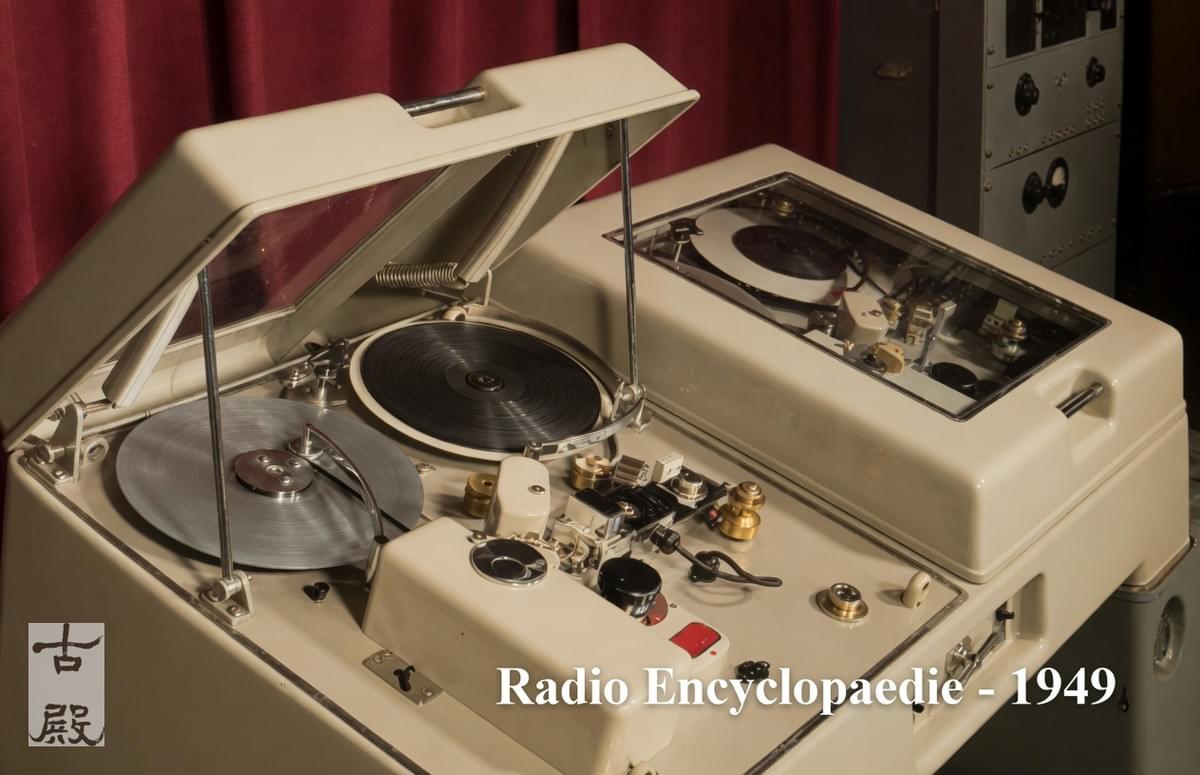
然後Philips的工程師發明了Philips-Miller光學錄音系統。
這套系統可以在一卷35毫米光學膠捲上,不間斷地錄製長達三小時以上的聲音。它是公開的技術,面向未來,計劃推廣給全世界的廣播電台使用。
而Philips決定,這套技術所選擇的第一個錄音對象,就是孟根堡指揮的《馬太受難曲》。
技術選擇了傳統。傳統賦予了技術意義。
1939年4月2日,Philips實驗室的工程師馬里烏斯·范德梅倫(Marius van der Meulen)將錄音設備架設在音樂大會堂,一支心形指向性麥克風懸掛在樂團前上方。「扣、扣」兩聲之後,光學膠捲開始運轉。那個下午的每一個聲音——音樂、靜默、呼吸、餘音、聽眾的哭泣——被連續地、完整地記錄在光學軌跡上。
人類第一次,把一個三小時以上的音樂現場,作為一個完整的時間流保存了下來。
那八公里的膠捲,就這樣誕生了。
(關於這套錄音系統的詳細內容與故事,殿主之後再另外寫一篇文章專門介紹)
地窖、逃亡、與一個無聲的承諾
1940年。納粹的部隊越過邊境,進入荷蘭。
Philips的高層決定撤往美國。在倉促離開之前,他們做了一件事:把那些光學膠捲,仔細地藏進了地窖。
在一個需要逃命的時刻,他們還記得那些膠捲。
那個動作,是一個無聲的承諾:我們會回來取出它。
整個二戰期間,孟根堡留在阿姆斯特丹繼續指揮。那些膠捲在地窖裡等待。納粹的磁帶錄音技術在封鎖中秘密發展,同樣可以長時間錄音,但以軍事機密的方式運作。
1945年,戰爭結束。
納粹的磁帶技術作為戰利品被公開,迅速商業化,世界開始進入磁帶錄音時代,也因長時間錄音的實現,黑膠LP也在1948年問世。
1949年,Philips的高層從美國回到荷蘭。他們的技術已經被歷史超越。世界已經不再需要Philips-Miller光學錄音系統——磁帶已經做到了更多。
但他們從地窖取出的那些膠捲,完好無損。
那個無聲的承諾,等待被完成。
三年,八公里
1950年,Philips成立了一個專門的團隊。
任務是:把那八公里的光學膠捲,變成新時代可以流通的黑膠唱片。
這不是一件簡單的工作。膠捲在地窖裡存放了將近十年,需要先被清潔、復原,才能被讀取。然後需要從光學格式轉錄成磁帶,再從磁帶製作成黑膠母盤。
每一步,都不能有閃失。因為任何一個損壞的片段,就是那個下午永遠消失的一個瞬間。
他們花了三年。
1953年1月24日,星期六下午,阿姆斯特丹音樂大會堂的小廳裡,聚集了荷蘭新聞界和音樂界的重要人士。Philips Phonografische Industrie舉辦了一場特別的發表會。
沒有任何演奏家站在台上。舞台中央擺著一個靈柩台,四周圍著鮮花,背景掛著一幅荷蘭畫家揚 托洛普(Jan Toorop,1858-1928)風格的陰沉畫作。記者露絲齊瑪曼(Ruth Zimmermann)描述,現場氣氛看起來像是要舉行一場葬禮。所有人的臉上都帶著冷淡而茫然的表情。
然後——
擴音器裡傳來了一個大廳裡人群低語的聲音。那個靈柩台裡,藏著一套音響播放系統。低語聲之後,是一聲清脆的敲擊——指揮棒敲在譜架上,請聽眾安靜,告訴樂手準備好了。
接著,演出開始。
正是1939年4月2日,棕枝主日那個下午,孟根堡指揮的馬太受難曲——完整地、連續地,從四張十二吋Philips Minigroove黑膠唱片流出,進入那個小廳,進入在場每一個人的身體。
露絲齊瑪曼的報導標題寫著:「幸福是無法用語言描述的。」她寫道,那是她第一次真正理解「Wenn ich einmal soll scheiden, so scheide nicht von mir(當我必須離去,請不要離開我)」這句話的全部重量。
Philips唱片,就在這個時刻向世界宣告了它的存在。
而這個部門,早在兩年半前、1950年9月,就已經為了完成這件事而成立了。
不是因為市場有需求。不是因為商業計算。而是因為有一份錄音,承載了四十年的音樂傳統、荷蘭這個小國對自己文化身份的全部信念、以及那個「我們會回來取出它」的承諾。
那份錄音需要抵達世界,所以Philips唱片因此誕生。
孟根堡的感動,從外部湧入
1939年那份錄音裡,有一種非常特殊的感動。
它不是被設計出來的。它是真實發生的。
孟根堡繼承的是孟德爾頌的精神——一個被巴哈的音樂震撼的人,用浪漫主義的語言,讓另一群人也被震撼。感動從一個身體,傳向另一群身體。
那場演出的合唱,技術並不完美。但正是那種不完美,帶來了一種任何精心設計的錄音都無法複製的真實感——行刑台的真實體感,用身體感受到的,而不是用耳朵欣賞到的。
有記錄說,現場有聽眾因為太感動而哭泣。那個哭泣的聲音,被Philips-Miller系統捕捉進了光學膠捲裡。
那不是背景雜音。那是人類身體被真實觸碰時,最誠實的物理回應。
1939年演出的女高音喬尚凡(Jo Vincent,1898-1989),在首版黑膠發行後留下了這樣的回憶:「有時我帶著感動聆聽1939年的演出——那個小小的敲擊聲真好聽!——那是美好的記憶。孟根堡過世後,我收到了他的指揮棒作為紀念。」
那個「小小的敲擊聲」,是「扣、扣」兩聲。是整件事開始的聲音。
然而後來的第二版本,那兩聲被刪除了。Philips重新轉錄時,製作者認為應該把那個「特徵性的敲擊聲」省略掉。那兩聲從此只留在1953年的首版四枚組裡。
那個回應,在首版的溝槽裡,等待了將近九十年。
十九年後,同一條河流的另一個渡口
1958年,慕尼黑。
另一個人,帶著另一條路徑,走向了同一部作品。
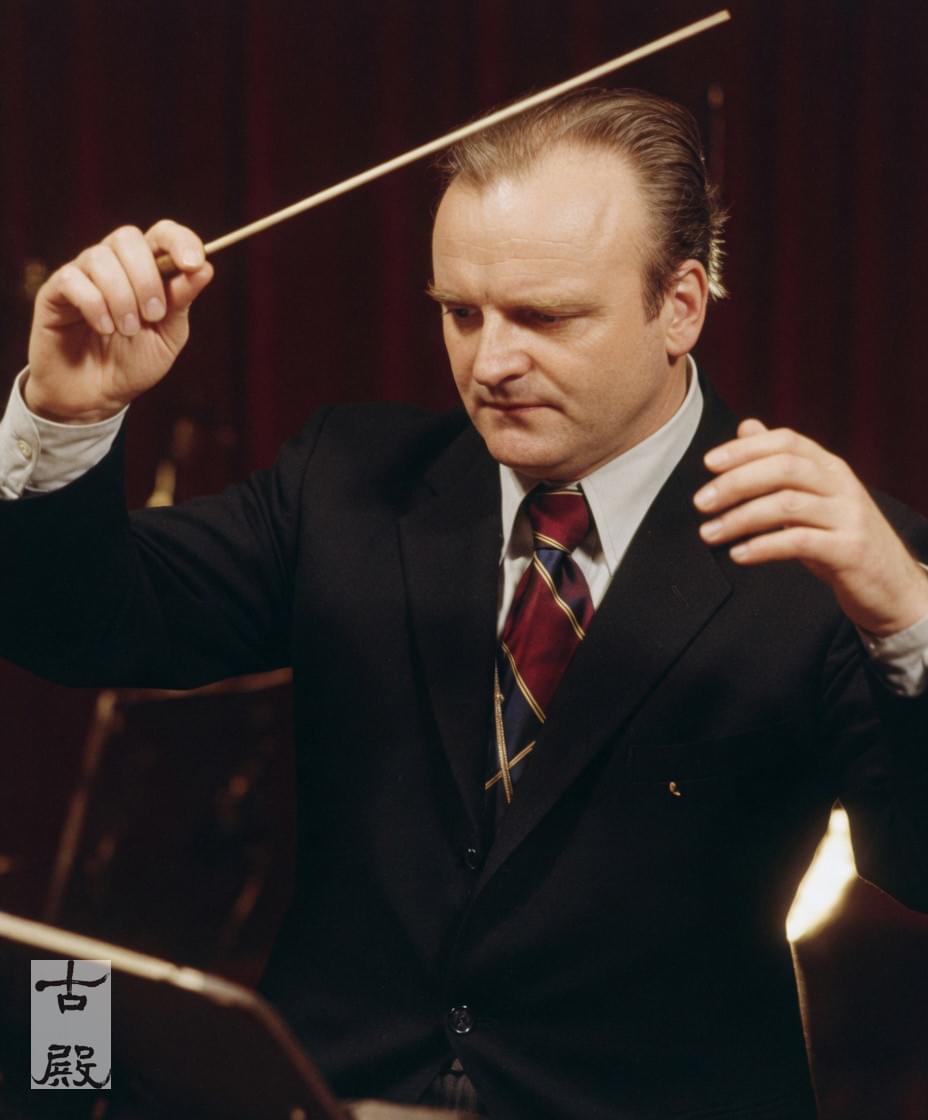
卡爾・李希特(Karl Richter,1926-1981)那年32歲,他出生於一個新教牧師家庭。他在1949年也成為萊比錫聖托馬斯教堂的管風琴司琴師——正是巴哈本人工作了二十七年的那個教堂與同樣那個職務。他在那個空間裡生活了三年,感受那個廳的聲學、呼吸那個傳統的宗教氣息。他親歷了巴哈新墓的揭幕儀式,並為此準備了特別演出。
他的師承鏈,從根特・拉明(Günther Ramin,1898-1956)直接連回整個萊比錫路德教的演奏傳統——一條沒有中斷過的線,從巴哈的時代一路延伸到1958年。
1952年,李希特遷居慕尼黑,創立慕尼黑巴哈合唱團與管弦樂團。
1958年6月23日,他走進慕尼黑的赫拉克勒斯廳(Herkules-Saal),開始了他的《馬太受難曲》的第一次錄音。
Deutsche Grammophon的學術子廠牌Archiv Produktion,以最嚴謹的學術態度,記錄下了這一切。
不是完美的藝術品,而是一個真實的事件
就在李希特錄製這份馬太受難曲的幾乎同一個時期,倫敦,另一套馬太受難曲的錄音工作也在進行。
指揮是奧托・克倫培勒(Otto Klemperer,1885-1973)。製作人是華爾特李格(Walter Legge,1906-1979)——找來EMI他最信任的錄音師道格拉斯·拉特 (Douglas Larter,1900-1969),與他親手組建的愛樂管弦樂團,這是一個專門為了唱片錄音而成立樂團。獨唱陣容是當時最頂尖的名字:舒娃茲柯夫、費雪-狄斯考、克麗絲塔・路德維希、彼得・皮爾斯。場地是艾比路錄音室和金斯威大廳,每一個細節都被精心控制。
那份錄音,是唱片工業美學追求極致完美的史詩級成果。克倫培勒的馬太受難曲比李希特版本長了將近四十分鐘,以一種巍峨的壯闊感,把這部作品提煉成了一件聲音藝術品。
它是偉大的。無可置疑地偉大。
但李希特追求的,是另一件完全不同的事。
日本音響評論家嶋護在他的著作《クラシック名録音106究極ガイド》中分析李希特版本時,注意到了一個關鍵細節:慕尼黑巴哈合唱團裡有大量業餘者。那個「粗糙的音色和聲質的參差」,在他耳裡不是缺陷,而是「行刑台的生々しい感觸」(斷頭台前,那份血淋淋且無比真實的體感。)。
李希特不需要完美的合唱。他需要的是真實感——讓聽的人感覺自己置身於一個真實發生的事件之中,而不是在欣賞一件精心雕琢的藝術品。
嶋護進一步描述了赫拉克勒斯廳裡三個合唱聲部形成的空間:前景的獨唱、中景的合唱、後景的通奏低音,在那個廳的空間裡形成了一個三層的立體交叉。那個交叉,在他眼裡,就是《馬太受難曲》圖像學裡耶穌背負的十字架本身。
克倫培勒把馬太受難曲做成了一件藝術品。李希特把馬太受難曲還原成了一個事件。
從內部流出的感動
李希特版本裡的感動,和孟根堡版本裡的感動,性質不同。
孟根堡的感動,是從外部湧入的——一個被作品震撼的人,用他的語言,讓聽眾也被震撼。那是情感的傳遞,從一個身體到另一群身體。
李希特的感動,是從內部流出的。
他不是在「詮釋」這部作品。他是在傳遞一個他從小就生活其中的傳統。萊比錫聖托馬斯教堂的管風琴台後,巴哈工作過的那個空間,路德教崇拜的氣息,師承鏈上每一個人留在他身體裡的記憶——這些不是知識,是他的血液。某種程度上,他在指揮的當下,就是時隔300年後巴哈的化身。
那種感動,不是設計出來的。它是一個真正相信這個故事的人,用他的身體把他所相信的東西傳遞出去時,自然發生的。
日本著名音響評論家長岡鐵男,在他的「外盤A級セレクション」系列中,對這個版本的中演唱福音史家的黑弗里格(Ernst Haefliger,1919-2007)下了這樣的評語:「生涯一次的最高傑作」。並且指出,整個演奏帶來一種令人緊張感迫人的高漲感——那不是設備的功勞,而是從演奏本身內部湧出的東西。
那種緊張感,是真實信仰的聲音質地。
兩個版本,同一個核心
孟根堡1939年——真實現場的感動,被技術完整捕捉。
李希特1958年——錄音室裡,對那種現場感動的最誠實再現。他選擇赫拉克勒斯廳,因為那個空間有教堂的聲學特質。他保留合唱的粗糙感,因為那個粗糙感讓聲音有血肉。
兩個版本,相隔十九年,一個是現場,一個是錄音室,但追求的是同一件事:讓聽的人的身體真實地被感動。
這不是偶然的。
因為他們都連回了同一個源頭——巴哈1729年在萊比錫聖托馬斯教堂,第一次指揮這部作品時的那個創作意圖:
不是為了被欣賞。是為了讓人真實地感受到基督受難的重量。
孟根堡繼承了孟德爾頌的「重新發現」精神,用浪漫主義的語言抵達了那個地方。
李希特繼承了萊比錫的路德教傳統,從信仰的內部抵達了那個地方。
兩條不同的路,同一個目的地。
唱頭落下的那一刻
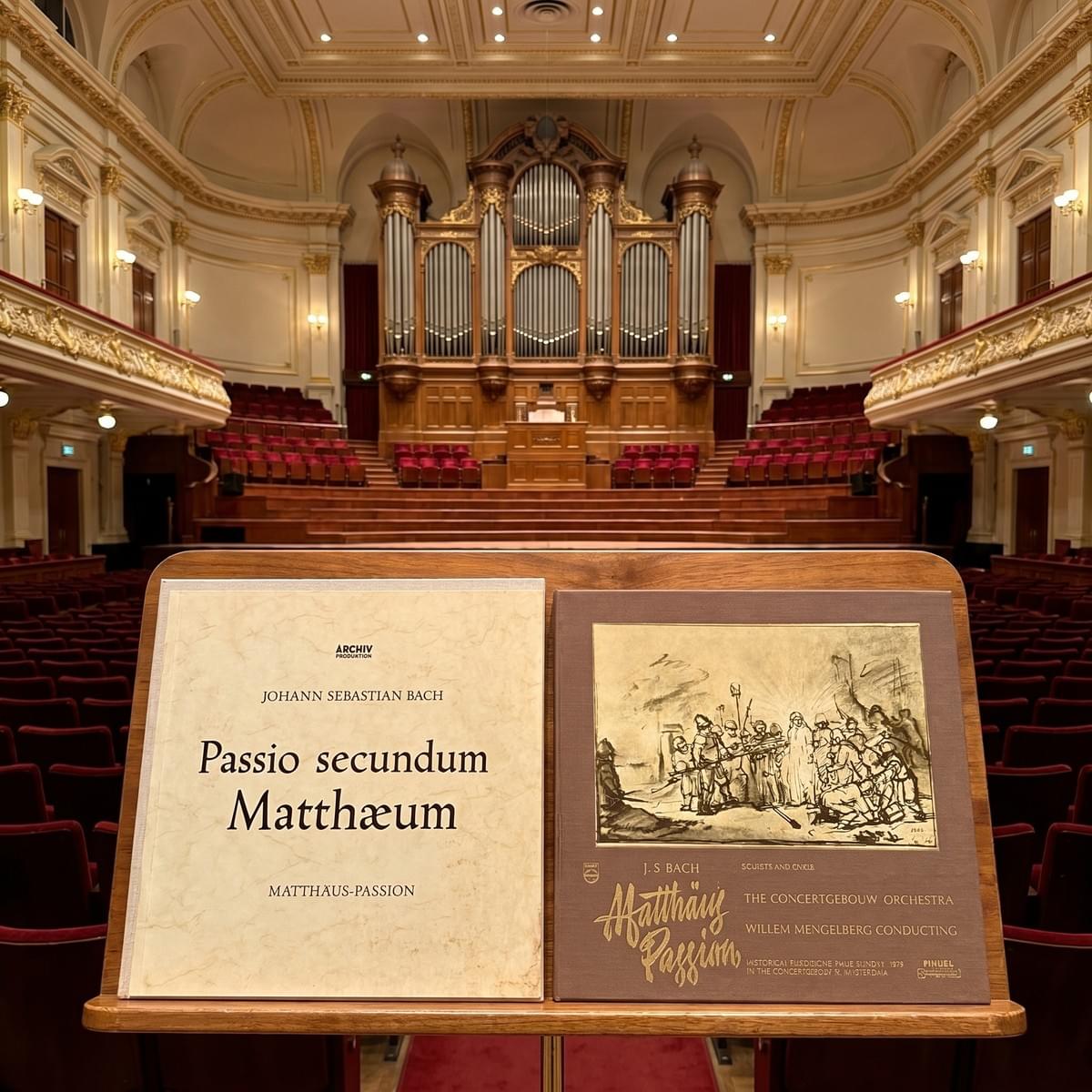
在此分享兩套黑膠
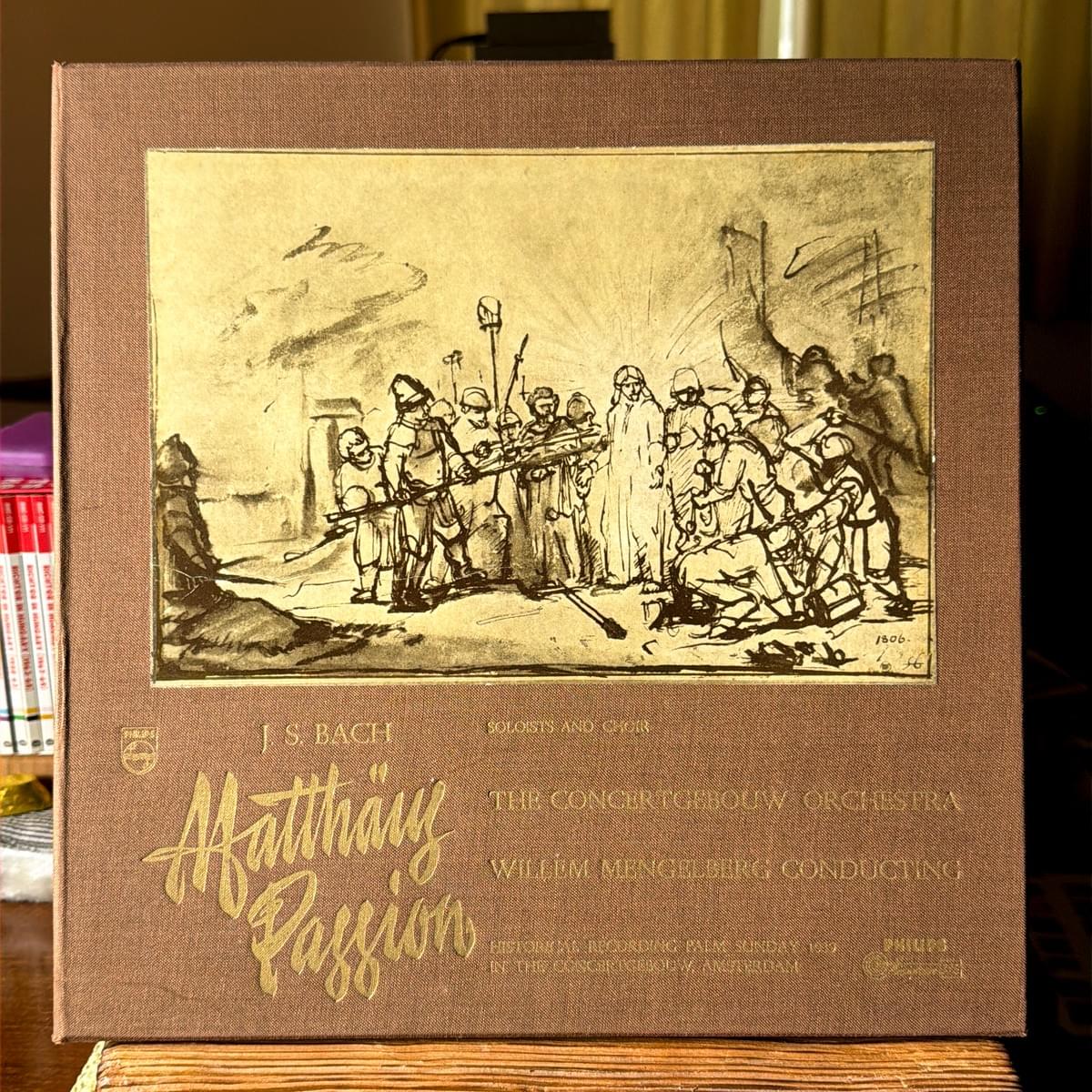
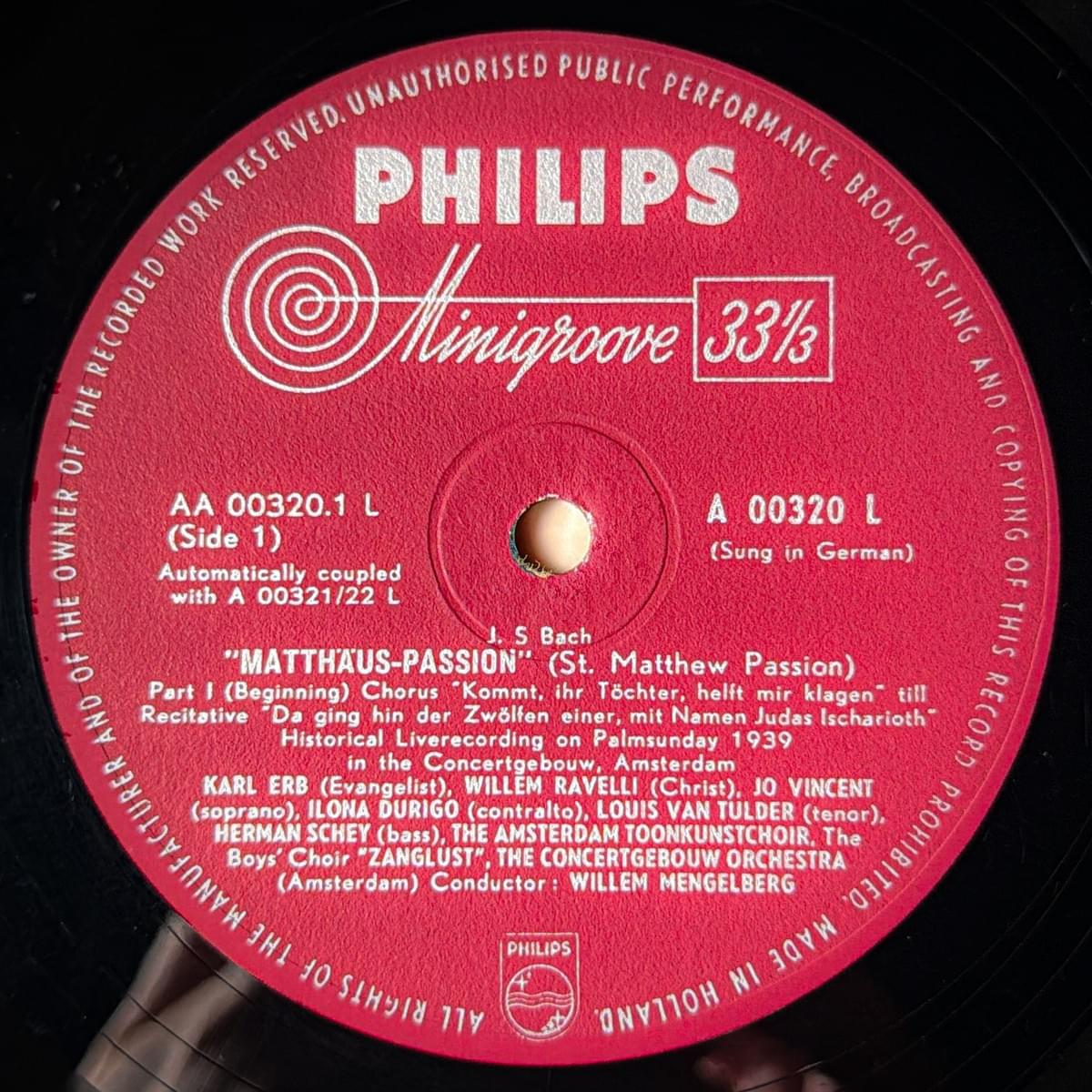
一套是孟根堡1939年的Philips早期版本。深棗紅的標籤,厚重的早期荷蘭壓片。三張一組,編號A 00320/21/22 L——這是1953–1955年間的第二版。與首版四枚組(A 00150/151/152/153 L)相比,等化制式已改為RIAA,那個「扣、扣」兩聲,在這個版本裡已經被省略了。Jo Vincent說「那個小小的敲擊聲真好聽」——那兩聲,只留在1953年首版四枚組的溝槽裡。
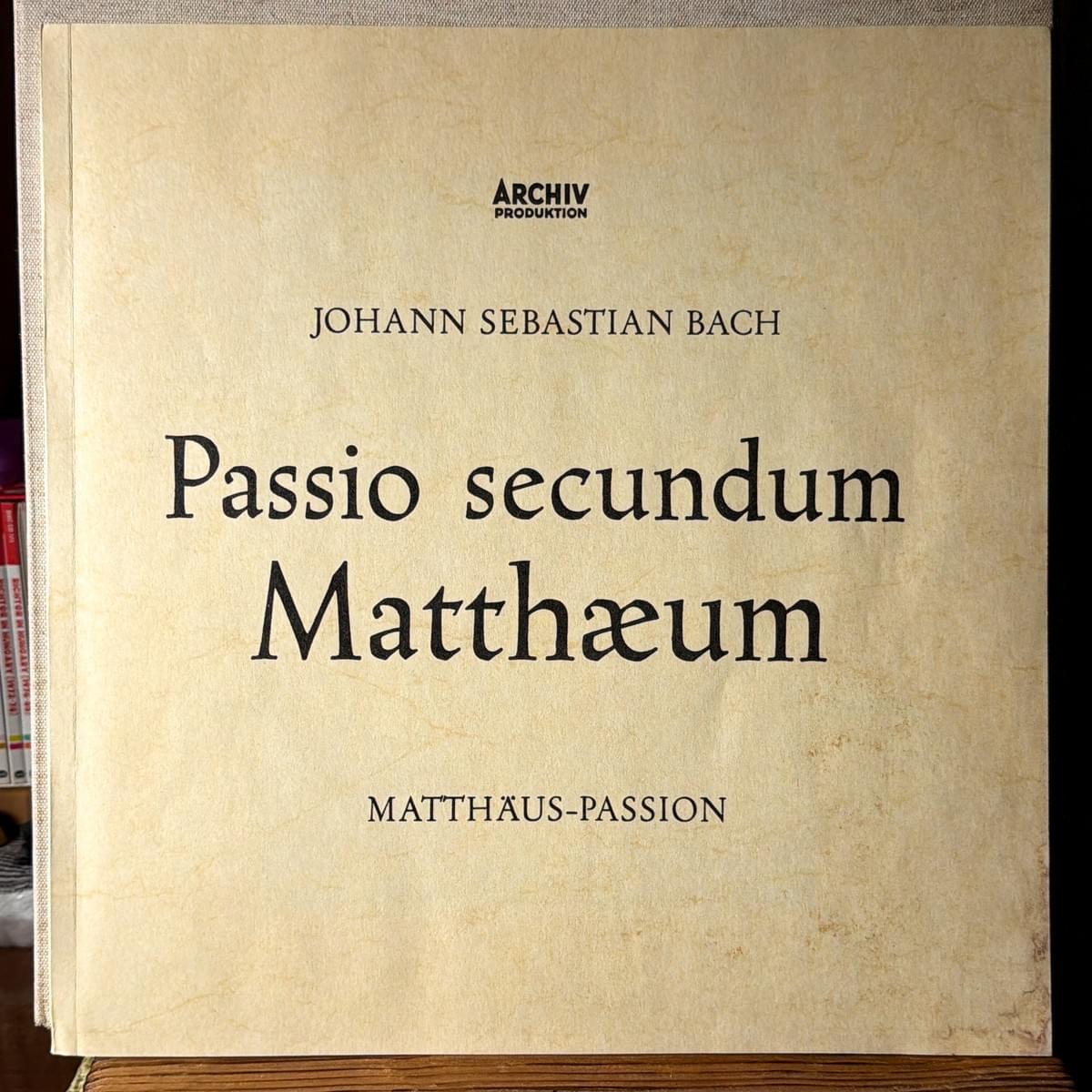
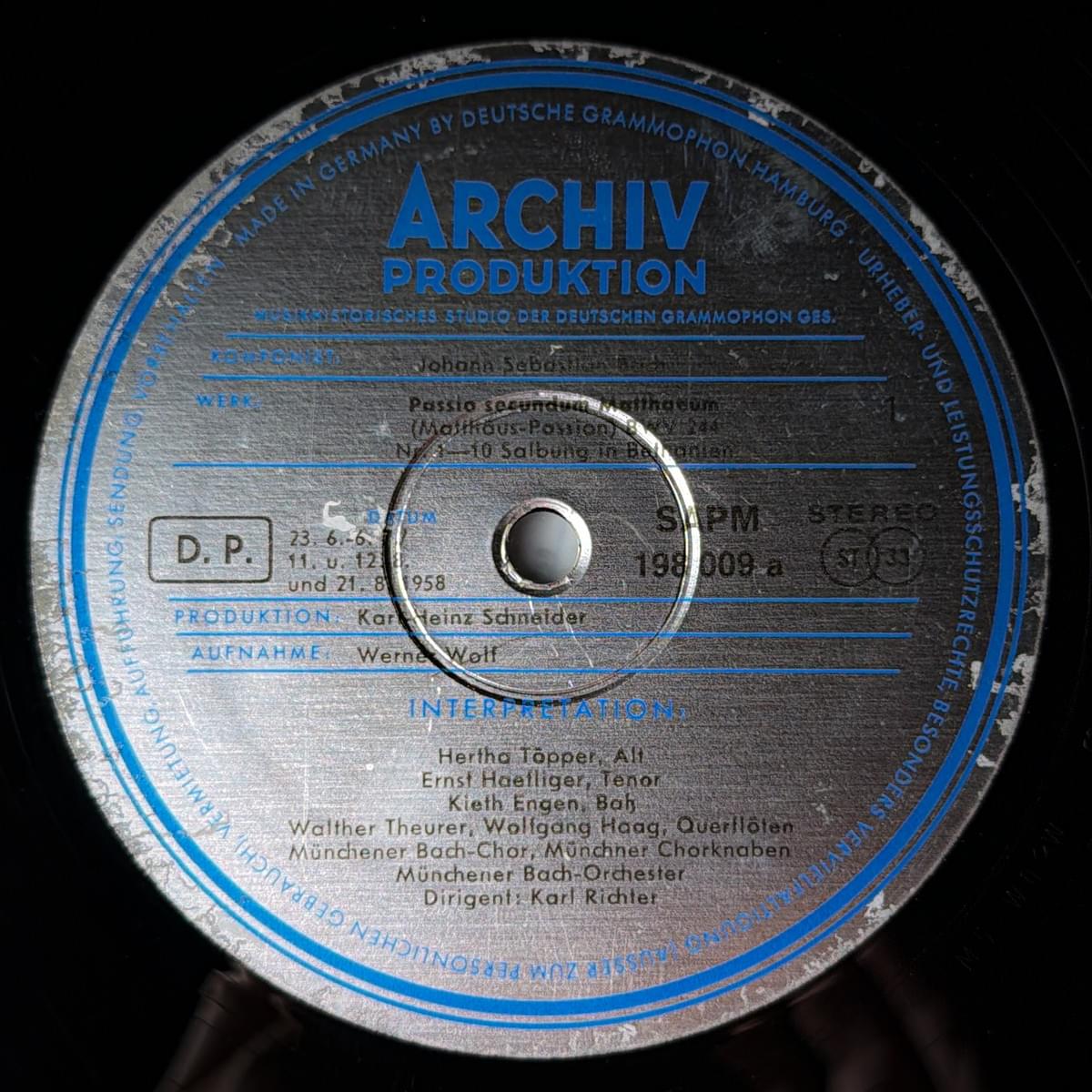
另一套是李希特1958年的Archiv Produktion。銀藍色標籤,德國本地壓製,SAPM 198 009/12,四張一組。
這兩套唱片,是一條從巴哈到孟德爾頌到孟根堡到李希特的精神傳承鏈,在物理世界裡留下的最具體的印記。
它們存在,是因為有人在1940年逃命的時候,還記得把那八公里膠捲藏進地窖。是因為有人在1950年花了三年把它清潔復原。也是因為一個32歲的指揮家在1958年帶著整條師承鏈走進赫拉克勒斯廳,選擇了真實感而不是完美。
孟德爾頌1829年的那個決定在。孟根堡四十年的積累在。Philips從地窖到發表會的十四年在。李希特在萊比錫聖托馬斯教堂的三年在。
還有——那個下午,在阿姆斯特丹音樂大會堂裡,一個流淚的聽眾的身體在。
不是復古。是開新。
每一次唱頭落在溝槽上,巴哈的那個原始意圖,就又在這個世界上發生了一次。
※ 棕枝主日(Palm Sunday):基督教節日,復活節前一個星期日。紀念耶穌進入耶路撒冷時,民眾以棕櫚樹枝鋪路迎接的歷史事件。馬太受難曲所描述的故事,正是從棕枝主日之後的一週展開——耶穌被捕、受審、釘十字架、復活。孟根堡選擇在棕枝主日演出,使音樂的時間與故事的時間完全重合:聽眾坐在那裡,在故事即將開始的那一天,聽故事的開始。
*******
The Company Born for a Single Sound: The Secret Origin of Philips Records
Do you know how "Philips Records" actually began?
In 1949, the top executives of the Philips company returned to the Netherlands from the United States. The war was finally over. They needed to restart the company, get everything running, and reconnect the broken threads of their business.
But among all the urgent tasks, there was one thing that weighed on their minds—something they were desperate to do as quickly as possible.
In 1950, they gathered a group of engineers and formed a brand-new division. Their mission was singular: go into the cellar, retrieve those rolls of film, and turn them into something the world could finally hear.
Those rolls of film, when unrolled, stretched for eight kilometers.
They had been waiting in that cellar for nearly ten years—resting in the dark since the day the Nazis invaded the Netherlands in 1940. Throughout the entirety of WWII, through the darkest years of the occupation, they lay silent.
What was on those eight kilometers of film?
They held the events of the afternoon of April 2, 1939—Palm Sunday—at the Concertgebouw in Amsterdam. It was the final, complete appearance of a tradition that had been building for forty years. It held the tears shed by over a thousand listeners.
And it held something else—two distinct sounds before the music even began: "Tap, tap."
A 68-year-old conductor, tapping his baton against the music stand, telling his musicians: We are ready.
Those two taps were there, preserved in the film.
To let those eight kilometers of film—those two taps, those tears, that afternoon—reach the world, those engineers spent three years cleaning, restoring, and transcribing.
This department was the origin of Philips Records. A company was born, quite literally, for the sake of a sound.
That sound was Bach’s St. Matthew Passion, conducted by Willem Mengelberg (1871–1951) with the Concertgebouw Orchestra.
A Seed Planted for a Hundred and Twenty Years
To understand why that sound was worth birthing a company for, we have to go back over a century.
1829, Berlin. A 20-year-old man decided to do something almost no one thought worth doing—revive a work that had been slumbering for nearly a hundred years.
That work was Johann Sebastian Bach’s St. Matthew Passion.
Bach had died in 1750, and after his death, this masterpiece was largely forgotten by the world. But this young man dug out the manuscript, convinced a choir, and performed it again in Berlin.
His name was Felix Mendelssohn (1809–1847).
That performance shocked the European music world. Not because it "restored" Bach, but because it showed people that this forgotten work was still alive. It possessed a power that could move people across generations.
This wasn't just "vintage" appreciation. It was a new beginning.
Mendelssohn didn’t just perform a piece of music; he started a revolution. He realized that for this music to live in the modern age, it needed a new system. It needed conservatories to train talent, professional orchestras to handle the complexity, and a structure to ensure greatness could be passed down.
He did the work: he founded the Leipzig Conservatory and the Bach Society (Bach-Gesellschaft) to systematically study and publish Bach’s complete works. He knew that performance makes music live in the now, but academic rigor makes it live in the future.
Mendelssohn planted a seed. And after him, that seed continued to grow.
A Dutchman Inherits the Seed
1895, Amsterdam. A 24-year-old conductor walked into the rehearsal room of the Concertgebouw Orchestra for his first day of work.
His name was Willem Mengelberg. He would stay there for fifty years.
Mengelberg was trained at the Cologne Conservatory and was deeply influenced by the spirit of the Bach revival started by Mendelssohn. He understood that great art needs a solid "world" to live in. Genius isn't enough; it needs a world that allows it to function.
So, Mengelberg didn't just conduct. He built that world.
He forged a regional group into a world-class orchestra. He invited Mahler to Holland to conduct his own works when the world had forgotten him. He started the tradition of the Palm Sunday performance of Bach’s St. Matthew Passion in 1899.
That tradition continued, year after year, without interruption.
Forty Years, Once a Year
Imagine the scale of this. The same hall. The same orchestra. The same piece. Every Palm Sunday for forty years.
That is forty years of collective "body memory" built into every musician. The acoustics of the hall, every turn of the phrase, the weight of the tradition—it was all there, heavy in their muscles and their breath.
Mengelberg’s St. Matthew Passion wasn't a "planned performance." It was a ritual with forty years of roots.
1939 was the 40th time. Mengelberg was 68. He didn't know it would be the last. No one did. By autumn, Poland would be invaded. In eight months, the Netherlands would fall. Everything would change.
But on that afternoon of April 2, 1939, the Concertgebouw was full. Mengelberg stepped onto the podium.
"Tap, tap."
The baton hit the stand. And then, forty years of accumulation began to flow.
A Technological Miracle for a Single Afternoon
Before this, no one had been able to capture a three-hour work as a continuous "sound event." 78 rpm shellac records could only hold about five minutes per side. To record the St. Matthew Passion on shellac, you’d have to cut it into over thirty fragments, breaking the air, the silence, and the flow of time. That’s not a recording; it’s a collage.
But then, Philips engineers invented the Philips-Miller Optical Recording System.
This system could record over three hours of continuous sound on a 35mm optical film. It was the tech of the future. And Philips decided that the very first thing they would record with it was Mengelberg’s St. Matthew Passion.
Technology chose tradition. And tradition gave technology its meaning.
On that day, engineer Marius van der Meulen set up the equipment. A single microphone hung above the orchestra. After those two taps, the optical film began to roll. Every sound—the music, the silence, the breath, the audience weeping—was recorded as a continuous flow of time.
For the first time in history, a three-hour live event was saved as a single, unbroken stream.
The Cellar, the Escape, and a Silent Promise
Nazi troops crossed the border. The Philips executives decided to flee to the U.S. But before they left in the chaos, they did one thing: they hid those optical films carefully in the cellar.
- Even in a moment of life and death, they remembered the film. That act was a silent promise: We will come back for this.
During the war, Mengelberg stayed in Amsterdam. The films waited in the dark. By 1945, the war ended. Nazi magnetic tape technology was seized as a prize of war and quickly commercialized. The world moved into the era of tape and the Long Play (LP) record.
In 1949, when the Philips execs returned, their optical recording tech had already been surpassed by history. The world didn't "need" the Philips-Miller system anymore.
But the films in the cellar were intact. The promise was waiting to be kept.
Three Years, Eight Kilometers
In 1950, Philips formed a dedicated team with one job: turn those eight kilometers of film into modern vinyl records.
It took three years of cleaning and painstaking restoration.
On January 24, 1953, the elite of the Dutch press and music world gathered in the small hall of the Concertgebouw. There were no performers on stage. Instead, there was a draped platform surrounded by flowers, looking almost like a funeral.
Then, from the speakers hidden in that platform, came the sound of a crowd whispering in a large hall. Then, a sharp, clear sound—the baton hitting the music stand.
The performance began.
It was the afternoon of April 2, 1939. It flowed out of four Philips Minigroove LPs and into the bodies of everyone in that room. Reporter Ruth Zimmermann wrote: "Happiness is beyond words." She said it was the first time she understood the weight of the lyrics: "When I must depart, do not depart from me."
Philips Records announced its existence to the world at that very moment.
It wasn't founded because of "market demand" or commercial calculation. It was founded because a recording carried forty years of tradition, the cultural identity of a small nation, and a promise made in the shadow of war.
The Reality of the "Scaffold"
The 1939 recording has a specific kind of power. It’s not "perfect." The choir makes mistakes. But that imperfection creates a "physicality" you can't fake. It’s the feeling of being at the foot of the cross—a physical sensation, not just an auditory one.
When the soprano Jo Vincent heard the first LP release, she remembered: "Sometimes I listen to that 1939 performance with such emotion—that little tapping sound is so beautiful!"
That "little tapping sound"—the "Tap, tap"—is how it all began.
Interestingly, in later re-issues, Philips producers edited those two taps out, thinking they were "noise." Those taps now only exist in the original 1953 four-LP set. They’ve been waiting in those grooves for nearly ninety years.
1958: Another Crossing of the Same River
Nineteen years later, in Munich, another man approached the same work from a different path.
Karl Richter (1926–1981) was 32. He grew up in the home of a Protestant pastor and had served as the organist at St. Thomas Church in Leipzig—the very church where Bach himself had worked for 27 years. Richter breathed that air for years. His lineage went straight back to the Lutheran tradition.
In 1958, he recorded the St. Matthew Passion for Archiv Produktion.
Richter didn't want a "perfect" art piece. He wanted a "Live Event." While others like Otto Klemperer were recording "epic" versions with superstar casts in London, Richter used a choir with many amateurs.
To the critics, the "roughness" of the choir wasn't a flaw. It was the "bloody reality of the scaffold."
Richter wasn't "interpreting" the work; he was delivering a tradition that was in his blood. He didn't design the emotion; it flowed out of him because he truly believed the story.
Two Versions, One Core
Mengelberg 1939: The
emotion of a live moment, captured by a miracle of technology. Richter 1958: A studio recording that honestly recreates that live feeling, choosing "grit" over "polish."
They are separated by nineteen years, but they seek the same thing: to move the listener's body. They both connect back to Bach’s original intent in 1729: Not to be "admired," but to make you feel the weight of the sacrifice.
When the Needle Drops
I have two sets of vinyl here to share.
One is the early Philips Mengelberg 1939 (the second edition from 1953–55). The labels are deep maroon, heavy Dutch pressings. The "Tap, tap" is already gone from this version—it only lives on the 1953 first pressing.
The other is the 1958 Karl Richter on Archiv. Silver and blue labels, four discs, pressed in Germany.
These records are the most concrete physical marks of a spiritual chain: Bach to Mendelssohn to Mengelberg to Richter.
They exist because someone in 1940, while running for their life, remembered to hide the film. They exist because someone in 1950 spent three years cleaning them. They exist because a 32-year-old conductor in 1958 chose reality over perfection.
This isn't about the past. It’s about a new beginning. Every time the needle drops into the groove, Bach’s original intent happens all over again.
Note: Palm Sunday is the Sunday before Easter, marking Jesus' entry into Jerusalem. The story of the St. Matthew Passion unfolds in the week following. By performing it on Palm Sunday, Mengelberg made the "time of the music" match the "time of the story."