
【古殿唱片音樂故事】柯岡聽完她的演奏,落淚了。當天賦降臨,全世界都想保護她。一個人可以同時是科岡的弟子與卡拉絲的學生嗎?佐藤陽子與這張「勇於做自己」的黑膠
古殿殿主
1965年,莫斯科音樂學院大廳。
黑白影像裡,一個13歲的日本女孩站在舞台中央。她面前,站著的是作曲家哈查都量(Aram Khachaturian,1903–1978)本人——他今天不是來聽演奏的,他是來指揮的,為這個女孩指揮他自己的小提琴協奏曲。
這個大廳,柴可夫斯基、拉赫曼尼諾夫都在這裡演奏過。今天,它為一個來自福島縣的13歲女孩打開了。
你可能要問:她是誰?她怎麼到了那裡?
這個問題的答案,是這張唱片存在的理由,也是我今天想說的故事。
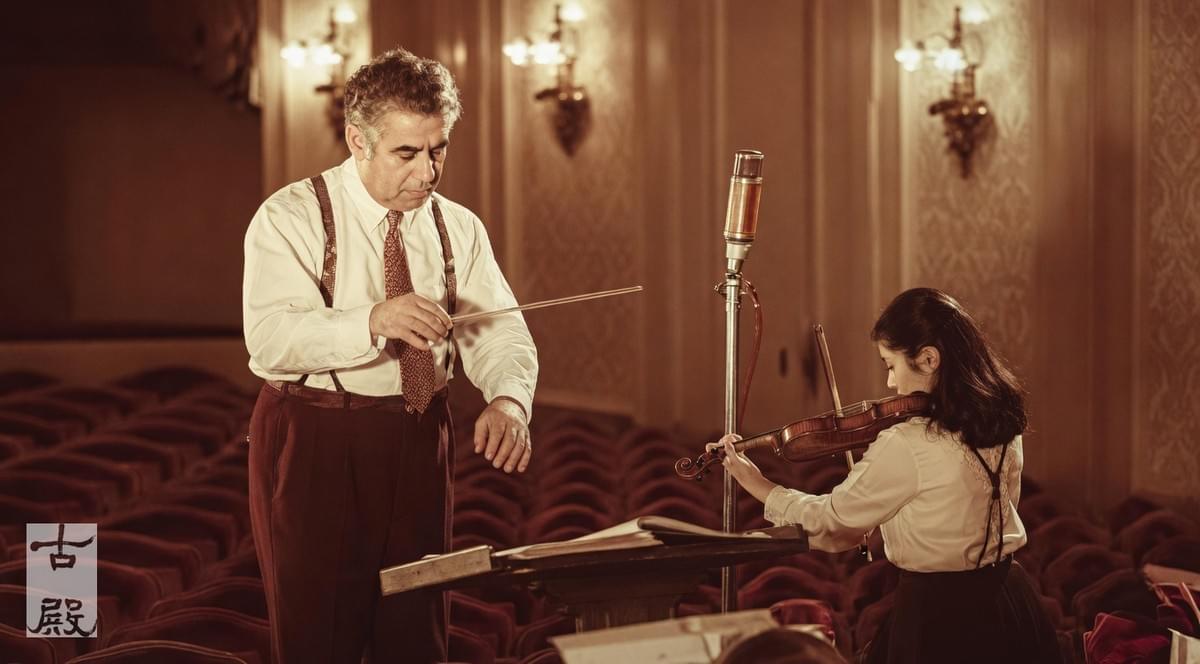
一切從一個8歲女孩的演奏開始
1958年,蘇聯列寧格勒愛樂來日本巡演。抵達機場的那一刻,迎接他們的是一個震撼的場景——大批日本兒童手持小提琴,在機場大廳齊聲演奏。這是日本下一代音樂家,用琴聲向蘇聯大師們致敬。
而在這批孩子之外的某個地方,一個8歲的女孩正在練琴,等待著即將改變她一生的相遇。
排練空檔,有人帶來了這個女孩。
她叫佐藤陽子(Yoko Sato, 1949-2022),東京中野區北野小學二年級學生。她站在排練廳裡,開始拉《流浪者之歌》(Zigeunerweisen)——正是今天這張唱片的標題曲。
起初,疲憊的團員們隨意聽著,沒有人在意。但幾小節過後,有人抬起頭。再幾小節,有人放下手上的東西。再過一會兒,所有人都停了下來,探出身子。
當她拉完帕格尼尼第9號隨想曲的最後一個音,樂團首席施皮利伯格(Spivakovsky)衝上舞台,握住她的手,激動得說不出話。有的團員摸著她的頭,有的親吻她的臉頰,有人把自己胸前的徽章取下來,別在這個8歲女孩的胸口。(樂團首席施皮利伯格(Spivakovsky)是根據文章作者木村英二所寫,不知確實是哪一位?目前已經不是Tossy Spivakovsky ,也不是Jascha Spivakovsky)
「你就是我們列寧格勒愛樂的一員!」
這不是外交辭令。這是一群職業音樂家,面對真正的天賦時,最原始的本能反應。
柯岡的決定
同年秋天,蘇聯小提琴大師列昂尼德·柯岡(Leonid Kogan,1924–1982)訪日。有人安排了佐藤陽子在他面前演奏。
她拉的是拉羅《西班牙交響曲》第一與第五樂章。
柯岡的遺孀、小提琴家伊麗莎白(Elizaveta Gilels-Kogan,1919-2008),後來親口轉述了丈夫當時的反應:
「面對那孩子的音樂性與完美程度,我無法止住淚水……我必須帶她去莫斯科學習。」
一個讓柯岡落淚的聲音。這句話,比任何評論都更能說明佐藤陽子是誰。
柯岡是誰?他是20世紀蘇聯最頂尖的小提琴家之一,與奧伊斯特拉夫(David Oistrakh,1908-1974)並列,卻因為不善於在體制內宣傳自己而長期被低估。他的技術被評為「鋼鐵般的精準」,他的老師的老師的老師,可以一路追溯到奧爾(Leopold Auer)——那條傳承鏈裡流著海飛茲、密爾斯坦、克萊斯勒的血。
這樣一個人,聽完一個8歲女孩的演奏,落淚了。
一年後,1959年,蘇聯文化部正式發出邀請:全額獎學金,公寓,翻譯,生活費,歡迎母親陪同。每月1500盧布——當時蘇聯工人平均月薪是900到1000盧布。
冷戰最緊繃的年代,蘇聯為一個日本小女孩破例了。不是為了政治,不是為了外交,是為了音樂。
莫斯科的那些年
10歲的佐藤陽子離開日本,前往莫斯科。
她住在約12平方米的長形房間裡,配一台鋼琴,兩張床,和她的母親。公共廚房,公共走廊。窗外是莫斯科的冬天。
她在那裡待了14年。
期間,日本媒體持續追蹤她的消息。封底文章的作者木村英二翻開剪報,竟然超過30篇。莫斯科甚至流傳著這樣的話:「如果有人問你知不知道佐藤陽子,卻一臉茫然,會被視為沒有文化的人。」
在一個外國女孩身上,一個城市建立了某種榮耀感。
1962年,她在指揮大師孔德拉辛(Kondrashin,1914-1981)的棒下,在莫斯科音樂學院大廳正式登台。
1965年,13歲,哈查都量親自為她指揮。
1966年,16歲的她代表日本參加柴可夫斯基國際大賽,獲得第三名。同屆第一名是特列季亞科夫**(**Viktor Tretyakov,1946–),當年19歲。並列第二名是潮田益子(Masuko Ushioda,1942–2013),當年24歲。與卡岡(Oleg Kagan,1946–1990),當年19歲。台上四人,佐藤陽子年紀最小——16歲,正好是柴可夫斯基大賽的最低參賽年齡門檻。評委山根銀二形容她的技術:「技巧上磨練得非常精純,極端點說,簡直像雜技般的精湛,在這一點上是世界首屈一指。」
1971年,她以第一名從莫斯科音樂學院畢業。
然後,她選擇做自己
1972年,她轉往法國,向晚年的小提琴大師西格蒂(Josef Szigeti,1892–1973)問學,成為他最後的弟子之一。西格蒂翌年去世,她得到的,是一個即將消逝的時代的最後傳遞。
也是在法國,在巴黎她遇到了瑪麗亞 卡拉絲(Maria Callas,1923–1977)。
卡拉絲晚年雖然時常被邀請舉辦大師班,但她從未正式收過任何人為徒。直到遇見佐藤陽子,她破例了。據說,佐藤陽子是卡拉絲生前唯一正式入室的弟子。
為什麼是她?或許因為卡拉絲在這個日本女孩身上,看到了某種自己熟悉的東西——兩個人都是勇於做自己、在感情上從不妥協於社會期待的女性。一個是聲樂,一個是小提琴,但靈魂的形狀是一樣的。天才認出天才,不需要太多語言。
佐藤陽子學聲樂,唱女高音,後來在羅馬尼亞布加勒斯特國立歌劇院以《蝴蝶夫人》登台,甚至與男高音傳奇史提法諾(Giuseppe Di Stefano,1921–2008)同台演唱。
這裡,很多人開始困惑——她不是小提琴家嗎?
但這個困惑本身,就是這個時代對「音樂家」最深的誤解。
學音樂,難道只能成為職業演奏家,或是音樂老師?若是如此,那是一種悲劇。真正深愛音樂的人,不會只被一種樂器、一種方式所定義。他們愛的是聲音本身,是那個在聲音裡流動的生命力。佐藤陽子愛小提琴,也愛人聲;後來她愛繪畫,愛攝影,辦過畫展與攝影展。她的生命,一直在向各個方向生長。
而這,在日本,是極為不容易的事。
日本社會的重量
「不知道佐藤陽子就是沒文化」——這句話在莫斯科流傳,但我相信在日本同樣成立。
那個年代,她是日本的驕傲,是跨越冷戰的奇蹟,是蘇聯體制破例相待的唯一日本人。這些光環,對一個人來說,是榮耀,也是無形的枷鎖。
那麼多人為她犧牲、投入、跨越國界——柯岡用他的聲望擔保,蘇聯文化部動用國家資源,日本媒體30篇報導緊緊跟隨。這些愛與關注疊在一起,對一個孩子來說,重量是驚人的。天賦在某種意義上是一種詛咒:所有人都對你有期待,而那個期待,從你懂事之前就已經存在了。
在這樣的壓力下,很多擁有同等天賦的人,會慢慢變成別人想要的樣子。然後在某一天,發現自己不見了。
佐藤陽子沒有。
她在感情上勇於追求自己——在日本傳統社會輿論的注視下,依然走自己的路。這種個性,或許正是卡拉斯當初選擇她的原因。木村英二在1975年描述她:「態度俐落,散發著無意中流露的自信。」那個「無意中」三個字,是最精準的描述。她的自信不是對抗外界的盾牌,而是從她內部自然生長出來的東西。
若換了另一個人,有這樣的天賦,在這樣的壓力下,可能早就碎掉了,或者變成一個完美的、沒有自己的職業演奏家。
這才是佐藤陽子真正的不世出——不只是技術上的,而是人格上的。
1975年,大宮公會堂
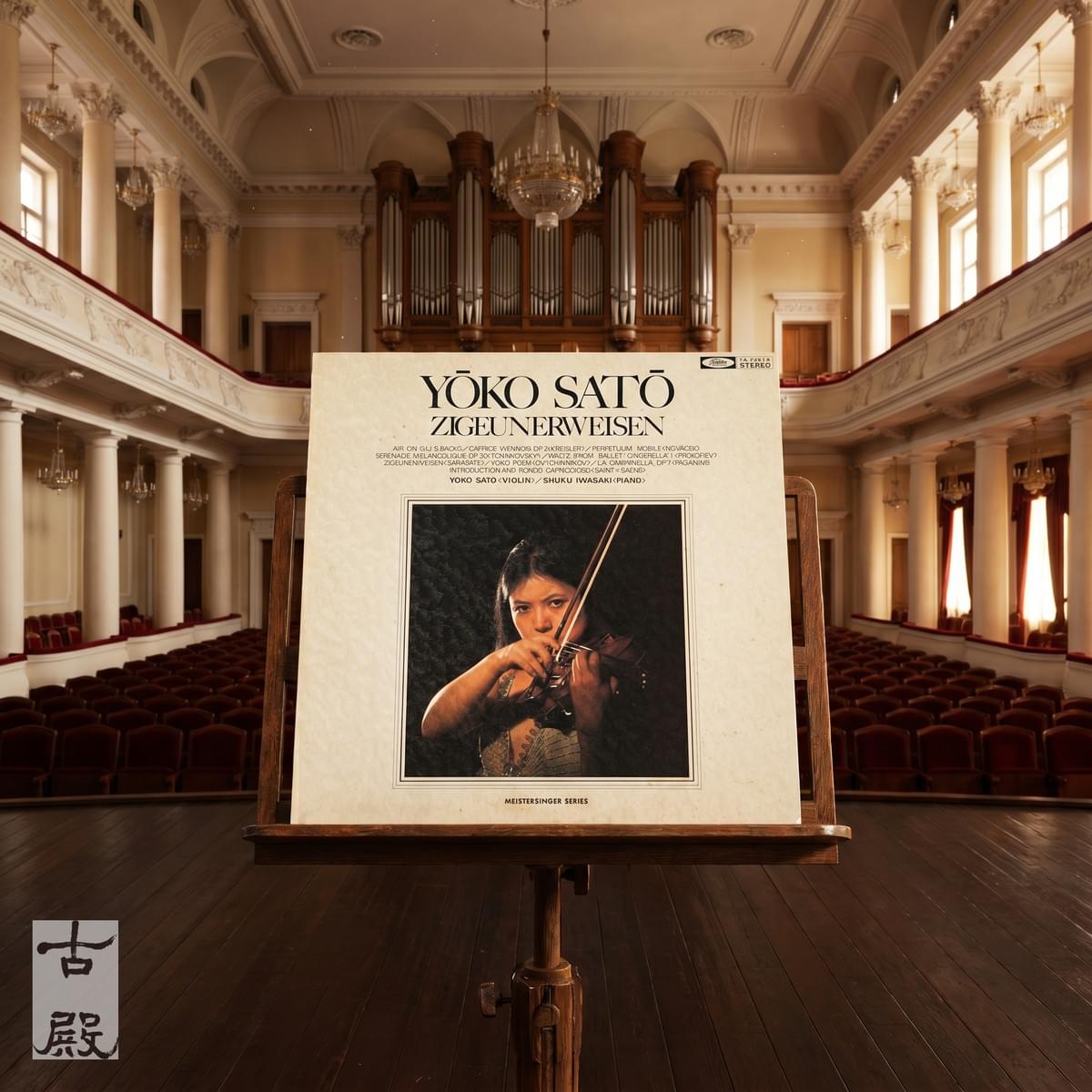
這張 TA-72014,是佐藤陽子人生中第一張正式商業發行的唱片。1973年秋天,她回到日本,在國外待了14年。1975年2月,她走進大宮公會堂,與鋼琴家岩崎淑(Shuku Iwasaki,1937-)一起,留下了這個聲音。
曲目是她親自選定的:巴哈G弦詠嘆調、克萊斯勒維也納奇想曲、柴可夫斯基憂鬱小夜曲、普羅科菲夫灰姑娘圓舞曲……還有薩拉沙泰的《流浪者之歌》——正是那首1958年讓列寧格勒愛樂所有人停下手中事情的曲子。
B面還有一首特別的曲目:〈陽子之詩〉(Yōko Poem),作曲者奧夫欽尼科夫(Ovtchinnikov)專為她而作。這首曲子只存在於這張唱片裡,是世界上唯一的。
封底文章的作者木村英二,在1975年的當下,寫下了這樣一句話:「感覺她作為小提琴家的演奏活動可能會遠離一段時間,就此而言,這張唱片的價值或許會更加提升。」
他不知道自己說的是什麼意思。但他說對了。
這個世界現在缺少的東西
1958年,一群蘇聯音樂家,在排練的空檔,聽到一個8歲的日本女孩拉琴,然後把胸章別在她身上。
這件事,今天不可能再發生了。
不是因為天賦消失了,而是因為我們看待天賦的方式變了。今天,天賦是一種資源,需要被開發、被包裝、被商業化。沒有人會在排練空檔,為一個陌生的孩子停下來,因為那不在任何人的KPI裡。
但1958年的列寧格勒愛樂團員做到了。柯岡做到了。蘇聯文化部做到了。他們做的,是一種純粹出於文化本能的惜才——跨越國界,跨越政治,跨越語言,只因為聽到了一個不能被漠視的聲音。
這是一種我們現在非常缺少的能力:在真實的天賦面前,忘記所有其他的事情。
手邊這張東芝 TA-72014,紅色標籤,1975年日本首版,是佐藤陽子留下的第一張正式商業發行小提琴獨奏唱片。
*******
【Ancient Hall Music Stories】 Kogan Wept After Hearing Her Play. When Genius Arrives, the Whole World Wants to Protect It.
Can one be both a disciple of Kogan and a student of Callas? Yoko Sato and the Vinyl of "Daring to Be Yourself."
A 13-Year-Old Girl in Moscow
1965, th
e Great Hall of the Moscow Conservatory.
In the grainy black-and-white footage, a 13-year-old Japanese girl stands at the center of the stage. Standing before her is the great composer Aram Khachaturian (1903–1978) himself. He isn't there to listen today; he is there to conduct—conducting his own Violin Concerto specifically for this young girl.
This is the same hall where Tchaikovsky and Rachmaninoff once performed. Today, it opened its doors for a 13-year-old girl from Fukushima Prefecture.
You might ask: Who is she? And how did she get there?
The answer to that question is the reason this record exists, and it’s the story I want to share with you today.
It All Began with an 8-Year-Old’s Performance
In 1958, the Soviet Leningrad Philharmonic toured Japan. The moment they arrived at the airport, they were met with a stunning sight: a massive crowd of Japanese children holding violins, playing in unison in the terminal. It was a tribute from Japan’s next generation of musicians to the Soviet masters.
But somewhere away from that crowd, an 8-year-old girl was practicing her violin, waiting for an encounter that would change her life forever.
During a rehearsal break, someone brought this girl to the hall. Her name was Yoko Sato (1949–2022), a second-grade student at Kitano Elementary School in Nakano, Tokyo. She stood in the rehearsal room and began to play Zigeunerweisen (Gypsy Airs)—the title track of the record I have here today.
At first, the exhausted orchestra members listened casually, paying little mind. But after a few measures, heads began to lift. A few more measures, and people started putting down their gear. Moments later, everyone stopped what they were doing and leaned forward.
As she finished the final note of Paganini’s Caprice No. 9, the concertmaster, Spivakovsky, rushed onto the stage. He grabbed her hand, so moved he couldn't speak. Some members patted her head; others kissed her cheeks. One musician even took the honorary badge from his own chest and pinned it to the 8-year-old girl’s dress.
"You are now one of us—a member of the Leningrad Philharmonic!"
This wasn't just diplomatic politeness. This was the raw, primal reaction of professional musicians facing true, undeniable genius.
Kogan’s Decision
That same autumn, the Soviet violin titan Leonid Kog
an (1924–1982) visited Japan. An audition was arranged for Yoko Sato. She played the first and fifth movements of Lalo’s Symphonie Espagnole.
Kogan’s widow, the violinist Elizaveta Gilels-Kogan (1919–2008), later recounted her husband's reaction:
"Facing that child's musicality and perfection, I could not stop my tears... I must take her to Moscow to study."
A voice that made Kogan weep. Those words say more about who Yoko Sato was than any professional review ever could.
Kogan was one of the top Soviet violinists of the 20th century, a peer to David Oistrakh. He was known for "steely precision," and his pedagogical lineage traced directly back to Leopold Auer—the same bloodline as Heifetz, Milstein, and Kreisler. For a man like that to weep after hearing an 8-year-old girl was unprecedented.
A year later, in 1959, the Soviet Ministry of Culture issued a formal invitation: a full scholarship, an apartment, a translator, and living expenses, with her mother invited to accompany her. Her monthly allowance was 1,500 rubles—at a time when the average Soviet worker earned 900 to 1,000.
In the tensest years of the Cold War, the Soviet Union made an exception for a little Japanese girl. It wasn't for politics or diplomacy; it was for music.
The Moscow Years
At age 10, Yoko Sato left Japan for Moscow. She lived in a long, narrow room of about 12 square meters with a piano, two beds, and her mother. They shared a communal kitchen and hallway. Outside the window was the harsh Moscow winter.
She stayed there for 14 years.
Back home, the Japanese media followed her every move. Eiji Kimura, the author of the liner notes on this record, noted that he found over 30 major press clippings from that era. In Moscow, a saying began to circulate: "If someone asks if you know Yoko Sato and you look blank, you’ll be seen as uncultured."
A city had found a sense of pride in a foreign girl.
1962: She made her formal debut at the Moscow Conservatory under the baton of Kirill Kondrashin.
1965: At age 13, Khachaturian conducted for her.
1966: At age 16, she represented Japan in the International Tchaikovsky Competition and won 3rd place. She was the youngest on the podium—16 was the absolute minimum age to enter. Critics described her technique as "so refined it was almost acrobatic, world-class in every sense."
1971: She graduated at the top of her class from the Moscow Conservatory.
Choosing to Be Herself
In 1972, she moved to France to study with the legendary Josef Sziget
i (1892–1973) in his final years, becoming one of his last disciples.
It was also in Paris where she met Maria Callas (1923–1977). While Callas occasionally gave masterclasses, she never officially took "disciples." But when she met Yoko Sato, she made an exception. It is said that Yoko Sato was the only official student Callas ever took into her inner circle.
Why her? Perhaps because Callas saw something familiar in this Japanese girl—two women who dared to be themselves and never compromised their emotions for societal expectations. One expressed it through voice, the other through the violin, but the shape of their souls was the same. Genius recognizes genius; it doesn't require many words.
Yoko eventually studied vocal music, performed as a soprano in Madama Butterfly at the Romanian National Opera, and even sang alongside the legendary tenor Giuseppe Di Stefano.
At this point, many people grew confused: "Wait, isn't she a violinist?"
But that confusion itself is the deepest misunderstanding our era has about "musicians." Must studying music only lead to being a professional performer or a teacher? If so, that is a tragedy. Those who truly love music aren't defined by a single instrument. They love the sound itself—the life force flowing through the sound. Yoko Sato loved the violin, and she loved the human voice. Later, she loved painting and photography, holding her own exhibitions. Her life was constantly growing in every direction.
In Japan, however, this was not an easy path to walk.
The Weight of a Nation
In Moscow, they said not knowing her was "uncultured," and I believe the same was true in Japan.
She was the pride of her country, a miracle that bridged the Cold War, the only Japanese person for whom the Soviet system broke its own rules. But these halos can also be invisible shackles. So many people sacrificed for her—Kogan staked his reputation, the Soviet government moved national resources, and the Japanese media followed her every step. For a child, that weight is immense.
Talent, in a sense, is a curse. Everyone has expectations for you, and those expectations exist before you are even old enough to understand them. Under such pressure, many geniuses slowly turn into what others want them to be, only to realize one day that they have lost themselves.
Yoko Sato did not.
She was brave in her pursuit of love and life—even under the scrutiny of traditional Japanese society, she walked her own path. This personality is likely why Callas chose her. In 1975, Eiji Kimura described her as having an "unintentional confidence." That word "unintentional" is the most precise description. Her confidence wasn't a shield against the world; it was something that grew naturally from within.
Had it been anyone else, they might have shattered under the pressure or become a "perfect" but soul-less professional performer. This is what made Yoko Sato truly rare—not just her technique, but her character.
1975, Omiya Public Hall
This record, TA-72014, was
the first formal commercial release of Yoko Sato’s career. In 1973, she returned to Japan after 14 years abroad. In February 1975, she entered the Omiya Public Hall with pianist Shuku Iwasaki and captured this sound.
She selected the repertoire herself: Bach’s Air on the G String, Kreisler’s Caprice Viennois, Tchaikovsky’s Sérénade mélancolique, and Prokofiev’s Cinderella Waltz... and of course, Sarasate’s Zigeunerweisen—the very piece that had stopped the Leningrad Philharmonic in their tracks back in 1958.
Side B also features a special track: Yōko Poem, composed specifically for her by Ovtchinnikov. This piece exists only on this record; it is the only recording of it in the world.
In 1975, Eiji Kimura wrote: "I have a feeling her activities as a violinist might move away for a while; in that sense, the value of this record may increase even more."
He didn't fully know what he meant then. But he was right.
What the World is Missing Today
In 1958, a group of Soviet musicians stopped their rehearsal to listen to an 8-year-old Japanese girl and pinned a badge on her.
That could not happen today.
Not because talent has disappeared, but because the way we look at talent has changed. Today, talent is a "resource" to be developed, packaged, and commercialized. No one stops a rehearsal for a stranger’s child because that isn't in anyone’s KPIs.
But the members of the Leningrad Philharmonic did. Kogan did. The Soviet Ministry of Culture did. What they did was a pure act of "cherishing talent" out of cultural instinct—transcending borders, politics, and language, simply because they heard a voice that could not be ignored.
This is a capacity we desperately lack now: the ability to forget everything else in the presence of true genius.
This Toshiba TA-72014, with its red label—the 1975 Japanese first pressing—is the first commercial testament to the violin of Yoko Sato. It is more than just a recording; it is the sound of a person who dared to remain herself.