
一張「史上最經典」的唱片,居然是一張「原本不該存在」的唱片?
~~從被拋棄到永恆世紀經典的誕生
古殿殿主
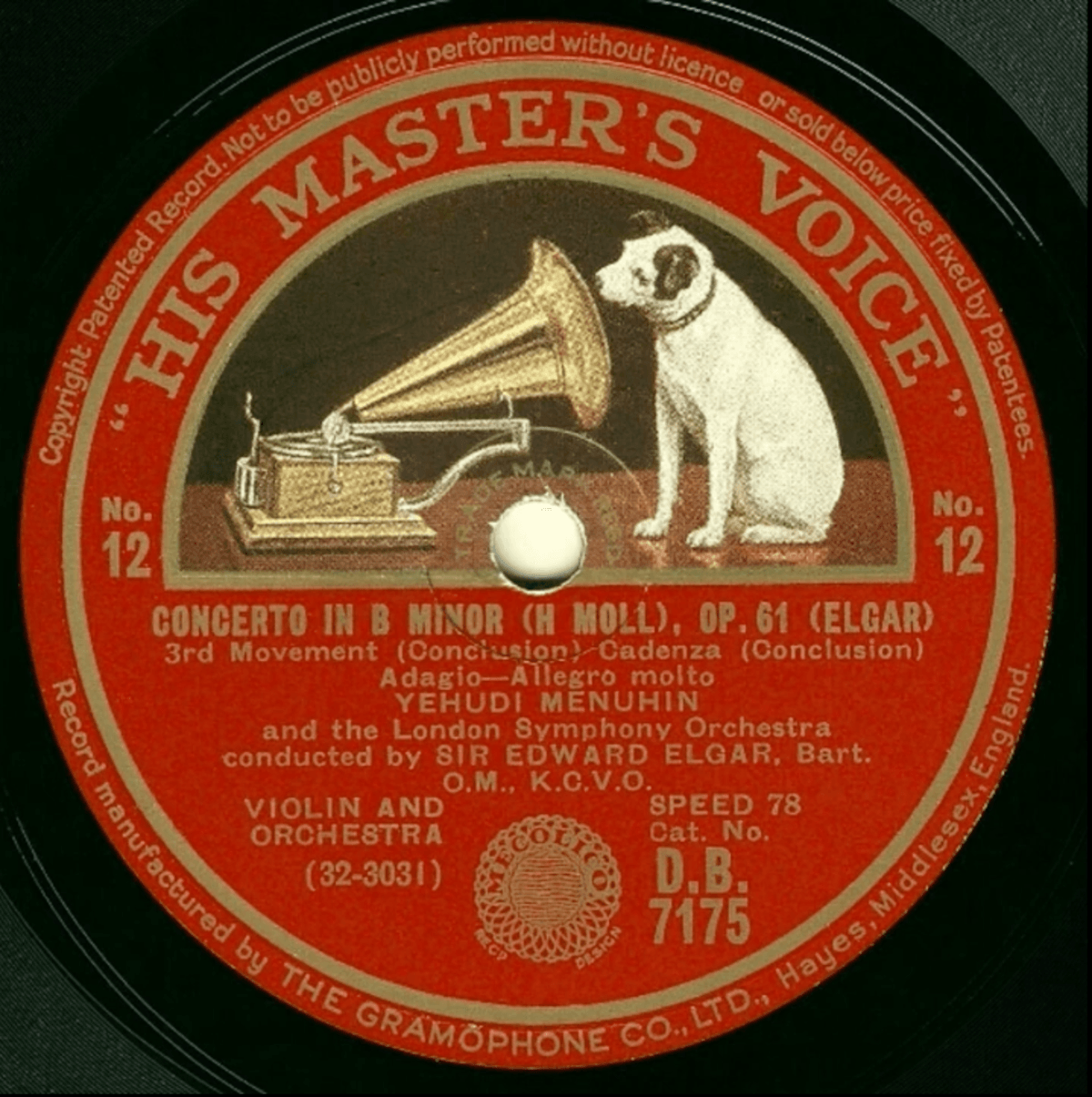
這張1932年的《艾爾加小提琴協奏曲》,現在被譽為是 20 世紀最偉大的永恆經典;
但在當年,它其實是一張「原本不該存在」的唱片。
它的誕生,充滿了大人世界的現實角力、金錢的算計,還有一場跨越了 22 年的遺憾。如果不是因為一個謊言,和一場意想不到的賽馬局,我們今天可能永遠聽不到這份感動。
在講這個故事之前,我想先問大家一個問題:
你聽過 1985 年台灣小提琴家胡乃元在伊莉沙白大賽的故事嗎?
1985年台灣小提琴家胡乃元參加伊莉沙白大賽,在決賽舞台上,大家都選那些華麗的炫技型協奏曲,試圖用速度與準度征服評審;但他卻選了這首——又長、又內省、沒有什麼片段可以討好觀眾的艾爾加。
最終他獲得金牌。
當年他在印第安納大學的老師金格(Josef Gingold,1909-1995),曾告訴他一句話: 「不要只是演奏音樂 (Don't play music),要把音樂創造出來 (Make music)。」 不要只是把音符拉出來,而是要把一個完整的東西「做出來」。
胡乃元在決賽的那場演出,不是技巧的勝利,而是敘事與靈魂的勝利。他選這首曲子,其實是在對評審說:「我不是來比快的,我是來講一個完整的人生故事。」 因為艾爾加這首曲子,寫的正是關於身分、關於鄉愁、關於那些說不出口的內心世界。
如果說,1985 年的胡乃元是用這首曲子尋找靈魂的歸屬;那麼,(2/13)我們在古殿活動要聽的這份 1932 年錄音,一份為作曲家親自權威指揮的世紀經典版本,就是這個靈魂故事的「起源」。
我想講一個關於「信任」、關於「成全」,以及一位偉大的園丁——蓋斯柏格,如何在荒蕪的現實中,種出一朵永恆玫瑰的故事。
這張《艾爾加小提琴協奏曲》,是一張「原本不該存在」的唱片。它的誕生,充滿了大人世界的現實角力、金錢的算計,還有一場跨越了 22 年的遺憾。
一:那一晚,被留在大廳裡的嘆息
故事要從 1910 年講起,比這張唱片早了整整 22 年。
那一年,倫敦的皇后廳(Queen’s Hall)燈火通明。台上站著當時的小提琴王者——弗里茲·克萊斯勒(Fritz Kreisler, 1875-1962),指揮台站著這首曲子的作曲家——艾爾加(Edward Elgar, 1857-1934)。 那是這首偉大協奏曲的世界首演(艾爾加也正是把這首曲子題獻給克萊斯勒)。全場爆滿,結束時掌聲雷動,克萊斯勒把艾爾加拉到台前擁抱,那是英國愛德華時代最後的榮光。
當時,有一個人就坐在台下。他叫弗雷德·蓋斯柏格(Fred Gaisberg,1873-1951),HMV 的王牌製作人。 看著台上的輝煌,蓋斯柏格的心裡其實是在滴血的。
為什麼?因為他是全世界最想把這個聲音錄下來的人,但他做不到。 1910 年還是「聲學錄音 (Acoustic Recording)」的時代,沒有麥克風,只有收音大喇叭。一張蠟盤只能錄 4 分鐘,聲音還糊成一團。要錄小提琴獨奏可以,但要錄這種編制龐大的管弦樂協奏曲?那簡直是災難。
蓋斯柏格只能眼睜睜看著那些美妙的音符,在空氣中消散。他只能當一個聽眾,而無法成為一個紀錄者。 那晚的遺憾,在他心裡挖了一個洞。他發誓,總有一天,等技術成熟了,他要把這兩個人——克萊斯勒與艾爾加——抓進錄音室,把這個聲音補回來。
但他沒想到,這一等,就是 22 年。而當技術終於準備好的時候,人事已非。
二:大人世界的現實角力
時間快轉到1926年。 這時候,已經有了先進的「電氣錄音(Electrical Recording)」,一切硬體都準備好了,蓋斯柏格興沖沖地跑去找克萊斯勒:
「老朋友,我們終於可以錄那首艾爾加協奏曲了!」
結果,克萊斯勒沒有答應,但也沒說死。他使出了最磨人的招數——「拖」。
這是一種讓蓋斯柏格抓狂的曖昧。蓋斯柏格後來求了好幾年,甚至展現了極大的誠意,提議:「如果你不想來倫敦,我組織團隊帶艾爾加親自去柏林跟你錄!」 但克萊斯勒始終含糊其辭,一下說忙,一下說再看看。
為什麼不肯錄?根據後來揭露的史料(以及蓋斯柏格私下的抱怨),真正的原因有兩個,既現實又傷人:
第一,他不信任艾爾加的指揮技術。克萊斯勒私下認為,艾爾加雖然是偉大的作曲家,但指揮技術真的很普通,甚至有點糟。他不願意在這種會永久流傳的錄音中,被一個「不專業的指揮」拖累。
第二,他不想再練了。一戰後克萊斯勒的興趣轉向了輕鬆甜美的小品,而這首曲子長達 50 分鐘,又難又累。他不想為了錄音,重新把這首折磨人的大曲子練回來。
這就是蓋斯柏格最難的地方:他被夾在中間。 他必須對艾爾加隱瞞真相——他絕不能跟老人家說:「克萊斯勒嫌你指揮爛」,這會摧毀艾爾加的自尊。他只能幫克萊斯勒找台階下,騙艾爾加說是因為:「檔期不行」。
隨著時間流逝,克萊斯勒這條路終於走不通了。蓋斯柏格陷入了絕境。 除了原配的缺席,他還面臨著來自**「英國本土派」的巨大輿論壓力**。 當時英國樂壇普遍認為,如果要錄這首曲子,應該找艾爾伯特·薩蒙斯(Albert Sammons,1886-1957)。他是當時公認拉艾爾加最好的英國小提琴家,而且早在 1929 年就幫HMV的競爭對手 Columbia 唱片錄過這首曲子了(當時是世界首錄音,但指揮不是作曲家本人)。 英國樂評界都在看衰:
「這是我們大英帝國的驕傲,HMV 為什麼不找薩蒙斯?為什麼要找一個美國來的小屁孩?」
HMV 不能輸給 Columbia。既然對手已經錄了薩蒙斯(甚至被認為是權威版),那 HMV 該怎麼辦? 蓋斯柏格決定劍走偏鋒。他心裡很清楚,如果要贏,不能只靠「更好」,要靠「不同」。
蓋斯柏格賭的是曼紐因這位神童自帶的「天才行銷力」和「新鮮感」,但他手裡還有另一張王牌——那就是艾爾加的親自出馬指揮。 他要用「作曲家親自認證的天才少年」這招,來對抗薩蒙斯的「本土權威」。
但這場賭局風險極大,因為 1932 年的世界,正處於「經濟大恐慌」的深淵。 HMV 為了生存,被迫跟死對頭 Columbia 合併,變成了今天的 EMI。蓋斯柏格的頂頭上司換成了以前的競爭對手路易斯·斯特林(Louis Sterling, 1879-1958),這是一位拿著計算機砍預算的狠角色。
想像一下蓋斯柏格的處境: 作曲家艾爾加已經 75 歲了,覺得自己過氣了,不想動; 原本的獨奏家克萊斯勒一直曖昧推託,最後甚至連人都叫不動; 英國輿論在罵他崇洋媚外; 公司老闆每天在咆哮:「裁員!省錢!不准錄那種沒人聽的大部頭作品!」
如果是一般的製作人,早就放棄了。「錄什麼艾爾加?錄點口水歌交差就算了吧。」 但蓋斯柏格不是普通人。他是一個有「文化風骨」的傻瓜。他看著 75 歲落寞的艾爾加,心裡想的是:
「不行,這是英國文化的根。如果不趁艾爾加還活著的時候錄下來,這將是歷史永遠無法彌補的罪過。」
於是他做了一個瘋狂的決定:既然克萊斯勒不來,那我就下這步險棋。他要找一個 16 歲的美國小男孩,來頂替小提琴王者克萊斯勒的位置。 這個小男孩,就是耶胡迪·曼紐因(Yehudi Menuhin, 1916-1999)。
三:溫柔的謊言
蓋斯柏格為什麼敢跟老闆拍桌子要錢? 這裡有一個小彩蛋。這場錄音之所以能成行,其實要感謝前一年(1931)曼紐因錄的一張唱片——《布魯赫小提琴協奏曲》。 那張唱片意外地大賣,賺了不少錢。蓋斯柏格就是拿著那張銷售報表,去跟總經理路易斯·斯特林(合併前是Columbia唱片老闆)賭:
「你看!這孩子有市場。讓他錄艾爾加,絕對沒問題!」
用「布魯赫」賺來的世俗錢,去養「艾爾加」這個崇高的藝術夢。這就是蓋斯柏格的商業智慧——他懂得用市場的規則,去守護藝術的靈魂。
但最讓我感動的,是蓋斯柏格對曼紐因的保護。 當 16 歲的小曼紐因開開心心地來到倫敦時,他完全不知道背後這些大人的現實角力。 他不知道克萊斯勒推託的真相,他不知道公司差點不給錢,他也不知道英國樂評界正在冷嘲熱諷:「為什麼找一個美國小屁孩來拉我們大英帝國的國寶?」
蓋斯柏格把這些醜陋、壓力、算計,統統擋在了錄音室門外。 他只對曼紐因說了一句話,一句充滿溫度的話:
「孩子,艾爾加爺爺很想聽你拉琴,我們去見見他吧!」
蓋斯柏格就像一位慈祥的園丁,他在狂風暴雨中,為這株幼苗搭起了一個溫室。因為他知道,曼紐因琴聲裡那種最珍貴的「純真」,一旦沾染了世俗的壓力,就再也回不來了。
四:我們要去賽馬場了!
接下來,就是音樂史上最美的一段佳話。
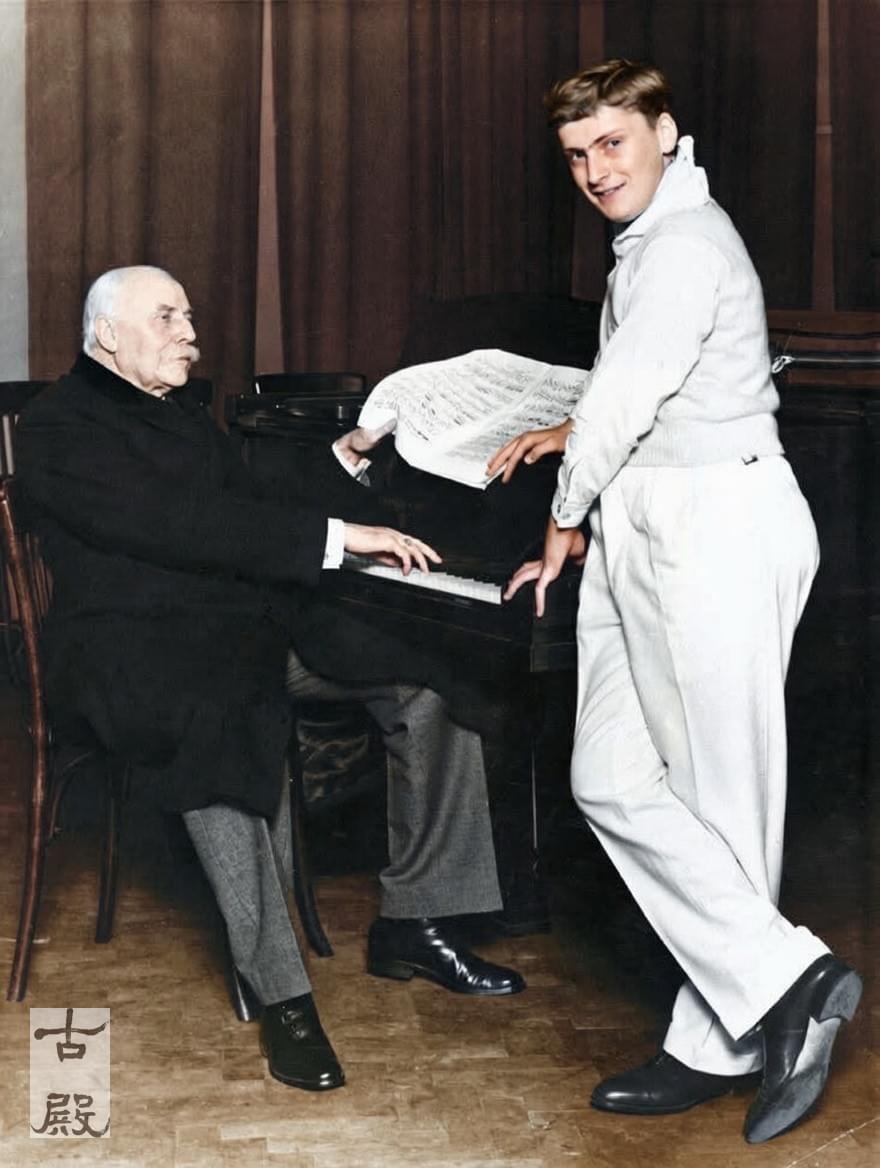
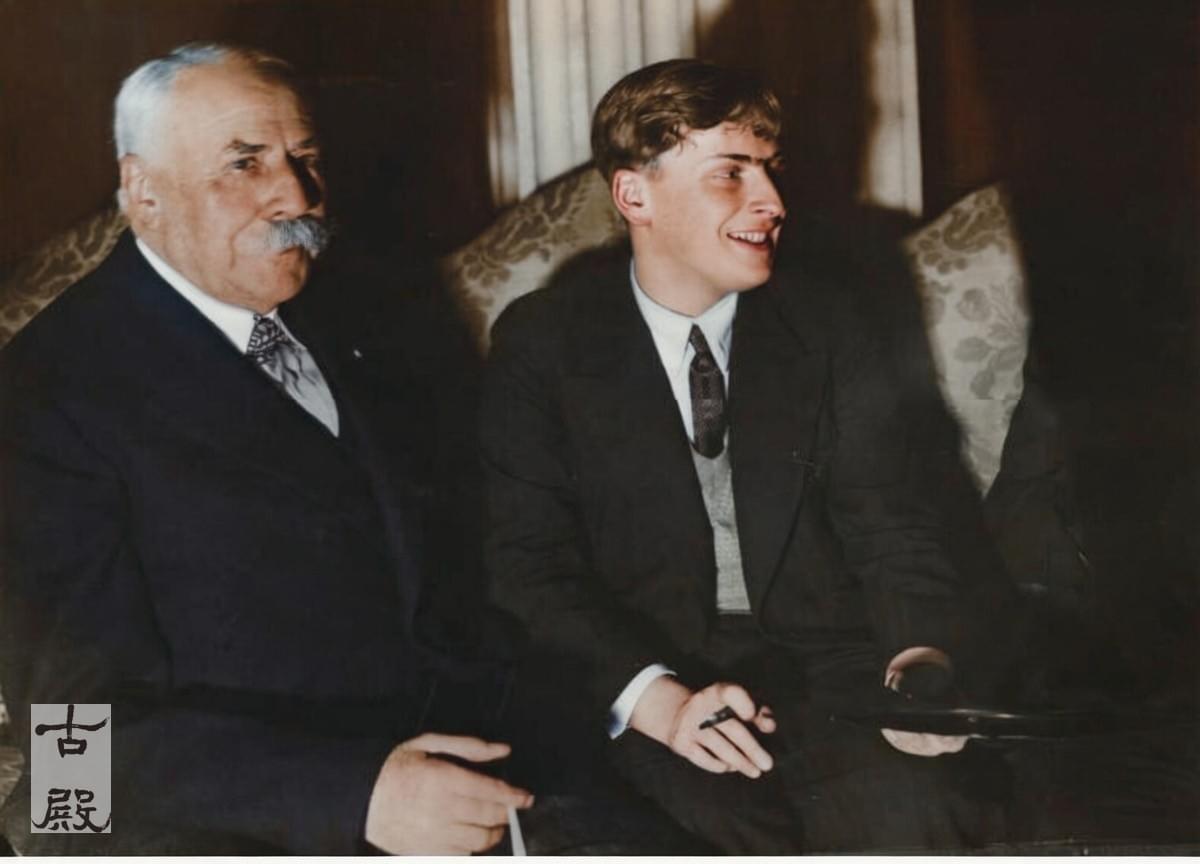
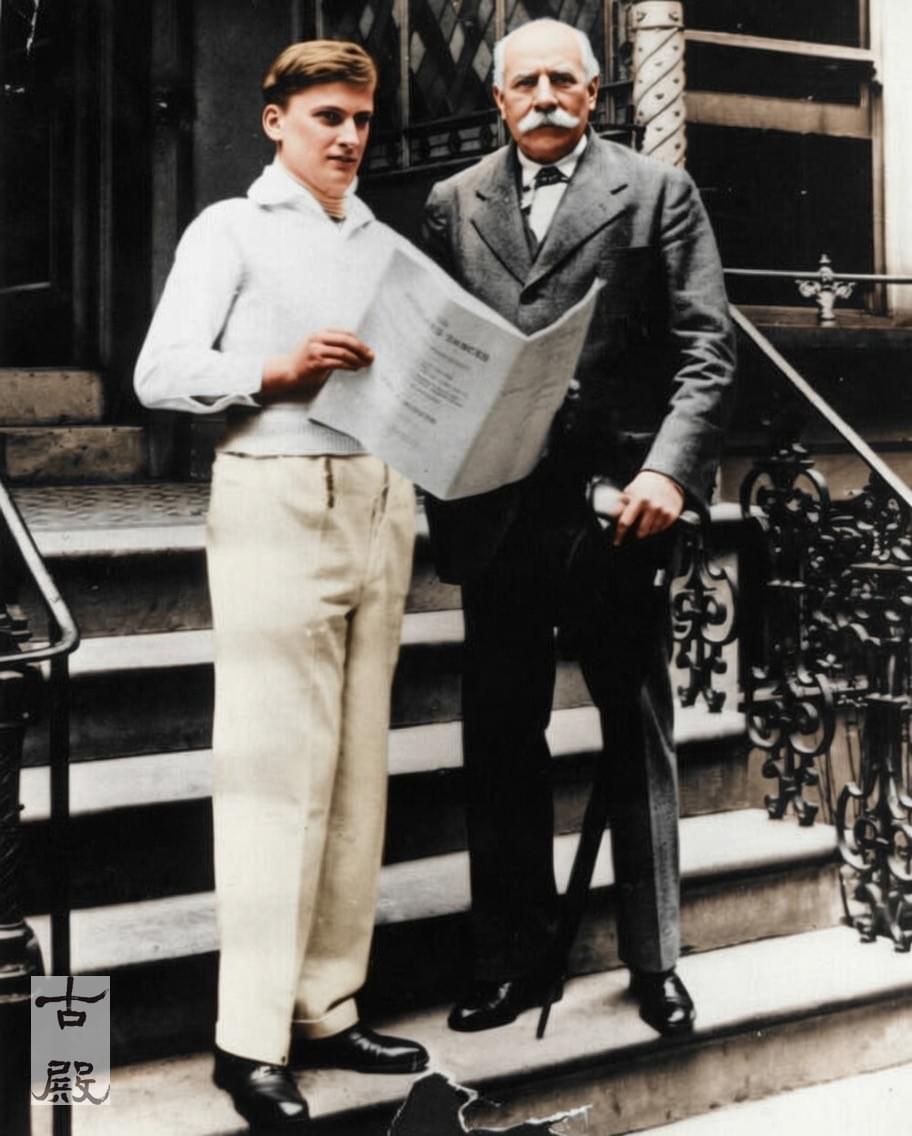
1932 年夏天,蓋斯柏格安排這對相差 60 歲的「爺孫」見面排練。 老實說,艾爾加一開始是意興闌珊的。一個 75 歲、歷經滄桑的老人,要跟一個 16 歲、人生才剛開始的少年合作,能有什麼火花?艾爾加大概心想:
「我就敷衍一下這個神童吧!」
排練開始,鋼琴伴奏響起,曼紐因閉上眼睛,拉出了第一樂章的主題。 在場的人回憶,那一瞬間,空氣凝結了。 才拉了幾分鐘,艾爾加突然把手一揮:「停!」 全場嚇壞了,蓋斯柏格心臟都要停了,以為大師生氣了。
結果,艾爾加轉過頭,臉上帶著孩子般的笑容,對曼紐因說:
「夠了,孩子。這已經太完美了,不可能再更好了。我們別練了,我要帶你去賽馬場看賽馬!」
你能想像那個畫面嗎? 一位德高望重的爵士,被少年的琴聲融化,直接翹班帶他去玩! 這不是嚴肅的教學,這是一場生命的慶典。
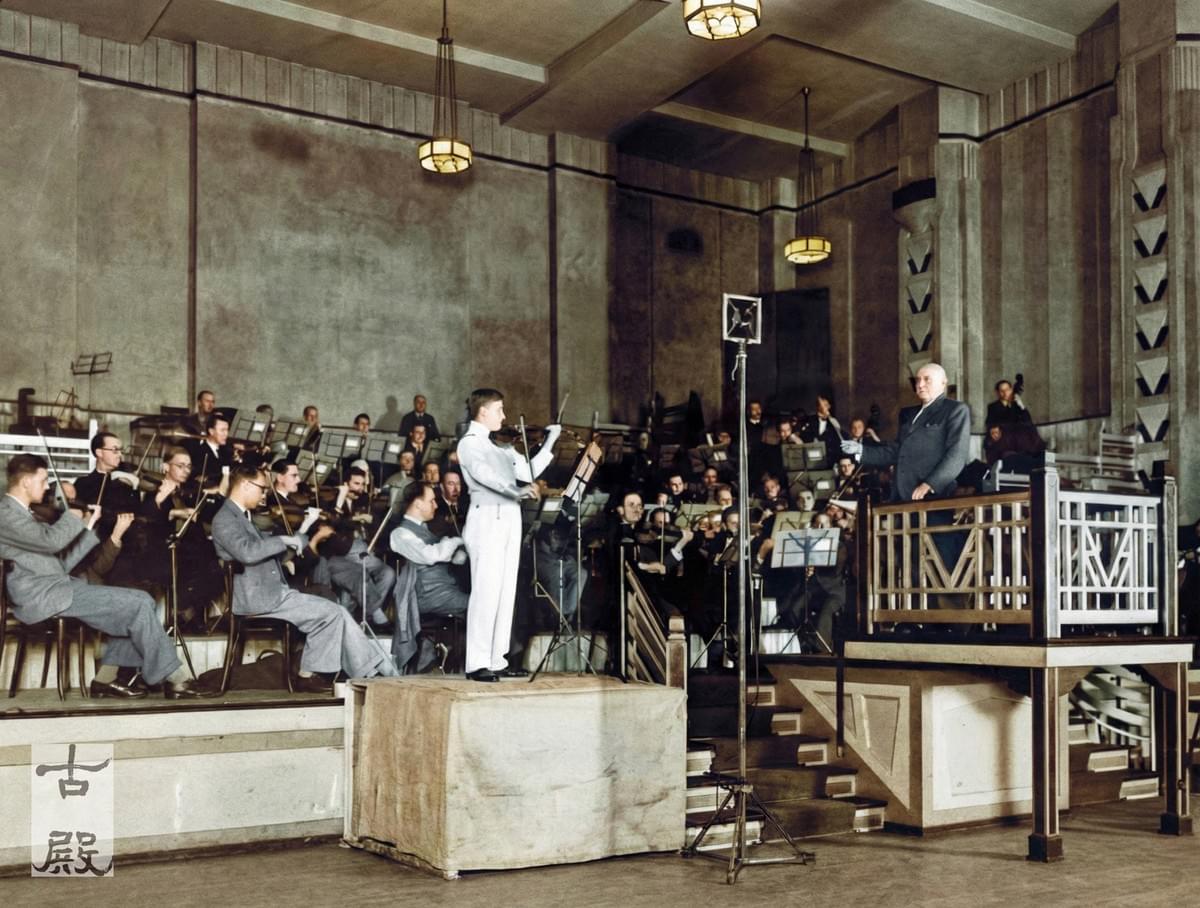
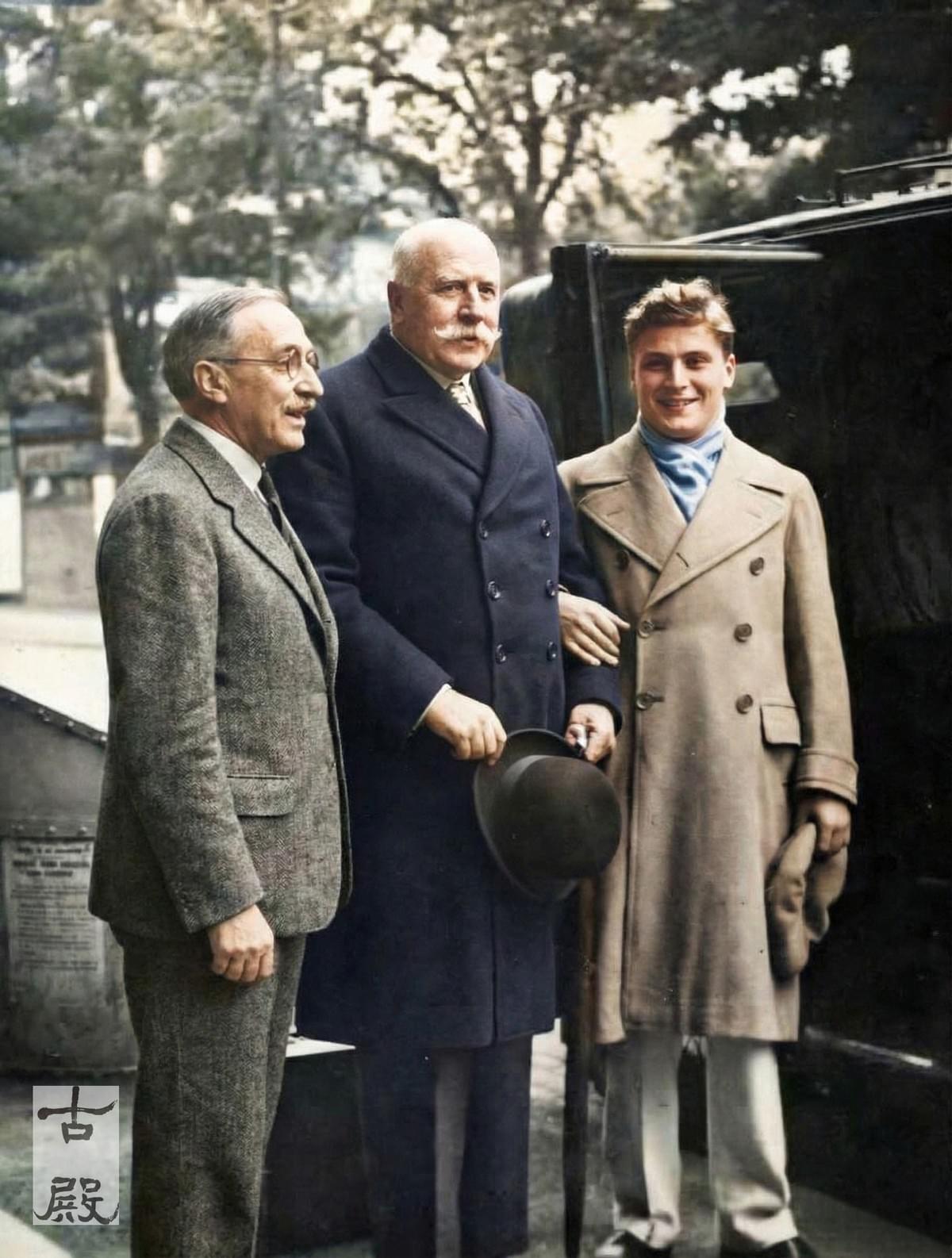
後來在艾比路錄音室正式錄音時,那氣氛根本不像在工作。蓋斯柏格還特別把錄音室變成了一個「文化沙龍」。他邀請了英國大文豪蕭伯納(George Bernard Shaw,1856-1950)來現場喝茶,邀請了畫家、作家來圍觀。 曼紐因後來回憶說:「蓋斯柏格叔叔總是笑瞇瞇地坐在角落,看著我們。只要接觸到他的眼神,我就覺得自己是世界上最重要的人。」
在那個當下,沒有代溝,沒有壓力。只有老一輩對年輕一輩的信任,以及年輕人對歷史的謙卑致敬。 艾爾加看著曼紐因的眼神,就像是在看著年輕時的自己。他把他對這個世界最後的熱情與溫柔,全部託付給了這個少年。
五:從獵人到園丁
各位朋友,為什麼我今天這麼想講蓋斯柏格? 因為我覺得,我們現代人,甚至是我自己,都太需要學習他的精神了。
在現代的商業社會,我們被教導要做「獵人」。看到好東西要搶,要競爭,要贏過對手。 但蓋斯柏格告訴我們,真正的價值,不是搶來的,是「種」出來的。他是一位「園丁」。
你看這張唱片: 他成全了艾爾加,希望這位身披英國榮光的老人在晚年找回了尊嚴與活力。 他成全了曼紐因,保護了少年的純真,讓他進入了大師的殿堂。 他成全了這首曲子,讓它從「克萊斯勒的棄兒」,變成了永恆的經典。
蓋斯柏格相信一種「共好」的哲學。他把餅做大,讓每個人都在這個局裡變得更好。他不是在製造商品,他是在:經營人與人之間的生命連結。
這跟當年蓋斯柏格面對冰冷的錄音機器一樣。 很多人問我:「殿主,你會不會焦慮?實體唱片會不會消失?」 我想回答的是:只要我們像蓋斯柏格一樣,不把科技當成冰冷的工具,而是用它來保存人味;只要我們願意像他守護曼紐因那樣,去守護身邊真實的感動,我們就永遠不會被取代。
最後:世代的擁抱
最後,當我們聆聽這套 1932 年的原始蟲膠唱片時,請大家不要只注意小提琴的技巧。 請你們試著去聽聽看,那藏在音符背後的「眼神」。
那是 75 歲的艾爾加,看著 16 歲曼紐因的眼神。 那是蓋斯柏格隔著錄音室的玻璃窗,看著他們兩個人的眼神。
這不只是一張唱片,這是**「世代的擁抱」**。 克萊斯勒雖然賦予了這首曲子「誕生」,但他沒有陪它走到最後。 是曼紐因的純真,接住了艾爾加的滄桑,給了這首曲子「永恆」。
而蓋斯柏格,就是那個在旁邊默默微笑,為這一切擋下所有風雨的園丁。
現在,回到 1932 年的倫敦,去參加這場由蓋斯柏格為我們舉辦的、關於愛與傳承的音樂派對。
*******
活動資訊
- 活動名稱:【古殿歷史名曲音樂喫茶第39場】耶胡迪·曼紐因小提琴協奏曲之夜
- 時間:2026年2月13日(週五) 19:30 - 21:00
- 地點:古殿樂藏
- 名額:限定10席(額滿即止)
「古殿歷史名曲音樂喫茶」將是台灣目前唯一固定舉辦此類深度歷史聆聽活動的空間。
當晚將會播放曼紐因世界第一套巴赫無伴奏小提琴組曲片段與1932年他跟艾爾加爵士一同錄製的艾爾加小提琴協奏曲
********
活動名稱:【古殿歷史名曲音樂喫茶第39場】耶胡迪·曼紐因小提琴協奏曲之夜
👉 立即預約您的時空席位 (需匯款確認):
********
The "Greatest Classic" of All Time... Was Actually a Record That "Shouldn't Have Existed"? ~~ From being abandoned to the birth of an eternal legend.
This 1932 recording of the Elgar Violin Concerto is now hailed as the greatest, eternal classic of the 20th century. But back then? It was actually a record that "shouldn't have existed."
Its birth was full of the messy reality of the adult world—money calculations, power struggles, and a regret that spanned 22 years. If it weren't for a gentle lie and an unexpected trip to the horse races, we might never have heard this moving sound today.
Before I tell this story, I want to ask you a question: Have you heard the story of Taiwanese violinist Hu Nai-yuan at the 1985 Queen Elisabeth Competition?
In the finals of that competition, everyone else chose flashy, show-off concertos, trying to conquer the judges with speed and precision. But Hu? He chose this piece—the Elgar. It’s long, introspective, and has almost no "cool parts" to please the crowd. And yet, he won the Gold Medal.
His teacher at Indiana University, Josef Gingold, once told him something profound: "Don't just play music. You have to make music." Don't just pull the notes out of the instrument; you have to create something whole.
Hu Nai-yuan's performance wasn't a victory of technique; it was a victory of the soul. By choosing this piece, he was telling the judges: "I'm not here to race. I'm here to tell a complete life story." Because this piece by Elgar is about identity, homesickness, and those inner worlds we can't quite put into words.
If Hu Nai-yuan used this piece to find where his soul belonged, then the 1932 recording we are going to listen to at Gudian (on Feb 13th)—conducted by the composer himself—is the "origin" of that soul.
I want to tell you a story about "trust," about "making things happen," and about a great gardener named Fred Gaisberg, who managed to grow an eternal rose in a desert of harsh reality.
1. That Night, a Sigh Left in the Hall
The story starts in 1910, a full 22 years before this record was made.
That year, Queen’s Hall in London was blazing with light. On stage stood the King of Violinists, Fritz Kreisler. Conducting him was the composer, Edward Elgar. It was the world premiere of this great concerto (Elgar actually wrote it for Kreisler). The hall was packed, the applause was thunderous, and they hugged on stage. It was the last glory of the Edwardian era.
Sitting in the audience was a man named Fred Gaisberg. He was the ace producer for HMV (the record company). Looking at the brilliance on stage, his heart was actually bleeding.
Why? Because he was the person in the world who most wanted to record this sound, but he couldn't. 1910 was still the era of "Acoustic Recording." There were no microphones, just giant horns to capture sound. A wax disc could only hold 4 minutes, and the sound was blurry. A violin solo? Maybe. But a massive orchestra? It would sound like a disaster.
Gaisberg could only watch those beautiful notes vanish into thin air. He was forced to be just a listener, not a recorder. That night dug a hole in his heart. He swore that one day, when technology was ready, he would drag these two men—Kreisler and Elgar—into a studio and capture this sound.
He just didn't expect that wait to last 22 years. And by the time the tech was finally ready, everything had changed.
2. The Messy Reality of the Adult World
Fast forward to 1926. We now have advanced "Electrical Recording" with microphones! The hardware is ready. Gaisberg excitedly runs to Kreisler: "Old friend! We can finally record the Elgar concerto!"
The result? Kreisler didn't say yes, but he didn't say no. He used the most annoying tactic in the book: "Dragging it out."
It drove Gaisberg crazy. He begged for years. He even offered: "If you don't want to come to London, I'll bring Elgar and the whole team to Berlin to record you!" But Kreisler kept being vague—"I'm busy," "Let me think about it."
Why wouldn't he record? Based on later history (and Gaisberg's private complaints), there were two very real, very hurtful reasons:
He didn't trust Elgar's conducting. Kreisler privately thought that while Elgar was a great composer, he was a mediocre—even bad—conductor. He didn't want his legacy ruined by an "unprofessional conductor."
He didn't want to practice. After WWI, Kreisler preferred playing short, sweet, easy pieces. This concerto is 50 minutes long, difficult, and exhausting. He simply didn't want to suffer through relearning it.
This put Gaisberg in a terrible spot. He was stuck in the middle. He had to hide the truth from Elgar—he could never tell the old man, "Kreisler thinks your conducting stinks," or it would crush Elgar. So he lied and told Elgar it was just "scheduling conflicts."
Eventually, the Kreisler dream died. Gaisberg was cornered. On top of that, he faced huge pressure from the "British Locals." The British music scene shouted that if HMV was going to record this, they should use Albert Sammons. He was the best local violinist and had already recorded it for the rival company, Columbia. Critics sneered: "This is the pride of the British Empire! Why not use our own guy? Why look for some kid from America?"
But Gaisberg decided to take a huge risk. He knew that to win, he didn't just need "better"—he needed "different."
He had a wild card: Yehudi Menuhin. Gaisberg was betting on the "freshness" of this child prodigy, combined with the authority of the composer conducting himself. He wanted to use the "Genius Kid Approved by the Composer" angle to fight the "Local Authority."
But it was a dangerous gamble because 1932 was the depth of the Great Depression. Budgets were being slashed. His boss was a guy named Louis Sterling, a ruthless cost-cutter. Imagine Gaisberg’s situation:
The composer, Elgar, is 75, feels washed up, and doesn't want to move.
- The original star, Kreisler, bailed on him.
- The public is yelling at him for not using a British violinist.
- The boss is screaming: "Cut costs! Stop recording these long, expensive pieces nobody listens to!"
- A normal producer would have quit. "Forget Elgar, let's just record some pop songs and go home." But Gaisberg wasn't normal. He was a "fool" with cultural backbone. He looked at the lonely 75-year-old Elgar and thought: "No. This is the root of British culture. If I don't record this while Elgar is still alive, history will never forgive us."
So he made a crazy decision: Since Kreisler won't come, I'll find a 16-year-old American boy to take the place of the King of Violins.
3. A Gentle Lie
How did Gaisberg dare to demand money from his angry boss? Here's a little secret. This recording only happened because of a record Menuhin made the year before (1931)—the B
ruch Concerto. That record unexpectedly sold like hotcakes. Gaisberg took that sales report, slammed it on his boss's desk, and said: "Look! This kid has a market. Let him record Elgar, it’s a sure thing!"
He used the "commercial money" earned from Bruch to fund the "artistic dream" of Elgar. That is Gaisberg's wisdom—using the rules of the market to protect the soul of art.
But what touches me most is how Gaisberg protected Menuhin. When 16-year-old Menuhin arrived in London, he knew nothing about the dirty politics behind the scenes. He didn't know Kreisler had rejected the piece. He didn't know the company almost didn't pay for it. He didn't know the British critics were mocking him.
Gaisberg blocked all that ugliness, pressure, and calculation outside the studio door. He said only one thing to Menuhin, with total warmth: "Kid, Grandpa Elgar really wants to hear you play. Let's go meet him!"
Gaisberg was like a kind gardener building a greenhouse for a young sprout in the middle of a storm. He knew that the most precious thing in Menuhin's sound was his "innocence," and if that got tainted by adult stress, it would be gone forever.
4. "We're Going to the Races!"
What followed is one of the most beautiful stories in music history. Summer, 1932. Gaisberg arranges for the "Grandpa and Grandson" (aged 75 and 16) to meet. Honestly, Elgar wasn't interested at first. What spark could a weary old man have with a boy whose life was just starting? Elgar probably thought: "
I'll just humor this child prodigy."
The rehearsal began. The piano accompaniment started, Menuhin closed his eyes and played the first theme. Witnesses said the air in the room froze. After just a few minutes, Elgar suddenly waved his hand: "Stop!" Everyone panicked. Gaisberg’s heart almost stopped—he thought the master was angry.
Instead, Elgar turned around, a child-like smile on his face, and said to Menuhin: "That's enough, my boy. It is already too perfect. It cannot be better. Let's stop practicing—I'm taking you to the horse races!"
Can you imagine that scene? A highly respected Sir, melted by a boy's music, skipping work to take him to have fun! This wasn't a strict lesson; it was a celebration of life.
Later, at the official recording session at Abbey Road, it didn't feel like work at all. Gaisberg turned the studio into a "cultural salon." He invited the great writer George Bernard Shaw to drink tea, and painters and writers came to watch. Menuhin later recalled: "Uncle Gaisberg always sat in the corner, smiling at us. Whenever I caught his eye, I felt like I was the most important person in the world."
In that moment, there was no generation gap, no pressure. Just the trust of the old for the young, and the young's humble tribute to history. Elgar looked at Menuhin like he was looking at his younger self. He entrusted his final passion and tenderness for the world to this boy.
5. From Hunter to Gardener
Friends, why do I want to talk about Gaisberg so much today? Because I feel that we modern people—myself included—desperately need to learn from his spirit.
In today's commercial world, we are taught to be "Hunters." See something good? Grab it. Compete. Beat the opponent. But Gaisberg shows us that true value isn't hunted; it is "grown." He was a "Gardener."
Look at this record: He nurtured Elgar, helping an old man find dignity and energy in his twilight years. He nurtured Menuhin, protecting the boy's innocence so he could enter the hall of masters. He nurtured this piece of music, turning it from "Kreisler's abandoned child" into an eternal classic.
Gaisberg believed in a philosophy of "mutual good." He didn't just make a product; he managed the connection between human lives.
This is exactly how I feel about Gudian. Many people ask me: "Hall Master, aren't you anxious? Will physical records disappear?" My answer is: As long as we act like Gaisberg—not treating technology as a cold tool, but using it to preserve human warmth; as long as we are willing to guard the real, moving moments around us just like he guarded Menuhin, we will never be replaced.
Finally: A Generational Embrace
Lastly, when we listen to this 1932 recording at our event, please don't just pay attention to the violin technique. Please try to listen to the "
gaze" hidden behind the notes.
That is 75-year-old Elgar looking at 16-year-old Menuhin. That is Gaisberg, sitting behind the studio glass, looking at both of them with a smile.
This isn't just a record. It is a "Generational Embrace." Kreisler may have given this piece its "birth," but he didn't walk with it to the end. It was Menuhin's innocence that caught Elgar's weariness, giving this piece its "eternity."
And Gaisberg? He was the gardener who silently smiled in the corner, blocking the wind and rain so this flower could bloom.
Now, let's go back to London, 1932, and join this music party about love and inheritance, hosted for us by Fred Gaisberg.