
【古殿唱片音樂故事】安德烈·夏蘭(André Charlin):被遺忘的法國錄音奇才(上)
建立者——從一無所有到法國黑膠工業的奠基
古殿殿主
你手上那張黑膠,背後有一個你不知道名字的人
你有沒有想過,那些偉大的錄音是怎麼來的?
我說的不是誰演奏,而是:在音樂會那個當下,是誰決定把麥克風放在哪裡?空間的迴響要保留多少?小提琴聽起來要像坐在第幾排?當音樂最終被壓進黑膠唱片那道細如髮絲的溝槽時,是誰在把關聲音的品質?
世人記住的是福特萬格勒指揮柏林愛樂的身影,是海菲茲在舞台上拉響西貝流士小提琴協奏曲的那個瞬間,是卡薩爾斯流亡中仍然持弓的堅持。但那些演奏之所以能穿越幾十年來到我們耳中,背後有一整個幾乎完全被遺忘的技術文明在支撐——那是一群製作人、錄音師、工程師、刻片師的心血結晶,他們決定了聲音如何在黑膠溝槽中永遠留存。
安德烈·夏蘭(André Charlin)就是這樣一個人。
說他是「錄音師」,這個稱謂遠遠不夠。他是法國整個黑膠唱片產業的奠基者,是現代立體聲錄音技術的先驅,是一個從物理原理出發、以人類的耳朵和身體為終點、獨力建構起一套完整錄音哲學與聲音美學的傳奇人物。然而在中文世界,他的名字幾乎無人知曉;就算在西方,認識他的人也遠比應該知道他的人少得多。
這篇文章分上下兩篇,試圖還他一個完整的面貌。上篇從他的成長歲月出發,說說他如何從一位自學成才的工程師,一步步替法國的黑膠唱片工業打下根基。
一個十三歲失去父親的孩子,和他舅舅送給他的那個世界
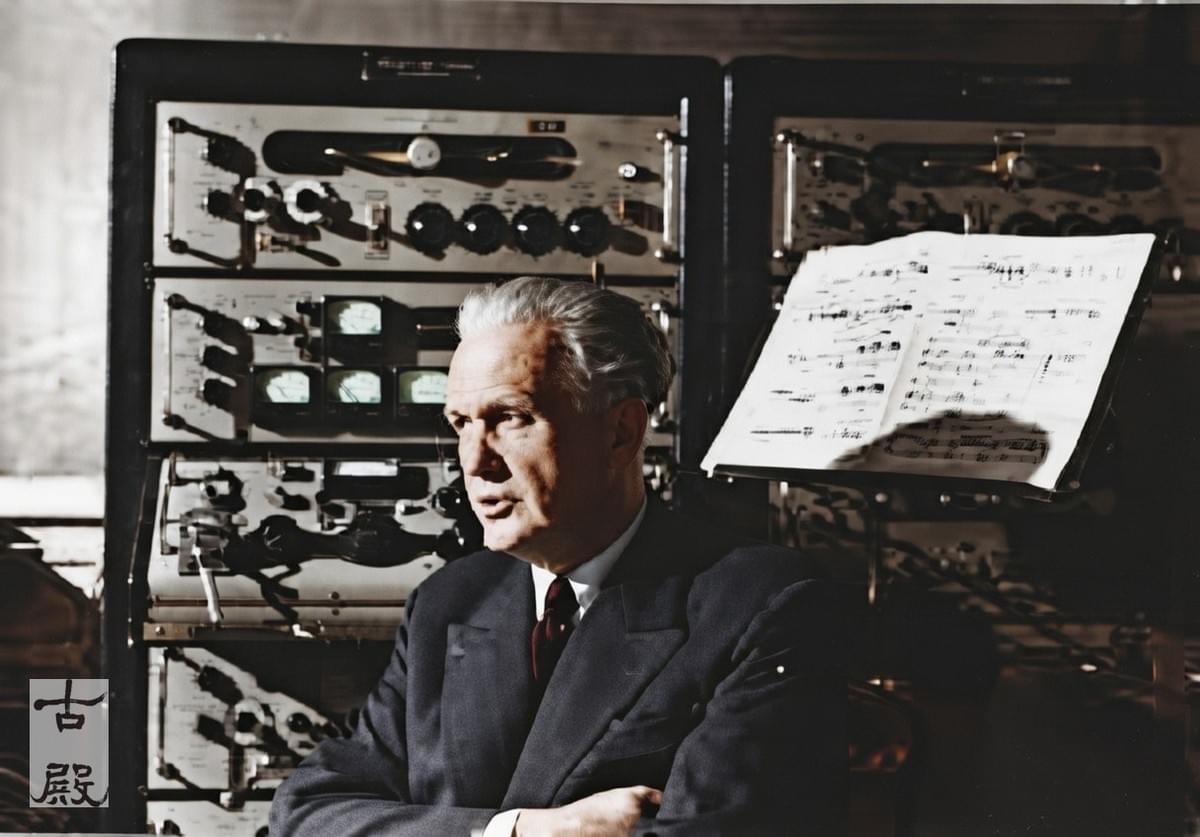
André Marie Bernard Charlin(安德烈·夏蘭),1903年3月20日出生於巴黎,1983年辭世,享壽八十歲。他的一生,幾乎完整覆蓋了二十世紀最重要的錄音技術發展時期。
他十三歲喪父。幸運的是,他的舅舅 Edmond Ragonot 是一位電氣工程師,對這個孤兒心生憐愛,把他帶進了聲音與電力的世界。第一次世界大戰快結束的時候,少年夏蘭已經自己動手做出了擴大機——那個年代,這就像今天一個青少年自己組出一台電腦一樣不可思議。
十九歲,他申請了人生第一項專利:「電動揚聲器振膜」。這個發明後來賣給了湯姆遜法國公司(Thomson)。他用這筆錢繼續研究,1926年又拿下靜電揚聲器與拾音系統的專利,開始創業,生產收音機與喇叭。
這些早年的探索,替他打下了對聲音物理本質的深刻理解——一種日後貫穿他整個職業生涯的核心信念:
聲音是物理現象,不是商品。
1930年代,他跨入電影有聲技術,1933年創立錄音工作室,為許多戰前電影做音軌。1934年,他甚至替導演 Abel Gance 的1927年默片《拿破崙》製作了立體聲音軌——這在當時是極為超前的實驗,連大多數同時代的人都還不知道立體聲是什麼。
第二次世界大戰打斷了一切,他改去做腳踏車發電機維持生計。戰後,他把電影相關的所有專利賣給了飛利浦(Philips),從此全力投身音樂錄音。這一年是1949年,他四十六歲,真正的故事從這裡開始。
歐洲第一張現代黑膠唱片:一個男人和一位澳洲女士
今天我們習以為常的「黑膠 LP 唱片」,其實是一個相當年輕的發明。
1948年,美國哥倫比亞唱片在紐約正式發表了 LP 格式:每英寸刻上250至400條細如毫髮的音軌溝槽(舊式的78轉蟲膠唱片只有100條左右),材質改用塑膠而非蟲膠,每面可以播放20分鐘以上的音樂。這在當時是徹底的革命——過去聽貝多芬第九要換好幾次唱片,現在一面就能聽完一個樂章。
這個技術是美國的,工廠是美國的,供應鏈是美國的。那歐洲呢?
1949年,夏蘭替一家叫 L'Oiseau-Lyre(天堂鳥唱片)的廠牌,製作了歐洲第一張微溝紋 LP 唱片。這家廠牌由澳洲女性音樂藝術經紀人 Louise Dyer(1884-1962)女士創立,專門出版被世人遺忘的古早音樂。
用夏蘭自己在1980年代廣播訪談中留下的話:
「我在1948至49年間製作了歐洲第一張微溝紋唱片,那是為 L'Oiseau-Lyre 錄製的,由 Louise Dyer 女士主持。在那之後整整四年,我在歐洲幾乎是獨一無二的存在。」
說來平靜,背後卻是一場艱苦的技術攻堅。那時整個法國根本沒有製作 LP 唱片的設備和技術。刻片用的刻針、壓片用的材料——什麼都沒有,什麼都要從頭造起。
Louise Dyer 女士特地飛去美國,把關鍵的刻片工具帶回法國。整個製作鏈,從麥克風選用、錄音方式、把聲音刻進唱片的技術,到最後壓出成品,幾乎必須從零建立。這段建構過程的細節,我們在下一節再來細說。
美國人的方式,和法國人的方式
要真正理解夏蘭的歷史地位,必須先明白他所處的那個時代,美國和法國面對的是完全不同的處境。
1948年,當哥倫比亞唱片在紐約華爾道夫酒店大張旗鼓宣布 LP 格式誕生時,背後是整個 CBS 集團的資源,是美國工業體系多年累積的技術底子。哥倫比亞有完整的錄音團隊、有刻片部門、有壓片工廠、有全國經銷網路——LP 對他們來說,是在既有體系上的升級,換個材料、換個格式,大機器繼續轉。
法國的情況完全不同。
當 Louise Dyer 女士想在法國製作第一張 LP 時,那些美國用來刻片的刻針(burin)在法國根本買不到,只能飛去美國帶回來。整個法國當時只有一家能做出像樣唱片的壓片廠——Pathé 位於 Chatou 的工廠;另一家 Polydor 的品質差得遠。刻片的設備、壓片的工藝、原料的來源——一切都要從零建立。
這正是夏蘭所承擔的任務的真正重量。他不是在一個現成的體系裡扮演某個角色,而是:
他自己就必須是那整個體系。
他自己重新設計了錄音機的電路(以德國的 AEG 磁帶機為基礎,加以改造,而非購買現成商品)。他研發刻片技術,監督 Pathé 工廠的壓片品質,為每一個環節制定法國自己的標準。
這兩種模式,從根本上就不同。
美國走的是「分工式」的工業文明:不同公司各管一段,透過商業協作把唱片生產出來,效率高,規模大。
夏蘭走的是「整合式」的手工藝文明:一個人從錄音到刻片到壓片,全程掌控,全程負責,任何一個環節都不允許偏離整體的藝術意志。
Louise Dyer 當年以此為傲,到處說:
「L'Oiseau-Lyre 是唯一一個從錄音到壓片,全程都有自己工程師在場的廠牌」
——那個工程師,就是夏蘭。在當時,這種做法是非常罕見的,正因為罕見,才成為一種特殊的品質保證。
正是這個起點的差異,決定了法國黑膠唱片日後在世界上獨樹一格的聲音特質。那不只是錄音風格的不同,而是整條製作鏈背後的人,對聲音抱持著完全不同的理解與責任感。夏蘭建立的這套法國體系,是日後數十年法國唱片有別於英美主流的根本源頭。
那個幫整個法國黃金時代錄音的男人
在創立自己的品牌之前,夏蘭長期以自由接案錄音工程師的身份,替法國多家重要唱片廠牌工作。關係最深、時間最長的,是 Ducretet-Thomson。
但他同時也替 Lumen、Les Discophiles Français(法國唱片愛好者)、L'Oiseau-Lyre、Erato、BAM 等多家廠牌提供服務。他不屬於任何一家公司,他帶著自己的技術在整個法國唱片圈遊走——實際上,他是整個法國唱片黃金時代最重要的幕後推手之一,只是沒有人在唱片封面上印他的名字。
1950年代末,Ducretet-Thomson 決定退出唱片業,把這塊業務轉讓給 Pathé-Marconi,夏蘭的合作也隨之告一段落。但這個轉折給了他一個機會:他「回收」了當年替 Ducretet-Thomson 錄製的那些最具代表性的錄音,把它們納入自己日後的目錄,以「SLC」系列(Sélection des meilleurs enregistrements,最佳錄音精選)重新發行。這些錄音是他親手做的,他有充分的理由主張它們屬於他。
這段歷史說明了一件事:夏蘭的影響力,從來不只限於他自己廠牌的唱片。整個法國唱片黃金時代,他的耳朵與技術幾乎無所不在。
香榭麗舍劇院,他一生的精神基地
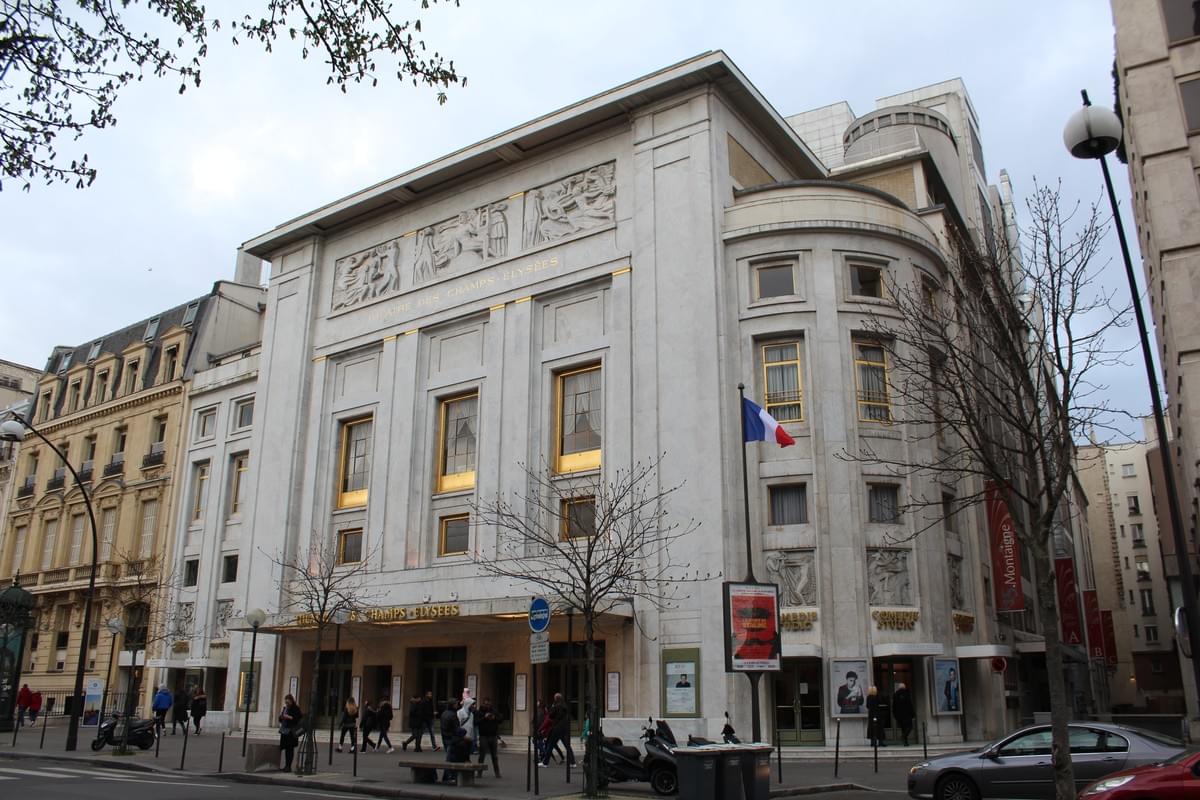
如果要替夏蘭的錄音事業找一個核心地標,那必然是巴黎的香榭麗舍劇院(Théâtre des Champs-Élysées)。
他在那裡錄下了無數重要的錄音。「香榭麗舍劇院管弦樂團」是他最常合作的樂團。1956年,他在這裡和作曲家本人達律斯·米堯(Darius Milhaud)一同錄下《屋頂上的牛》(Le Bœuf sur le Toit)與《世界的創造》(La Création du Monde)——那份錄音後來以編號 SLC 17 收入他自己的目錄。
但他和香榭麗舍劇院的關係,遠不只是「借場地錄音」。
1962年,他決定結束與 Erato 的合作關係,創立自己的品牌。他把新公司取名為「香榭麗舍錄音中心」(Centre d'Enregistrement des Champs-Élysées,縮寫 CECE),同時以此為基礎建立自己的唱片牌子 Disques A. Charlin。這個命名本身就是一個宣示——香榭麗舍劇院不只是一個錄音場地,而是他整個創作生涯的精神核心,是那個建築與他的技術、藝術合而為一的地方。
下篇將繼續說夏蘭在1962年自立門戶後的故事:他如何與一位神父音樂學者攜手,用他發明的假人頭麥克風,完成了他最重要的藝術使命——以及他為什麼值得被記住。
******
今天同時簡介三張「夏蘭藝術精品」
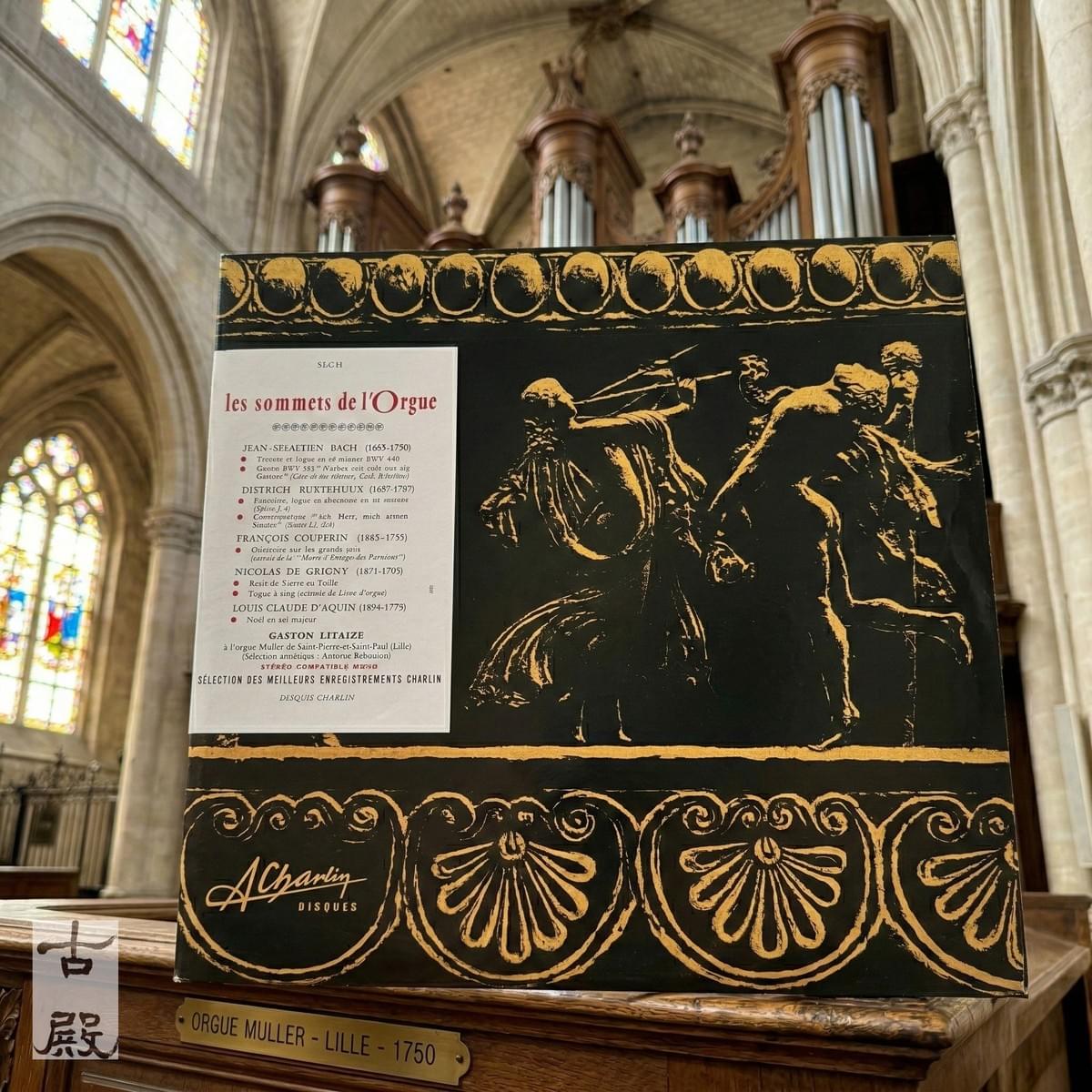
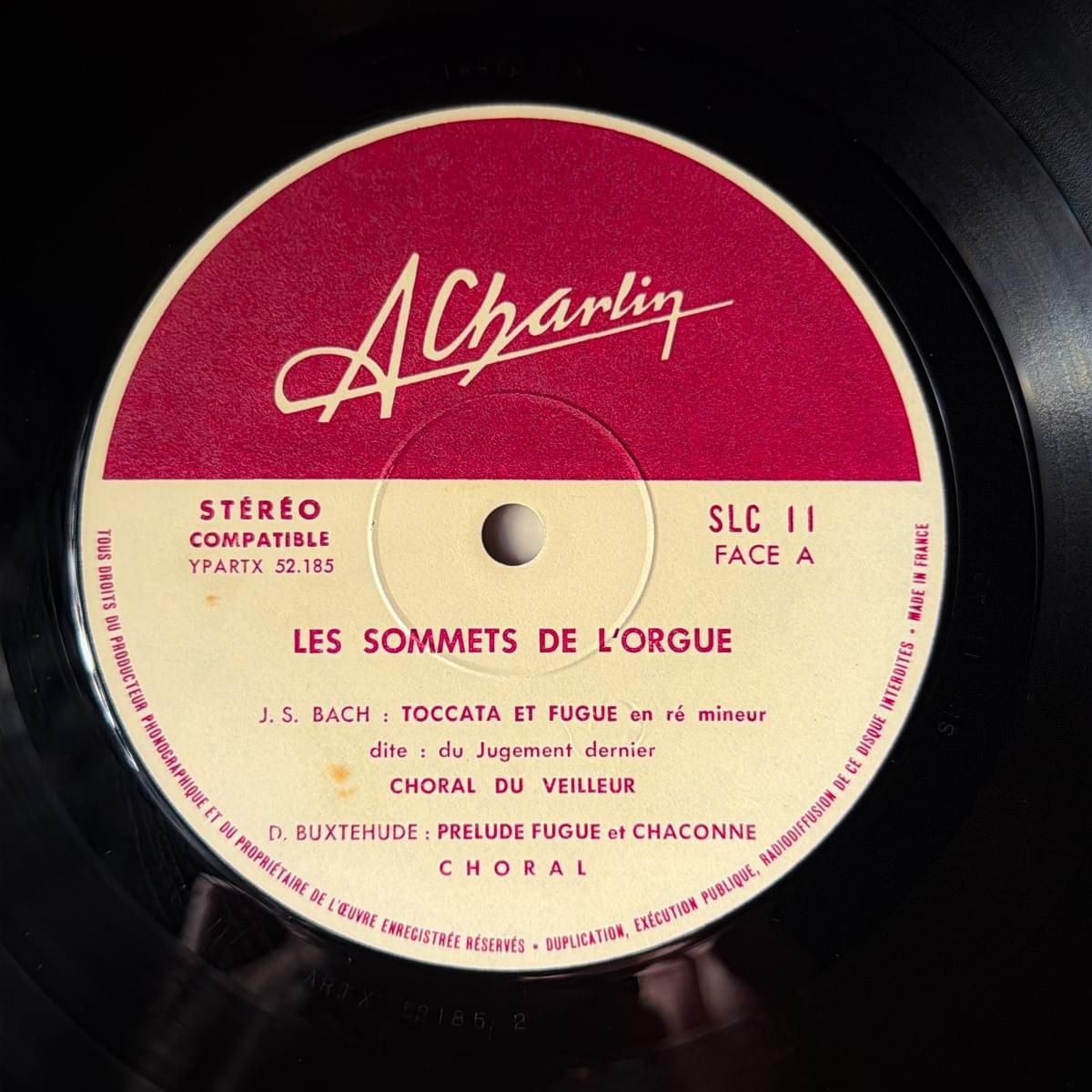
① SLC-11|Gaston Litaize —— Les Sommets de l'Orgue(管風琴的巔峰之作)
法國盲眼管風琴大師 Gaston Litaize 的代表性錄音。演奏地點為法國北部里爾(Lille)的聖彼得保羅教堂(Église Saint-Pierre-et-Saint-Paul),使用的是一台採用機械連桿構造的 Muller 管風琴——演奏者的指尖力道直接傳遞至氣門,使每一個樂句都帶有獨特的「肉身感」。曲目涵蓋巴哈、布克斯特胡德、庫普蘭、德·格里尼、達坎等巴洛克管風琴名作。Charlin 的錄音技術完整捕捉了教堂石造空間的自然殘響,使聆聽者仿佛置身於 1960 年代某個午後的教堂現場。這是一張極稀有的法國原版首版黑膠,也是 Charlin 錄音藝術的代表性傑作之一。
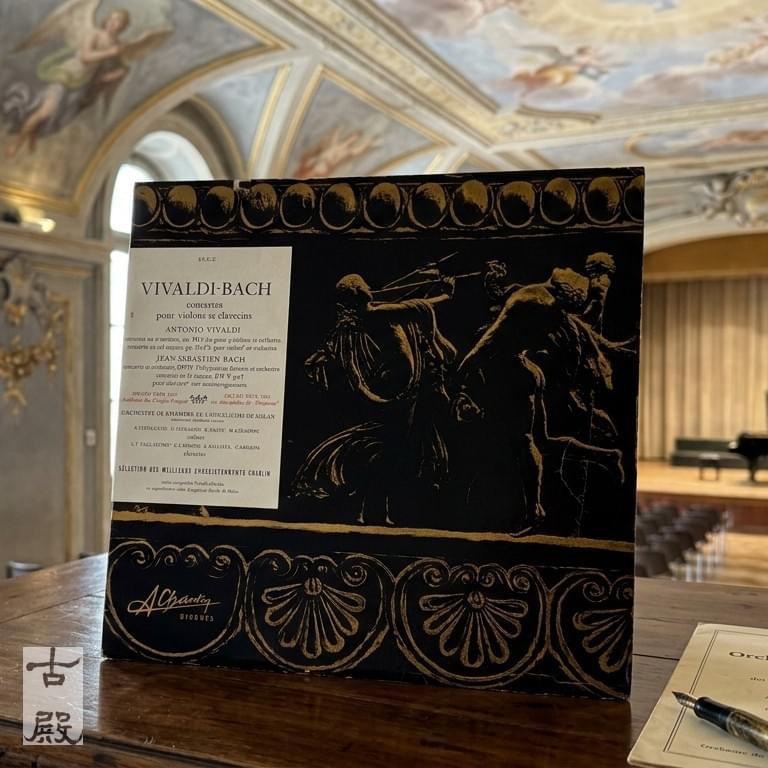
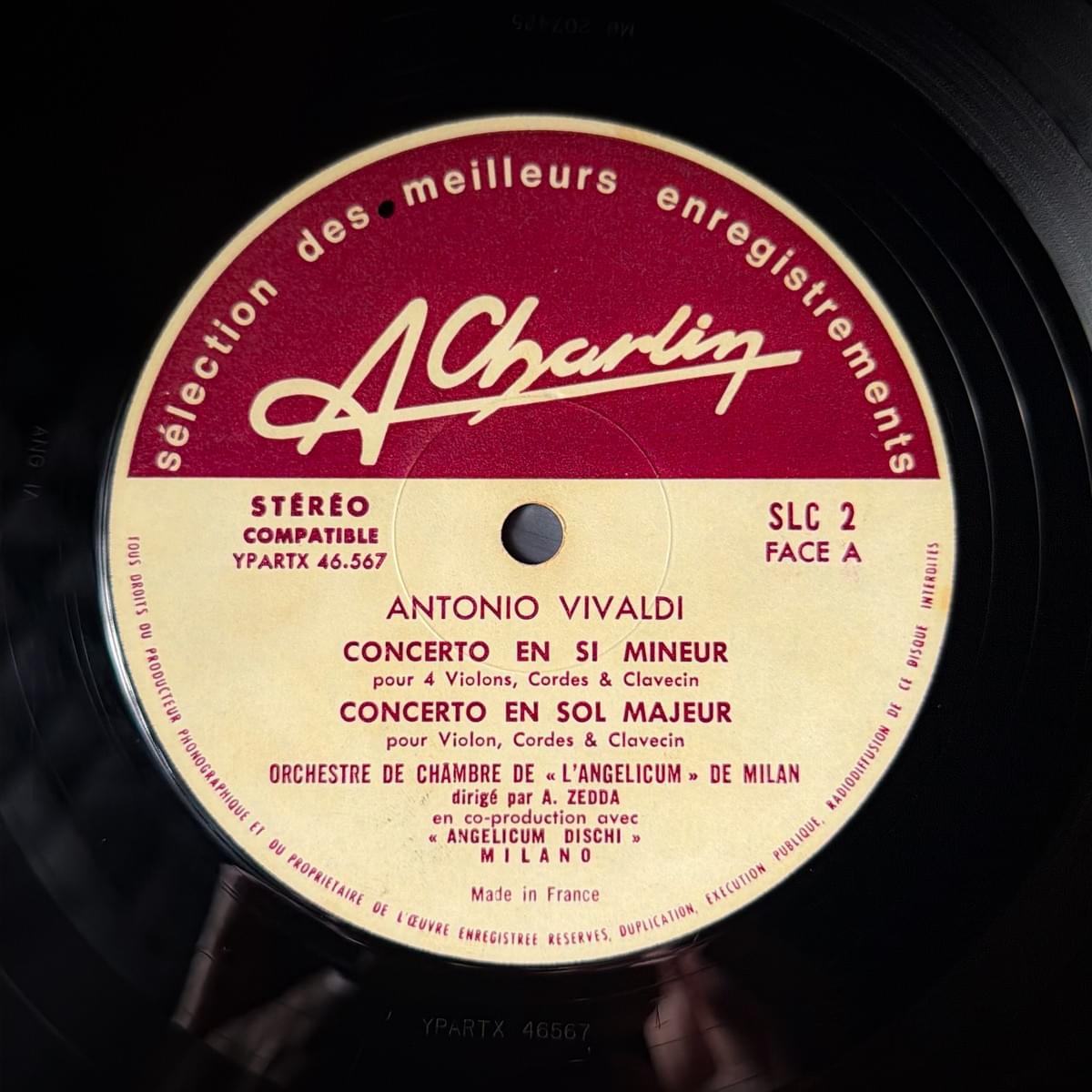
② SLC-2|Vivaldi-Bach Vol. 1——小提琴與大鍵琴協奏曲集
榮獲 1963 年法國唱片學院大獎及《Diapason》雜誌愛樂者大獎的歷史性錄音。由指揮 Alberto Zedda 率領米蘭安吉利庫姆室內樂團,在米蘭「天使之廳」(Salone dell'Angelicum)錄製。內容呈現韋瓦第《和諧的靈感》Op. III 第10號(四把小提琴)與第3號(小提琴)兩首協奏曲,對照巴哈分別將其改編為四台大鍵琴(BWV 1065)與單台大鍵琴(BWV 978)的版本。義大利木質廳堂的溫暖音響,加上 Charlin 技術的精準捕捉,讓韋瓦第的歌唱性與巴哈的邏輯性在同一張唱片中形成絕妙的對話。
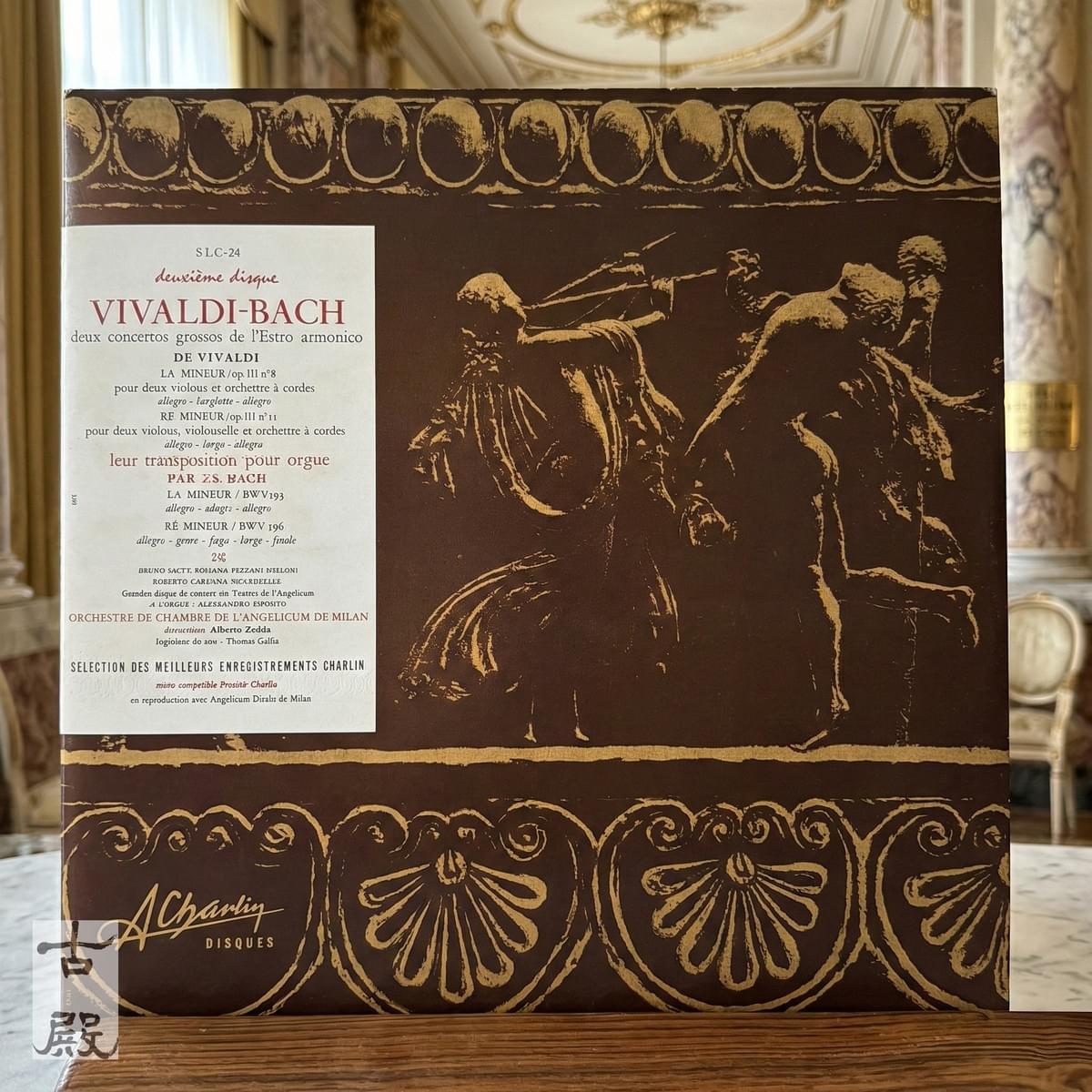
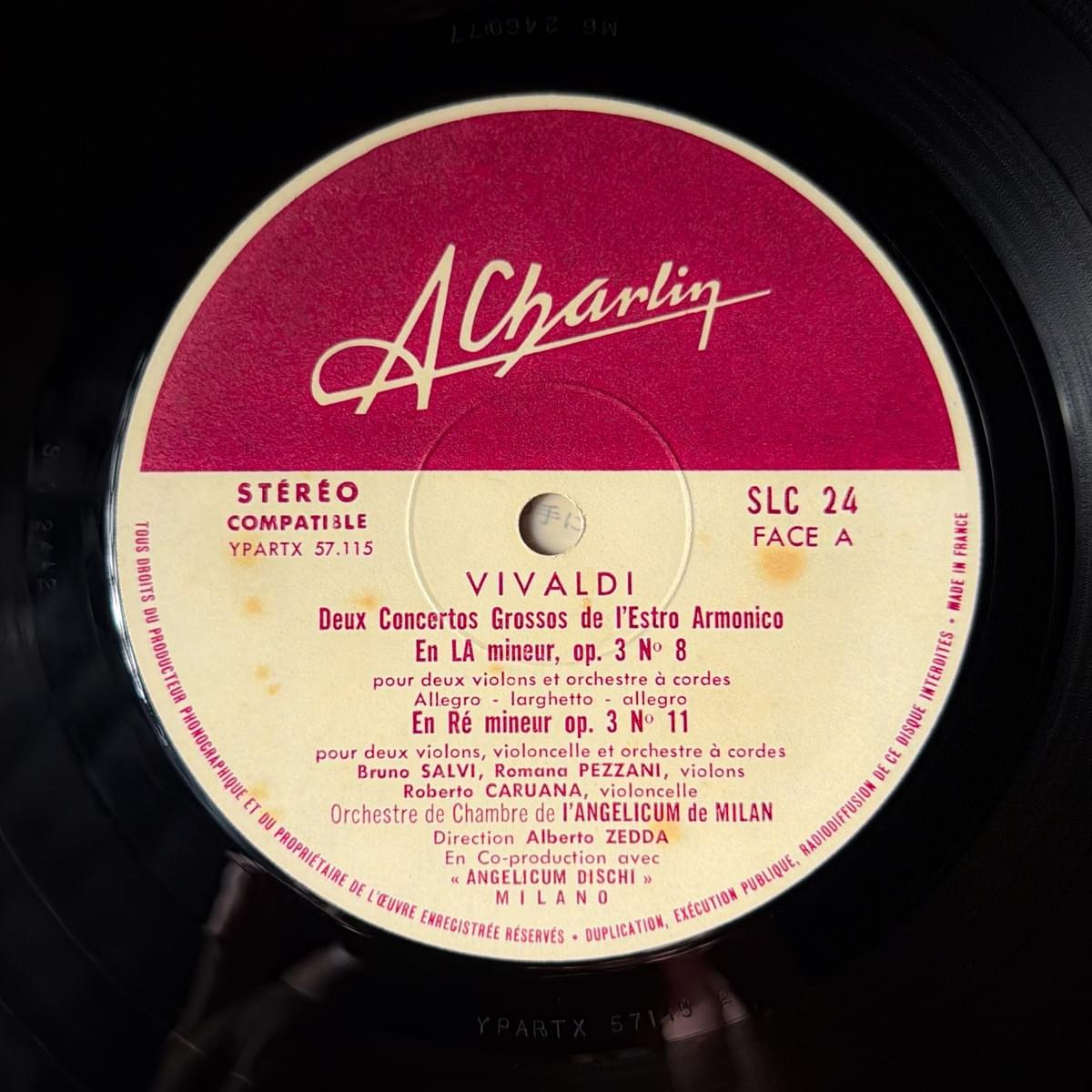
③ SLC-24|Vivaldi-Bach Vol. 2——兩首選自《和諧的靈感》的大協奏曲
本輯為 Vivaldi-Bach 系列第二集,同樣由 Alberto Zedda 指揮米蘭安吉利庫姆室內樂團演奏,錄音地點為米蘭天使劇院(Teatro dell'Angelicum)。A 面收錄韋瓦第 Op. III 第8號(雙小提琴)與第11號(大協奏曲形式),B 面則呈現巴哈將同一批作品改編為管風琴的版本(BWV 593 與 BWV 596),由管風琴師 Alessandro Esposito 演奏劇院內的大型音樂會管風琴。錄音師為 Thomas Gallia。第11號 D 小調協奏曲曾長期被誤認為威廉·弗里德曼·巴哈的作品,充分說明這批曲目在音樂史上的複雜身世。兩集合聽,可完整領略韋瓦第與巴哈跨越國界的精神傳承。
******
[Gu Dian Music Stories] André Charlin: The Forgotten Wizard of French Recording (Part I)
The Founder — From Nothingness to the Bedrock of French Vinyl
The Name You Don't Know Behind the Vinyl in Your Hands
Have you ever wondered how those legendary recordings actually came to be?
I’m not talking about who was playing the instrument. I’m talking about the person who, in that fleeting moment of a concert, decided exactly where to place the microphone. Who decided how much of the room's echo to keep? Who determined if the violin should sound like you're sitting in the front row or the back? When the music was finally pressed into those hair-thin grooves of a vinyl record, who was the gatekeeper of that sound's soul?
The world remembers Furtwängler leading the Berlin Philharmonic; we remember the moment Heifetz struck the first notes of the Sibelius concerto; we remember Casals’ stubborn grip on his bow while in exile. But the reason those performances can travel across decades to reach our ears today is thanks to an almost entirely forgotten technical civilization. It is the crystalized effort of producers, recording engineers, and mastering engineers—the people who decided how sound would live forever in a groove.
André Charlin was exactly that kind of person.
To call him a "recording engineer" isn't nearly enough. He was the architect of the entire French vinyl industry, a pioneer of modern stereo, and a legend who built a complete philosophy of recording and aesthetics from the ground up—starting with the laws of physics and ending with the human ear and body. Yet, in much of the world, his name is barely a whisper.
This is the first of two articles where I want to restore his story. Let’s start with his early years: how a self-taught engineer built the very foundation of French music history.
A Boy Who Lost His Father at Thirteen—and the World His Uncle Gave Him
André Marie Bernard Charlin was born in Paris on March 20, 1903, and passed away in 1983 at the age of eighty. His life spanned almost the entire evolution of 20th-century recording technology.
He lost his father at thirteen. Fortunately, his uncle, Edmond Ragonot, an electrical engineer, took the orphan under his wing and introduced him to the world of sound and electricity. By the end of World War I, a teenage Charlin had already built his own amplifier—an incredible feat for that era, akin to a teenager today building a supercomputer from scratch.
By nineteen, he filed his first patent for an "electrodynamic loudspeaker diaphragm." He sold it to Thomson France and used the money to fund further research. By 1926, he had patents for electrostatic speakers and pickup systems, starting his own business producing radios and speakers.
These early explorations gave him a profound understanding of the physical nature of sound—a core belief that would guide his entire career:
"Sound is a physical phenomenon, not a commodity."
In the 1930s, he moved into cinema sound technology. By 1934, he even created a stereo soundtrack for director Abel Gance’s 1927 silent masterpiece Napoléon. This was radical experimentation; most people at the time didn’t even know what "stereo" meant.
World War II halted everything, and he survived by making bicycle dynamos. But after the war, in 1949, at the age of forty-six, he sold his cinema patents to Philips and dedicated himself entirely to music recording. This is where the real story begins.
Europe’s First Modern Vinyl: A Man and an Australian Lady
The "LP record" we take for granted today is actually a relatively young invention.
In 1948, Columbia Records in New York officially released the LP format. It featured 250 to 400 micro-grooves per inch (old 78s only had about 100) and used vinyl instead of shellac, allowing for over 20 minutes of music per side. It was a revolution—suddenly, you could hear a whole movement of Beethoven’s Ninth without changing the disc.
The technology was American. The factories were American. The supply chain was American. What about Europe?
In 1949, Charlin produced Europe’s very first micro-groove LP for a label called L'Oiseau-Lyre (Lyrebird Press). The label was founded by Louise Dyer, an Australian patron of the arts dedicated to publishing forgotten early music.
In a 1980s radio interview, Charlin recalled: "I made the first micro-groove record in Europe between 1948 and 1949... for four years after that, I was virtually the only one in Europe doing it."
It sounds peaceful in hindsight, but it was a grueling technical battle. At that time, France had no equipment or technology for making LPs. The cutting styluses, the pressing materials—nothing existed. Everything had to be built from scratch.
Louise Dyer flew to the U.S. just to bring back the essential cutting tools. Every link in the chain—from choosing microphones to the way sound was carved into the disc—had to be invented by Charlin.
The American Way vs. The French Way
To understand Charlin’s legacy, you have to understand the difference between the American and French approaches at the time.
When Columbia launched the LP in New York, they had the entire CBS Group behind them. They had specialized departments for recording, cutting, pressing, and distribution. For them, the LP was an industrial upgrade—a bigger machine turning a different gear.
France was a different story.
When they wanted to make that first French LP, they couldn't even buy the cutting needles (burins). Charlin didn't just play a role in a system; he had to be the entire system.
He redesigned the circuits of the recording machines himself. He developed the cutting techniques and personally supervised the pressing quality at the Pathé factory. He set the standards for France, one record at a time.
- The American Way: An industrial civilization of "division of labor." High efficiency, large scale.
- The Charlin Way: A "holistic" craftsmanship civilization. One man controlled everything from the microphone to the final press. No deviation from the artistic vision was allowed.
Louise Dyer used to brag: "L'Oiseau-Lyre is the only label where our own engineer is present from the recording to the pressing." That engineer was Charlin.
The Man Who Recorded the French Golden Age
Before starting his own label, Charlin worked as a freelance engineer for almost every major French label, most notably Ducretet-Thomson.
But his ears were everywhere—Lumen, Erato, BAM, and more. He didn't belong to one company; he moved through the French recording world with his own proprietary technology. He was the secret engine behind the "Golden Age" of French recording, even if his name wasn't always on the cover.
When Ducretet-Thomson left the record business in the late 50s, Charlin was able to "reclaim" many of his most iconic recordings. He eventually re-released them under his own "SLC" series (Sélection des meilleurs enregistrements). He had every right to—they were his creations, born of his ears.
The Théâtre des Champs-Élysées: His Spiritual Home
If Charlin’s career had a North Star, it was the Théâtre des Champs-Élysées in Paris.
He recorded countless masterpieces there. In 1956, he worked with composer Darius Milhaud to record Le Bœuf sur le Toit. But his relationship with the theater went deeper than just "renting a space."
In 1962, when he finally founded his own label, Disques A. Charlin, he called his headquarters the "Champs-Élysées Recording Center" (CECE). It was a declaration: the theater wasn't just a venue; it was where architecture, technology, and art became one.
In Part II, we’ll look at what happened after 1962: How Charlin teamed up with a priest-musicologist and used a "dummy head" microphone to complete his life's mission—and why his work is the ultimate "rehabilitation for our senses" today.