
1930年搶救「距離蕭邦本人最近的聲音」的行動(二):搶救背後的心理戰
古殿殿主
昨天殿主分享關於蓋斯伯格(Fred Gaisberg,1873-1951)搶救歷史聲音的故事,獲得許多讀者好評,我想那就繼續跟你聊聊更多關於羅森塔爾 (Moriz Rosenthal,1862-1946) 的有趣故事吧!
還記得我們上一篇提到的「最後的鋼琴武士」羅森塔爾嗎?
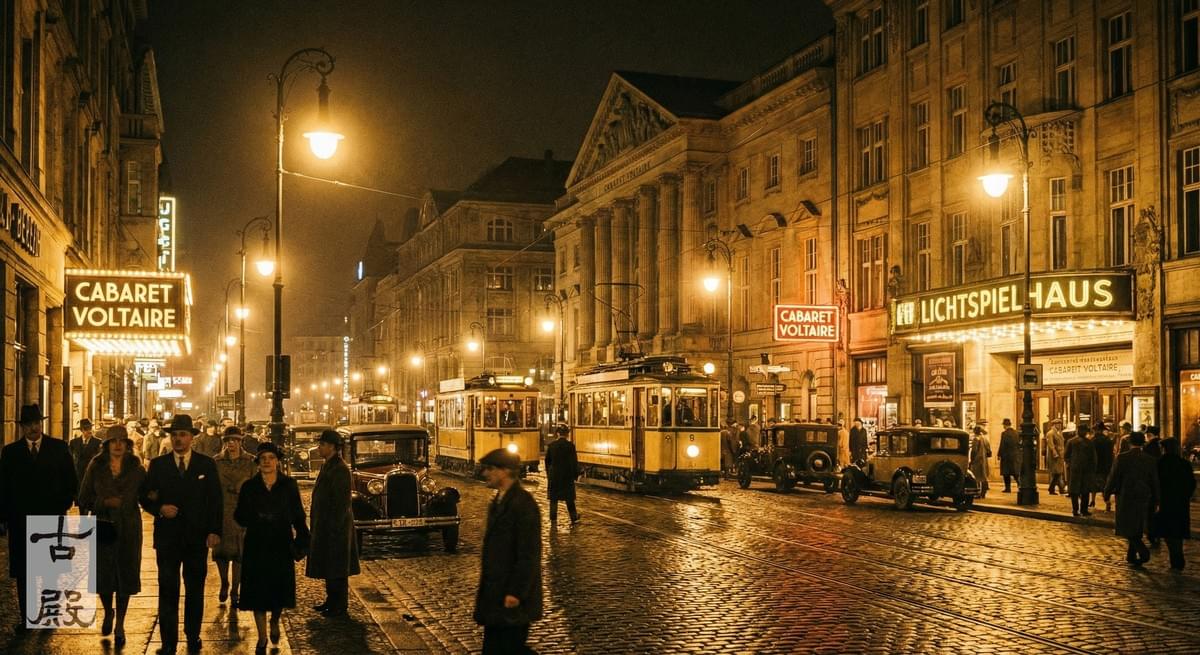
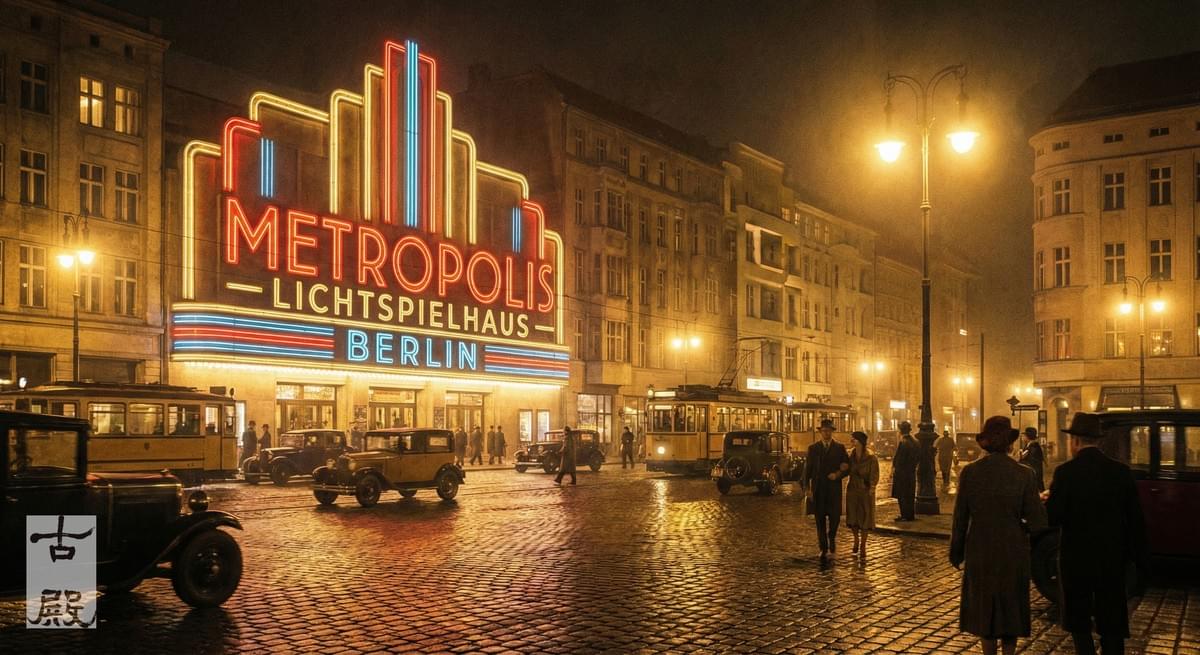
如果說上一篇我們是在談他如何用《蕭邦第一號鋼琴協奏曲》震撼了世界,那今天,我想先帶你走進當年的幕後,去看看這場傳奇錄音背後,那個既瘋狂又迷人的時代舞台——1920 到 1930 年代的柏林。
當年的柏林:是一場由「混亂」與「苦難」意外造就的藝術盛世。
這聽起來有點像是歷史開的一個黑色幽默玩笑,但卻是千真萬確的。
一、為什麼是柏林?一場反直覺的「藝術大爆炸」
根據殿主這幾年埋首於早期錄音史與世界史之後,我發現了一個非常「反直覺」的現象。
照理說,第一次世界大戰後的德國,應該是民不聊生、百廢待舉才對,怎麼可能成為世界音樂藝術的首都?
身為歷史親歷者的蓋斯柏格他給出了三個理由。理由聽起來有點殘酷,但卻真實得讓人心疼:
1. 「通貨膨脹」造就的「廉價天堂」 :
這真的很諷刺。當時德國馬克崩盤,發生了著名的惡性通貨膨脹,買一條麵包可能要推一車鈔票去。這對當地的德國老百姓來說是地獄,但對於那些手裡持有「外幣」(像美金、英鎊)的國際級音樂家來說,柏林瞬間變成了全世界物價最低的奢華天堂。 你可以想像一下,像阿勞(Claudio Arrau,1903-1991)、塞爾金(Rudolf Serkin,1903-1991)這些鋼琴大師,只要口袋裡有一點點美金,就能在柏林租下最寬敞的豪宅、聘請僕人、享受最好的食物。蓋斯柏格透露過這種氛圍:音樂家們發現,在柏林生活,可以用最低的成本,換取最高的尊嚴。這讓他們能完全無後顧之憂地專注於練琴,不需要像在其他城市那樣,為了下一頓飯而疲於奔命。這不是為了競爭,而是為了好好生活。
2. 俄國革命後的「人才大遷徙」 :
另一個關鍵,是1917年的俄國十月革命。蓋斯柏格形容那是一股擋不住的浪潮。大量的俄國貴族、知識份子、頂尖音樂家(像是後來大名鼎鼎的霍洛維茲(Vladimir Horowitz,1903-1989)、米爾斯坦(Nathan Milstein,1904-1992))為了逃命,紛紛往西邊跑。 柏林,就是他們進入西歐的第一站。這些流亡者帶來了深厚的俄羅斯藝術底蘊,讓柏林瞬間匯集了東西方的音樂精華。蓋斯柏格當時就常在這裡挖掘這些剛逃出來、急需機會的天才。請注意喔,這不是一種「競爭」下的產物,而是一種人類在極端環境下,「求生」本能所激發出的藝術爆發。
3. 對「新科技」與「新聲音」的極度渴望:
戰敗後的德國人,雖然經濟垮了,但人心的空虛讓他們對「精神食糧」的渴求達到了頂峰。 那時的柏林,不像維也納那麼沈溺於過去的榮光,也不像巴黎那麼布爾喬亞(資產階級)。柏林反而卻有一種,豁出去的感覺:「反正我已經一無所有了,不如大膽嘗試吧!」,因而帶來生猛勁道的能量。這給了像克倫佩勒(Otto Klemperer,1885-1973)、福特萬格勒(Wilhelm Furtwängler,1886-1954)這些指揮家巨大的實驗空間,也讓錄音、廣播這些新科技得以迅速普及。
二、蓋斯柏格不是「製作人」,他是聲音的「助產士」
說到蓋斯柏格,很多現代的資料會稱他為「王牌製作人」。但我跟你說,如果他本人聽到這個稱呼,可能會搖搖頭。 而且當年根本還沒有「製作人」這個名稱與身份,他ㄧ輩子不用這個名稱。這也是我想跟你們分享的一個重要觀念。
現代的音樂產業充滿了「算計」與「包裝」,這就是我常說的「競爭思維」在作祟。但在蓋斯柏格眼裡,他的工作不是「製造」產品,而是「接生」紀錄真實的東西。
我們來比較一下兩個人,你就會秒懂那種巨大的差異:
蓋斯柏格(Fred Gaisberg):聲音的助產士
在那個錄音技術還很原始、甚至被視為「玩具」的年代,大音樂家們對著那個像大喇叭一樣的收音筒是充滿恐懼的。他們害怕自己的聲音被扭曲,害怕出醜。 蓋斯柏格的工作,不是去調整麥克風位置(雖然他也做),而是**「如何讓一位緊張的大師,在那個當下願意把心打開」**。 他要像哄小孩一樣哄著大牌女高音;他要像兄弟一樣陪著男低音夏里亞賓喝酒、聊天,等到夏里亞賓心情來了,才偷偷按下錄音鍵;他要讓克萊斯勒覺得錄音室像他家客廳一樣舒服。 他不用「製作人」這個詞,因為他沒有要「控制」音樂的走向。他相信音樂家當下的情感是最珍貴的,他的任務是捕捉那個稍縱即逝的火花,而不是去剪輯出一個完美但冰冷的成品。
華爾特·李格(Walter Legge,1906-1979):權力與控制的「製作人」
後來EMI的另一位巨頭華爾特·李格(他是蓋斯伯格培養的年輕下屬),就是典型的「現代製作人」鼻祖。他是完美主義者,他會為了追求一個完美的樂句,讓音樂家錄幾十次,有時候甚至會強勢介入音樂家的詮釋,然後用剪接的方式拼貼出他心目中「最完美」的錄音。 李格的邏輯是:「唱片必須完美無瑕。」這就是一種「競爭」思維下的產物——要比別人更準確、更清晰。 雖然李格留下了很多經典,但聽他的唱片,你聽到的是**「被算計過的完美」**
而聽蓋斯柏格錄下的唱片(比如早期的卡羅素或克萊斯勒),你聽到的真的是:**「有血有肉的人味」**。
蓋斯柏格靠的不是合約的威逼,而是:「信任」。
蓋斯柏格告訴音樂家:「你的聲音太美了,必須被留下來。」
這種使命感,才是他工作的核心。
三、「地理錯置」的鋼琴皇帝:羅森塔爾
在1920-1930年代這場柏林的音樂盛宴中,我們的主角羅森塔爾也是這場盛會的常客。
你可能會在很多資料上看到他活躍於柏林,這沒錯,但這裡有一個有趣的歷史小細節。羅森塔爾其實家住在維也納,他甚至擁有奧地利皇帝封賜的「宮廷鋼琴家」頭銜,他是維也納的鋼琴皇帝。
那為什麼大家都覺得他活躍於柏林? 因為當時的維也納雖然有氣質,但太窮了。柏林才是大舞台、是提款機。羅森塔爾必須頻繁地從維也納坐火車去柏林開音樂會、跟愛樂管弦樂團合作,才能維持生計。
更重要的是,他是柏林社交圈的「毒舌王」。 羅森塔爾的琴藝極高,又是哲學博士,但嘴巴更厲害。他在柏林的晚宴上,總是那個講笑話、嘲諷時事、評論同行的核心人物。
蓋斯柏格跟他的關係非常親密,他們兩人生前留下許多通信,甚至還有學者專門研究他們的通信,出了一本書叫《Dear Mr. Rosenthal ... Dear Mr. Gaisberg ...(親愛的羅森塔爾先生…..親愛的蓋斯伯格先生…..)》。
這些書信簡直是一部「錄音背後的心理戰」實錄。它證明了蓋斯柏格是用「交朋友」的方式在錄唱片。他得像保姆一樣,安撫這位猶太老紳士與十九世紀文化遺老的各種抱怨。如果沒有蓋斯柏格這種朋友般的死纏爛打,羅森塔爾這位19世紀文化遺老可能完全根本不想錄音。
四、崩潰的試聽片:當大師遇上「真實」
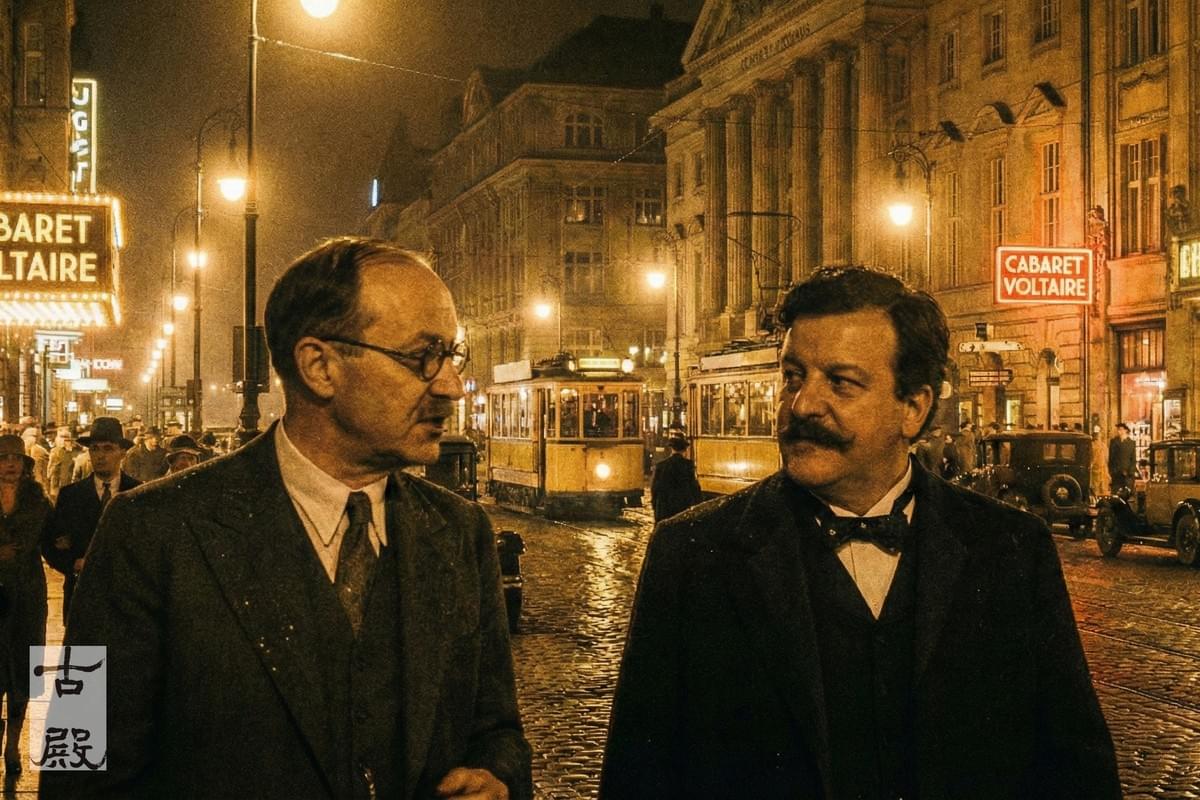
現在,讓我們把鏡頭拉到1930年,當那首著名的蕭邦《升C小調圓舞曲》(Op. 64 No. 2)錄製完成,第一版「試壓片 test spmple」寄到羅森塔爾手裡時,他聽完後的反應簡直是崩潰的。
把兩人的通信節錄給你們看,你會覺得這老頭子實在是「可愛死了!」
第一樂段:那個抒情的開頭:羅森塔爾的信(崩潰版):
「親愛的蓋斯柏格先生,這簡直是一場災難!你聽聽那個低音!那聽起來根本不像是一台鋼琴,聽起來像是在地窖裡敲大鼓!轟隆轟隆的,把我左手精細的線條全都吃掉了。你們的麥克風是不是放進鋼琴肚子裡了?這聲音太野蠻了!」
第二樂段:那段快速跑動的音符: 羅森塔爾的信(抱怨版):
「還有!這台該死的鋼琴!我當時就告訴過你,這台琴的回彈有問題!你聽聽這段跑句,我的手指明明已經離開了,但琴鍵還黏在那裡像個懶惰的胖子!我的『快速』聽起來像是『慌張』,我的『輕盈』聽起來像是『沒吃飽』。這不是我的蕭邦,這是某個音樂學院學生的拙劣模仿!」
第三樂段:著名的 Rubato: 羅森塔爾的信(自我懷疑版):
「至於那個速度......老天啊,機器真的會騙人。我在現場彈的時候,覺得那是情感的自然流露。但透過這個黑色的圓盤放出來,我聽起來像是一個**醉漢在走路!**這種停頓在唱片裡顯得太長了、太做作了。親愛的朋友,如果你真的愛我,就別讓這張唱片流出去讓世人嘲笑我。」
這其實是一個很迷人的心理學現象:
藝術家眼中的「瑕疵」,往往是我們眼中的「特色」與「簽名」。
羅森塔爾之所以這麼痛苦,是因為他試圖用「顯微鏡」去檢查每一個音符的完美度。但蓋斯柏格(以及我們這些後世的聽眾)是用「望遠鏡」在看整體的意境。
蓋斯柏格後來怎麼回信?他會用積極的方式來安撫文化遺老受傷的心靈,哈哈:
「我親愛的莫里茲,請相信我的耳朵。我們在倫敦辦公室聽了,大家都為之傾倒。那種『醉漢』般的步態,正是現在年輕人已經遺忘的浪漫主義啊!這不是缺點,這是您的簽名。」
五、古殿聆聽時刻:這就是「朋友」才錄得出的真實聲音
那好,現在既然蓋斯柏格都這麼說了,請閉上眼睛,想像我們現在就把這張 :1930年左右錄製的蕭邦《升C小調圓舞曲》(Waltz in C-sharp minor, Op. 64 No. 2) 蟲膠唱片原版放到古殿的唱盤上。
**(殿主錄製古殿收藏原始歷史蟲膠錄音原盤,檔案連結請參留言)**
唱針落下的那一刻,那些炒豆聲不是雜訊,而是通往那個時代的時光隧道。
請仔細聽這幾個地方,這是只有蓋斯柏格這種「懂他」的朋友才錄得下來的聲音:
1. 聽那個「傳自於蕭邦」的彈性速度(Rubato)
你有沒有發現?他的一開頭根本不按牌理出牌!現代鋼琴家彈這首曲子,大多節奏精準,像是在跳標準舞。但羅森塔爾的手指是在「嘆息」。他的速度忽快忽慢,甚至會在某個音符上故意停頓一下,讓人心裡「揪」一下。 這就是我們剛說的「活躍於柏林」的自信,與身為蕭邦正統親嫡傳的血脈。那時的柏林觀眾懂這種美,他們不需要節拍器,他們要的是這種**「十九世紀貴族沙龍式的藝術文化美」**。如果當時錄音師不是蓋斯柏格,可能會叫停說:「大師,您節奏不穩喔!」但蓋斯柏格完全沒說話,也完全不干涉,他就讓羅森塔爾盡情地做自己,盡情地「玩」時間。
2. 聽那種「親傳自李斯特」的觸鍵
注意他在高音區的跑動,那種聲音不是「敲」出來的,而是像珍珠灑在絲絨上一樣「滑」過去的。羅森塔爾是李斯特的嫡傳弟子,他手指下保留的是19世紀的舊傳統與音樂文化語言。在1930年這個時間點,這種聲音其實已經快滅絕了。蓋斯柏格知道這一點,所以他把麥克風擺得非常好,捕捉到了那種溫暖、厚實、像是在「說話」一樣的音色。
3. 聽這背後的「信任感」
這首曲子聽起來非常放鬆,完全不像是在面對冷冰冰的機器。這印證了你提到的那些通信內容——因為蓋斯柏格是他的朋友。羅森塔爾在這裡不需要證明自己是世界第一,他只是在跟老朋友蓋斯柏格(以及麥克風後的我們)跳最後一支舞。這份**「安心感」**,是這張唱片最迷人的底色。
六、最後:我們為什麼需要這些「真實」?
這
段故事給我們最大的啟示,不正是如此嗎?
羅森塔爾在當年面對新科技與後輩文化「競爭」下的自我審查,被蓋斯柏格用「人性的溫暖」給化解了。
蓋斯柏格幫我們把羅森塔爾那個「十九世紀的語言與步態」保留了下來。讓我們在一百年後,還能感覺到那個活生生的靈魂,就在我們面前呼吸、嘆息。
這就是「古殿」存在的意義,我想幫你留住這些永恆不變的感動。當我們學會欣賞這些「真實的不完美」,我們的心也就自由了。
*******
活動資訊
活動
名稱:【古殿歷史名曲音樂喫茶第38場】羅森塔爾之夜
時間:2026年1月30日(週五) 19:30 - 21:00
地點:古殿樂藏
名額:限定10席(額滿即止)
「古殿歷史名曲音樂喫茶」將是台灣目前唯一固定舉辦此類深度歷史聆聽活動的空間。
(報名表單連結在留言中)
活動名稱:【古殿歷史名曲音樂喫茶第38場】羅森塔爾之夜:
👉 立即預約您的時空席位 (需匯款確認): https://forms.gle/1E9v295gE5nNrdrD8
******
The 1930 Mission to Save "The Voice Closest to Chopin Himself" (Part II): The Psychological Warfare Behind the Rescue
Yesterday, I shared the story of Fred Gaisberg (1873-1951) and his mission to rescue historical sounds. It received such wonderful feedback from many of you readers. So, I thought, why not continue our chat and share more interesting stories about Moriz Rosenthal (1862-1946)?
Do you remember "The Last Piano Samurai," Rosenthal, whom we mentioned in the last post?
If the previous article was about how he shook the world with Chopin’s Piano Concerto No. 1, today I want to take you behind the scenes. I want to show you the stage upon which this legendary recording took place—a stage that was as crazy as it was fascinating: Berlin in the 1920s and 1930s.
Berlin in those days was an artistic golden age born accidentally out of "chaos" and "suffering."
It sounds like a dark joke played by history, but it is absolutely true.
I. Why Berlin? A Counter-Intuitive "Artistic Big Bang"
After burying myself in early recording history and world history these past few years, I discovered a phenomenon that is completely "counter-intuitive."
Logically speaking, Germany after World War I should have been destitute, with everything in ruins. How could it possibly become the capital of world musical art?
As a participant in this history, Gaisberg gave three reasons. They sound a bit cruel, but the reality is heartbreakingly true:
1. A "Cheap Paradise" Created by Inflation: It is truly ironic. At that time, the German Mark collapsed, leading to the famous hyperinflation where buying a loaf of bread might require a wheelbarrow full of cash. For the local German people, this was hell. But for international musicians holding "foreign currency" (like US Dollars or British Pounds), Berlin instantly became a luxurious paradise with the lowest prices in the world.
Imagine masters like Claudio Arrau (1903-1991) or Rudolf Serkin (1903-1991)—with just a little bit of American money in their pockets, they could rent the most spacious mansions in Berlin, hire servants, and enjoy the best food. Gaisberg revealed the atmosphere of the time: Musicians found that in Berlin, they could exchange the lowest cost for the highest dignity. This allowed them to focus on practicing without any worries, unlike in other cities where they had to run themselves ragged just for their next meal. This wasn’t about competition; it was about living well.
2. The "Great Migration of Talent" After the Russian Revolution: Another key factor was the Russian October Revolution of 1917. Gaisberg described it as an unstoppable tidal wave. Massive numbers of Russian aristocrats, intellectuals, and top-tier musicians (like the later-famous Vladimir Horowitz and Nathan Milstein) fled west to save their lives.
Berlin was their first stop entering Western Europe. These exiles brought with them a deep Russian artistic heritage, instantly making Berlin a convergence point for the musical essence of both East and West. Gaisberg often scouted for these geniuses here—people who had just escaped and desperately needed an opportunity. Please note, this was not a product of "competition," but an artistic explosion sparked by the human instinct to "survive" in extreme environments.
3. An Extreme Thirst for "New Technology" and "New Sounds": Although the economy had collapsed for the defeated Germans, the emptiness in their hearts drove their hunger for "spiritual food" to its peak.
Berlin at that time wasn’t like Vienna, drowning in past glories, nor was it like Paris, which was too Bourgeois. Instead, Berlin had a "nothing left to lose, let's try anything!" vibe. This brought a raw, powerful energy. It gave conductors like Otto Klemperer (1885-1973) and Wilhelm Furtwängler (1886-1954) immense room for experimentation, and allowed new technologies like recording and radio to spread rapidly.
II. Gaisberg Was Not a "Producer," He Was a "Midwife" of Sound
Speaking of Gaisberg, many modern sources refer to him as an "Ace Producer." But let me tell you, if he heard that title today, he would probably shake his head. In fact, the term and identity of "Producer" didn't even exist back then, and he never used it in his lifetime. This is an important concept I want to share with you.
The modern music industry is full of "calculation" and "packaging"—this is the "competition mindset" I often talk about at work. But in Gaisberg’s eyes, his job was not to "manufacture" a product, but to "deliver" (like a midwife) something real.
Let’s compare two people, and you will instantly understand the massive difference:
Fred Gaisberg: The Midwife of Sound In an era when recording technology was primitive and often seen as a "toy," great musicians were terrified of that giant horn-like recording funnel. They were afraid their voices would be distorted, afraid of looking foolish.
Gaisberg's job wasn't just adjusting microphone placement (though he did that too), but "how to get a nervous maestro to open their heart in that moment."
He had to coax big-name sopranos like he was soothing a child; he had to drink and chat with the bass Feodor Chaliapin like a brother, waiting until Chaliapin was in the mood before secretly hitting the record button; he had to make Kreisler feel like the studio was as comfortable as his own living room.
He didn't use the word "Producer" because he didn't want to "control" the direction of the music. He believed the musician's emotion in the moment was the most precious thing. His mission was to capture that fleeting spark, not to edit together a perfect but cold product.
Walter Legge (1906-1979): The "Producer" of Power and Control Later, another giant at EMI, Walter Legge (who was a young subordinate trained by Gaisberg), became the typical forefather of the "Modern Producer." He was a perfectionist. To achieve a perfect phrase, he would make musicians record dozens of takes. sometimes forcefully intervening in the musician's interpretation, and then splicing together his idea of the "most perfect" recording.
Legge's logic was: " The record must be flawless." This is a product of "competition" thinking—to be more accurate and clearer than others. While Legge left behind many classics, when you listen to his records, you hear "calculated perfection."
But when you listen to records captured by Gaisberg (like early Caruso or Kreisler), what you hear is truly: "The scent of a living, breathing human."
Gaisberg didn't rely on the threat of contracts, but on: "Trust."
Gaisberg told musicians: "Your voice is too beautiful; it must be preserved."
This sense of mission was the core of his work.
III. The "Geographically Displaced" Piano Emperor: Rosenthal
In this musical feast of 1920-1930s Berlin, our protagonist Rosenthal was a regular guest.
You might see in many documents that he was active in Berlin, which is true, but there is an interesting historical detail here. Rosenthal actually lived in Vienna. He even held the title of "Court Pianist" bestowed by the Austrian Emperor; he was the Piano Emperor of Vienna.
So why did everyone think he was active in Berlin? Because while Vienna had class, it was too poor. Berlin was the big stage; it was the ATM. Rosenthal had to frequently take the train from Vienna to Berlin to give concerts and collaborate with the Philharmonic just to make a living.
More importantly, he was the "King of Sharp Wit" in Berlin's social circles. Rosenthal had incredible piano skills and a PhD in Philosophy, but his mouth was even sharper. at Berlin dinner parties, he was always the central figure telling jokes, mocking current events, and critiquing his peers.
Gaisberg was very close to him. They left behind a lot of correspondence, and scholars have even studied their letters, publishing a book called Dear Mr. Rosenthal ... Dear Mr. Gaisberg ....
This book is essentially a record of "The Psychological War Behind Recording." It proves that Gaisberg recorded albums by "making friends." He had to act like a nanny, soothing the constant complaints of this old Jewish gentleman and relic of 19th-century culture. Without Gaisberg's friend-like persistence, Rosenthal might never have wanted to record at all.
IV. The Meltdown Over the Test Pressing: When a Master Meets "Reality"
Now, let's zoom in to 1930. When that famous recording of Chopin’s Waltz in C-sharp minor (Op. 64 No. 2) was finished and the first "test sample" was mailed to Rosenthal, his reaction after listening was an absolute meltdown.
Let me share excerpts from their letters; you’ll find this old man simply "adorable to death!"
First Section: That Lyrical Opening Rosenthal’s Letter (The Meltdown Version): "Dear Mr. Gaisberg, this is a disaster! Listen to that bass! It doesn't sound like a piano at all; it sounds like someone beating a big drum in a cellar! It's booming and rumbling, eating up all the delicate lines of my left hand. Did you put the microphone inside the piano's stomach? This sound is barbaric!"
Second Section: The Rapid Running Notes Rosenthal’s Letter (The Complaint Version): "And! That damned piano! I told you at the time that the action on this instrument was faulty! Listen to this run; my fingers had clearly left the keys, but the keys stuck there like a lazy fat man! My 'speed' sounds like 'panic,' and my 'lightness' sounds like 'I haven't eaten enough.' This is not my Chopin; this is a clumsy imitation by some conservatory student!"
Third Section: The Famous Rubato Rosenthal’s Letter (The Self-Doubt Version): "As for that tempo... Good heavens, the machine really lies. When I played it on the spot, I felt it was a natural flow of emotion. But coming out of this black disc, I sound like a drunkard walking! The pauses seem too long, too affected on the record. My dear friend, if you truly love me, do not let this record be released for the world to mock me."
This is actually a fascinating psychological phenomenon:
The "flaws" in the artist's eyes are often the "character" and "signature" in our eyes.
Rosenthal was in such pain because he was trying to inspect the perfection of every note with a "microscope." But Gaisberg (and we, the listeners of later generations) look at the artistic whole through a "telescope."
How did Gaisberg reply? He used positivity to soothe the wounded heart of this cultural relic, haha: "My dear Moriz, please trust my ears. We listened to it in the London office, and everyone was captivated. that 'drunkard-like' gait is exactly the Romanticism that young people today have forgotten! It is not a flaw; it is your signature."
V. A Moment of Listening at the Classical Palace: The Real Sound Only a "Friend" Could Record
Okay, since Gaisberg put it that way, please close your eyes. Imagine we are placing this original shellac record—Chopin’s Waltz in C-sharp minor, Op. 64 No. 2, recorded around 1930—onto the turntable here at the Classical Palace (Gudian Lezang).
(The Hall Master has recorded the original historical shellac disc from the Palace collection; please see the comments for the file link.)
The moment the needle drops, those crackles and pops aren't noise; they are a time tunnel leading to that era.
Please listen carefully to these specific points. This is a sound that only a friend like Gaisberg, who "understood him," could record:
1. Listen to the Rubato "Inherited from Chopin" Did you notice? right from the start, he doesn't play by the rules! Modern pianists usually play this piece with precise rhythm, like ballroom dancing. But Rosenthal’s fingers are "sighing." His tempo speeds up and slows down, sometimes even deliberately pausing on a note, making your heart "clench" a little.
This is the confidence of someone "active in Berlin" combined with the lineage of a direct artistic heir to Chopin. The Berlin audience of that time understood this beauty; they didn't need metronomes. They wanted this "19th-century aristocratic salon aesthetic." If the recording engineer hadn't been Gaisberg, he might have stopped him and said, "Maestro, your rhythm is unsteady!" But Gaisberg said nothing and interfered with nothing. He let Rosenthal be himself and "play" with time to his heart's content.
2. Listen to the Touch "Passed Down from Liszt" Notice the runs in the high register. That sound isn't "hammered" out; it glides past like pearls spilling onto velvet. Rosenthal was a direct student of Liszt; what his fingers preserved were the old traditions and musical cultural language of the 19th century. By 1930, this sound was already nearly extinct. Gaisberg knew this, so he placed the microphone perfectly to capture that warm, rich tone that sounds like it is "speaking."
3. Listen to the "Trust" Behind It This piece sounds incredibly relaxed, not at all like facing a cold machine. This confirms the contents of those letters—because Gaisberg was his friend. Rosenthal didn't need to prove he was the best in the world here; he was just having one last dance with his old friend Gaisberg (and us behind the microphone). This sense of "safety" is the most enchanting background color of this record.
VI. Conclusion: Why Do We Need This "Reality"?
Isn't this the greatest lesson this story offers us?
Rosenthal's self-censorship, born of facing new technology and the "competition" of a younger generation, was dissolved by Gaisberg's "human warmth."
Gaisberg helped us preserve Rosenthal’s "19th-century language and gait." He allows us, one hundred years later, to still feel that living soul breathing and sighing right in front of us.
This is the meaning of the existence of "Gudian Lezang" (The Classical Palace). I want to keep these eternal, unchanging emotions for you. When we learn to appreciate these "real imperfections," our hearts become free.
Event Information Event Name: [Gudian Historical Masterpiece Music Café - Session 38] Rosenthal Night Time:January 30, 2026 (Friday) 19:30 - 21:00 Location: Gudian Lezang (The Classical Palace) Capacity: Limited to 10 seats (Registration closes when full)
"Gudian Historical Masterpiece Music Café" is currently the only space in Taiwan that regularly hosts this kind of deep historical listening event. (Registration form link is in the comments)