
【古殿唱片音樂故事】他贏得了世界冠軍,然後憑空消失了14年,70歲後,音樂卻比年輕時更深刻
——一張 1977 年蘇聯黑膠與鋼琴天才費亞多(Vladimir Viardo,1949-)
古殿殿主
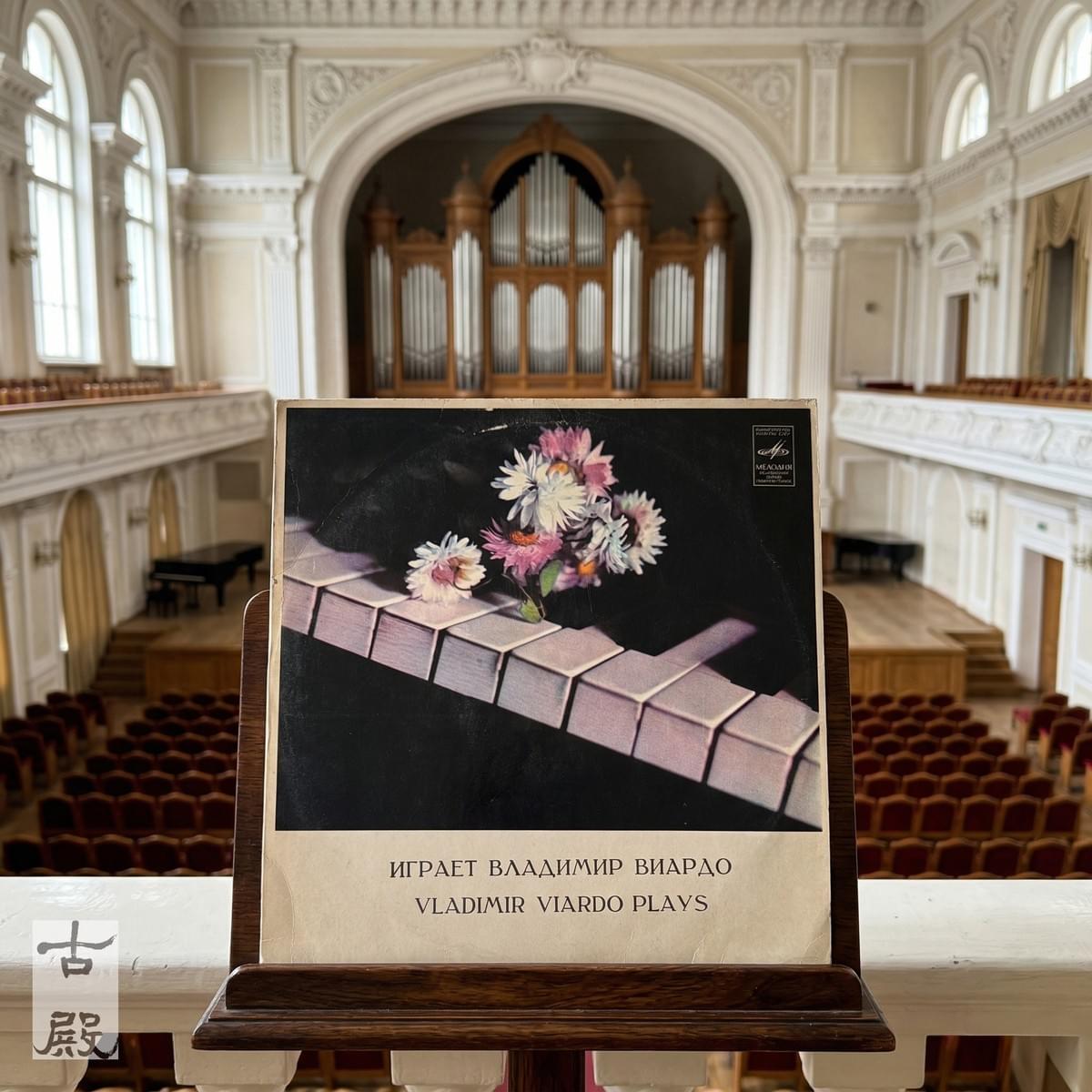
封面上沒有人臉。
只有一架鋼琴的鍵盤,幾朵雛菊靜靜散落在琴鍵之間。俄文寫著:「ИГРАЕТ ВЛАДИМИР ВИАРДО」——弗拉基米爾・費亞多演奏。
這個設計,比任何肖像都更讓人心疼。因為那雙手,不在畫面裡。它被藏起來了。
但他一直在彈。
一個你不該不知道的名字
1973年,在德克薩斯州沃思堡的音樂廳裡,一場影響整個冷戰格局的鋼琴賽事正在進行——第四屆范・克萊本國際鋼琴大賽。66位來自21個國家的頂尖鋼琴家參賽。金牌只有一個。
那個金牌,落在了一個24歲的蘇聯青年身上:弗拉基米爾・費亞多(Vladimir Viardo,1949-)。
李希特 (Sviatoslav Richter,1915-1997)欣賞他。拉蘿佳(Alicia de Larrocha, 1923–2009)欣賞他。接下來等待他的,是70多場美國音樂廳的演出合約,是一個即將在世界舞台上開展的燦爛生涯。
然後——歷史把他關了起來。
沒有任何解釋,蘇聯當局撤銷了他的出境簽證。就在那個金牌得主、那個世界正在等待的人,蒸發了——從國際舞台上,消失了整整14年。
而這張唱片,就壓製於那段漫長禁錮的第四年。1977年,莫斯科。
那雙手從沒有停下來
封面的花,我後來才知道,這不是為費亞多特別設計的封面。這是 Melodiya 慣用的模板套圖之一——同一張鍵盤、同一束雛菊,曾被套在不同演奏家的錄音上,換個名字,繼續印。
體制不給他一張屬於自己的臉,只給了他一個號碼:C10-07197。然後把花放上去,就算完了。
但他的音樂,就在那個號碼底下。
費亞多1949年生於高加索山脈附近的黑海邊。14歲隻身前往莫斯科,進入最核心的傳承網絡:先在格尼辛音樂學院學習,後進入莫斯科柴可夫斯基音樂院,師從列夫・瑙莫夫(Lev Naumov,1925-2005)。
這個師承,對懂行的人來說意義非凡。
瑙莫夫是傳奇大師海因里希・涅高茲(Heinrich Neuhaus,1888-1964)的學生和衣缽傳人。而涅高茲,是斯維亞托斯拉夫・李希特和埃米爾・吉利爾斯的老師——也就是說,費亞多與李希特、吉利爾斯,共飲同一條音樂學派的源頭之水,脈絡可以往上追溯到利奧波德・郭朵夫斯基(Leopold Godowsky,1870-1938)。瑙莫夫稱費亞多為「我最傑出的學生」,「我的第一號弟子」。
拿到學位後,費亞多成為瑙莫夫的助教,留在莫斯科音樂院任教。1971年巴黎隆・提博大賽獲獎,1973年第四屆范・克萊本金牌——一切都在告訴世界:這是下一個傳奇。
然後,簽證被撤。
被困住的那些年,他做了什麼
這是這個故事最讓人動容的部分。
被困在鐵幕之後的14年裡,費亞多沒有崩潰。他沒有放棄音樂,也沒有——像某些故事裡那樣——在等待中凋零。
他把曲目擴展到了37首協奏曲。
他繼續在莫斯科音樂院教學。他繼續錄製 Melodiya 唱片。他繼續演奏——舒伯特、李斯特、德布西——在一個只能在蘇聯境內流通的黑膠裡,悄悄地繼續存在。
《紐約時報》後來這樣記錄那段歷史:沒有人比費亞多更早展現驚人潛力,蘇聯官員顯然認為他出境風險過高,一個正在萌芽的國際生涯就此凋零。
但那些凋零的年份,現在全刻在溝槽裡。
這張唱片放了什麼,又意味著什麼
翻到封底,曲目清單是這樣的:
A面:舒伯特《連德勒舞曲》Op.67,李斯特《葬禮行列》 B面:德布西《兒童天地》組曲(全六首)
這三組作品放在一起,有一種被精心挑選過的弦外之音。
舒伯特的連德勒,是奧地利民間友人聚會的音樂,最私密、最不需要舞台的聲音。一個被剝奪了舞台的人,選擇在這裡開場——是無奈,還是某種靜默的宣言?
李斯特的《葬禮行列》,寫於1848-49年匈牙利革命失敗後,是為了悼念那場失落的革命。全曲緩慢、莊嚴,最終在低沉的靜默中消逝。費亞多在禁錮歲月的核心時刻,選擇錄製這首關於失落的音樂——我不知道這是不是巧合,但我讀到這裡的時候,胸口有一塊東西沉下去了。
德布西的《兒童天地》,是為女兒而寫,充滿童真、色彩和輕盈的幽默。在最後這一面,費亞多選擇了輕盈——也許那才是更大的勇氣:在最沉重的歲月裡,仍然能彈出一首關於孩子的音樂,彈出那種還沒有被政治污染的純淨感知。
這張黑膠的物理身份
拿起這張唱片:深藍色的 Melodiya 標籤,白色字體,標籤上弧形排列著「蘇聯文化部」(МИНИСТЕРСТВО КУЛЬТУРЫ СССР)和「全聯盟唱片公司」(ВСЕСОЮЗНАЯ ФИРМА ГРАМПЛАСТИНОК)。編號 C10-
07197/98(a),C 代表立體聲,10 代表古典音樂30公分規格。
技術規格碼 ТУ-43.10.1.74,確認是1974年標準下的產物。壓製廠:阿普列列夫斯基列寧勳章工廠(Апрелевский ордена Ленина завод)。封底明確標注:1977年。
這六個大字——「列寧勳章阿普列列夫斯基工廠」——連結著:一家1910年由德國商人在莫斯科郊外創立的工廠,十月革命後的國有化,史達林時代的擴張,1977年按下壓製機的工人的雙手,蘇聯文化部對這張唱片的政治許可(這張唱片獲准錄製,代表費亞多的音樂被認可為值得永久保存)……
1987年,世界終於還了他一個舞台
戈巴契夫的改革浪潮來了。1987年,費亞多恢復出境簽證。1989年,他加入北德克薩斯大學,成為駐校藝術家,創辦了「費亞多研究員基金會」。
他在林肯中心演奏,在卡內基音樂廳演奏,在阿姆斯特丹大會堂演奏,與祖賓・梅塔、羅林・馬捷爾合作。世界看到了那個失蹤了14年的人,終於回來了。
但1970年代那批 Melodiya 錄音——包括這張 C10-07197/98——在西方從未被廣泛認識。它在鐵幕後誕生,也幾乎在鐵幕內消亡。流傳到蘇聯以外的,少之又少。
這張唱片,是那段歲月裡他唯一能向世界說話的方式。而世界,那時候聽不見。
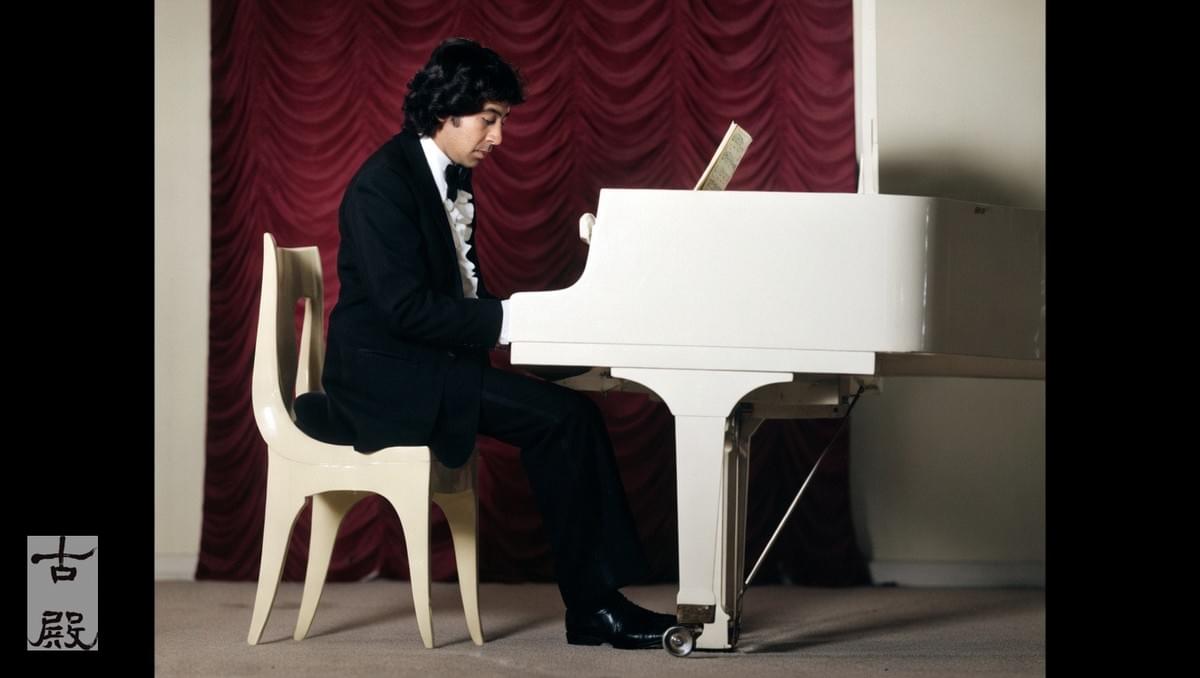
他三度來到台灣,帶著那雙老去卻不肯停的手
2002年,他應國家交響樂團(NSO)邀請,首度來台,在國家音樂廳與指揮簡文彬合作,演奏拉赫曼尼諾夫《第三號鋼琴協奏曲》。那場音樂會完售。樂評記錄了八成聽眾感受到他駕馭作品的從容餘裕——但費亞多本人卻在演後專訪中,對當晚的音響回響與樂團配合表達了不滿。這個細節讓我覺得,他對音樂的標準,從來不因觀眾的熱情而降低。
2023年7月,他再度來台,在台北松菸誠品表演廳舉行獨奏會。原定曲目包含貝多芬、李斯特與德布西《前奏曲》第二冊。但現場出現了一個意料之外的轉折:費亞多因神經傷痛,臨時將開場的貝多芬換成了梅特納《浪漫奏鳴曲》。他沒有取消,沒有縮減,只是換了一首同樣艱深的作品,繼續走上舞台,繼續彈完那個夜晚。
2024年6月,他再訪台灣,分別在台北國家音樂廳(6月18日)與高雄衛武營音樂廳(6月23日)舉行《藝術家的詩篇》鋼琴獨奏會。曲目是舒伯特降B大調第21號奏鳴曲D.960、拉赫曼尼諾夫前奏曲選、德布西《版畫》。台北場的安可,是舒伯特《天鵝之歌》的改編曲。
那個2023年臨時換曲的夜晚,一個七十多歲的鋼琴家,帶著神經的傷痛走上舞台,把原定曲目換成另一首同樣艱難的作品,繼續彈完。他沒有選擇更容易的路。他只是選擇,繼續彈。
而奇異的事發生了。
費亞多70歲之後,身體開始退化,這是無法否認的事實。但他的音樂,卻在這個階段愈發磔磔生輝。早年幾十年鍛鍊所形成的身體記憶,不但沒有隨年歲消退,反而進化成另一種能力——用音樂說故事的能力。樂句裡意蘊深長的線條,完全長在音樂內容的骨架之上,不多一分,不少一分。那不是技術,是時間凝結出來的東西,急不來,也偷不走。
你聽年輕時的費亞多,你聽見的是才華。你聽現在的費亞多,你聽見的是歲月本身。
********
【Music Stories from Gu Dian】
The World Champion Who Vanished for 14 Years: How Music Ripens with Age
— A 1977 Soviet Vinyl and the Piano Genius Vladimir Viardo (1949-)
There is no face on the cover.
Only the keyboard of a piano, with a few daisies quietly scattered among the keys. In Russian, it reads: "ИГРАЕТ ВЛАДИМИР ВИАРДО" — Vladimir Viardo Plays.
This design is more heartbreaking than any portrait. Because those hands—the very hands that made the music—are absent from the frame. They were hidden away.
Yet, they never stopped playing.
A Name You Should Not Forget
In 1973
, in a concert hall in Fort Worth, Texas, a piano competition was unfolding that would shift the cultural landscape of the Cold War: the 4th Van Cliburn International Piano Competition. Sixty-six top pianists from 21 countries competed. There was only one gold medal.
That gold medal went to a 24-year-old Soviet youth: Vladimir Viardo.
Sviatoslav Richter admired him. Alicia de Larrocha admired him. Waiting for him was a contract for over 70 performances across American concert halls—a brilliant career set to ignite on the world stage.
And then—history locked him away.
Without any explanation, the Soviet authorities revoked his exit visa. The gold medalist, the man the world was waiting for, simply evaporated. He vanished from the international stage for 14 long years.
This record was pressed in 1977, in Moscow, during the fourth year of that long imprisonment.
The Hands That Never Stopped
I later
learned that the flowers on the cover weren't a special tribute to Viardo. It was actually one of Melodiya’s generic templates—the same keyboard, the same daisies, reused for different artists. Just swap the name and keep printing.
The "system" didn't give him a face; it gave him a serial number: C10-07197. They threw some flowers on it, and that was that.
But his music lived beneath that number.
Viardo was born in 1949 by the Black Sea, near the Caucasus Mountains. At 14, he went to Moscow alone and entered the heart of the great Russian tradition: first at the Gnessin State Musical College, then the Moscow Tchaikovsky Conservatory under Lev Naumov.
For those in the know, this lineage is sacred.
Naumov was the star pupil and successor of the legendary Heinrich Neuhaus, who taught both Richter and Gilels. This means Viardo drinks from the same musical spring as the titans of the piano, a lineage tracing back to Leopold Godowsky. Naumov called Viardo "my most outstanding student" and "my number one disciple."
After graduating, Viardo became Naumov’s assistant at the conservatory. He won the Marguerite Long-Jacques Thibaud Competition in Paris in 1971, then the Van Cliburn in '73. Everything told the world: Here is the next legend.
Then, the visa was taken away.
What He Did During the "Trapped" Years
This is
the most moving part of the story.
During those 14 years behind the Iron Curtain, Viardo did not collapse. He didn't give up on music, nor did he—as some stories go—wither away in waiting.
He expanded his repertoire to 37 concertos.
He continued teaching at the Moscow Conservatory. He continued recording for Melodiya. He continued to play—Schubert, Liszt, Debussy—existing quietly within vinyl grooves that were only allowed to circulate within the Soviet Union.
The New York Times later noted that while many showed potential, Soviet officials clearly deemed his "risk of defection" too high, allowing a budding international career to wither.
But those "withered" years are now etched forever into these grooves.
What This Record Holds, and What It Means
Turn th
e record over, and the tracklist tells a story of its own:
Side A: Schubert’s Ländler, Op. 67; Liszt’s Funérailles
Side B: Debussy’s Children’s Corner Suite (Complete)
There is a subtext to this selection.
Schubert’s Ländler are dances for intimate gatherings of friends—the most private music, requiring no grand stage. For a man stripped of his stage to start here... was it resignation, or a silent manifesto?
Liszt’s Funérailles was written after the failed Hungarian Revolution of 1848-49 to mourn a lost cause. It is slow, solemn, and eventually fades into a heavy silence. For Viardo to record this music about "loss" at the height of his confinement... I don't know if it was a coincidence, but reading that tracklist made my heart sink.
Then there is Debussy’s Children’s Corner, written for his daughter, full of innocence and light humor. On the final side, Viardo chooses lightness. Perhaps that is the greatest courage of all: to be able to play music about a child’s world, with a purity untouched by politics, during your darkest years.
The Physical Soul of the Vinyl
Pick up
this record. You see the deep blue Melodiya label with white text. Arched across the top are the words: "МИНИСТЕРСТВО КУЛЬТУРЫ СССР" (Ministry of Culture, USSR). The catalog number is C10-07197/98(a). The "C" stands for Stereo; the "10" denotes a 12-inch classical record.
The technical code ТУ-43.10.1.74 confirms it follows the 1974 standard. It was pressed at the Aprelevka Order of Lenin Plant. The back cover clearly marks the year: 1977.
Those six words—Aprelevka Order of Lenin Plant—connect a factory founded by a German businessman in 1910 to the nationalization of the October Revolution, the expansion of the Stalin era, and the physical hands of the worker who pressed this disc in 1977. It represents the "political permission" of the Soviet Ministry of Culture, acknowledging that Viardo’s music was worth preserving forever.
1987: The World Finally Gives Him Back His Stage
The wav
es of Gorbachev’s Perestroika arrived. In 1987, Viardo’s exit visa was restored. By 1989, he moved to the United States, becoming an Artist-in-Residence at the University of North Texas and founding the Viardo Fellows Foundation.
He played Lincoln Center, Carnegie Hall, and the Concertgebouw. He collaborated with Zubin Mehta and Lorin Maazel. The world finally saw the man who had been missing for 14 years.
But those Melodiya recordings from the 1970s—including this very record—were never widely known in the West. They were born behind the Iron Curtain and nearly died there. Very few copies ever made it out.
This record was the only way he could speak to the world back then. And at the time, the world couldn't hear him.
The Taiwan Connection: Hands That Grow Old but Never Stop
Viardo
shares a deep bond with Taiwan that many don't know.
In 2002, he came to Taiwan for the first time at the invitation of the NSO, performing Rachmaninoff’s Piano Concerto No. 3. The concert was sold out. Critics noted his effortless mastery, yet in a post-concert interview, Viardo expressed dissatisfaction with the acoustics and the orchestral coordination. It showed me that his standards for music never wavered, regardless of the audience's warmth.
In July 2023, he returned to play at the Eslite Performance Hall. The program was supposed to include Beethoven, Liszt, and Debussy. But an unexpected turn occurred: due to nerve pain, Viardo swapped the opening Beethoven for Medtner’s Sonata Romantica at the last minute. He didn't cancel; he didn't shorten the set. He simply chose another equally difficult work and walked onto the stage to finish the night.
In June 2024, he visited again, playing his "Psalms of an Artist" recital. The encore in Taipei was a transcription of Schubert’s Schwanengesang.
On that night in 2023 when he swapped the program, a pianist in his 70s, suffering from physical pain, chose not the easy path, but the path of perseverance. He simply chose to keep playing.
And something miraculous happened.
It is an undeniable fact that the body declines after 70. But Viardo’s music has only grown more radiant. The muscle memory forged over decades hasn't faded; it has evolved into a different power—the power of storytelling. His phrasing follows the skeletal structure of the music perfectly—not a note too many, not a note too few. That isn't technique; it is the crystallization of time. It cannot be rushed, and it cannot be stolen.
When you listen to the young Viardo, you hear talent. When you listen to him now, you hear time itself.