
【古殿唱片音樂故事】他在交響曲的第一樂章,讓未來先閃過一遍——八十五歲的保羅·帕雷(Paul Paray,1886-1979),指揮自己四十八歲寫下的交響曲
古殿殿主
1935 年 3 月 31 日,巴黎,科隆音樂會。四十八歲的保羅·帕雷站上指揮台,第一次指揮自己寫的交響曲。
這首曲子的開頭,弦樂齊奏出一個「充滿自豪與對生命的信心」的主題,管樂用爽朗的和弦替它打拍子。但快到第一樂章結尾時,氣氛突然暗了下來。一記大鑼。然後音樂慢慢變弱、變慢,在這段漸漸消失的時間裡,後面三個樂章的主題,一個接一個,以縮短的樣子一閃而過。
還沒有發生的樂章,先在這裡露了一面。
這是帕雷自己對這首曲子的描述。四十八歲的他,在一首交響曲的第一樂章裡,讓未來先閃過一遍。
三十七年後,同一記大鑼
1972 年 5 月 16 日,巴黎塞納河畔的法國廣播大樓,第 104 演奏廳。台下坐著觀眾,台上是法國廣播電視愛樂管弦樂團。帕雷又站上了指揮台,譜架上是同一首交響曲。
那天他 85 歲,再過八天就滿 86。
三十七年前,那記大鑼之後閃過的,是一個人想像中的未來。三十七年後,未來已經一件一件發生過了。
寫完這首交響曲不到十年,德軍占領巴黎。他拒絕在占領下的巴黎指揮,退居蒙地卡羅。那不是他第一次面對德軍:一次大戰時,他已經當過他們的戰俘。戰後,他跨過大西洋,指揮紐約愛樂,走遍南北美洲,又花了十幾年,把底特律交響樂團帶成全美最好的樂團之一,錄下大量唱片。然後,他回到法國。
一位八十五歲的人,指揮到第一樂章結尾,敲下那一記大鑼。這一次,從他眼前閃過的那些主題,是未來,還是回憶?
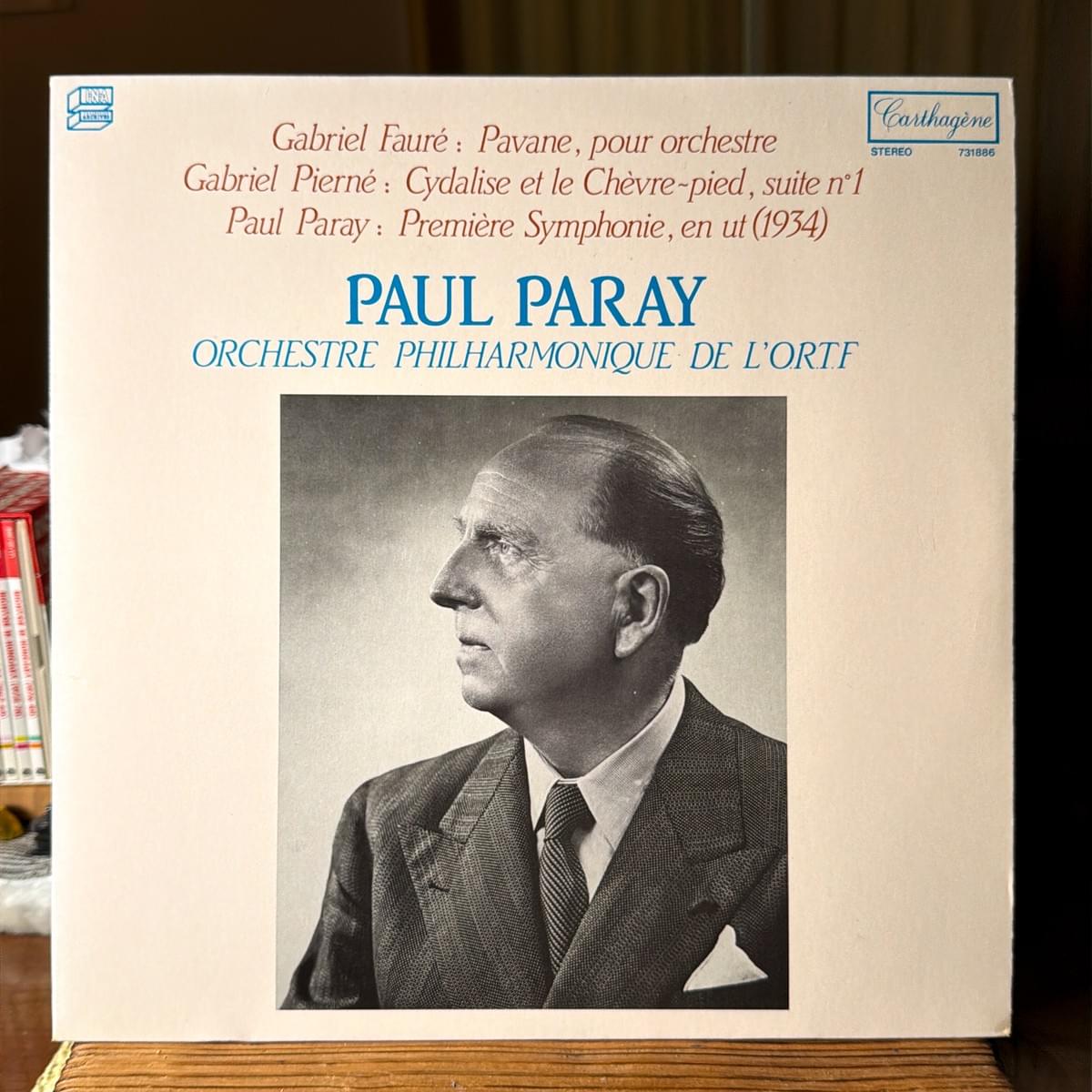
這一晚的第一首:看著他拿獎的人
那天的音樂會,從加布里埃爾·佛瑞(Gabriel Fauré,1845-1924)的《孔雀舞曲》開始。
唱片封底的解說這樣描寫它:長笛獨自吹出主題,底下是弦樂的撥弦;雙簧管、單簧管和弦樂很快跟上來,這首舞曲不動聲色地展開它的花紋。突然間,一股熱情攔住了整個樂團。接著是一段長長的漸弱,把我們帶回最初的氣氛,然後歸於寂靜。
佛瑞寫這首曲子是 1887 年,帕雷一歲。
二十四年後,1911 年,帕雷以清唱劇《雅尼查》拿到法國作曲界最高的羅馬大獎。據記載,那時巴黎音樂院的院長正是佛瑞。一個從諾曼第海邊小鎮勒特雷波爾(Le Tréport)來的年輕人,先在盧昂的教堂唱詩學校學音樂,再進巴黎音樂院,拿下和聲與對位的第一獎,最後站在了佛瑞面前。
六十一年後,他用佛瑞的曲子,打開這一晚。
最後一首:一部關於上課的芭蕾
那晚的最後一首,是加布里埃爾·皮爾奈(Gabriel Pierné,1863-1937)的芭蕾組曲《西達莉絲與羊足神》。
據記載,一次大戰結束後,帕雷第一次登上巴黎的舞台,是皮爾奈推薦的。十幾年後,帕雷又接替皮爾奈,成為科隆音樂會的指揮,也就是他後來首演自己交響曲的地方。
這部芭蕾 1923 年在巴黎歌劇院首演。仔細看唱片上的組曲段落,很有意思:「羊足神學校」、「潘神笛課」、「仙女學生進行曲」、「舞蹈課」。這是一部關於學校、關於上課的芭蕾。
解說裡描寫「舞蹈課」:先由短笛和巴松管單獨呈示主題,兩者相隔三個八度;然後是一個更快的變奏,再來一個節奏變形的變奏,最後是一個在連續十六分音符上緊緊追趕的變奏。一堂課,從慢慢示範,到越學越快。
一位八十五歲的指揮,用帶他走上舞台的那個人寫的「上課」,結束這一晚。唱片解說沒有這樣說,這是把曲目和他的一生放在一起時,自己浮出來的線索。
看著他拿獎的人、帶他走上舞台的人,夾在中間的,是年輕時的自己。
任何懷疑都無法阻擋的抒情
回到那首交響曲。
大鑼之後,音樂沒有停,直接進入第二樂章。英國管吹出一段哀怨的旋律,展開,然後在同樣的悲傷裡結束。第三樂章優雅而溫柔,帕雷說,卻「仍帶點不安」。
然後是第四樂章。帕雷說,第一樂章的樂觀回來了,但不再那麼高傲,更輕盈、更灑脫,有時還帶點頑皮。接著他寫下這一句:
「然而在深處,始終流淌著一股抒情,任何嘲諷、任何懷疑都無法阻擋。」
自豪、悲傷、不安,最後回到樂觀,卻是一種收起了高傲、學會了輕鬆的樂觀。四十八歲的帕雷,用四個樂章寫下了一個人可能走的路。
八十五歲的帕雷,已經走完了這條路的大部分。他還相信自己年輕時寫下的那一句嗎?
答案就保存在唱片裡。
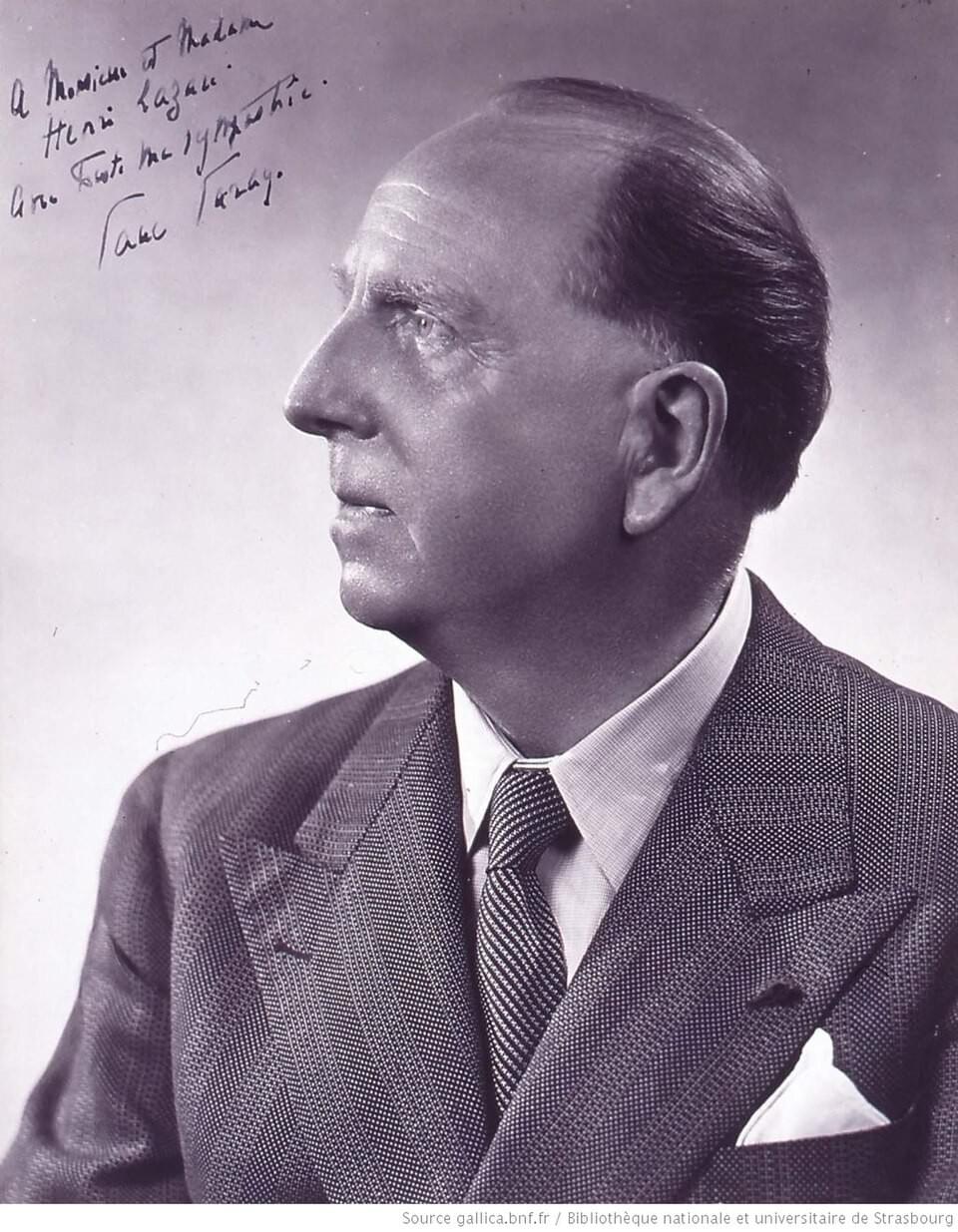
一位不聽唱片的指揮家
寫這份解說的人,叫尚-菲利普·穆斯尼耶(Jean-Philippe Mousnier),他也是這張唱片的製作人。他在封底用法、英、德三種語言,替帕雷留下一幅肖像:驚人的記憶力、極其敏銳的聽覺、罕見的節奏感,還有一種能力,能讓樂團裡的每一個聲部都被聽見。他說帕雷的學識,像十九世紀末那些偉大的知識分子。他還說,帕雷是唯一能同樣自如地指揮法國、德國、奧地利與俄國音樂的法國指揮家。
這樣一位耳朵極其敏銳的人,據《指揮家與唱片》的作者霍姆斯(John Holmes)記載,從來不聽唱片,不論是自己的還是別人的。
他在唱片史上最有名的,偏偏是底特律時代為 Mercury 錄的大量錄音室唱片。那些是可以重錄、可以剪接的聲音。而他自己,從不回頭聽。
一位不聽唱片的指揮家,被留在一張唱片裡。對他來說,音樂也許只活在演出的那一刻。而現場錄音,正好是最接近「那一刻」的保存方式:沒有重錄,沒有剪接,那天發生什麼,溝槽裡就是什麼。
殿主多年前寫過一篇文章,談 1925 年以前的號角錄音:一首歌得一口氣唱完,不能重來,歌手的聲音不是活「出」了那一刻,而是活「入」了唱片。這張 1972 年的現場錄音,技術早已不是號角的時代,道理卻仍是一樣,完全沒有改變。
*****
[Gudian Record Stories]In the First Movement of His Symphony, He Let the Future Flash Past First: Eighty-Five-Year-Old Paul Paray (1886–1979) Conducting the Symphony He Wrote at Forty-Eight
March 31, 1935, Paris, the Concerts Colonne. Forty-eight-year-old Paul Paray stepped onto the podium to conduct his own symphony for the very first time.
The work opens with the strings announcing in unison a theme "filled with pride and confidence in life,"punctuated by crisp, buoyant chords from the winds. Yet as the first movement nears its close, the atmosphere suddenly darkens. A single stroke of the tam-tam. The music then subsides, growing quieter and slower; within that fading space, the themes of the three subsequent movements flash past one after another in abbreviated form.
Movements that had not yet occurred made an early appearance right there.
Those were Paray’s own words describing the score. At forty-eight, inside the opening movement of a symphony, he allowed the future to flash before him in advance.
Thirty-Seven Years Later, the Exact Same Tam-Tam Stroke
May 16, 1972, Studio 104 of the Maison de la Radio along the Seine in Paris. An audience filled the auditorium; onstage sat the Orchestre Philharmonique de l’ORTF. Paray mounted the podium once more, with that very same symphony open on his music stand.
That evening he was eighty-five years old—just eight days shy of eighty-six.
Thirty-seven years earlier, what flashed past after that tam-tam stroke had been an imagined future. Thirty-seven years later, every chapter of that future had already unfolded.
Less than a decade after completing the symphony, German forces occupied Paris. Refusing to conduct in an occupied capital, Paray retreated to Monte Carlo. It was not his first encounter with the German army: during the First World War, he had been held as a prisoner of war. After 1945, he crossed the Atlantic to conduct the New York Philharmonic, toured across North and South America, and spent more than a decade transforming the Detroit Symphony Orchestra into one of the finest ensembles in the United States, leaving behind a celebrated legacy of recordings before finally returning home to France.
Now an eighty-five-year-old man reached the end of that first movement and cued that single stroke of the tam-tam. This time, as those themes flashed before his eyes, were they the future—or memory?
Opening the Evening: The Mentor Who Watched Him Win the Prize
That evening’s program opened with Gabriel Fauré’s (1845–1924) Pavane.
The rear sleeve notes describe the piece vividly: the solo flute introduces the melody over plucked strings; oboe, clarinet, and strings soon join as the dance unfolds its quiet arabesques. Suddenly, a surge of passion arrests the entire orchestra, followed by a long decrescendo that guides us back to the opening mood before dissolving into silence.
Fauré composed the Pavane in 1887, when Paray was one year old.
Twenty-four years later, in 1911, Paray won France’s highest compositional honor—the Prix de Rome—with his cantata Yanitza. At that time, the director of the Paris Conservatoire was Fauré himself. A young musician from the Normandy coastal town of Le Tréport, trained first in the choir school of Rouen Cathedral before entering the Paris Conservatoire to capture first prizes in harmony and counterpoint, stood at last before Fauré.
Sixty-one years later, he opened this concert with Fauré’s music.
Closing the Evening: A Ballet About Classroom Lessons
The final work on the program that night was Gabriel Pierné’s (1863–1937) ballet suite Cydalise et le Chèvre-pied.
Following the First World War, it was on Pierné’s recommendation that Paray made his Parisian conducting debut. Over a decade later, Paray succeeded Pierné as principal conductor of the Concerts Colonne—the very platform where he would premiere his own symphony.
First staged at the Paris Opéra in 1923, the ballet suite features intriguing movement titles on the record sleeve: "The School of the Fauns," "The Panpipe Lesson," "March of the Student Nymphs," and "The Dance Lesson." It is a ballet centered on schoolrooms and instruction.
The liner notes describe "The Dance Lesson": piccolo and bassoon first state the theme alone, separated by three octaves; next comes a brisker variation, followed by a rhythmically transformed variation, culminating in a tightly pursued variation driven by continuous sixteenth notes—a classroom lesson progressing from slow demonstration to rapid mastery.
An eighty-five-year-old conductor closed his evening with a "lesson" written by the very mentor who had first brought him onto the Parisian stage. The sleeve notes never state this connection explicitly; it emerges naturally when the program is placed beside the arc of his life.
Flanked by the mentor who witnessed his triumph and the mentor who launched his podium career stood his own younger self.
A Lyricism No Doubt Could Haltingly Obstruct
Return to the symphony itself.
After the tam-tam stroke, the music moves without pause directly into the second movement. The English horn sings a plaintive melody that expands before subsiding into the same quiet sorrow. The third movement is graceful and tender, yet—in Paray’s words—"still tinged with unease."
Then comes the fourth movement. Paray explained that the optimism of the opening movement returns, stripped of its earlier pride—lighter, freer, and at times playful. He then wrote this sentence:
"Yet deep beneath the surface, there flows a constant lyricism that no mockery, no doubt, can ever obstruct."
Pride, sorrow, unease, and finally a return to optimism—an optimism that has laid aside youthful arrogance to embrace unburdened ease. At forty-eight, Paray mapped out the journey a human life might take across four movements.
At eighty-five, having walked nearly the entire length of that road, did he still believe the words he had written in his prime?
The answer is preserved inside the record grooves.
A Conductor Who Never Listened to Records
The liner essay was written by Jean-Philippe Mousnier, who also served as the album’s producer. Writing in French, English, and German across the back cover, he sketched a portrait of Paray: astonishing memory, razor-sharp auditory acuity, an uncommon sense of rhythm, and an uncanny gift for letting every inner voice in the orchestra speak clearly. Mousnier compared Paray’s erudition to that of the great late-nineteenth-century intellectuals, calling him the only French conductor equally at home in French, German, Austrian, and Russian repertoire.
Yet according to John Holmes, author of Conductors on Record, this musician possessed of extraordinarily keen ears never listened to phonograph records—neither his own nor anyone else’s.
Ironically, his enduring discographical fame rests upon the vast catalog of studio LPs he taped in Detroit for Mercury Living Presence—recordings that could be retaken and spliced. Paray himself never looked back to listen to them.
A conductor who shunned records, preserved forever on vinyl. To him, music lived solely in the immediate present of performance. A live broadcast capture comes closest to preserving that unrepeatable instant: no retakes, no splicing block—whatever transpired in the hall that evening was etched directly into the groove.
Years ago, I wrote an essay on pre-1925 acoustic horn recordings: an aria had to be sung from start to finish in a single breath without retakes, so the singer’s voice did not merely survive the moment—it lived into the disc. Though this 1972 live taping belonged to the modern broadcast era, the underlying truth remained entirely unchanged.
The Journey of an Evening: From Airwaves to Microgrooves
This concert was never recorded with a commercial LP in mind.
On the evening of May 16, 1972, ORTF balance engineer Guy Chesnais tracked the performance in Studio 104 solely for radio listeners tuned in at home. That night, the music traveled out across the airwaves—and once broadcast, it was gone, as radio broadcasts always are: born in the air, vanishing into the air. All that remained was a reel of master tape shelved in the broadcaster’s library.
Two years later, on August 7, 1974, France passed legislation dissolving the massive state broadcaster ORTF into seven separate entities: three television networks, a radio company, a production house, a transmission agency, and a dedicated institution charged with safeguarding audio-visual heritage—the Institut national de l'audiovisuel (INA). When the new structure took effect on January 6, 1975, all surviving ORTF radio and television archives passed into INA’s custody, with archival preservation mandated as its foremost mission.
Thus, Paray’s evening migrated from a radio station shelf into the national archives.
Headquartered in Bry-sur-Marne on the eastern outskirts of Paris, INA preserves France’s collective sonic and visual memory—spanning over twenty-five million hours of broadcasts from the dawn of radio to the present day, with its oldest audio artifact being an 1891 recording of Gustave Eiffel (1832–1923). In 1992, France extended legal deposit laws to radio and television, designating INA as the official custodian—just as the Bibliothèque nationale collects every printed book, INA safeguards every voice transmitted over the airwaves.
On October 10, 1979, Paray passed away in Monte Carlo and, in accordance with his wishes, was laid to rest in his hometown of Le Tréport. At the time of his death, this concert still slept quietly in the vaults, unissued on disc.
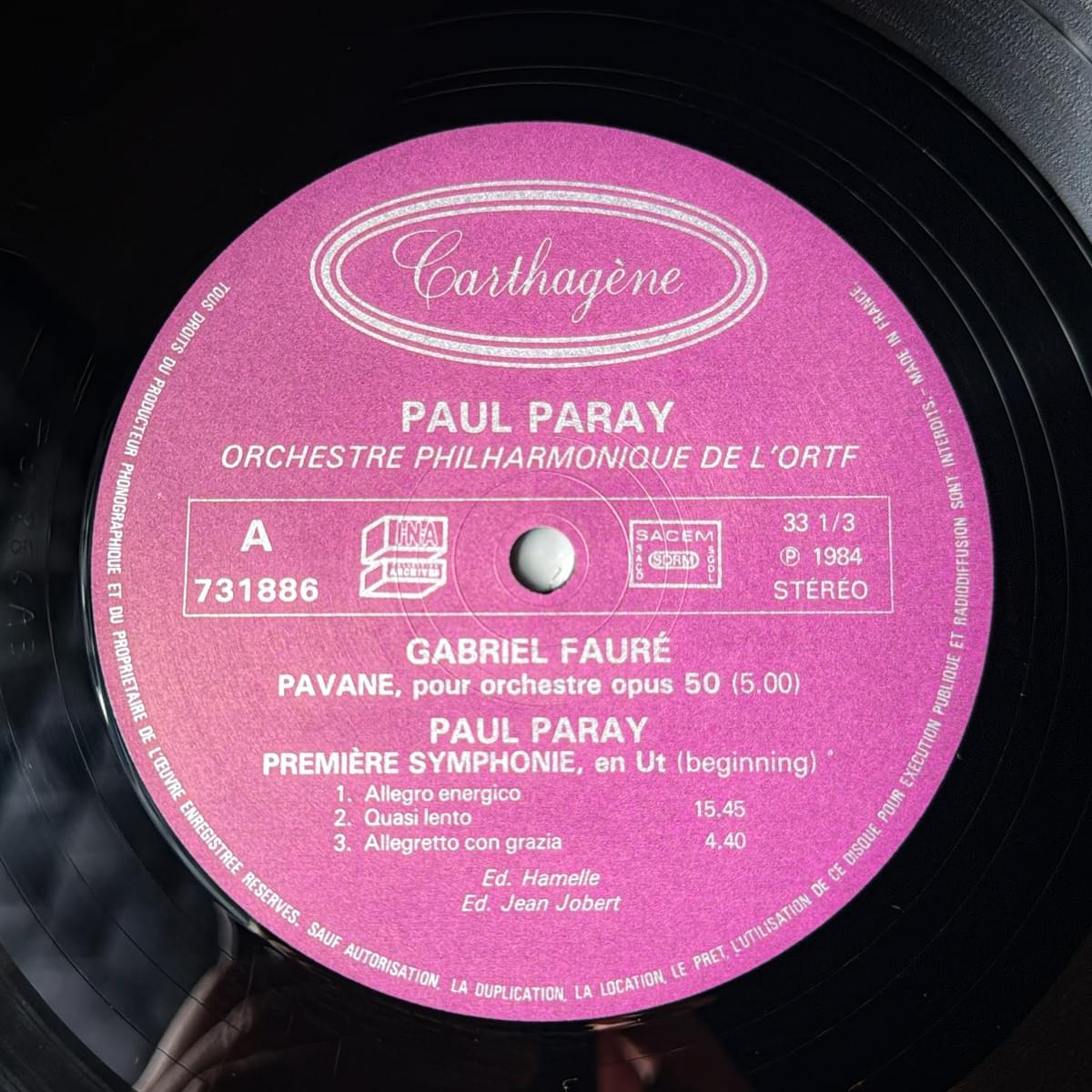
In 1984, the independent label Carthagène retrieved the master tape from the INA archives. Produced and annotated in three languages by Mousnier, it was pressed onto vinyl under catalog number 731886, bearing a back-cover credit reading: "Collection Paul Paray."
Between 1972 and 1984, that single evening traveled a long road: living briefly in the radio ether; resting in a broadcast tape library; surviving institutional dissolution to enter the national archives; sleeping there for twelve years; and finally being cut into vinyl grooves. By the time it became a phonograph record, the man who had stood on the podium was gone—making this posthumous LP the world-premiere recording of Paray’s symphony.
For a sound to endure requires far more than the moment of capture. Someone must record it, a vault must house it, an institution must protect it from erasure, and someone twelve years later must remember it and bring it back to light. Remove a single link from that chain, and the evening would remain nothing more than a fading memory beside a 1972 radio set.
The Future, Flashed Past in Advance
At the close of his liner notes, Mousnier observed that Paray’s longevity—and his enduring youthfulness—kept him conducting well into his nineties.
Longevity and youthfulness: applied to an eighty-five-year-old artist, the two qualities carry no contradiction.
At forty-eight, in the opening movement of his symphony, he let the future flash past in advance. At eighty-five, standing before that exact same tam-tam stroke, an entire lived life stretched out behind him. And when we lower the stylus today, we hear an artist no longer with us living fully, completely, across a single evening.
Does that lyricism deep within the fourth movement—"that no mockery, no doubt, can ever obstruct"—still endure?
The answer remains preserved inside the grooves.