
【古殿唱片音樂故事】:「逍遙音樂節最後一夜」(Last Night of the Proms),當六千人一起跺腳高歌:為什麼有人願意為了一場音樂會露宿街頭?在逍遙音樂節的最後一夜,聽見英國人的靈魂震動。
古殿殿主
你知不知道,在「古殿」收藏的這麼多唱片裡,今天這張不一樣,它有點「吵」,甚至有點「瘋狂」。但正因為這份吵雜,它是我覺得最能治療現代孤獨感的解藥之一。
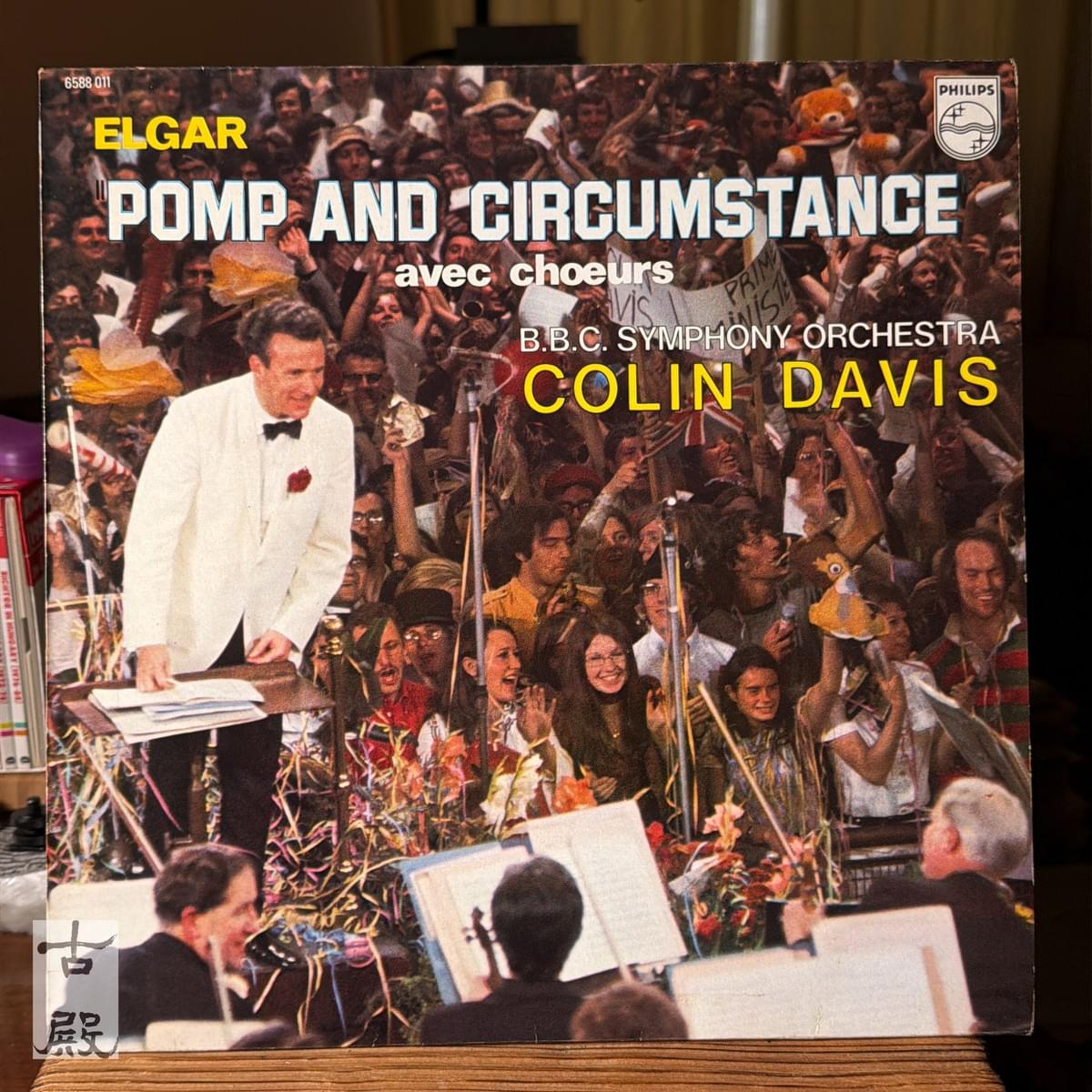
這張唱片是 BBC 交響樂團 在 指揮大師柯林·戴維斯 (Colin Davis) 帶領下的 「逍遙音樂節最後一夜」(Last Night of the Proms) 現場錄音。
一票難求的瘋狂:排隊三天三夜的音樂朝聖
在放音樂之前,你得先想像一下那個畫面。
這張唱片的錄音地點——倫敦皇家亞伯特廳(Royal Albert Hall),它是英格蘭最大的音樂廳,擁有 6,000 個座位。六千人聽起來很多對吧?但在這場「最後一夜」面前,這個數字根本不夠看。
每年到了這時候,想擠進來的人數多達數萬人!為了搶到站票區的一席之地,許多人甚至會帶著折疊椅,在音樂廳外排隊三天三夜。你能想像嗎?為了聽一場音樂會,大家在街頭露宿,那種熱情跟現代人排隊買限量球鞋或手機完全不同,那是為了靈魂的滿足。
當這場表演在極度興奮的氣氛中開始時,這六千人並不是乖乖坐著聽音樂。他們是參與者,甚至是演出的一部分。你會在唱片裡聽到他們喊叫、唱歌、鼓掌,甚至是跺腳。地板在震動,空氣在燃燒。大部分的曲目都是非常通俗或具有英國代表性的作品,目的就是讓全場觀眾都能一同合唱。
這張唱片(1969 & 1972 現場錄音)紀錄的,就是這種人類最原始、最火熱的共鳴。
第一面:暴風雨前的寧靜與夢境
讓我們把唱針放下去。
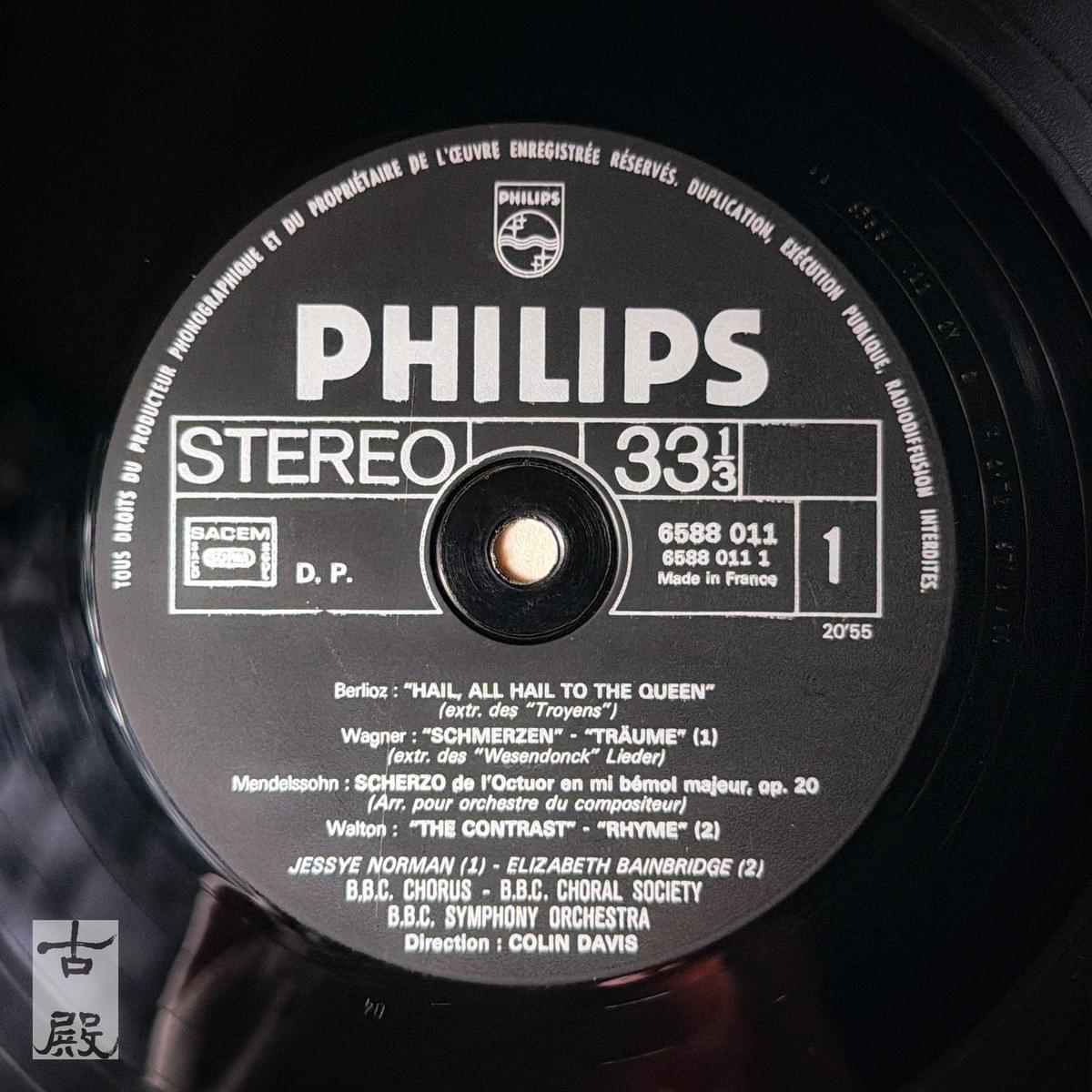
第一面開場,是法國作曲家白遼士的**《萬歲,女王萬歲》**。這是歌劇《特洛伊人》的一段,描寫人民歡迎女王的場面。這其實是個暖身,告訴你:「嘿,我們準備好要慶祝了!」
接著,你會聽到一個非常溫暖、厚實的女聲,那是傳奇女高音 潔西·諾曼 (Jessye Norman)。她在唱華格納的**《魏森東克之歌》**裡的〈痛苦〉與〈夢〉。這很有趣,通常我們覺得華格納很重、很嚴肅,但在這個場合,潔西·諾曼的聲音像是一雙溫柔的大手,輕輕撫平了現場幾千人的躁動。
然後氣氛一轉,孟德爾頌的**《詼諧曲》**來了。這是孟德爾頌 16 歲寫的天才之作,輕盈得像精靈在跳舞。這時候你可以放鬆肩膀,跟著那個輕快的節奏輕輕點頭。
第二面:為什麼艾爾加能讓全場流淚?
好,重頭戲來了。翻到第二面,這才是這張唱片的靈魂核心,也是英國文化百年來的精神縮影。
當唱針劃過這一面,你會聽到艾爾加的**《威風凜凜進行曲》第一號**。
你一定聽過這個旋律。但在這張唱片裡,當那著名的中段——後來被填詞為**《希望與榮耀的土地》**——響起時,你會聽到一種地動山搖的聲音。那是全場觀眾的共鳴,那個瞬間,彷彿喚醒了整個民族的集體記憶。
為什麼這首歌有這麼大的魔力?為什麼艾爾加的音樂是英國人心中「無法被撼動的存在」?
因為艾爾加跟很多學院派的作曲家不一樣,他是自學成才的。正因為沒有那些框架,他對周遭世界的觀察,往往比別人更敏銳,也充滿了更多「人」的味道。他在這首看似熱鬧的進行曲裡,其實細膩地揉合了那個時代最極端的兩種情緒:
- 大英帝國的盛世榮光: 你會在銅管樂器的吹奏中,聽到那種自信、雄壯與尊嚴。那是一種流動在音符間的貴族氣息,讓人彷彿看見了一個盛世的自信縮影,能夠激勵每一個世代的人。
- 戰後的創傷與憂鬱: 但如果你仔細聽,在那些輝煌的背後,艾爾加其實偷偷藏進了感傷。他經歷過戰爭的殘酷,他捕捉到了大時代更迭下的無奈。他在音樂裡勾勒出人性的脆弱與時代的憂傷。
這就是為什麼這首曲子能成為療癒心靈的慰藉。它不只是在慶祝勝利,它更是在擁抱那些受過傷的靈魂。它告訴你:你可以榮耀,你也可以脆弱。
在這張唱片裡,指揮柯林·戴維斯其實已經控制不了場面了(笑)~~
因為全場幾千名觀眾變成了最大的合唱團。他們跺著腳、流著淚,唱的不只是國歌,而是刻在骨子裡的集體歷史文化記憶。
「集體意識」的儀式:找回音樂的集體共鳴
接著還有很有趣的曲目,像是威廉森的**《石牆》,以及大家會跟著瘋狂跺腳鼓掌的《統治吧,不列顛尼亞!》。最後,在帕里的《耶路撒冷》與國歌《天佑吾王》**中結束。
為什麼我要推薦你聽這張半個世紀前的「吵鬧」錄音?
當你聽到那幾千人一起換氣、一起走音、一起為了艾爾加的旋律而熱淚盈眶時,你會發現自己並不孤單。這種**「共振」**,非常激勵人心。
在「古殿」,我們常說要尋找失落的歷史遺跡。這張唱片保存的,不只是樂譜,而是一種面對生命的態度——承認痛苦,但也永遠不放棄追求尊嚴與美好,這也是英國的精神。
把這張唱片放下去,試著讓自己回到 1972 年的皇家亞伯特廳。跟著旋律,和其他六千個帶著折疊椅排隊三天三夜的熱血靈魂一起,把胸口的悶氣大聲唱出來。
這就是音樂的力量——為了讓你的心,重獲自由。
實體音樂:
*******
[Gu Dian Music Stories]: "Last Night of the Proms" When 6,000 People Stomp and Sing as One: Why would anyone sleep on the street for a concert? On the Last Night of the Proms, you can hear the very soul of the British people vibrating.
You know, among the thousands of records we have tucked away here at Gu Dian, this one is different. It’s a bit "noisy," maybe even a little "crazy." But that noise? That is exactly why I think it’s one of the best antidotes for modern loneliness.
This record is a live recording of the "Last Night of the Proms" featuring the BBC Symphony Orchestra led by the legendary conductor Sir Colin Davis.
1. A Ticket Harder to Get than Gold: The Three-Day Musical Pilgrimage
Before we drop the needle, you have to picture the scene.
The recording takes place at the Royal Albert Hall in London. It’s the largest concert hall in England, with 6,000 seats. Six thousand sounds like a lot, right? But for the "Last Night," that number is nothing.
Every year at this time, tens of thousands of people try to squeeze in. To grab a spot in the standing area, people literally bring folding chairs and camp out in line outside the hall for three days and nights. Can you imagine that? Sleeping on the street just to hear a concert? That kind of passion is totally different from people lining up for limited-edition sneakers or a new iPhone today. That was a line formed for the satisfaction of the soul.
When the show starts in this atmosphere of extreme excitement, those 6,000 people don’t just sit there quietly listening. They are participants. They are part of the performance. On this record, you will hear them shouting, singing, clapping, and even stomping their feet. The floor shakes; the air is practically burning. Most of the songs are popular, iconic British pieces chosen specifically so the whole audience can sing along.
This record (a live recording from 1969 & 1972) captures that primal, fiery human resonance.
Side One: The Dream Before the Storm
Let’s lower the stylus.
Side A opens with Berlioz’s "Hail, All Hail to the Queen." It’s a scene from the opera The Trojans where the people welcome their queen. It’s really just a warm-up, telling you: "Hey, we are ready to celebrate!"
Next, you hear a voice that is incredibly warm and thick—that’s the legendary soprano Jessye Norman. She sings "Schmerzen" (Pain) and "Träume" (Dreams) from Wagner’s "Wesendonck Lieder." It’s interesting—we usually think of Wagner as heavy and serious, but here, Jessye Norman’s voice is like a pair of gentle, giant hands, softly soothing the restlessness of those thousands of people.
Then the mood shifts. Mendelssohn’s "Scherzo" arrives. Written when he was a 16-year-old genius, it’s as light as a pixie dancing. This is the moment to relax your shoulders and just gently nod along to that brisk rhythm.
Side Two: Why Does Elgar Make a Whole Stadium Cry?
Okay, here comes the main event. Flip the record to Side B. This is the soul of the album, and honestly, a snapshot of the British spirit over the last century.
As the needle cuts into the groove, you’ll hear Elgar’s "Pomp and Circumstance March No. 1."
You’ve definitely heard this melody before. But on this record, when that famous middle section—later set to the lyrics "Land of Hope and Glory"—rings out, you hear a sound that could shake the earth. It is the resonance of the entire audience. In that moment, it feels like the collective memory of an entire nation has been awakened.
Why does this song have such magic? Why is Elgar such an unshakable presence in the hearts of the British?
Because unlike many academic composers, Elgar was self-taught. And because he didn't have those rigid frameworks, his observation of the world was often sharper, more sensitive, and filled with a more "human" scent. In this seemingly boisterous march, he actually delicately blends two very extreme emotions of that era:
- The Glory of the Empire: In the brass section, you hear confidence, grandeur, and dignity. It’s a noble air flowing between the notes, a confident snapshot of a golden age that inspires every generation.
- Post-War Trauma and Melancholy: But if you listen closely, behind the splendor, Elgar secretly hid a sense of sorrow. He lived through the cruelty of war; he captured the helplessness of changing times. He sketched human fragility and the sadness of the era right into the music.
That is why this piece heals the heart. It’s not just celebrating victory; it’s hugging those wounded souls. It tells you: You can be glorious, but you are also allowed to be fragile.
On this record, Sir Colin Davis has basically lost control of the room (haha)~~ Because the thousands of people in the audience have become the world's biggest choir. They stomp, they weep, and they sing—not just a national anthem, but a cultural memory carved into their bones.
The Ritual of "Collective Consciousness": Finding Connection
There are other fun tracks, too, like Williamson’s "The Stone Wall," and "Rule, Britannia!" where everyone goes crazy stomping and clapping. Finally, it ends with Parry’s "Jerusalem" and the national anthem, "God Save the Queen."
So, why do I recommend you listen to this "noisy" recording from half a century ago?
Because when you hear thousands of people breathing together, going off-key together, and tearing up together over Elgar’s melody, you realize you are not alone. This kind of "resonance" is incredibly inspiring.
At Gu Dian, we often talk about searching for lost historical ruins. What this record preserves isn't just sheet music; it’s an attitude toward life—admitting pain, but never giving up the pursuit of dignity and beauty.
Put this record on. Try to transport yourself back to the Royal Albert Hall in 1972. Follow the melody, join those 6,000 passionate souls who camped out for three days, and sing out all that stuffiness in your chest.
This is the power of music—to set your heart free again.