
【古殿唱片音樂故事】夢幻的唱片~~華爾特與維也納愛樂的莫札特,以及那段塵封二十年的聲音
古殿殿主
一九七五年三月,日本唱片業界發生了一件寧靜而深刻的大事。
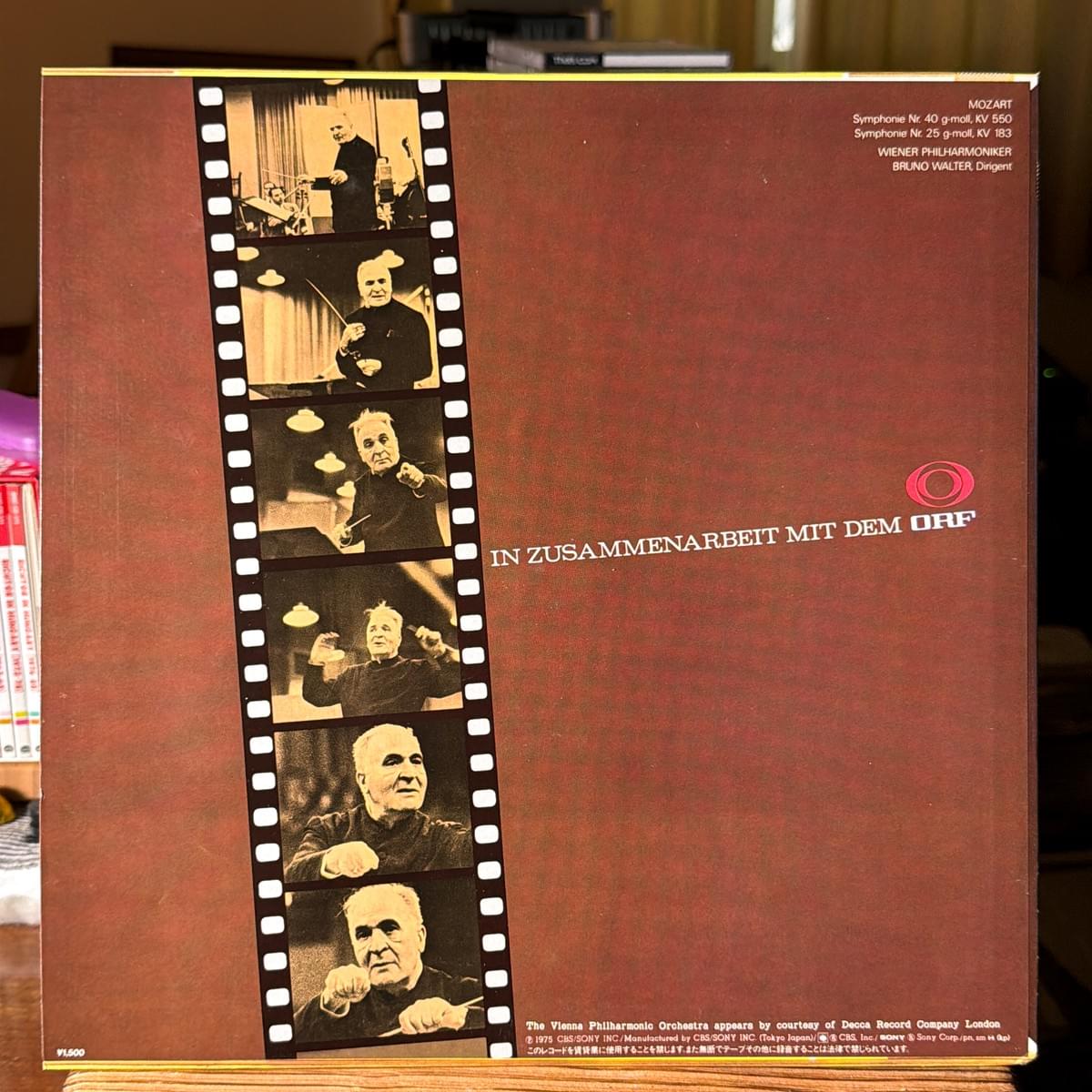
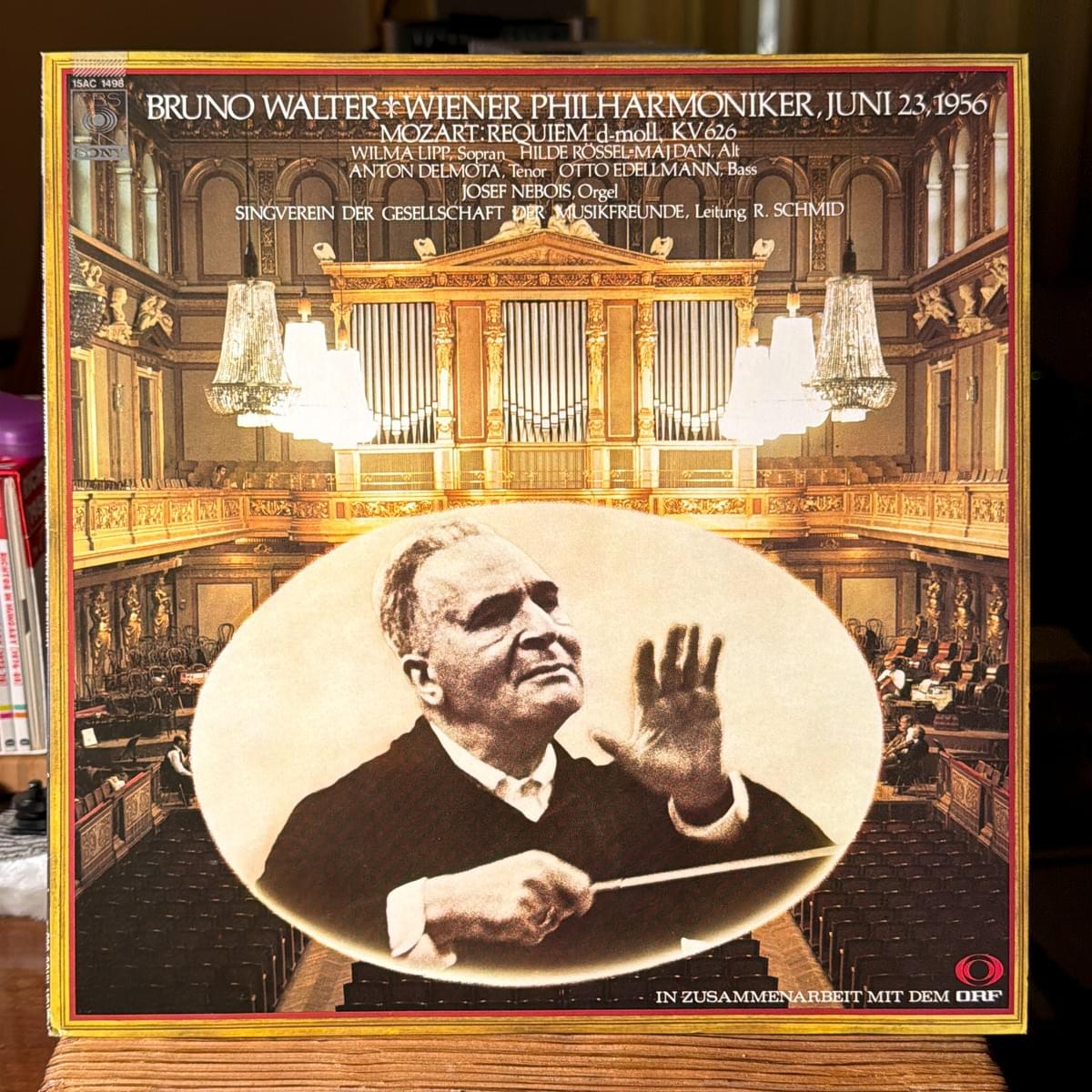
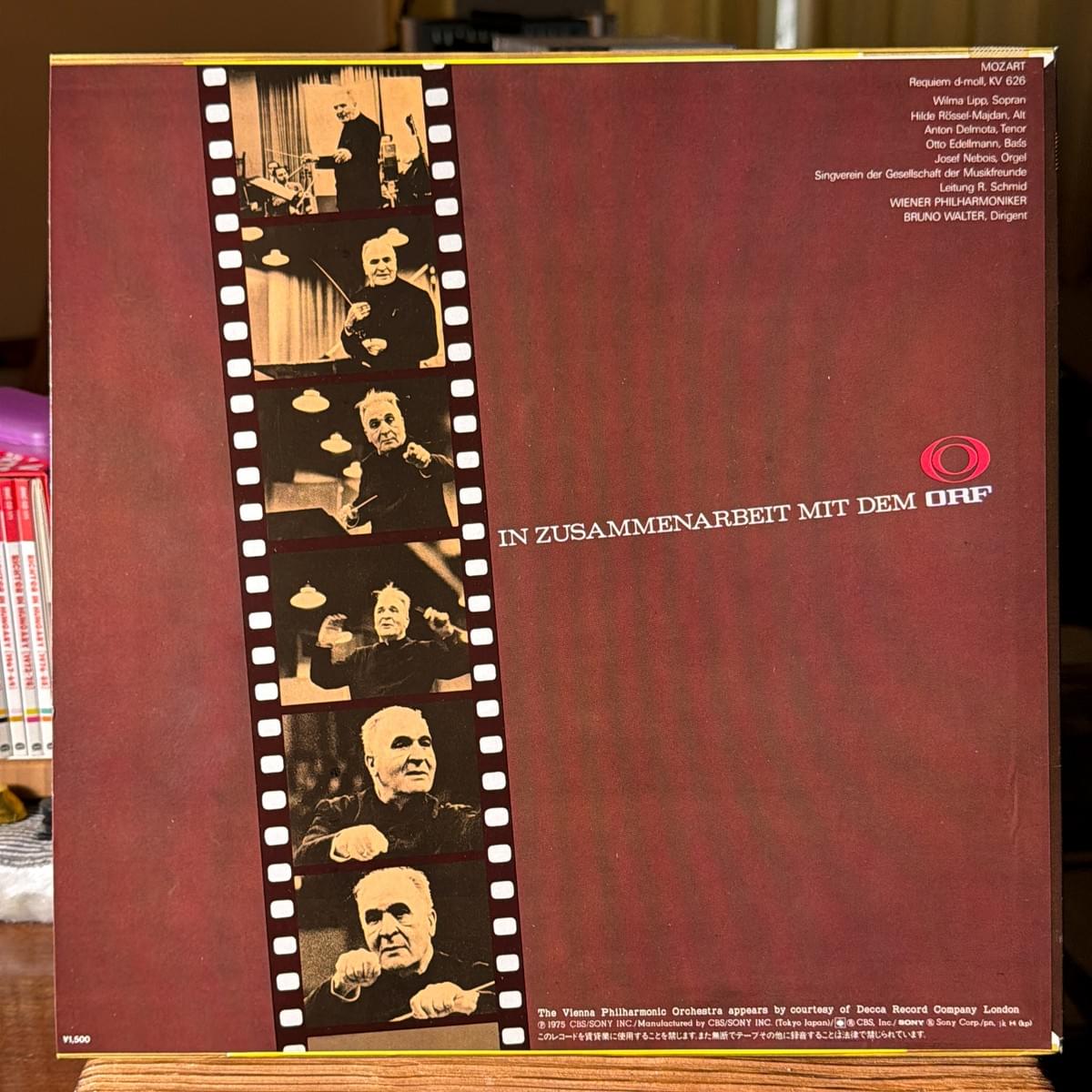
CBS/SONY在東京悄悄地發行了兩張黑膠唱片,封套設計古典莊重——正面是維也納樂友協會金色大廳的金碧輝煌,圓形相框中是一位老人揮舞指揮棒的影像;封底則是一列電影膠捲式的排版,印著同一位老人在不同瞬間的動態神情。這兩張唱片,正是您現在眼前所見的:
一、布魯諾·華爾特 指揮維也納愛樂 莫札特第40號與第25號交響曲
二、布魯諾·華爾特 指揮維也納愛樂 莫札特安魂曲 K.626
它們看起來普通,但每一張背後,都藏著一段關於流亡、歸鄉、執念與音樂的動人故事。這是一套被稱為「夢幻唱片」的歷史錄音,而它的誕生,幾乎是個奇蹟。
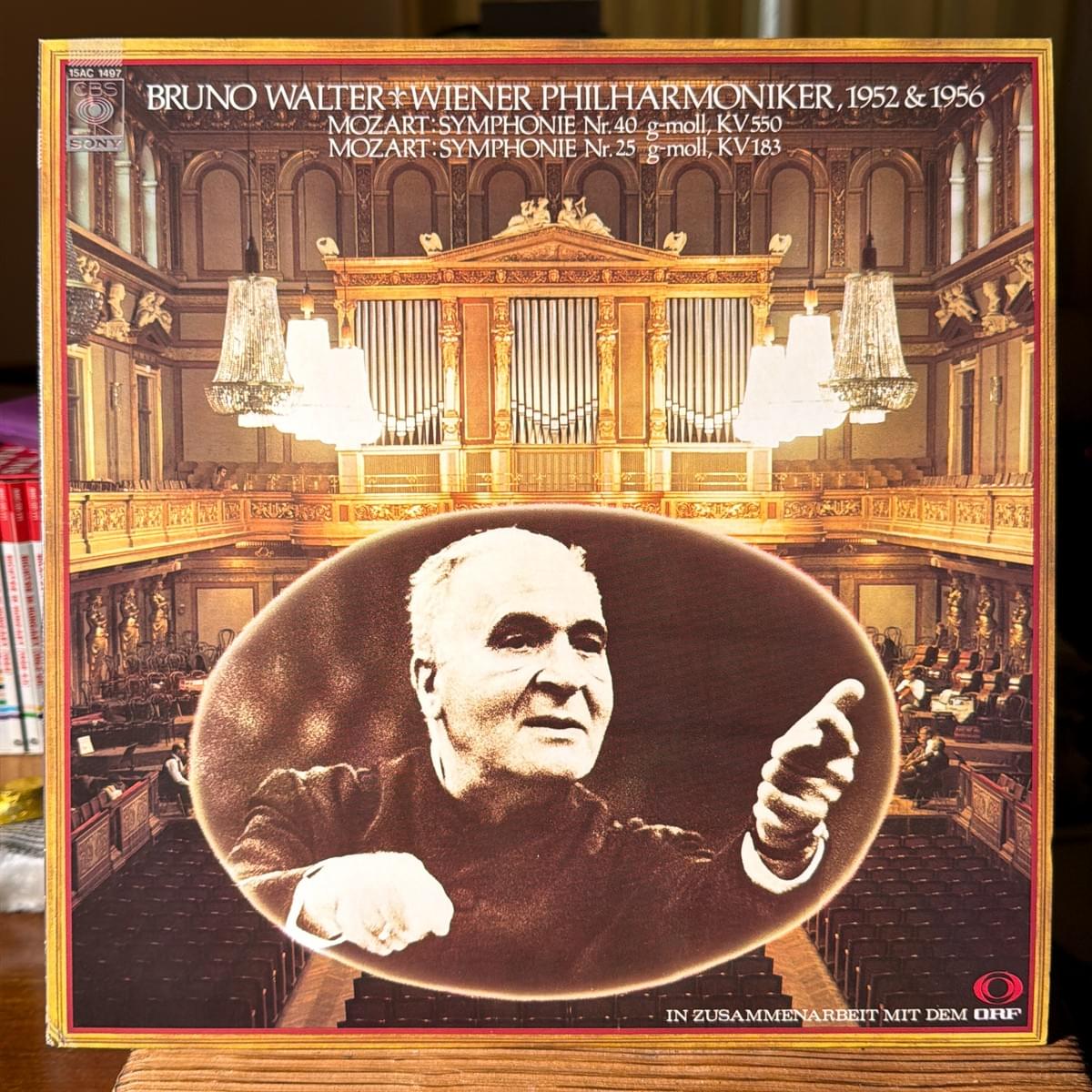
一、那個八十歲老人是誰?
布魯諾·華爾特(Bruno Walter,1876-1962),這個名字對許多古典樂迷來說,是一個帶著溫度的名字。
他出生於柏林一個猶太家庭,八歲開始學音樂,九歲立志成為鋼琴家,後來轉向指揮。十七歲他就站上了科隆歌劇院的指揮台,第二年便去了漢堡歌劇院,成為偉大指揮家古斯塔夫·馬勒(Gustav Mahler,1860-1911)的助理。這段師徒緣分,改變了他的一生,也改變了音樂史的走向。
馬勒不只是他的上司,更是他的精神導師。華爾特四處追隨馬勒指揮歌劇,親眼見證了那個時代最偉大的指揮藝術。一九一一年馬勒去世,留下了兩部未完成的遺作——《大地之歌》與《第九號交響曲》,這兩部作品的世界首演,都交給了華爾特。
此後,華爾特成為歐洲最炙手可熱的指揮家之一,巴伐利亞國立歌劇院藝術總監、萊比錫布商大廈管弦樂團藝術總監、維也納國家歌劇院藝術總監……頭銜一個接一個。他也參與了薩爾茲堡音樂節的創立,並與這座城市建立了深厚的淵源。在那個尚未被政治撕裂的年代,他是維也納的靈魂人物之一。
然後,一切都變了。
二、流亡:一個指揮家的顛沛歲月
一九三三年,納粹在德國上台。身為猶太人的華爾特,敏銳地感受到危機,離開德國,移居維也納。然而五年後,一九三八年三月納粹吞併奧地利,他再度被迫出走,流亡至法國。沒多久納粹又佔領了法國,他在一九三九年輾轉逃到了美國,從此定居,並於一九四六年取得美國國籍。
在逃亡之前,維也納留給他的最後記憶,是屈辱的。
一九三七年,他在維也納國立歌劇院指揮《崔斯坦與伊索德》,有人向劇院投擲了臭氣彈。歌手們吸入過多氣體,到了「愛之死」那段已無法出聲,最後演變成只有樂團繼續演奏的局面。而他最後一次與維也納愛樂的音樂會,開演前他收到了署名的恐嚇信,會場外納粹支持者高聲歌唱示威。親眼目睹那場演出的友人後來告訴他:「你當時面色蒼白地在指揮。」
就這樣,他帶著這些記憶,離開了歐洲。
二戰結束後,他沒有回去「傷心地」定居,只是每年定期返回歐洲指揮演出。對他而言,美國才是晚年的家。但每當他回到維也納,他帶走的那些傷與恨,又會以另一種方式,化為音樂流瀉而出。
三、重返維也納:全場自發起立的那一刻
一九五二年五月十八日,維也納樂友協會金色大廳。
指揮大町陽一郎(1931-2022)——那時他是一名留學維也納音樂大學的年輕指揮系學生——後來在唱片的解說文中,記錄了那個無法忘懷的畫面:
「正式演出時,華爾特一現身舞台,會場觀眾竟自發性地全體起立,以盛大的掌聲迎接這位大師重返維也納。這種場面我在維也納從未見過。我也在激動的顫抖中起立鼓掌。這並非任何人事先約定,純粹是大師的風範使然,對於維也納聽眾而言,這是一件難以忘懷的大事。」
想想那份掌聲的重量。那不只是對一位傑出指揮家的歡迎,那是維也納對自己曾經的罪愆的懺悔,是一座城市向一個被驅逐者的道歉,是幾千個聽眾共同說出的一句:「對不起,歡迎回來」。
而那天晚上,他們一起演奏的,是莫札特的第四十號交響曲。奧地利廣播電台(ORF)的麥克風,靜靜地記錄下了一切。
四、第四十號:那上行的滑音,令人心碎的美
莫札特第四十號交響曲(G小調,K.550),是古典音樂裡最被演奏、最被討論、也最難被「演好」的作品之一。它的旋律幾乎人人聽過,但要在四個樂章裡同時呈現莫札特的不安、哀傷、優雅與生命力,卻是極度困難的事。
日本最具影響力的古典樂評家與指揮家宇野功芳(1930-2016),在唱片的解說文中,寫下了一段後來廣為流傳的名句,來形容華爾特這版的第一樂章:
「伴隨著大提琴的漣漪,小提琴如同飛舞般開始歌唱第一樂章的第一主題。啊,那上行滑音(Portamento)的魅力!……那是莫札特靈魂渴望飛向絕美世界的痛切憧憬,而那份憧憬過於強烈,聽者不禁感到無比悲哀。對最高美感的憧憬即是悲哀,那已化作了一種強烈的祈禱。」
這種「滑音」(Portamento)——音符與音符之間流動的連接感——是十九世紀末至二十世紀初歐洲管弦樂演奏的一種特有傳統,在現代樂團的演奏中幾乎已經絕跡。而維也納愛樂在一九五二年,還保留著這種自然而深情的演奏方式。加上華爾特對莫札特語言的深刻理解,這版第四十號所呈現的,是一種今日幾乎無法再現的聲音美學。
宇野功芳最後的結論是:
「若不稱此為永遠的第40號,還有什麼能稱作理想的演奏呢?」
這是一位極度嚴苛的音樂評論家,所能給出的最高讚美。
B面是一九五六年七月廿六日,薩爾茲堡音樂節現場演奏的第二十五號交響曲(G小調,K.183)。這首被稱為「小G小調」的交響曲,是十七歲的莫札特所寫,充滿了令人難以置信的靈魂深度。兩首都是G小調,兩首都浸透著一種幽暗卻美麗的憂鬱。這樣的選曲,不是偶然。
五、安魂曲:一個老人最後的鎮魂之音
一九五六年,是莫札特誕生兩百週年。整個歐洲的音樂世界都在慶祝。而那一年,八十歲的布魯諾·華爾特,在短短幾個月內,指揮了三次莫札特《安魂曲》。
第一次是一九五六年三月十日,紐約卡耐基音樂廳,指揮紐約愛樂,這是CBS的正式商業錄音,音質是這三版中最好的,被認為是單聲道大型管弦樂錄音的巔峰之作。
第二次是一九五六年六月廿三日,維也納樂友協會金色大廳,指揮維也納愛樂——這正是您手中第二張唱片所記錄的。
第三次是一九五六年七月廿六日,薩爾茲堡音樂節現場。
三次安魂曲,同一年,同一個老人。莫札特在寫這部《安魂曲》時,傳說他相信自己是在為自己的葬禮而寫。而當一個八十歲的指揮家,在生命的最後階段反覆指揮這部作品時,其中流動的,又是怎樣的心情?
那場六月廿三日的音樂會,有一位親歷者留下了記錄。鋼琴家室井摩耶子(1921-),當時以日本文部省代表的身份在維也納參與莫札特兩百週年慶祝活動。她後來為本唱片寫下了一篇動人的解說:
「一位身材嬌小、顯得有些虛弱的老人出現在舞台上。他當時應該已經八十歲了。他的步伐蹣跚得令人心疼,讓人擔心他究竟能不能撐下去。好不容易走到指揮台上的,就是當時的華爾特。然而,一旦他揮動指揮棒,他就不再是個老人了。那起首時充滿張力且豔麗的音色、生機勃勃的美感,令我大吃一驚……那裡甚至有一種與生命對決般的威嚴。在那位老人的體內,究竟潛藏著何等能量?我只是呆然自若,甚至忘了鼓掌。」
她後來才得知,那竟是華爾特晚年在歐洲最後幾場演出之一。她寫道:
「我終究還是要感謝上帝,讓我能聽到那樣的華爾特。」
那場演出的演唱陣容,也是當時最頂尖的維也納歌手:女高音威瑪·麗普(Wilma Lipp)、女低音希爾德·雷瑟爾-瑪伊丹(Hilde Rössel-Majdan)、男高音安東·德莫塔(Anton Dermota)、男低音奧圖·埃德曼(Otto Edelmann),加上維也納樂友協會合唱團——這是一支當時被卡拉揚邀請赴柏林愛樂演出、被譽為歐洲最高水準的合唱團。
六、夢幻唱片的誕生:五年的書信與電話
這些錄音在ORF奧地利廣播電台的檔案室裡,靜靜沉睡了將近二十年,從未正式發行過。
改變這一切的,是一個叫大賀典雄(Oga Norio,1930-2011)的人。他是SONY的總裁,但他同時也是一位受過專業訓練的男中音歌唱家、指揮家、唱片製作人,以及後來CD規格的主要制定者之一。在他的眼中,這些塵封的廣播錄音,是人類文明的珍貴遺產,不應該永遠困在廣播電台的倉庫裡。
於是,CBS/SONY的員工們開始了一場漫長的交涉。那個年代沒有電子郵件,沒有傳真,一切只能靠航空郵件、國際長途電話、電報。他們寫了無數封信給ORF,打了無數通電話,整整纏鬥了五年,公司內部甚至出現了「算了吧,別做了」的放棄聲浪。
最終,大賀典雄親自出面斡旋,取得了世界首次正式授權。一九七五年,這三套錄音——莫札特安魂曲、莫札特交響曲、馬勒第二號交響曲「復活」——正式以LP黑膠發行,成為廣播電台檔案錄音商業化的重要歷史先例。
唱片問世後,有讀者在《唱片藝術》雜誌投書,抗議單聲道老錄音跟立體聲唱片定價一樣,價格太貴。資深樂迷平林直哉(後來他在著作《古典樂狂熱者入門之道》中記錄了這段往事)看到那篇投書時,心裡的反應只有一個:
「人家都做出了這麼劃時代的壯舉,才這點錢有什麼好囉嗦的。」
七、為什麼這兩張唱片至今仍然珍貴?
五十年過去了,為什麼古典樂迷仍然談論這兩張唱片?
1、保存了即將消失的演奏傳統
那種自然流動的滑音技法、維也納愛樂特有的弦樂溫潤、各聲部之間的室內樂般透明——這是十九世紀末維也納音樂傳統的直接延續。這種聲音,在一九五○年代之後逐漸從現代管弦樂演奏中消退。而今,若想聽到這種演奏方式的樣貌,這些錄音就是為數不多的活生生文獻。
2、承載著無法複製的歷史時刻
一九五二年的那場音樂會,不只是一場音樂會。那是一個被納粹驅逐的猶太指揮家,在戰後重返故地的精神性時刻;那是一座曾經對他施以侮辱的城市,以全體起立的掌聲向他道歉的時刻。這種歷史的重量,會滲透進音樂的每一個音符裡。
3、世界唯一的LP版本
資深樂評家平林直哉在《古典樂狂熱者入門之道》中明確確認:這兩首曲子的LP,「目前就只有這個日本國內盤(CBS/SONY盤),因此非常珍貴。」雖然後來有CD版本陸續發行,但原版LP只有這一個版本,且包含了宇野功芳、大町陽一郎、室井摩耶子等人的精彩解說文章——這些充滿情感與歷史感的文字,在後來的CD重發版本中全部消失了。
4、影響了整個日本的莫札特聆聽文化
宇野功芳在本唱片中那篇「啊,那上行的滑音!」的名文,成為日本古典樂評史上引用率極高的文章,深刻影響了整整一代日本樂迷評價莫札特詮釋的美學標準。某種程度上,這兩張唱片不只是唱片,它們是日本戰後古典音樂文化關於莫札特音樂美學的重要座標。
5、開創了「廣播存檔錄音」這一完整的唱片品類
本系列是廣播電台存檔母帶商業授權發行的重要歷史先例。CBS/SONY在沒有電子通訊的年代,以五年時間打通了廣播局存檔錄音商業化的道路,使原本只躺在奧地利廣播電台(ORF)倉庫裡的歷史錄音,得以正式進入唱片市場。這個模式此後被Tahra、Archipel、Orfeo、Music & Arts等廠牌大量效法,最終形成了今日「廣播存檔錄音復刻發行」這一完整的唱片品類——今天我們能聽到的無數份珍貴歷史現場錄音,都是沿著CBS/SONY當年走出的這條路而來的。
6、一條傳承至今的師承脈絡的見證
卡爾·貝姆(Karl Böhm,1894-1981)在自傳中明確表示,他對莫札特的深刻理解,是在慕尼黑擔任華爾特手下的第四指揮時所體悟到的。而貝姆此後成為二十世紀後半葉最重要的莫札特詮釋者,維也納愛樂那獨特的莫札特傳統,正是透過這樣的師承關係一脈相傳下來。換言之,當您聆聽這兩張唱片,您聽到的不只是華爾特的莫札特,您聽到的是一條從馬勒到華爾特、從華爾特到貝姆、從貝姆延續至今的偉大演奏傳承的源頭。
八、華爾特的莫札特觀:浪漫,但不感傷
在說完這麼多故事之後,或許值得停下來,想想華爾特究竟是怎麼理解莫札特的。
指揮家卡爾·貝姆,他作為華爾特的學生與助理指揮,後來成為二十世紀後半最重要的莫札特詮釋者——在自傳中轉述了華爾特的核心理念,只有一句話:
「莫札特是浪漫的,但並非感傷的。」
這句話,解釋了為什麼聆聽這個版本的第四十號,你聽到的不是無盡的哀泣,而是那種更深沉的東西——一種美麗的痛苦,一種憧憬本身即是悲哀的感受。那不是感傷主義,而是真正觸及莫札特音樂核心的浪漫精神。
大町陽一郎也在解說中記錄了他親眼見證的排練場景:華爾特走進會場時,全體樂員起立鼓掌——那是維也納愛樂對待最尊崇的大師才有的儀式。而排練期間,樂員們展現的專注與肅靜,「對維也納愛樂來說簡直是破天荒的奇蹟」。那是兩個老朋友之間,超越言語的默契。
最後:聲音裡的歷史,歷史裡的聲音
每次把這兩張唱片拿在手上,我都會想起室井摩耶子那句話:「那已是十五多年前在維也納的事了……那音樂便如當年一樣,緊緊圍繞並將我捲入其中。」
一張黑膠唱片,能保存的不只是聲音的頻率,它保存的是一個時刻——一個老指揮家走上舞台的腳步聲、全場自發起立的瞬間、奧地利廣播電台麥克風前流動的空氣、金色大廳吊燈在人們的熱氣中微微搖晃的光影。這一切,在那薄薄的黑色圓盤上的螺旋紋路裡,等待著被喚醒。
華爾特在一九六二年辭世,距離他最後這幾次歐洲演出,不過短短幾年。CBS/SONY花了五年時間將這些錄音搶救出來,使它們得以在一九七五年以唱片的形式來到世界各地的聽眾面前。而我們,在半個世紀後,仍然可以聆聽那個真實發生過的夜晚。
莫札特說,「死亡是人生最美好的朋友。」華爾特說,「音樂即善。」而那兩個夜晚——一九五二年五月十八日與一九五六年六月廿三日——告訴我們的是:偉大的音樂,能讓時間停止,能讓歷史說話,能讓傷痛化為美。
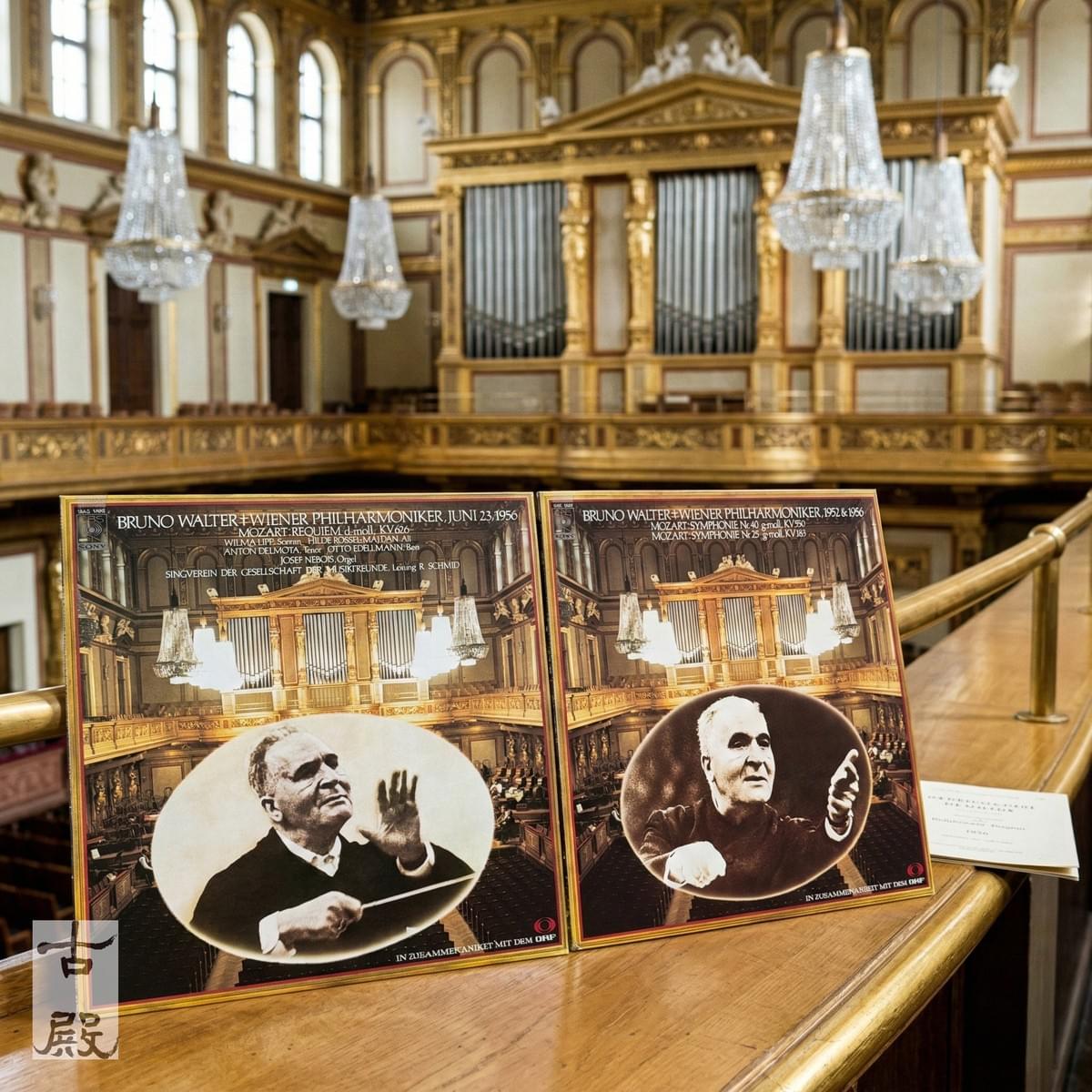
實體音樂:
實體音樂:
*******
[Classical Palace Music Stories] The Dream Records: Walter, the Vienna Philharmonic's Mozart, and a Sound Dusted Off After 20 Years
Picture this: It’s March 1975, and something quietly profound is happening in the Japanese record industry.
CBS/SONY quietly released two vinyl records in Tokyo. The cover design was classic and dignified—the front featured the golden brilliance of Vienna's Musikverein, with a circular photo of an old man wielding a baton. The back was laid out like a strip of film, capturing the dynamic expressions of that same old man in different fleeting moments. These two records are exactly what you see right in front of you:
- Bruno Walter conducting the Vienna Philharmonic: Mozart’s Symphony No. 40 and No. 25
- Bruno Walter conducting the Vienna Philharmonic: Mozart’s Requiem K.626
In our fast-paced world, they might just look like ordinary old records. But behind every single one hides a deeply moving story of exile, homecoming, sheer obsession, and music. This is a set of historical recordings people call the "Dream Records," and their very existence is practically a miracle.
Grab a cup of coffee, sit back, and let me tell you their story.
I. Who was that 80-year-old man?
Bruno Walter (1876-1962). For many classical music lovers, just hearing this name brings a sense of warmth.
He was born into a Jewish family in Berlin. He started learning music at eight, decided to be a pianist at nine, and later pivoted to conducting. By seventeen, he was already on the podium at the Cologne Opera. The very next year, he went to Hamburg and became the assistant to the legendary Gustav Mahler. That mentorship didn't just change Walter’s life; it altered the course of music history.
Mahler wasn't just his boss; he was his spiritual guide. Walter followed him everywhere, witnessing the absolute pinnacle of conducting art of that era. When Mahler passed away in 1911, he left behind two unfinished masterpieces: The Song of the Earth and Symphony No. 9. The world premieres for both were entrusted to Walter.
From then on, Walter became one of the hottest conductors in Europe, collecting titles like Artistic Director of the Bavarian State Opera, the Leipzig Gewandhaus Orchestra, and the Vienna State Opera. He was even part of founding the Salzburg Festival. Back then, before politics tore everything apart, he was the very soul of Vienna.
And then, everything changed.
II. Exile: The Turbulent Years of a Conductor
In 1933, the Nazis took power in Germany. Sensing the danger, Walter, who was Jewish, fled to Vienna. But five years later, in March 1938, the Nazis annexed Austria. Forced to run again, he went to France. Soon after, France fell too, and in 1939, he finally escaped to the United States, where he settled down and became a citizen in 1946.
Before his escape, his final memories of Vienna were pure humiliation.
In 1937, while he was conducting Tristan und Isolde at the Vienna State Opera, Nazi sympathizers threw foul-smelling gas bombs into the theater. The singers inhaled so much gas they literally couldn't sing the final "Liebestod" (Love-Death) aria. The orchestra just had to keep playing alone. Before his very last concert with the Vienna Philharmonic, he received signed death threats, while Nazi supporters loudly sang protest songs right outside the doors. A friend who was there later told him, "You were pale as a ghost while you conducted."
Carrying those deep wounds, he left Europe behind.
After World War II, he refused to move back to the place that broke his heart, choosing instead to live his final years in America and only returning to Europe for periodic guest appearances. But every time he stepped back into Vienna, all that pain and resentment transformed into something else—it poured out as pure music.
III. The Return: The Moment the Whole Room Stood Up
May 18, 1952. The Golden Hall of the Musikverein in Vienna.
Yoichiro Omachi (1931-2022), who was just a young conducting student studying in Vienna at the time, later wrote about an unforgettable scene in the record's liner notes:
"When Walter finally appeared on stage for the performance, the entire audience spontaneously stood up, welcoming the master back to Vienna with a massive, thunderous applause. I had never seen anything like it in Vienna. Shaking with emotion, I stood and clapped too. No one planned this; it was simply the sheer weight of the master’s presence. For the Viennese audience, it was an unforgettable event."
Think about the sheer weight of that applause. It wasn't just a polite welcome for a good musician. It was a city apologizing to a man they had cruelly cast out. It was thousands of people collectively saying, "We are so sorry. Welcome home."
And the piece they played together that night? Mozart’s Symphony No. 40. The microphones of the Austrian Broadcasting Corporation (ORF) quietly captured every single second of it.
IV. The 40th: That Heartbreakingly Beautiful Upward Glide
Mozart’s Symphony No. 40 (in G minor, K.550) is one of the most played, most talked about, and frankly, hardest pieces to get "right" in all of classical music. Everyone knows the melody. But capturing Mozart's anxiety, sorrow, elegance, and raw life force across four movements? Incredibly difficult.
One of Japan's most influential classical critics, Koho Uno, wrote a famous line about the first movement of Walter's version:
"Carried by the rippling of the cellos, the violins begin to sing the first theme as if taking flight. Oh, the charm of that upward portamento (sliding note)! ... It is the piercing yearning of Mozart’s soul desperate to fly to a world of absolute beauty. And because that yearning is so intense, it makes the listener feel an overwhelming sorrow. To yearn for the highest beauty is, in itself, a tragedy—it becomes a desperate prayer."
Let’s talk about that portamento for a second. It's a technique where notes aren't played perfectly separated; they glide and bleed into one another naturally, almost like human breath. Modern, hyper-precise digital recordings have practically killed off this organic sound, trading genuine soul for clinical perfection. But in 1952, the Vienna Philharmonic still played with this deeply human, natural warmth. Combined with Walter’s profound understanding of Mozart, this recording offers a 3D, emotional landscape you simply cannot find in modern music.
Koho Uno concluded his review with the highest praise a notoriously strict critic could give: "If we do not call this the eternal No. 40, what else could possibly be called the ideal performance?"
Side B features Symphony No. 25 (also in G minor), recorded live at the Salzburg Festival in July 1956. Written when Mozart was just 17, it has unbelievable depth. Both pieces share that dark, beautiful melancholy. Pairing them together was no accident.
V. Requiem: An Old Man’s Final Comforting Notes
1956 marked the 200th anniversary of Mozart’s birth, and all of Europe was celebrating. That same year, an 80-year-old Bruno Walter conducted Mozart’s Requiem three separate times within just a few months.
The first was in New York, a pristine commercial recording. The third was in Salzburg. But the second—that was on June 23, 1956, in Vienna’s Golden Hall, conducting the Vienna Philharmonic. That is exactly what is captured on the second record you see here.
Legend says Mozart believed he was writing the Requiem for his own funeral. So, when an 80-year-old conductor repeatedly performs this piece at the very end of his own life, what kind of emotions are flowing through that baton?
Pianist Mayako Muroi, who was there in the audience, wrote a touching account:
"A petite, frail-looking old man appeared on stage... His steps were so unsteady it broke your heart; you worried if he could even make it through. But the moment he raised his baton, he wasn't an old man anymore. The intense, gorgeous tone and raw, vibrant beauty of the opening shocked me... There was a majesty to it, like a man confronting life itself. What kind of energy was hiding inside him? I was so stunned I completely forgot to clap."
She later found out it was one of Walter's final performances in Europe. "I will forever thank God," she wrote, "that I got to hear Walter like that."
VI. The Birth of the Dream Records: Five Years of Letters and Calls
For almost twenty years, these recordings just sat collecting dust in the ORF radio archives, completely unreleased.
The man who changed that was Norio Oga. He was the president of SONY, but he was also a trained baritone, a conductor, and later one of the key inventors of the CD. He knew these dusty radio tapes were a precious piece of human history that shouldn't be locked in a warehouse.
So, his team at CBS/SONY started negotiating. Remember, this was before email. Everything relied on slow airmail and incredibly expensive international calls. They fought for five grueling years. Even inside the company, people were saying, "Just drop it, it's not worth it."
Finally, Oga personally stepped in and secured the world's first official authorization. In 1975, these recordings were finally pressed into vinyl. When some people complained that these old mono recordings were priced the same as modern stereo ones, a veteran music critic simply responded: "They pulled off an epoch-making miracle to get this to us. Why on earth are you complaining about the price?"
VII. Why Are These Two Records Still So Precious Today?
Fifty years later, why do we still care?
- They Preserve a Vanishing Tradition: The warm, gliding strings and the intimate, chamber-music-like transparency among the musicians are a direct continuation of 19th-century Vienna. That deeply human sound practically vanished after the 1950s.
- They Capture Unrepeatable History: That 1952 concert wasn't just music. It was a spiritual homecoming and a city's apology, and that heavy history seeped into every single note.
- The Only LP Version in the World: While CDs came later, this original Japanese LP is the only vinyl version in existence, complete with those deeply emotional essays that were lost in later digital reissues.
- They Shaped a Nation's Listening Culture: Koho Uno’s essay set the standard for an entire generation of Japanese classical music fans on how to appreciate Mozart.
- They Invented the "Radio Archive" Record: SONY spent five years hacking through the jungle to prove that radio archives could be shared with the world. Every historical live recording we enjoy today traces its roots back to the trail SONY blazed here.
- A Living Mentorship: The great Karl Böhm learned his profound understanding of Mozart directly from working under Walter. When you listen to this, you are hearing the source water of a great musical lineage flowing from Mahler to Walter, to Böhm, and into the modern day.
VIII. Walter's Mozart: Romantic, but Never Sentimental
After all these stories, how did Walter actually view Mozart? His student Karl Böhm summed it up in one sentence: "Mozart is romantic, but not sentimental."
That’s why this Symphony No. 40 doesn't sound like endless weeping. It sounds like a beautiful ache. It’s not cheap sentimentality; it’s a deep, romantic spirit that touches the core of what it means to be alive.
The Takeaway: History in Sound, Sound in History
When you get home from a draining day at work, feeling exhausted by the endless grind and the notifications constantly pinging on your phone, putting on a record like this does something magical. It pulls you out of the noise. It slows your breathing. It relaxes your shoulders. You stop calculating and start feeling again.
A vinyl record doesn't just store audio frequencies; it stores a moment in time. The footsteps of a frail old man walking onto a stage, the heavy silence before a crowd stands up to apologize, the warm air moving in the Golden Hall. It's all trapped in those little black grooves, just waiting for you to wake it up.
Walter passed away in 1962. We are half a century removed from those nights, yet through these records, time stands still. They prove that true music can make history speak, and more importantly, it can turn our deepest pains into the most incredible beauty.