
【古殿唱片音樂故事】一場彷彿施展「音樂魔法」般的音樂會:亞瑟魯賓斯坦(Arthur Rubinstein,1887-1982)1964年莫斯科音樂院大廳現場實況
古殿殿主
一個已經彈了將近七十年蕭邦的鋼琴家,走進了蘇聯最神聖的音樂殿堂。
那年他77歲。
台下坐著蘇聯最頂尖的音樂家。其中有一位,是1949年華沙國際蕭邦大賽的金牌得主——貝拉·達維多維奇(Bella Davidovich,1928-)。她自己也彈蕭邦,彈了一輩子。
那晚,魯賓斯坦彈了降D大調夜曲 Op.27 No.2。
多年後,她接受美國權威樂評家大衛·杜包(David Dubal)專訪,被問到那場音樂會記得最清楚的是什麼。她說:
「那首曲子他肯定已經彈過千百遍,但是那晚的演繹仍是那麼清新無比。我自己也彈夠了那首樂曲,人人都彈,可是魯賓斯坦彈得讓我覺得從來沒有聽過似的。簡直找不到字眼來形容他的演奏,只覺得他像年輕人,而不是八十歲高齡的老翁。彈得那麼美妙,真是不可思議。我永遠忘不了聽他演奏那首夜曲時的感受,竟像是第一次聽似的。這也給我上了難忘的一課:演奏一首樂曲時,如果能夠使一個人產生大吃一驚的新鮮感,這個音樂家就可以說取得了成功。」
一個彈了一輩子蕭邦的人,聽另一個彈了一輩子蕭邦的人演奏,然後說:「像是第一次聽似的。」
這就是那場神奇的音樂會。
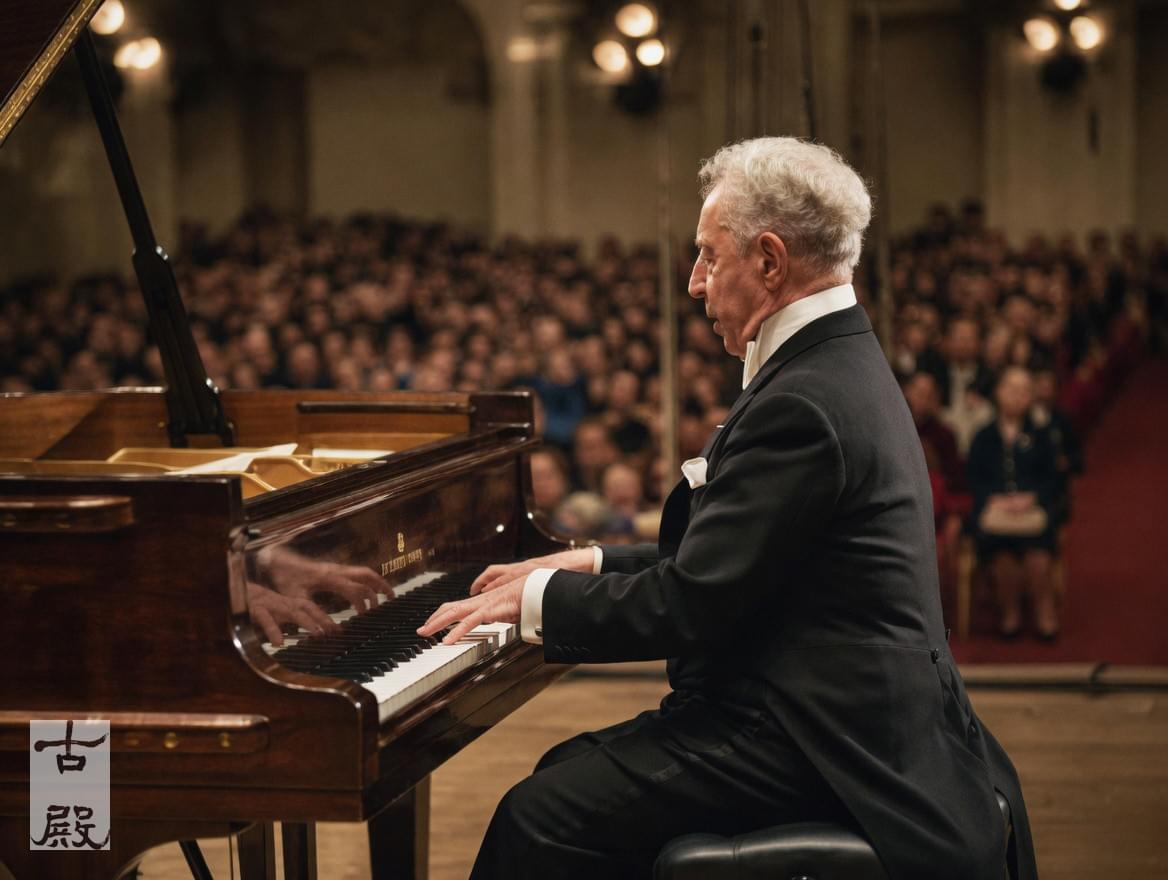
一、一位波蘭猶太人,帶著蕭邦,走進冷戰的蘇聯
1964年秋天,亞瑟·魯賓斯坦(Arthur Rubinstein)踏上了蘇聯的土地。
那是冷戰最緊繃的年代。古巴導彈危機過去不到兩年,甘迺迪遇刺才剛滿一年。一個波蘭裔美國猶太人,帶著蕭邦,走進莫斯科音樂院大廳——這個行為本身,就是一個歷史事件。
1964年10月1日,他在莫斯科音樂院大廳舉行了那場獨奏會。蘇聯全國廣播電台全程錄音,蘇聯國家電視台同時拍攝了這場音樂會的黑白影像。蘇聯體制下的電視台的拍攝不需要徵得他的同意。
台下坐著的,是蘇聯音樂界在莫斯科的一流精英,都跑來朝聖。
魯賓斯坦知道這一點。他特別選了全場蕭邦。
二、他的雙手,承載著從貝多芬延伸下來的師承
魯賓斯坦1886年生於波蘭羅茲,13歲(1899)就與柏林愛樂合作首演。引薦他的,是德國的音樂領袖小提琴家約瑟夫·姚阿幸(Joseph Joachim,1831-1907)——布拉姆斯的摯友,當時歐洲最後直接連結古典時代的音樂家之一。
他在德國時的鋼琴老師是卡爾·海因里希·巴爾特(Karl Heinrich,Barth1847-1922)。巴爾特是李斯特的學生。李斯特師從徹爾尼。徹爾尼,是貝多芬的學生。另外,而他自小在波蘭演奏蕭邦。
1964年,那雙走上莫斯科舞台的手,承載著一條從貝多芬本人一路延伸下來與家鄉蕭邦的傳承。那不是比喻,透過觸鍵的方式、重量的運用、音色的塑造,通過人與人之間的直接接觸,一代傳一代,帶到了那個秋天的莫斯科音樂學院大廳的舞台上。
三、那晚他彈了什麼?
音樂會曲目幾乎是全場蕭邦,加上幾首安可:
正式曲目:波蘭舞曲(f♯小調 Op.44)、即興曲(Op.51)、夜曲(降D大調 Op.27 No.2)、第二號鋼琴奏鳴曲(降B小調 Op.35,含送葬進行曲)、舟歌(Op.60)、四首練習曲、圓舞曲。
安可曲:舒曼〈夜晚〉、蕭邦圓舞曲、德布西〈水妖〉、維拉羅伯斯〈普爾欽奈拉〉。
正式曲目是蕭邦核心,安可曲卻橫跨舒曼、德布西、南美洲的維拉羅伯斯。這不是炫耀,這是魯賓斯坦一生趣味的縮影——他從年輕時就是西班牙與南美洲作曲家最早的西方擁護者之一。
那個降D大調夜曲,讓一個彈了一輩子蕭邦的蘇聯鋼琴家,說出了「像是第一次聽似的」。
四、一個音都沒彈錯,卻什麼魔力都沒有
貝拉·達維多維奇說的那句話,值得再細讀一遍——但要先知道她是誰?
她是1949年華沙國際蕭邦大賽的金牌得主。那是二戰結束後第一次重新舉辦的蕭邦大賽,她從全世界最頂尖的蕭邦演奏家中脫穎而出。她自己演奏蕭邦夜曲,不是幾十次,而是上千次。她知道這首曲子的每一個和聲、每一個呼吸、每一個可能的詮釋方式。
就是這樣一個人,在1964年莫斯科音樂院大廳,聽魯賓斯坦彈完那首降D大調夜曲之後,說:「竟像是第一次聽似的。」
這才是這場音樂魔法最神奇的地方。
讓一個從未聽過蕭邦的人感動,並不難。但讓一個自己也彈過這首曲子上千次的世界級演奏家,在聆聽的當下產生「我從來沒有聽過這首曲子」的感受——這是另一個層次的事。她的耳朵,早就對這首曲子建立了最嚴苛的聆聽標準;她的身體,早就記住了每一個音符應該怎麼走。要穿透這樣一個聆聽者,讓她的所有既有認知在那一刻瞬間失效——這不是技術,這是音樂的魔法。
魯賓斯坦做到了,而那年他高齡77。
今天的音樂競賽與唱片工業,建立在一套完全相反的標準上。音符必須準確,技術必須無懈可擊,錄音可以剪接修補到「完美」為止。我們得到了一代又一代音符零失誤的鋼琴家,幾乎每一次都可以彈得一模一樣,但再也辦法「像是第一次聽似的」。
這種音樂魔法,在今天幾乎已經絕跡。不是因為今天的音樂家不夠努力,而是因為整個評價體系已經把「魔力」這件事排除在外了。所以它從評審標準裡消失,然後從舞台上消失,然後從聽眾的記憶裡消失。
魯賓斯坦屬於另一個時代——一個演奏家的價值,不是由音符準確率決定的時代。那個時代的聲音,被蘇聯的麥克風記錄下來。
五、這場音樂會,在蘇聯沉默了二十年
那晚的錄音,在蘇聯體制裡沉默了整整二十年。
1964年,Melodiya 發行了第一張唱片——但只有精選,深藍色銀字標籤,唱片本體非常厚重。但完整的全場,沒有發行。
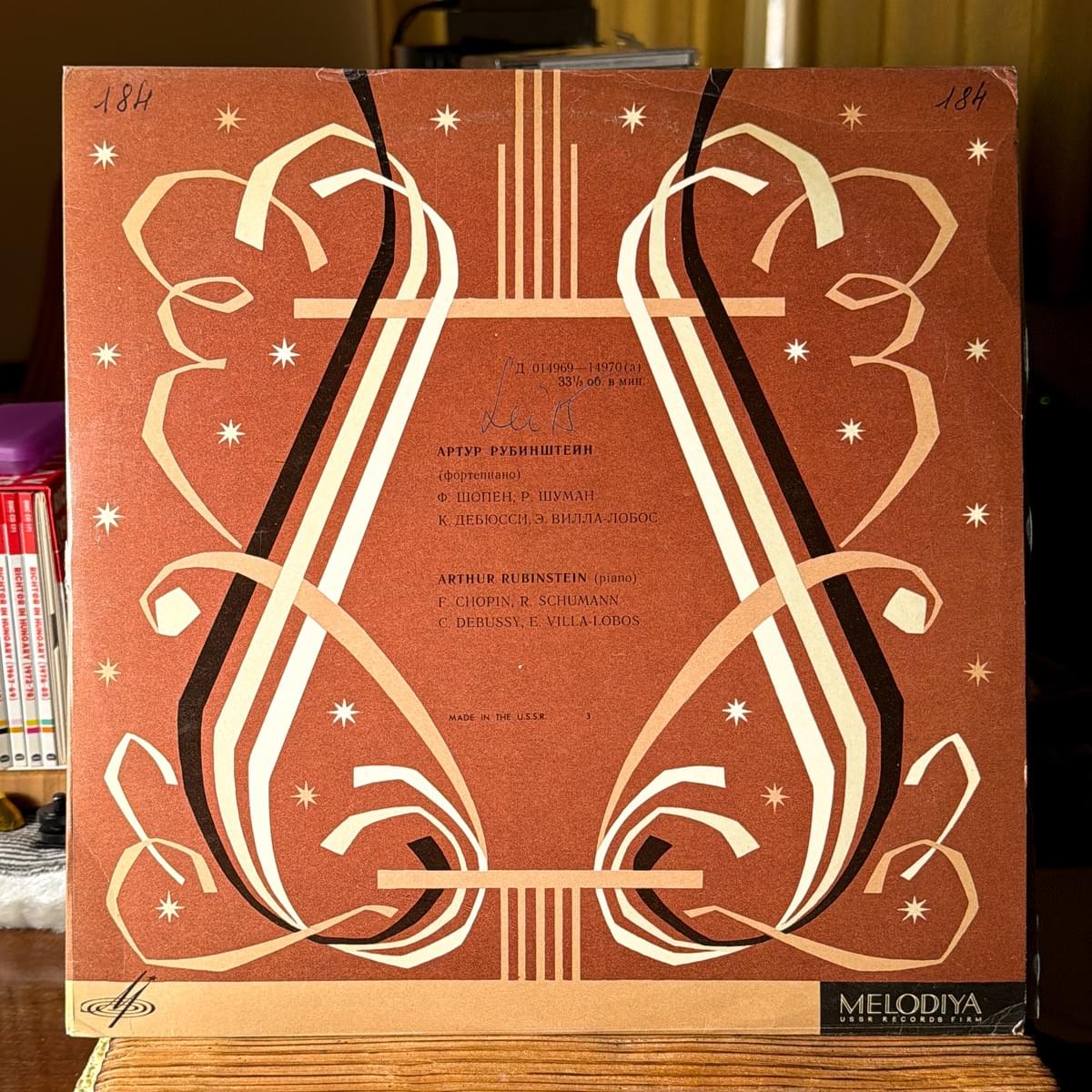
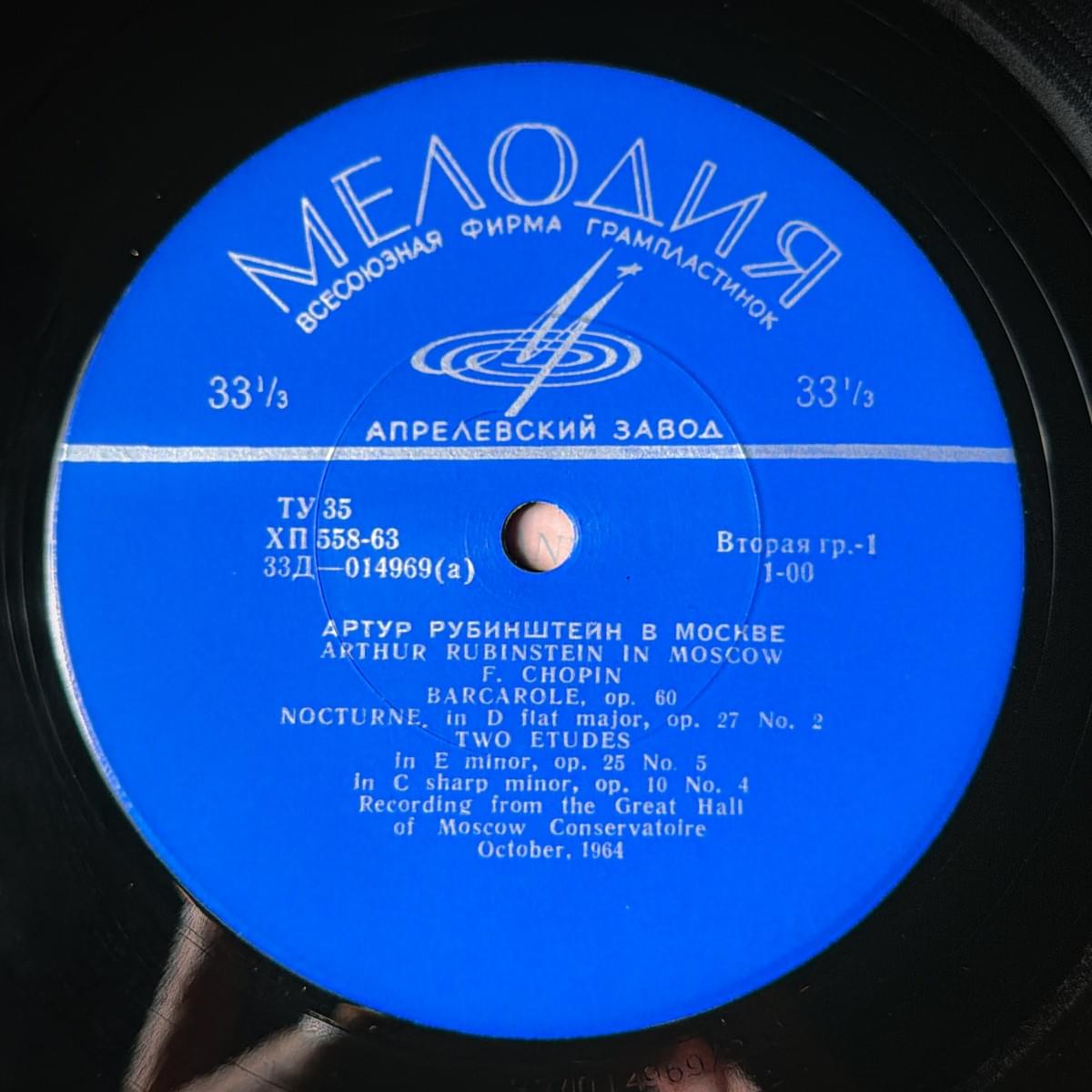
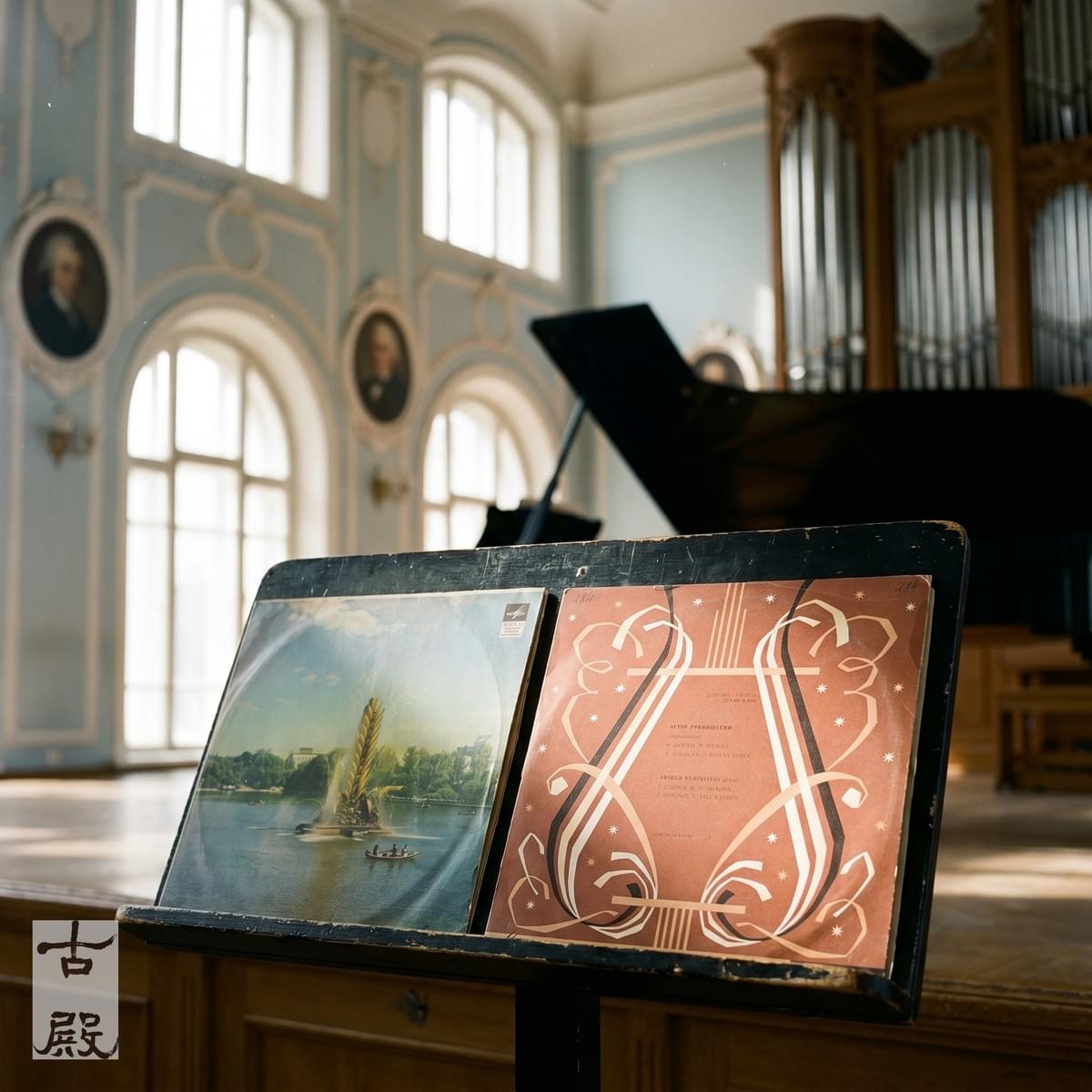
一直到1984年,Melodiya 又首次以雙張黑膠套裝的形式,完整發行了那個夜晚的全場錄音。
2010年,這個錄音又在俄羅斯的melodiya首次被製成CD,以蕭邦誕生200週年紀念版形式發行。但與1984年的蘇聯時代黑膠原版相比,現場的空氣氛圍與細節,差距很大。
當年Melodiya作為蘇聯國營唱片公司,製作流程與西方商業體系根本不同——他們沒有那麼多商業考量,基本上就是把磁帶母帶盡可能直接製作出來。這個「沒有多餘動作」,反而讓1984年的黑膠保存了那個夜晚更完整的現場空氣氛圍。
六、音樂魔力,才是音樂真正的偉大奧秘
貝拉·達維多
維奇今年98歲,仍然在世。
她1978年離開蘇聯,輾轉移居美國,1982年開始在茱莉亞音樂學院任教。當年那個在莫斯科音樂院大廳聽魯賓斯坦彈夜曲的年輕鋼琴家,後來成為了國際知名的演奏家與教育家。
但她說,那晚那首夜曲,她永遠忘不了。
音樂最迷人也最具力量之處,就是感動人,讓一瞬間成為永恆。魯賓斯坦在那個1964年的莫斯科秋夜,用一首已經彈過千百遍的夜曲,讓台下的世界級蕭邦演奏家覺得——這是永遠忘不了的第一次。
這個「音樂魔力」,或許才是音樂真正的偉大奧秘。它無法被評分表衡量,無法被技術分析捕捉。音樂之所以永遠持續重要、持續偉大的真正原因。
音樂若是代表人的生命狀態,那這種活生生的氛圍,也完整傳達了一個真實的歷史狀態。而我們只要透過聆聽,就可以回到過去,進而體驗與感受。
那個魔力,在黑膠的聲音裡,還在。這種彷彿是時空穿越的狀態,也是音樂與聲音的另外一種魔力。
******
[Ancient Palace Records — Music Stories] A Concert Leading Us Into "Music Magic": Arthur Rubinstein (1887–1982) Live at the Great Hall of the Moscow Conservatory, 1964
Imagine
a pianist who had been playing Chopin for nearly seventy years, walking into the most sacred musical temple of the Soviet Union.
He was 77 years old that year.
Sitting in the audience were the absolute finest musicians of the Soviet regime. Among them was Bella Davidovich (1928–), the gold medalist of the 1949 International Chopin Piano Competition in Warsaw. She, too, had been playing Chopin her entire life.
That evening, Rubinstein performed the Nocturne in D-flat major, Op. 27 No. 2.
Years later, during an exclusive interview with the authoritative American music critic David Dubal, she was asked what she remembered most vividly about that concert. She replied:
"He must have played that piece thousands of times, yet his performance that evening was incredibly fresh. I myself had played that work enough, everyone plays it, but Rubinstein played it in a way that made me feel as if I had never heard it before. It is simply impossible to find words to describe his playing; he felt like a young man, not an eighty-year-old elder. It was so wonderfully played, it was truly unbelievable. I will never forget how I felt listening to him play that Nocturne—it was as if I were hearing it for the very first time. It also taught me an unforgettable lesson: if a musician can make a listener experience a sense of utter surprise and freshness when performing a piece, that musician can be said to have succeeded."
A person who has played Chopin for a lifetime listens to another person who has played Chopin for a lifetime, and says: "It was as if I were hearing it for the very first time."
That is the essence of that magical concert.
1. A Polish Jew, Carrying Chopin into the Soviet Union of the Cold War
In the a
utumn of 1964, Arthur Rubinstein set foot on Soviet soil.
Those were the tightest, most suffocating years of the Cold War. The Cuban Missile Crisis had passed less than two years prior; John F. Kennedy had been assassinated just a year earlier. A Polish-born American Jew, bringing Chopin into the Great Hall of the Moscow Conservatory—this act in itself was a massive historical event.
On October 1, 1964, he held that historic recital. The Soviet National Radio recorded the entire event, and Soviet State Television simultaneously captured black-and-white footage of the concert. Under the Soviet system, television stations didn’t need his permission to film.
Sitting beneath the stage were the crème de la crème of the Soviet musical elite in Moscow, all arriving as if on a pilgrimage.
Rubinstein knew this. He deliberately chose an all-Chopin program.
2. His Hands: Carrying a Lineage Extending Straight from Beethoven
Rubinste
in was born in Łódź, Poland, in 1886. By the age of 13, in 1899, he made his debut with the Berlin Philharmonic. The person who introduced him was the legendary German musical leader and violinist Joseph Joachim (1831–1907)—Johannes Brahms' closest friend and one of the last musicians in Europe to connect directly back to the Classical era.
During his time in Germany, Rubinstein's piano teacher was Karl Heinrich Barth (1847–1922). Barth was a student of Franz Liszt. Liszt had studied under Carl Czerny. And Czerny was a direct student of Ludwig van Beethoven. On top of that, Rubinstein had been playing Chopin in his homeland since his childhood.
In 1964, those hands walking onto the Moscow stage carried a sacred lineage that stretched all the way from Beethoven himself, interwoven with his native Polish Chopin. This wasn't a mere metaphor. Through the way he touched the keys, his utilization of weight, and his shaping of tone, this lineage was passed down from human to human, generation to generation, and finally brought to the stage of the Great Hall of the Moscow Conservatory on that autumn evening.
3. What Did He Play That Night?
The conc
ert program was almost entirely dedicated to Chopin, alongside several encores:
Official Program: Polonaise in F-sharp minor, Op. 44; Impromptu, Op. 51; Nocturne in D-flat major, Op. 27 No. 2; Piano Sonata No. 2 in B-flat minor, Op. 35 (including the Funeral March); Barcarolle, Op. 60; Four Études; and a Waltz.
Encores: Schumann’s Des Abends (In the Evening), a Chopin Waltz, Debussy’s Ondine, and Heitor Villa-Lobos’ Polichinelle.
While the official program centered on the core of Chopin, his encores spanned across Schumann, Debussy, and the South American flavor of Villa-Lobos. This wasn’t a display of superficial virtuosity; it was a microcosm of Rubinstein's lifelong musical curiosity. Since his youth, he had been one of the earliest Western champions of Spanish and South American composers.
And it was that very D-flat major Nocturne that made a Soviet pianist who had played Chopin her entire life say, "It was as if I were hearing it for the very first time."
4. Zero Wrong Notes, Yet Completely Stripped of Magic
The stat
ement by Bella Davidovich is worth reading closely once more—but first, we must understand who she was.
She was the gold medalist of the 1949 Warsaw International Chopin Competition. That was the very first Chopin Competition held after the end of World War II, and she emerged victorious among the absolute top Chopin interpreters in the world. She had performed Chopin's Nocturnes not dozens of times, but thousands of times. She knew every single harmony, every breath, and every possible interpretive pathway of that music.
It was precisely such a person who, after listening to Rubinstein play that D-flat major Nocturne in 1964, said, "It was as if I were hearing it for the very first time."
This is where the true wonder of this musical magic lies.
It isn't difficult to move someone who has never heard Chopin before. But to make a world-class performer—someone who has played this exact piece thousands of times—experience the profound feeling of "I have never heard this piece before" while listening in the moment... that is an entirely different level of artistry.
Her ears had long established the most rigorous listening standards for this music; her body had long memorized exactly how every note should flow. To pierce through the armor of such a listener, causing all her preexisting knowledge to instantly vanish in that fleeting second—that isn't a matter of technique. That is the magic of music.
Rubinstein achieved this, and he did it at the grand age of 77.
Today's music competitions and recording industries are built upon an entirely opposite set of standards. Notes must be pinpoint accurate, technique must be flawless, and recordings can be edited and patched up until they reach a sterile "perfection." We have obtained generation after generation of pianists who achieve zero note errors and can perform identically almost every single time, but they no longer possess the power to make us feel "as if we are hearing it for the very first time."
This kind of musical magic has virtually gone extinct today. It’s not because today's musicians don't work hard enough, but because our entire evaluation system has completely excluded the concept of "magic" altogether. Consequently, it vanished from judging criteria, then vanished from the stage, and eventually faded from the listeners' memories.
Rubinstein belonged to a different era—an era where a performer's value was not dictated by their note-accuracy percentage. The voice of that era was captured by the Soviet microphones.
5. This Concert: Silenced in the Soviet Union for Twenty Years
The reco
rding of that night remained silent within the Soviet system for a full two decades.
In 1964, Melodiya issued a single LP—but it was only a selection of highlights, featuring a deep blue label with silver lettering, pressed on very heavy vinyl. The complete, uncut concert was left unreleased.
It wasn't until 1984 that Melodiya finally released the complete recording of that entire evening for the first time, in the form of a 2-LP box set.
In 2010, this recording was transferred to CD for the first time by Russia's Melodiya, released as a commemorative edition for the 200th anniversary of Chopin's birth. However, compared to the original 1984 Soviet-era vinyl pressing, the ambient atmosphere of the hall and the minute acoustic details suffer from a staggering gap.
Back then, as a state-owned Soviet record company, Melodiya’s production process was fundamentally different from the Western commercial system. They didn't have so many commercial considerations; they essentially transferred the master tapes as directly as possible onto the vinyl stampers. This "absence of unnecessary manipulation" is precisely why the 1984 vinyl preserved the live, breathing air and atmosphere of that evening with unparalleled completeness.
6. Musical Magic: The True, Grand Mystery of Music
Bella Da
vidovich is 98 years old this year and is still with us.
She left the Soviet Union in 1978, eventually relocating to the United States, and began teaching at The Juilliard School in 1982. The young pianist who once sat in the Great Hall of the Moscow Conservatory listening to Rubinstein's Nocturne later became an internationally renowned performer and educator.
Yet she stated that she could never, ever forget that Nocturne from that night.
The most captivating and powerful attribute of music is its ability to move human beings, turning a singular, fleeting moment into eternity. On that autumn night in Moscow in 1964, using a Nocturne he had already played thousands of times, Rubinstein made a world-class Chopin specialist in the audience feel that it was an unforgettable "first time."
This "musical magic" is perhaps the true, grand mystery of music. It cannot be measured by a scorecard, nor can it be captured by technical analysis. It is the real reason why music continuously matters and remains permanently great.
If music represents a person's living state of being, then this vibrant, living atmosphere also fully transmits an authentic historical reality. And simply by opening our ears and listening, we can return to the past, thereby experiencing and feeling it fully.
That magic is still alive within the sound of that vinyl record. This state of being—which feels almost like time travel—is another layer of the deep magic of music and sound.