
柯爾托的「錯音」
「EMI知道這個故事可能是假的,但還是把它印出來了?——柯爾托的『錯音』,是一個被製造出來的標籤」
古殿殿主
一個可能是虛構的故事
有一個關於柯爾托的故事,在古典音樂圈廣為流傳。
那是一場皇家愛樂協會的音樂會。柯爾托與指揮家畢勤(Sir Thomas Beecham,1879-1961)合作演出舒曼鋼琴協奏曲。畢勤照慣例不看譜指揮。演奏途中,柯爾托發生記憶失誤,最終不得不重新開始。
事後,有人問起這件事。據說畢勤回答道:
「事實上,他開始彈貝多芬,所以我指揮了貝多芬。接著他轉向舒曼,於是我指揮了舒曼。隨後他又彈起了各種各樣的協奏曲。只要我知道他在彈什麼,我就跟著指揮。最後他開始彈一首我完全不熟悉的協奏曲,所以我只好退出了。」
這個故事被反覆引用,成為「柯爾托=錯音」這個形象最具代表性的軼事。
但有一個細節,幾乎所有引用這個故事的人都略過了。
1969年,柯爾托去世後七年,EMI為他出版了一套黑膠轉錄唱片。在隨附的解說文字裡,這個畢勤故事被特別登出——但用的是這樣的措辭:「不論這則故事是否屬實……」
這句話值得停下來想一想。
EMI知道這個故事可能是虛構的。他們仍然選擇把它登在唱片解說裡。
而且此時,柯爾托本人已經去世,無法出面澄清。當年力排眾議、選擇發行那些有錯音但藝術上精彩錄音的製作人蓋斯伯格,也早已不在人世。EMI已經改朝換代,新一代的經營者接手了這個品牌與這批錄音。
他們選擇的,是把這個「可能是虛構的」故事印在唱片解說裡。
為什麼?
因為這個故事有話題性。人們喜歡這樣的八卦——一個大師級的鋼琴家,在音樂廳裡記憶大亂,連指揮都不知道他在彈什麼。這個畫面太有趣了,太好轉述了,太容易讓人記住了。在商業上,「錯音」是一個有價值的話題,它讓人好奇,讓人想聽,讓唱片好賣。
這張1969年的唱片解說,本身就是一個最清楚的證據:「錯音」這個標籤,不只是評論家無心製造的,連唱片出版商也在有意識地消費它、傳播它。一個可能是虛構的故事,在柯爾托死後繼續被印刷、繼續流通、繼續加深那個印象——而且是以「偉大藝術家紀念版」的形式,堂而皇之地出現在唱片封套裡。
當然,柯爾托確實有錯音。這不是在替他辯護,也不是在否認事實。
但「有錯音」和「錯音是他的核心標籤」,是兩件性質完全不同的事。前者是一個具體的技術觀察。後者是一個被媒體、被唱片工業、被商業利益反覆強化的形象——因為「錯音」有話題性,有八卦價值,能吸引流量。
一個藝術家真正的成就,就這樣被一個有商業價值的話題所遮蓋。
這篇文章想做的,不是說柯爾托沒有錯音。而是說:如果你只記得那個標籤,你錯過的,遠比你得到的多。
要理解這個標籤是怎麼被製造出來的,需要追蹤三條線索:唱片工業的選擇、媒體的標籤化、以及柯爾托晚年的精神糾結。
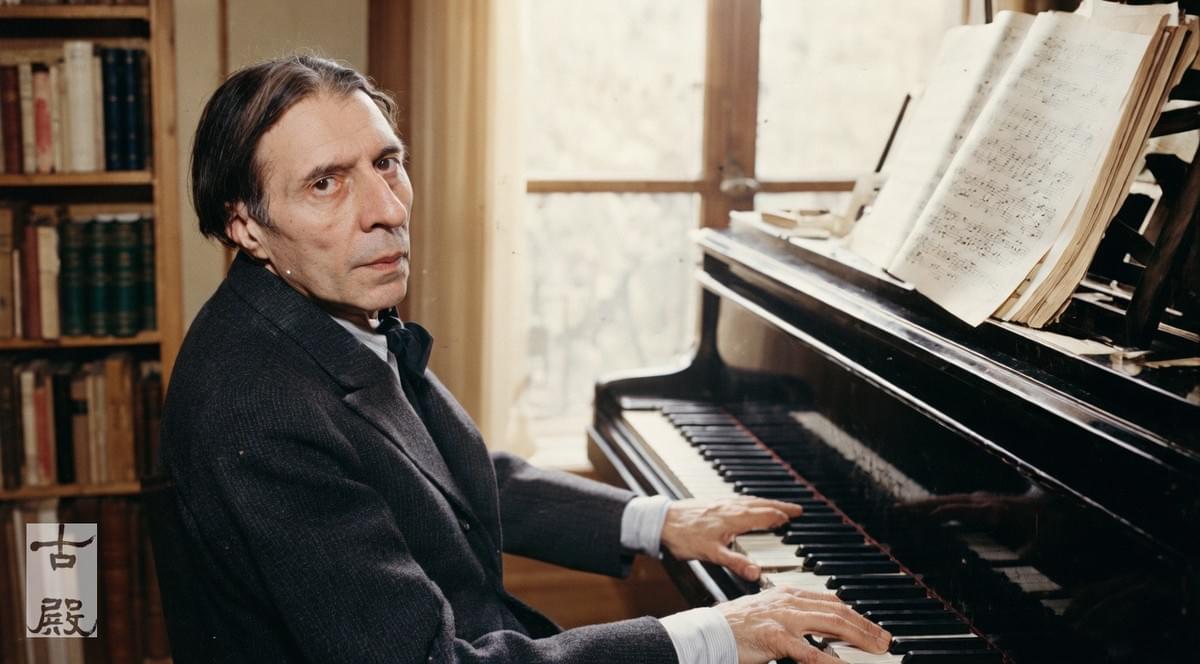
第一條線索:唱片工業的選擇
弗雷德·蓋斯伯格(Fred Gaisberg,1873-1951)是HMV的傳奇製作人,二十世紀古典音樂錄音史上最重要的推手之一。他做了一個決定,深刻地塑造了我們今天所認識的「柯爾托」。
他選擇發行那些有錯音、但音樂上極為精彩的錄音。他的哲學,在唱片史上是獨特的。他把錄音視為「聲音照片」(Sound Photograph)——捕捉的是當下最真實的藝術狀態,而不是一個被反覆修正後的完美標本。
這不是失職,也不是妥協。這是一個清醒的藝術判斷:這個詮釋的整體生命力,比任何技術瑕疵更重要。蓋斯伯格希望柯爾托完整地呈現他對音樂的詮釋,不要因為在意錯音而縮手縮腳。於是,那些有錯音但音樂上令人屏息的錄音,被永久刻入蠟盤,發行出去。
但這個決定有一個副作用。
它讓「柯爾托有錯音」這件事,成為可以被反覆播放、反覆引用的「證據」。每一次有人播放他的錄音,錯音就在那裡,清晰可辨,等待著被注意。
而柯爾托自己,對錄音有一個非常獨特的態度。
他基本拒絕在錄音室回聽自己的演奏。他把選擇保留哪一次錄音的決定,完全交給錄音工程師。理由,是他對「詮釋」本質的一個深刻理解:音樂詮釋是活的、是轉瞬即逝的、是受當下心境影響的,不應該被永久固定下來。將某一次孤立的演出視為典範,對他而言是不可想像的事。
這裡有一個深刻的矛盾,值得停下來想一想:
一個不願意被固定的人,因為被固定下來的錄音,得到了一個永久的標籤。
蓋斯伯格的判斷是對的——那些錄音確實是偉大的藝術。但歷史的弔詭在於,正是這些錄音,讓「柯爾托=錯音」這個印象,在他死後變成一個熱門話題繼續流傳。
第二條線索:媒體如何製造標籤?
「錯音」從一個具體的技術現象,變成對柯爾托整體評價的標籤——這個過程,值得仔細追蹤。
評論家荀伯克(Harold C. Schonberg,1915-2003)在他關於柯爾托的文章裡,有一句話說得很準確:
「那些在平庸之輩身上可能是致命傷的錯音與記憶疏漏,絲毫掩蓋不了柯爾托技術上的輝煌,也無法削弱他音樂造詣中敏銳的感性。這正是衡量柯爾托偉大程度的標竿。」
但不是所有評論家都有荀伯克的眼光。更多的評論,把「錯音」作為一個現成的把手,用它來框定柯爾托的整體形象。
久而久之,「柯爾托有錯音」這件事,從一個具體的技術觀察,變成了一個先入為主的印象。人們在還沒聽他的演奏之前,就已經準備好了這個標籤。
然後是聆聽者之間的分歧。
霍洛維茲(Vladimir Horowitz,1903–1989)——也許是二十世紀技術最無懈可擊的鋼琴家——曾公開宣稱,他在巴黎歌劇院親耳聽到柯爾托演奏蕭邦二十四首前奏曲,那是他一生中見過技術與詮釋「真正不可超越」的演出。
布蘭德爾(Alfred Brendel.1931-2025)說柯爾托是「唯一同時滿足他的頭腦、感官和情感的鋼琴家」。
普萊亞(Murray Perahia)說:「那些瑕疵與他留下的藝術真諦相比,實在微不足道。」
同一個現象,在不同的聆聽者眼中,重量完全不同。
這說明什麼?
「錯音」是一個測試聆聽者價值觀的照妖鏡。
你用什麼標準去聽柯爾托,你就會聽到什麼。如果你的標準是音符的精準度,你會聽到「錯音」。如果你的標準是藝術之美的傳達,你會聽到霍洛維茲說的那個「不可超越」。
這個分歧,在一個人身上體現得最為清楚。那個人,是弗里德里希·顧爾達。
顧爾達的兩件事
弗里德里希·顧爾達(Friedrich Gulda,1930-2000)是二十世紀最重要的鋼琴家之一,以節奏精確、結構嚴整、近乎冷酷的知性著稱。他對自己的要求,是所有同時代鋼琴家中最嚴苛的之一。
他也是柯爾托一生中最狂熱的崇拜者。
他曾追著柯爾托跑,只為了聽他彈琴。在一次電視節目訪談中,當樂評人凱瑟(Joachim Kaiser.1928-2017)問起他與柯爾托的關係時,他說:
「我唯一真心崇拜的古典派同行就是老柯托。我甚至追著他跑,就為了聽他彈琴。」
凱瑟感到困惑:「你竟然會迷戀柯托。他的演奏風格簡直是你的對立面。你一直被認為是節奏精確、結構嚴整的鋼琴家;而柯托是一個自由的、即興的、甚至有時會彈錯一堆音的藝術家。」
顧爾達的回答,是理解「柯爾托與錯音」這整個議題的鑰匙:
「我一點也不介意他彈錯音。他在我聽他的那個時期,確實彈錯很多音,但我完全不在乎。我瘋狂地崇拜他,正是因為你提到的那些特質。他的演奏極具個人色彩,你一聽就知道:這就是柯托!他是如此充滿個性,如此即興。他的每一場音樂會都不一樣。雖然他那次一晚上彈完二十四首前奏曲和二十四首練習曲時,技術已經像一座『廢墟』,但一個男人到了七十歲還能維持那樣,證明他年輕時一定擁有驚人的技術。他是一個自由的靈魂。」
要理解顧爾達為什麼這樣說,需要理解他說的兩件事。
第一件事:真誠。
在同一個訪談裡,凱瑟說顧爾達擁有「神話般的技巧」。顧爾達的回答出人意料:
「我可以對你坦白:那是因為在過去這幾年裡,我從來不展示我的技巧極限。這就是為什麼每個人都覺得我是完美的,這是一個我的「詭計!」」
他還說:「我唯一真心崇拜的古典派同行就是老柯托,是因為他是唯一能把二十四首練習曲和二十四首前奏曲一氣呵成彈完的人。我必須坦白,我一點也不以此為恥:我彈不了那些練習曲。雖然我在琴房裡天天練,但只是為了確認自己『彈不了』。那我幹嘛還要上台彈呢?」
這是極為難得的坦白。一個被所有人認為技術無敵的鋼琴家,公開說「我彈不了蕭邦練習曲」。
他選擇了說出真實。
而柯爾托,是另一種真實:他選擇讓靈魂完全裸露在舞台上,不用技術的完美來保護自己。
兩個人,用不同的方式,選擇了同一件事:面對真實,而不是表演完美。
顧爾達用「詭計」隱藏了自己的極限,但他內心真正崇拜的,恰恰是那個從不隱藏、讓靈魂完全暴露的柯爾托。這個對照,說明了顧爾達的崇拜不是盲目的,而是一個對自己誠實的人,對另一個對自己誠實的人,最深的致敬。
第二件事:藝術之美的傳達,才是終極標準。
這是更根本的一層。
顧爾達對完美的極致追求,不是目的,而是手段。完美是為了什麼?是為了讓藝術之美真正被傳達出去。
所以當他聽柯爾托演奏,他用的不是「有沒有錯音」這把尺,而是「藝術之美有沒有被傳達出去」這把尺。
結果是:柯爾托有錯音,但藝術之美完整地傳達出來了。
在顧爾達的標準裡,這不是瑕疵被原諒,而是根本不構成問題——因為那把尺從一開始就不是在量音符的精準度。
顧爾達比任何人都更有資格說這句話。因為他自己對精準度的要求,比任何人都更嚴苛。一個對自己要求最嚴格的人,說「柯爾托的錯音完全不影響藝術之美的呈現」,這句話的份量,遠比任何外行人說的都重。
顧爾達偷聽到的真相
顧爾達對柯爾托的崇拜,有一個具體的事件,把這一切說得更清楚。
他曾在維也納音樂之友協會的後台,打聽到柯爾托在哪裡練習,然後大膽地去敲門:「大師,如果我在旁邊聽您練習,會打擾您嗎?」
柯爾托看著這個厚臉皮的年輕學生,手握著琴房門把,在關門前說了一句話:
「親愛的,如果您請人吃晚餐,是不會請他進廚房看的。」
然後輕輕關上了門。
顧爾達大失所望,但沒有離開。他站在門外,偷聽。
他以為會聽到什麼?也許是詩意的音樂,也許是神奇的聲音,也許是某種只有大師才能發出的東西。
他聽到的,是極其緩慢、單調、枯燥的音階和分解和弦練習。一遍又一遍。幾個小時。
顧爾達後來說:「原來詩意是自己長出來的(die Poesie kam von selbst),技術卻需要這樣枯燥地磨練。」
這個故事,揭示了「柯爾托的錯音」最容易被誤解的一個面向:
柯爾托的錯音,不是因為他不練習。
他的練習,比任何人想像的都更嚴格、更枯燥、更徹底。顧爾達隔著門聽到的,是一個把技術基礎練到骨子裡的人在做的事。
那些「錯音」,是因為當他走上舞台,他把所有的注意力放在了更高層次的事情上——音樂的靈魂、詩意的傳達、當下的創造——然後讓手指承擔了這個選擇的代價。
這不是技術的失誤,而是一個優先順序的選擇。
柯爾托選擇讓音樂活著,而不是讓音符精準。在他的優先順序裡,前者永遠比後者重要。
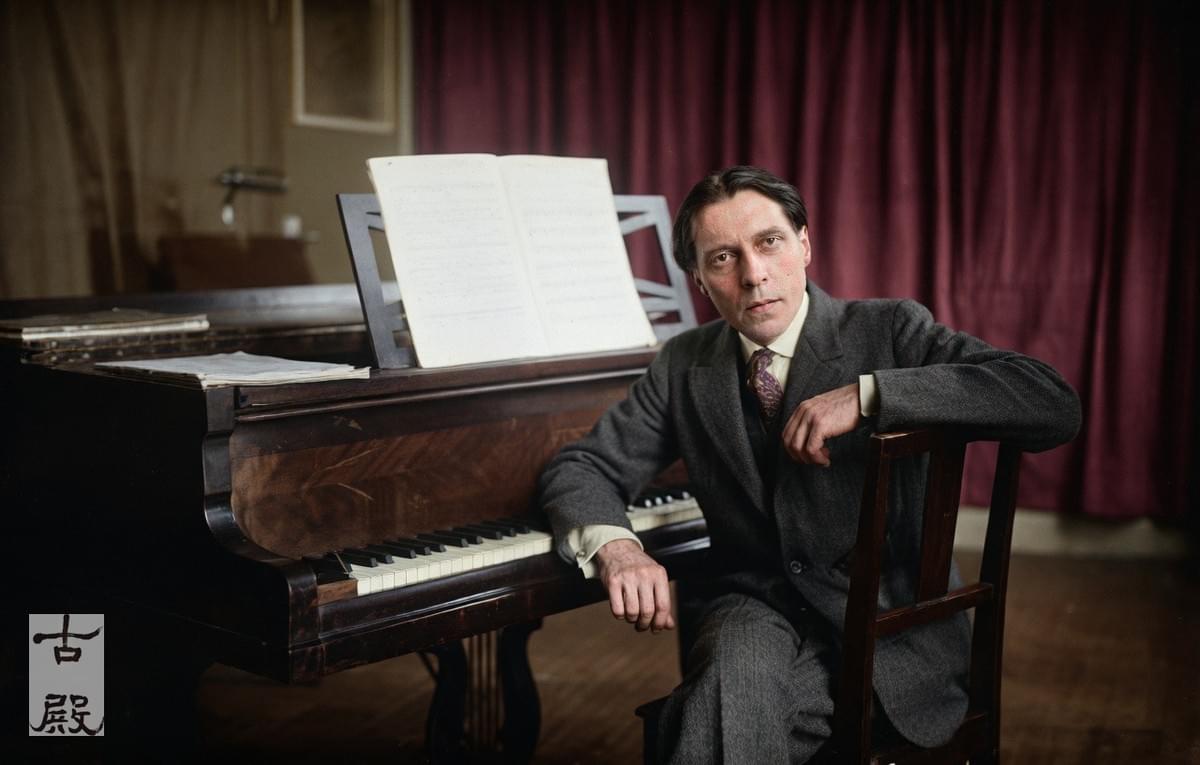
廢墟與宮殿
顧爾達說,柯爾托晚年一個晚上彈完二十四首前奏曲和二十四首練習曲時,「技術已經像一座廢墟」。
但他緊接著說:「但一個男人到了七十歲還能維持那樣,證明他年輕時一定擁有驚人的技術。」
這句話,是理解柯爾托晚年演奏的最準確視角:從廢墟的規模,可以想像昔日宮殿的輝煌。
但柯爾托的晚年,不只是技術衰退的問題。還有一個更深的糾結纏繞其中。
1941年,他應福特萬格勒((Wilhelm Furtwängler,1886-1954)之邀,前往德國進行十二場巡演——即便這是為了換取探視戰俘營、安慰囚犯的許可。戰後,這次巡演被解讀為對納粹的合作。但事實上,他的處境遠比這複雜。法國淪陷期間,他還擔任了維琪政府的藝術文化高階專員一職。這個職位,讓他在戰後被認定與親納粹政權有直接合作關係,而不只是一個判斷失誤的藝術家。赴德巡演與擔任維琪官員,這兩件事加在一起,使他在戰後法國的處境遠比一般「合作者」更為複雜與沉重。
巴黎光復後,柯爾托遭到審判、逮捕,由肅清委員會審判,後因缺乏確鑿證據被釋放,但被強制暫停演出,直至1946年4月23日——儘管他在佔領期間曾營救戰俘,並讓多位音樂家免於種族迫害。
重返舞台後,在法國外省,他受到極熱烈的歡迎,但1947年在巴黎的復出卻引發激烈爭論。1949年,他在巴黎普萊耶爾音樂廳(Salle Pleyel)為蕭邦逝世百週年舉行的音樂會取得了史詩般的勝利。從那時起,直到1958年他在普拉德與卡薩爾斯(Pablo Casals,1876-1973)進行最後一場公開音樂會,在短短八年內,柯爾托又舉行了七百三十九場音樂會——平均每年九十二場。
朋友們勸他停下來。他充耳不聞。
音樂評論家維萊莫(Pierre-Octave Ferroud,1900-1936)最終寫了一封信給他,措辭極其客氣,但意思只有一個:「停下來吧!」柯爾托召見了維萊莫,對他長篇大論了一番,然後繼續他的巡演。
加沃提(Bernard Gavoty,1908-1981)這樣描述那段日子:「人們感覺,柯爾托如此頻繁地演奏,是為了麻木自己,就像那些不計代價拒絕聆聽柯萊特所說的『沙漏那可怕的呢喃聲』的遲暮女子。」
在法國空蕩蕩的音樂廳演奏,在破舊的鋼琴上演奏,在沒有人理解的城鎮演奏——他說:「我想讓老邁的腳步,重新踏回當年作為初學者留下的足跡中……」
1956年,一場音樂會是場災難。1957年,另一場音樂會給公眾留下了淒涼的印象。但同一年,在柏林,音樂廳爆滿。在義大利,人們向舞台投擲紫羅蘭花束。在日本,他被當作神一樣迎接。
偉大與衰落,在他身上同時並存,從未分離。
柯爾托在送給兒子的格言裡,留下了一句話:
「我受苦,故我在。」
還有一句:
「『儘管……』:這是我的座右銘。」
儘管有污名。儘管技術衰退。儘管朋友勸阻。儘管音樂廳空蕩蕩。
他仍然繼續。
因為對柯爾托而言,停止演奏,就是停止存在。音樂不是他的職業,而是他呼吸的方式。晚年那些「錯音」,是一個選擇繼續呼吸的人,在時間面前留下的痕跡。
這個標籤,公平嗎?
現在可以回答這個問題了。
「柯爾托有錯音」這個標籤,是由三條線索纏繞而成的:蓋斯伯格把那些有錯音的錄音發行出去,媒體把「錯音」變成了整體評價的把手,晚年的污名與精神糾結讓他的衰退成為公眾事件。
這三條線索纏在一起,製造了一個形象。
但這個形象,混淆了兩件性質完全不同的事:
壯年的「錯音」,是一個把注意力放在靈魂而不是音符的人,所承擔的代價。這是一個選擇。
晚年的「錯音」,是一個被時間、被污名、被糾結的精神狀態所消耗的人,在與這一切搏鬥時留下的痕跡。這是一個掙扎。
把這兩者混在一起,用同一個標籤概括,是不公平的。
而顧爾達,那個對自己要求最嚴苛的鋼琴家,給了我們衡量這一切的真正標準:
不是音符有沒有彈對,而是藝術之美有沒有被傳達出去。
在這個標準下,柯爾托從來沒有失敗過。
荀伯克說得最好:「那些在平庸之輩身上可能是致命傷的錯音與記憶疏漏,絲毫掩蓋不了柯爾托技術上的輝煌,也無法削弱他音樂造詣中敏銳的感性。這正是衡量柯爾托偉大程度的標竿。」
衡量一個藝術家,要用正確的標竿。
用錯了標竿,你量到的只是廢墟。用對了標竿,你看見的是宮殿。
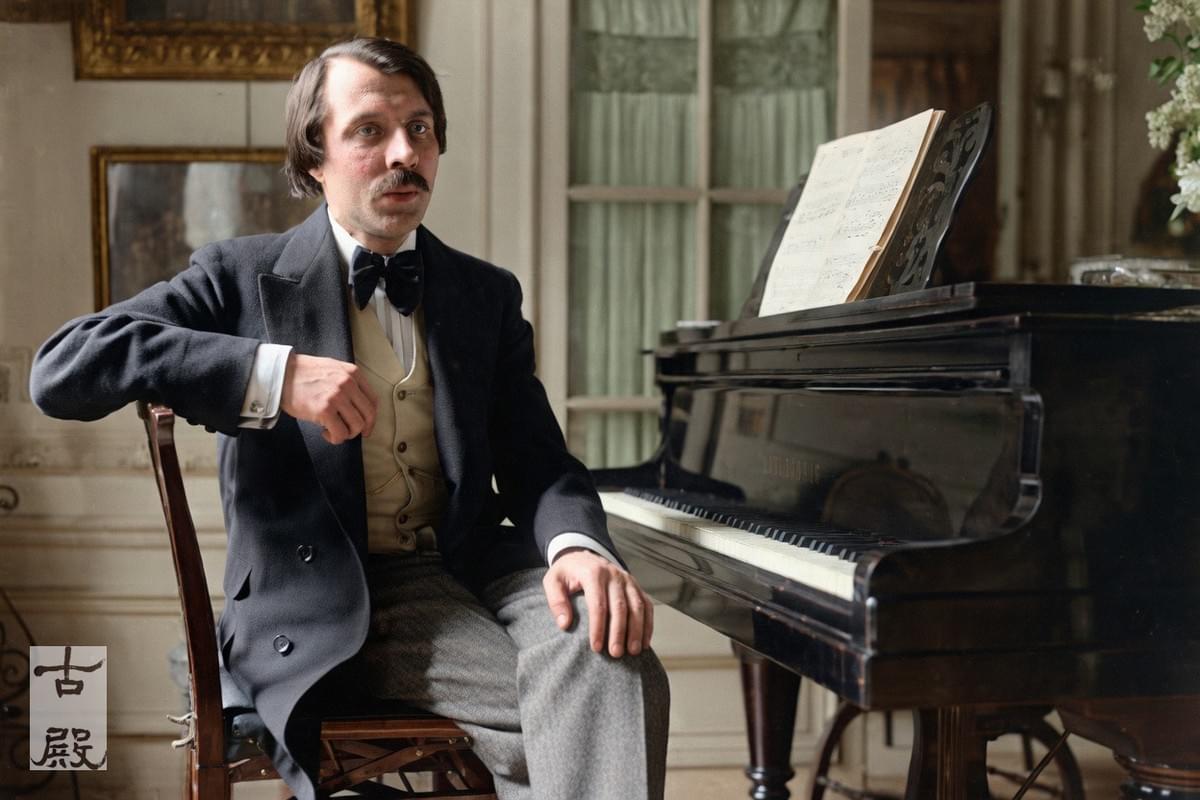
這篇文章本身,就是答案
最後,有一件事值得說明。
今天,任何人都可以打開AI,輸入「柯爾托錯音」,在幾秒鐘之內得到大量的資料——維基百科、樂評文章、唱片介紹、各種引用。資訊是充足的,甚至是過剩的。
但那些資料,無法告訴你:
為什麼1969年EMI選擇把那個「可能是虛構的」畢勤故事印在唱片解說裡,這件事本身說明了什麼?為什麼顧爾達說「我彈不了蕭邦練習曲」和他對柯爾托的崇拜之間,有一條深刻的內在邏輯?為什麼壯年的「錯音」和晚年的「錯音」,是性質完全不同的兩件事,不能用同一個標籤概括?為什麼「錯音」這個標籤背後,有唱片工業、媒體邏輯、商業利益三條線索同時在運作?
這些判斷,不是從資料裡讀出來的。是從十六年的實體積累——那張1969年的EMI黑膠唱片拿在手上,加沃提的傳記原文一頁一頁地讀,顧爾達與凱瑟的訪談反覆聆聽,蟲膠唱片在1925年Victor Victrola Credenza留聲機上真實播放——這些真實的體驗與驗證,在一個人的生命裡長期積累之後,才能形成的判斷力。
人們可以透過AI、透過網路,找到關於柯爾托的龐大資料。但資訊不等於理解。這篇文章,不是從資料裡整理出來的——它是從真實的體驗與驗證裡,長出來的。
這正是在AI革命的時代,最需要被清楚看見的一件事:
AI放大的,只能是已經存在於人的生命裡的真實與實體。資訊人人可得,但真正的理解,建立在真實的體驗、實體的積累、與反覆驗證之上。沒有這個基礎,AI整理出來的,只是更快速、更大量的資訊——而不是理解,不是判斷力,不是洞見。
一個沒有實體積累的人,用AI搜尋柯爾托,得到的是關於他的資料。一個有實體積累的人,用AI整理與放大,得到的是這篇文章。兩者之間的差距,不是工具的差距,而是真實與實體在生命裡的深度差距。
所以,比任何時候都更重要的,是獨立思考的能力,與批判性的眼光。不是拒絕AI,而是理解:在接受任何標籤、任何印象、任何說法之前,先問自己——
這是我真正體驗與驗證之後得到的理解?還是有人替我預先框定好的形象?
在AI放大一切的時代,這個問題的答案,將決定我們能不能真正接觸到事物最深處的真實。
柯爾托的「錯音」,就是一個關於這件事的故事。一個被標籤遮蓋的真實,等待著有人願意放下標籤,帶著真正開放的耳朵,去聆聽那個選擇讓靈魂說話的人,究竟說了什麼?
柯爾托在1919年至1920年間,於卡姆登教堂錄音室為Victor留聲機公司留下了他最早的電氣錄音,包括Victor 74589、74636、74670等蟲膠唱片。這些錄音,將在古殿第42回音樂喫茶中,透過1925年Victor Victrola Credenza留聲機播出。歡迎來聽。
******
【活動資訊】 古殿歷史名曲音樂喫茶|第42場:柯爾托(Alfred Cortot,1877-1962)早期李斯特與蕭邦錄音
時間: 2026年4月3日 (週五) 19:30 - 21:00
地點: 古殿樂藏 (台北市北投區西安街一段169號2樓)
費用: 600元 (含精緻咖啡飲品)
席位: 僅限 10 位 (請填表單報名,表單在留言中)
(「古殿歷史名曲音樂喫茶」是台灣目前唯一固定舉辦此類深度歷史聆聽活動的空間。)
*******
Cortot’s “Wrong Notes”: A Manufactured Label
I. A Story That Might Be Fiction
There is a story about Alfred Cortot that has circulated widely in the classical music world.
It was a concert with the Royal Philharmonic Society. Cortot was performing Schumann’s Piano Concerto with the conductor Sir Thomas Beecham (1879–1961). As was his custom, Beecham conducted without a score. During the performance, Cortot suffered a memory lapse and eventually had to start the piece over.
Afterward, when someone asked about the incident, Beecham reportedly replied:
"The fact is, he started playing Beethoven, so I conducted Beethoven. Then he switched to Schumann, so I conducted Schumann. Then he played bits of various other concertos. As long as I knew what he was playing, I followed him. Finally, he started a concerto I didn’t recognize at all, so I had to give up."
This story has been quoted repeatedly, becoming the most representative anecdote for the image of "Cortot = Wrong Notes." But there is a detail that almost everyone who cites this story overlooks.
In 1969, seven years after Cortot’s death, EMI released a set of vinyl transfers for him. In the accompanying liner notes, this Beecham story was specifically featured—but with the following wording: "Whether this story is true or not..."
This sentence is worth pausing to think about.
EMI knew the story might be fictional. They still chose to print it in the record’s commentary. At this point, Cortot himself was dead and could not clarify. Fred Gaisberg, the producer who had originally braved criticism to release those recordings—technically flawed but artistically brilliant—was also long gone. EMI had seen a change of guard; a new generation of management had taken over the brand and its catalog.
They chose to print this "likely fictional" story on the album cover. Why?
Because the story had "buzz." People love this kind of gossip—a master pianist losing his memory in a concert hall to the point that even the conductor is baffled. The image is too interesting, too easy to recount, and too memorable. Commercially, "wrong notes" became a valuable topic; it piqued curiosity, made people want to listen, and sold records.
These 1969 liner notes are, in themselves, the clearest evidence: the "wrong note" label was not just an accidental creation of critics; even the record publishers were consciously consuming and propagating it. A story that might be fiction continued to be printed and circulated after Cortot’s death, deepening that impression—and it appeared grandly on the record jacket in the form of a "Great Artist Memorial Edition."
Of course, Cortot did have wrong notes. This isn’t a defense of him, nor a denial of fact. But "having wrong notes" and "wrong notes as his core label" are two entirely different things. The former is a specific technical observation. The latter is an image repeatedly reinforced by the media, the recording industry, and commercial interests—because "wrong notes" create conversation and gossip value, attracting traffic.
The true achievement of an artist was thus overshadowed by a commercially valuable topic. What I want to do here is not to say Cortot didn't have wrong notes, but to say: If you only remember that label, you are missing out on far more than you gain.
To understand how this label was manufactured, we need to track three clues: the choices of the recording industry, the "labeling" by the media, and Cortot’s mental struggles in his later years.
II. The First Clue: The Choice of the Recording Industry
Fred Gaisberg (1873–1951) was a legendary producer at HMV and one of the most important figures in the history of 20th-century classical recording. He made a decision that profoundly shaped the "Cortot" we know today.
He chose to release recordings that had wrong notes but were musically magnificent. His philosophy was unique in recording history. He viewed a recording as a "Sound Photograph"—capturing the most authentic artistic state of the moment, rather than a "perfect specimen" corrected over and over.
This wasn't a failure of duty or a compromise. It was a conscious artistic judgment: the overall vitality of the interpretation was more important than any technical flaw. Gaisberg wanted Cortot to present his interpretation of the music in full, without holding back due to a fear of wrong notes. Thus, those recordings—breath-taking despite the errors—were permanently etched into wax and released.
But this decision had a side effect. It turned "Cortot’s wrong notes" into "evidence" that could be repeatedly played and cited. Every time someone played his record, the wrong notes were there, clear and discernible, waiting to be noticed.
And Cortot himself had a very unique attitude toward recording. He essentially refused to listen back to his own performances in the studio. He left the decision of which take to keep entirely to the recording engineers. His reason was a profound understanding of the nature of "interpretation": music is alive, fleeting, and influenced by the mood of the moment; it should not be permanently fixed. To him, viewing a single isolated performance as a definitive model was unthinkable.
There is a deep contradiction here: A man who was unwilling to be "fixed" was given a permanent label because of the recordings that fixed him.
III. The Second Clue: How the Media Manufactures Labels
The process of "wrong notes" evolving from a specific technical phenomenon into a label for Cortot's entire reputation is worth tracing.
The critic Harold C. Schonberg (1915–2003) wrote a very accurate line in his article on Cortot:
"The wrong notes and memory lapses that would be fatal to a lesser talent do not hide Cortot's technical brilliance or weaken the sensitive poetry of his musicianship. This is the very measure of his greatness."
But not all critics had Schonberg’s insight. Most reviews used "wrong notes" as a ready-made handle to frame Cortot’s overall image. Over time, "Cortot has wrong notes" became a preconceived notion. People were ready with the label before they even heard him play.
Then there was the divergence among listeners. Vladimir Horowitz (1903–1989)—perhaps the most technically flawless pianist of the 20th century—once publicly declared that he heard Cortot play Chopin's 24 Preludes at the Paris Opera, and it was a performance of "truly unsurpassable" technique and interpretation.
Alfred Brendel (1931–2025) said Cortot was "the only pianist who satisfied my head, senses, and heart simultaneously." Murray Perahia said: "Those flaws were truly insignificant compared to the truth of the art he left behind."
The same phenomenon carried entirely different weights in the eyes of different listeners. What does this tell us? "Wrong notes" are a mirror that tests the listener's values.
What standard do you use when listening to Cortot? If your standard is note precision, you will hear "wrong notes." If your standard is the transmission of artistic beauty, you will hear the "unsurpassable" quality Horowitz spoke of.
This divergence is most clearly embodied in one man: Friedrich Gulda.
IV. Gulda’s Two Revelations
Friedrich Gulda (1930–2000) was one of the most important pianists of the 20th century, known for his precise rhythm, rigorous structure, and almost cold intellect. He was one of the most demanding of himself among his peers. He was also the most fanatical admirer of Cortot.
He once chased Cortot around just to hear him play. In a television interview, when critic Joachim Kaiser (1928–2017) asked about his relationship with Cortot, Gulda said:
"The only colleague in the classical field I truly admire is old Cortot. I even followed him around just to hear him play."
Kaiser was puzzled: "It's surprising you’d be obsessed with Cortot. His style is the exact opposite of yours. You’re seen as the master of precision and structure, while Cortot was free, improvisational, and sometimes flubbed a bunch of notes."
Gulda’s answer is the key to understanding the whole "Cortot and wrong notes" issue:
"I don't mind his wrong notes at all. During the period I heard him, he indeed played many wrong notes, but I didn't care. I adore him madly precisely because of the qualities you mentioned. His playing was so personal; you know immediately: That is Cortot! He was so full of personality, so improvisational. Every concert was different. Although his technique was a 'ruin' the night he played all 24 Preludes and 24 Etudes, the fact that a man in his seventies could still sustain that proved he must have had incredible technique when he was young. He was a free soul."
To understand why Gulda said this, we need to look at two things.
First: Sincerity. In the same interview, Gulda made a rare confession after Kaiser mentioned his "mythical technique":
"I can be honest with you: it’s because in recent years, I never show the limits of my technique. That’s why everyone thinks I’m perfect—it’s a 'trick' of mine!"
He added: "I adore Cortot because he was the only one who could play all 24 Etudes and 24 Preludes in one go. I must confess, and I’m not ashamed: I can’t play those Etudes. Even though I practice them every day in the studio, it’s just to confirm that I 'can’t play' them. So why would I go on stage and play them?"
This is a remarkable admission. A pianist thought to be technically invincible publicly saying "I can't play Chopin’s Etudes." He chose to tell the truth. Cortot, on the other hand, was another kind of truth: he chose to let his soul be completely naked on stage, refusing to use technical perfection to protect himself. Both men, in different ways, chose the same thing: to face reality rather than perform "perfection."
Second: The transmission of artistic beauty is the ultimate standard. Gulda’s extreme pursuit of perfection was not the goal, but a means. What was perfection for? To allow artistic beauty to be truly transmitted. So when he heard Cortot, he didn't use the ruler of "Are there wrong notes?"; he used the scale of "Is artistic beauty being transmitted?"
The result: Cortot had wrong notes, but the beauty of the art was transmitted perfectly. In Gulda’s eyes, this wasn't about "forgiving flaws"—it simply wasn't a problem to begin with, because the ruler wasn't measuring note accuracy in the first place.
V. The Truth Gulda Overheard
There is a specific event that makes Gulda’s admiration for Cortot even clearer.
Once at the backstage of the Musikverein in Vienna, Gulda found out where Cortot was practicing and boldly knocked: "Maestro, would it disturb you if I listened to you practice?"
Cortot looked at this brash young student, hand on the doorknob, and said one thing before closing the door:
"My dear, if you invite someone for dinner, you don't invite them into the kitchen to watch."
Gulda was disappointed but didn't leave. He stood outside and eavesdropped. What did he expect to hear? Perhaps poetic music, magical sounds, or something only a master could produce.
What he heard instead were extremely slow, monotonous, and dry exercises of scales and arpeggios. Over and over. For hours.
Gulda later said: "So the poetry grew by itself (die Poesie kam von selbst), but the technique required such dry grinding."
This story reveals the most misunderstood aspect of "Cortot’s wrong notes": **They were not because he didn't practice.**His practice was stricter, drier, and more thorough than anyone imagined. What Gulda heard through the door was a man who had drilled technical foundations into his very bones.
Those "wrong notes" happened because when he stepped onto the stage, he focused all his attention on higher things—the soul of the music, the transmission of poetry, the creation of the moment—and let his fingers bear the cost of that choice. It wasn't a technical failure; it was a choice of priorities. Cortot chose to let the music live rather than let the notes be accurate.
VI. Ruins and Palaces
Gulda said that when Cortot played the Preludes and Etudes in his later years, "his technique was like a ruin." But he immediately added: "But the fact that a man could sustain that at seventy proves he must have had incredible technique when he was young."
This is the most accurate perspective for understanding Cortot’s late performances: From the scale of the ruins, one can imagine the glory of the former palace.
But Cortot’s later years weren't just about technical decline. There was a deeper entanglement. In 1941, at the invitation of Wilhelm Furtwängler (1886–1954), he went to Germany for a twelve-city tour—even if it was to gain permission to visit prisoner-of-war camps and comfort inmates. After the war, this was interpreted as collaboration with the Nazis. In fact, his situation was more complex. During the occupation, he served as a high commissioner for arts and culture in the Vichy government. This role led to him being identified as a direct collaborator rather than just a misguided artist.
After the liberation of Paris, Cortot was tried and arrested. He was eventually released for lack of conclusive evidence but was banned from performing until April 1946—despite having rescued prisoners and saved musicians from racial persecution during the occupation.
When he returned to the stage, he was warmly welcomed in the French provinces, but his 1947 return to Paris sparked intense debate. In 1949, his concert for the Chopin centenary at Salle Pleyel was an epic triumph. From then until his final public concert in Prades with Pablo Casals (1876–1973) in 1958, Cortot gave 739 concerts in just eight years—an average of 92 per year.
Friends urged him to stop. He turned a deaf ear. Critic Pierre-Octave Ferroud wrote him a polite letter that meant only one thing: "Stop!" Cortot summoned him, gave a long speech, and continued his tour. Bernard Gavoty (1908–1981) described those days: "One felt Cortot played so frequently to numb himself... like an aging woman refusing to hear the whisper of the hourglass."
Playing in empty French halls, on battered pianos, in towns where no one understood—he said: "I want my aging steps to retrace the path I left as a beginner..."
In 1956, one concert was a disaster. In 1957, another left a bleak impression. But that same year in Berlin, the hall was packed. In Italy, people threw violets onto the stage. In Japan, he was welcomed like a god. Greatness and decline coexisted in him, never separated.
In a motto he gave his son, Cortot left these words:
"I suffer, therefore I am." And: "'Despite...': this is my motto."
Despite the stigma. Despite the technical decline. Despite the discouragement of friends. Despite the empty halls. He continued. Because for Cortot, to stop playing was to stop existing. Music was not his profession; it was his way of breathing. Those late-life "wrong notes" were the marks left by a man who chose to keep breathing in the face of time.
VII. Is the Label Fair?
We can now answer the question. The label "Cortot has wrong notes" was woven from three threads: Gaisberg releasing the flawed recordings, the media using "wrong notes" as a handle for evaluation, and the late-life stigma and mental turmoil making his decline a public event.
This label confuses two entirely different things:
The "wrong notes" of his prime were the price paid by a man who focused on the soul rather than the notes. This was a choice.
The "wrong notes" of his later years were the marks of a man consumed by time, stigma, and a tangled spirit, struggling against it all. This was a struggle.
To mix the two and summarize them with the same label is unfair. And Gulda, the most rigorous of pianists, gave us the true measure: It’s not about whether the notes were right, but whether the beauty of the art was transmitted. Under this standard, Cortot never failed.
Schonberg said it best: "The wrong notes and memory lapses... do not hide Cortot's technical brilliance or weaken the sensitive poetry of his musicianship. This is the very measure of his greatness."
To measure an artist, you must use the right yardstick. Use the wrong one, and you only see a ruin. Use the right one, and you see a palace.
VIII. This Article Itself is the Answer
Finally, one thing is worth noting. Today, anyone can open an AI, type "Cortot wrong notes," and get a mountain of data in seconds. Information is plentiful, even excessive.
But that data cannot tell you: Why EMI’s choice in 1969 to print that "likely fictional" Beecham story says so much. Whythere is a deep internal logic between Gulda saying "I can't play the Etudes" and his worship of Cortot. Why the "wrong notes" of his youth and old age are different in nature. Why the label is driven by the three threads of industry, media, and commerce.
These judgments are not read from data. They are formed from sixteen years of physical accumulation—holding that 1969 EMI vinyl, reading Gavoty’s original biography page by page, listening to Gulda’s interviews repeatedly, and playing shellac records on a 1925 Victor Victrola Credenza. These real experiences, accumulated over a long time, form the power of judgment.
People can find vast data on Cortot through AI, but information is not understanding. This article wasn't "compiled" from data—it grew from real experience and verification.
In the era of the AI revolution, this is what needs to be seen most clearly: AI can only amplify the "reality" and "substance" that already exists in a human life. Information is available to everyone, but true understanding is built on real experience, physical accumulation, and repeated verification. Without this foundation, AI-organized output is just faster, larger-scale information—not understanding, not judgment, and not insight.
A person without physical accumulation searches for Cortot and gets data. A person with it uses AI to organize and amplify, and gets this article. The gap is not in the tool, but in the depth of "the real" in one’s life.
Therefore, more than ever, what matters is independent thinking and a critical eye. It’s not about rejecting AI, but understanding: Before accepting any label or impression, ask yourself— Is this an understanding I gained from my own experience, or is it an image pre-framed for me by someone else?
In an era where AI amplifies everything, the answer to that question will determine whether we can truly touch the deepest reality of things. Cortot’s "wrong notes" is a story about exactly this. A reality covered by a label, waiting for someone willing to put the label down, bring a truly open ear, and listen to what the man who chose to let his soul speak was actually saying.