
【古殿唱片音樂故事】歌劇的守護神:圖利奧·賽拉芬與義大利的靈魂
卡拉絲說:「沒有他,我什麼都不是!」造就卡拉絲的人,你知道是誰嗎?
古殿殿主
古典音樂史上有一個謎題,幾乎從未被人認真追問過:
兩個人,相同的出身、相同的師承、相同的時代、相同的成名路徑——最後卻走向了截然不同的選擇。其中一個,成為了20世紀最著名的指揮家。另一個,選擇了一條窄得多、也深得多的路。
這兩個人,一個叫托斯卡尼尼,一個叫賽拉芬。
一、幾乎一模一樣的兩條起點
先說相同的部分。
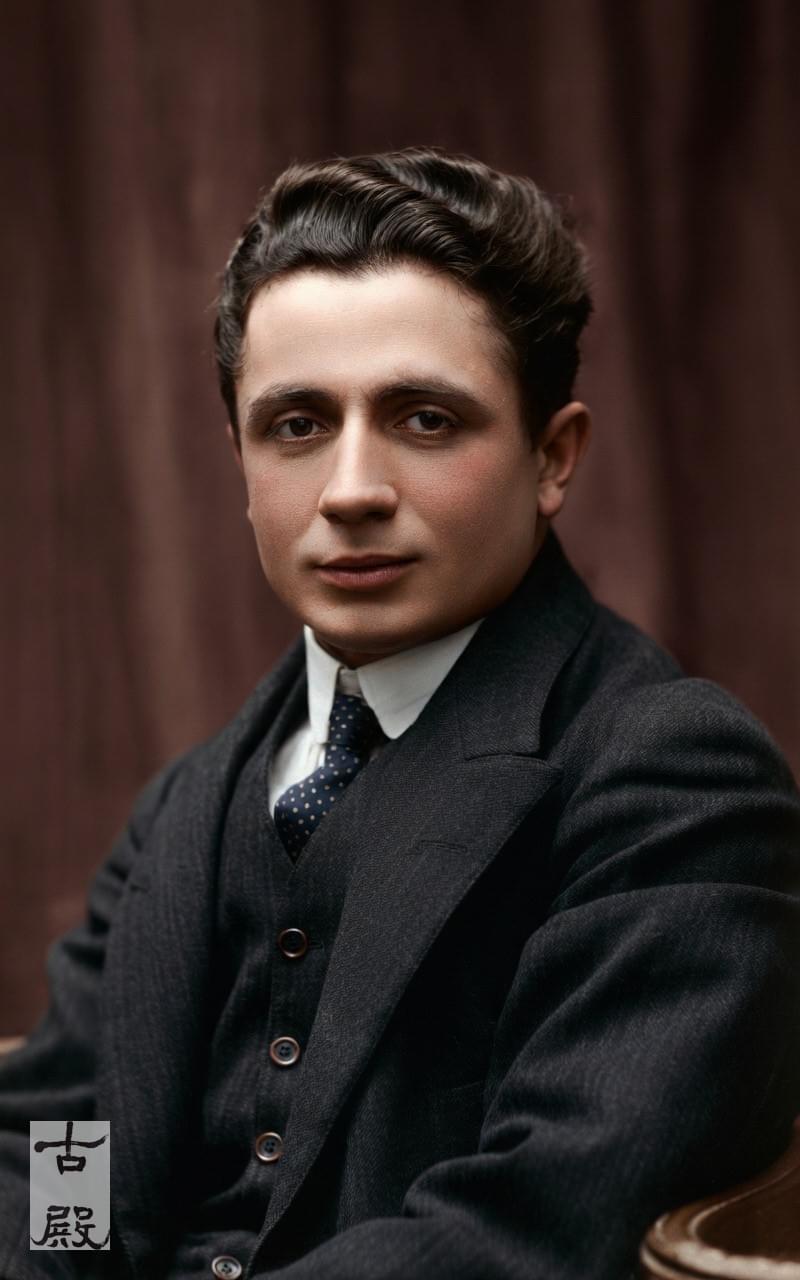
托斯卡尼尼(Arturo Toscanini,1867–1957)出身於義大利帕爾馬,在米蘭音樂學院習樂,主修大提琴。畢業後進入劇院樂池,成為一名職業大提琴手。某一天,在里約熱內盧的一場演出中,樂團指揮因故無法上台,觀眾開始噓叫——年僅十九歲的托斯卡尼尼放下大提琴,走上指揮台,把整部威爾第《阿依達》從頭到尾憑記憶指揮完畢,全場轟動。
這是一個傳奇的誕生時刻。
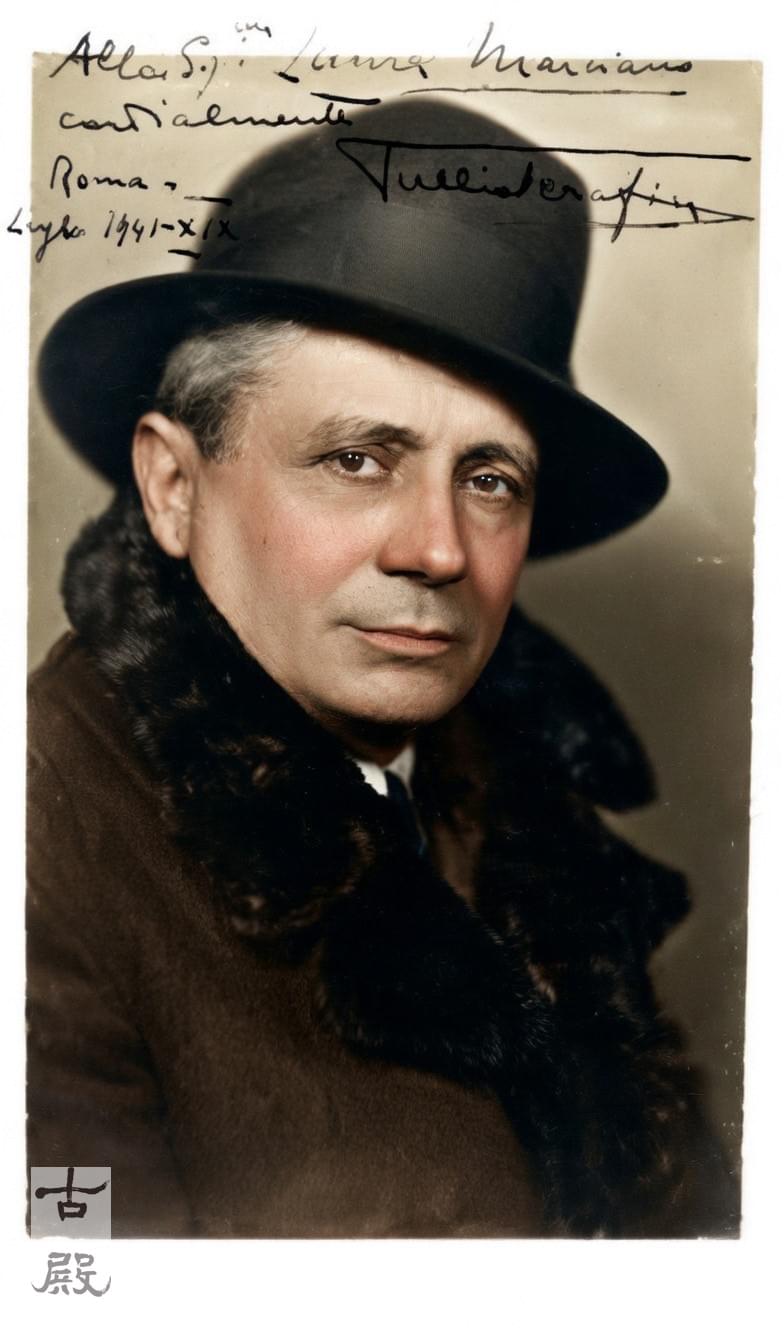
圖利奧·賽拉芬(Tullio Serafin,1878–1968)出身於威尼斯附近的小鎮,同樣在米蘭音樂學院習樂,主修中提琴。畢業後同樣進入劇院樂池——進的正是斯卡拉歌劇院,在托斯卡尼尼的指揮棒下拉中提琴。他在那裡默默觀察了幾年,然後開始被委以指揮任務。當托斯卡尼尼離開義大利轉赴紐約時,接任斯卡拉音樂總監的人,正是賽拉芬。
兩個人:一個大提琴,一個中提琴;同一個音樂學院,同一個劇院,同一個傳承脈絡。
然後,他們的路開始分叉了。
二、一個人的擴張,另一個人的收縮
托斯卡尼尼的曲目版圖越擴越大。
他從義大利歌劇出發,很快把觸角伸向了德奧交響曲:貝多芬、布拉姆斯、華格納。然後是法國音樂:德布西、拉威爾。然後是英國:艾爾加。在NBC交響樂團的廣播時代,他指揮的貝多芬交響曲全集成為美國大眾的古典音樂入門。他的名字不只屬於歌劇迷,而是屬於整個西方世界的音樂聽眾。
賽拉芬的方向是相反的。
他從義大利歌劇出發,然後——留在那裡。
他的整個職業生涯,只有歌劇。只有威爾第、普契尼、羅西尼、貝里尼、董尼采第。你在他的唱片目錄裡找不到任何交響曲或協奏曲的錄音。沒有貝多芬,沒有布拉姆斯,沒有任何純器樂的大型作品。歌劇的世界,就是他的全部世界。
在一個每個指揮家都拼命拓展曲目以維持市場熱度的時代,賽拉芬選擇把自己縮窄成一個專家。
這個選擇,在今天的音樂界幾乎不可能發生。當代指揮的生存邏輯是多元:客席各大交響樂團、橫跨多種風格、錄製各類全集。像賽拉芬這樣把自己全部押注在單一類型的人,會被視為職業上的自殺。
但正因為這個「自殺式」的選擇,他成了一個任何人都無法取代的存在。
三、他知道自己畢生應該做什麼
賽拉芬的選擇,表面上看是一種「限制」,但從另一個角度看,它其實是一種極為罕見的清醒:他知道自己畢生應該投入什麼。
這種清醒,和商業無關,和市場無關,和觀眾的期待無關。它來自一個人對自己生命最深的誠實——我能做到什麼?我應該做什麼?然後把這個答案用一生來實踐。
極致與最好,永遠不可能真正抵達。但只要方向清晰,持續往那個方向走,積累本身就是真正的提升。這不是內耗,不是固執,而是一種精神紀律。
賽拉芬的藝術核心,正是這種積累的結果:他對每一部義大利歌劇的理解,不是一個指揮家理解一首器樂作品的方式,而更接近一個說書人理解一部他反覆講述了幾十年的故事的方式。
當他指揮威爾第《茶花女》前奏曲時,他知道那幾分鐘音樂背後是薇奧萊塔臨終前的場景。當他指揮《命運之力》序曲時,那個反覆出現的「命運動機」在他棒下有著幾乎身體性的重量——因為他在無數個夜晚,坐在那個故事的全部三個小時裡,看著萊奧諾拉一步步走向死亡。
這種積累,不是任何捷徑能夠取代的。它必須用時間換,用無數個夜晚坐在同一個故事裡換。
托斯卡尼尼是更大的指揮家。但賽拉芬是更深的歌劇指揮家。前者的廣度讓他成為20世紀的象徵;後者的深度讓他成為義大利歌劇傳統的最後守護人。
這兩件事,不能同時做到。
四、卡拉絲的伯樂,以及那個改寫歷史的夜晚
1949年1月,威尼斯鳳凰歌劇院。
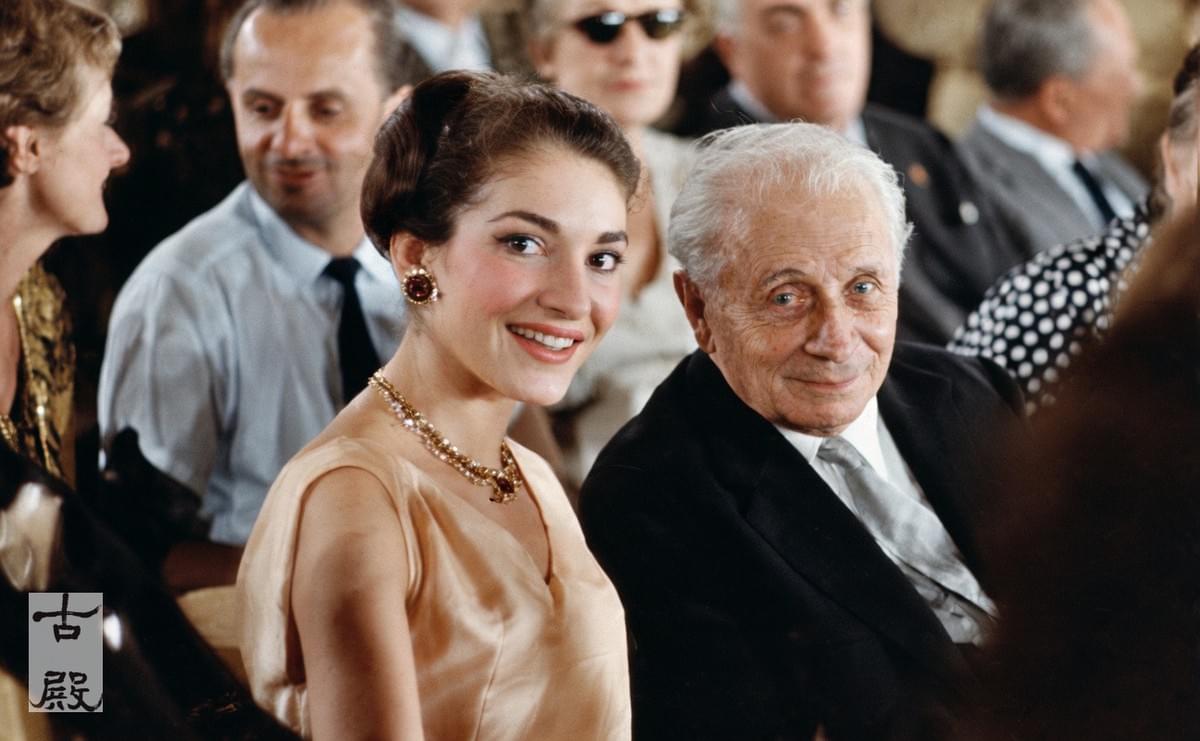
距離貝里尼《清教徒》演出只剩幾天,飾演女主角的花腔女高音突然病倒,無法出場。賽拉芬同一時期正在指揮另一部歌劇,女主角是瑪麗亞·卡拉絲——她當時正以戲劇性女高音身份演出華格納《女武神》。
賽拉芬把卡拉絲叫來,說:妳來替代那個角色。
《清教徒》是花腔女高音的曲目,和《女武神》幾乎是光譜的兩端。卡拉絲拒絕了:她從未學過這部歌劇,時間根本不夠。
賽拉芬說:我相信你能做到。
幾天後,卡拉絲站上了《清教徒》的舞台。那場演出讓全場屏息,也讓樂界開始意識到:這個女人的聲音,能做到幾乎不可能做到的事。
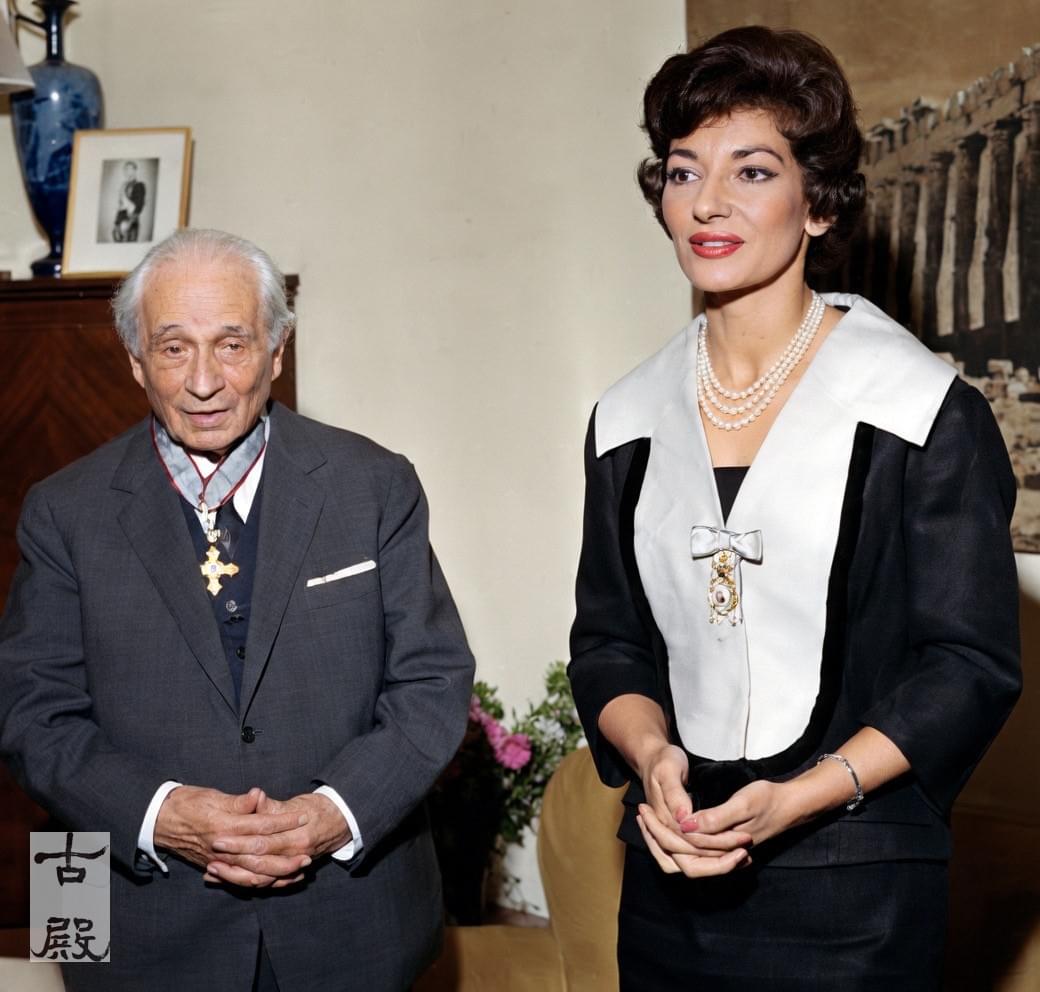
卡拉絲後來說:「若沒有賽拉芬,我絕不可能成為絕對首席女主角。」這不是一句客套話。1950至60年代,卡拉絲那些至今被奉為典範的唱片——《諾瑪》、《露琪亞》、《命運之力》——很多都是賽拉芬在指揮台上陪著她完成的。他知道如何讓那個聲音在正確的節拍、正確的速度、正確的空間裡爆發。
但有一點常常被忽略:賽拉芬不是卡拉絲的附屬品。他也曾因為起用雷娜塔·泰巴爾迪出演某個角色,和卡拉絲發生過激烈衝突。他的眼光是指向整個義大利歌劇傳統的,不是任何一個單一明星。卡拉絲只是他一生所培育的眾多人聲中,最耀眼的一個。
五、美聲的復興者:學者與指揮家的雙重身份
賽拉芬的貢獻不止於培養歌唱家。他同時是一個嚴謹的學者。
1958至1964年間,他在米蘭出版了《義大利抒情戲劇的風格、傳統與慣例:17至18世紀》。在他之前,貝里尼、羅西尼、董尼采第的歌劇在20世紀音樂廳裡幾乎消失了——不是因為沒人想演,而是因為那些關於裝飾音、速度、詮釋慣例的傳統,已經在幾代人的斷層中失傳了一半。
賽拉芬把這些只活在老一輩音樂家身體記憶裡的知識,系統性地整理成文字,然後親自示範了它們。他指揮了喬安·蘇沙蘭(Joan Sutherland)1959年在倫敦皇家歌劇院的成名演出——董尼采第《露琪亞》——那場演出宣告了美聲歌劇在20世紀的正式復興。
一個人,既寫下了傳統的文字,又用指揮棒讓那個傳統再次活了過來。
六、維洛納的英雄:五十年後的同一個位置
1913年夏天,維洛納圓形競技場。一個年輕的指揮家走上指揮台,指揮了威爾第《阿依達》在那裡的歷史性首演。
五十年後,1963年夏天,同一個舞台,同一部歌劇,五十週年紀念演出。
走上指揮台的,是一個八十五歲的老人。彎腰駝背,步伐維艱,費力地穿過一百五十名樂手組成的方陣。然後,他穿著白色晚禮服,站在和五十年前完全相同的位置,接受兩萬名觀眾的掌聲。這場演出透過電視向全世界直播。
不需要任何音樂知識,就能被這個場面打動:一個人,用半個世紀的時間,走回自己出發的地方。
七、兩張黑膠,兩個時代的聲音
我手中有兩張與賽拉芬有關的黑膠唱片。它們不只是收藏品,也不只是歷史文獻——它們是入口。
每一張黑膠,連結的不只是一個錄音的瞬間。它連結著指揮它的人、演奏它的樂手、壓製它的工廠、在特定年代發行它的唱片公司、以及那個錄音時代的整個聲學與文化語境。當唱針落入溝槽,這些連結同時被啟動。這是一個數位音訊串流無法複製的事——不是因為音質的問題,而是因為那種連結的深度與密度根本不同。
第一張:Angel Records S 35676 — 威爾第序曲集(1960年)
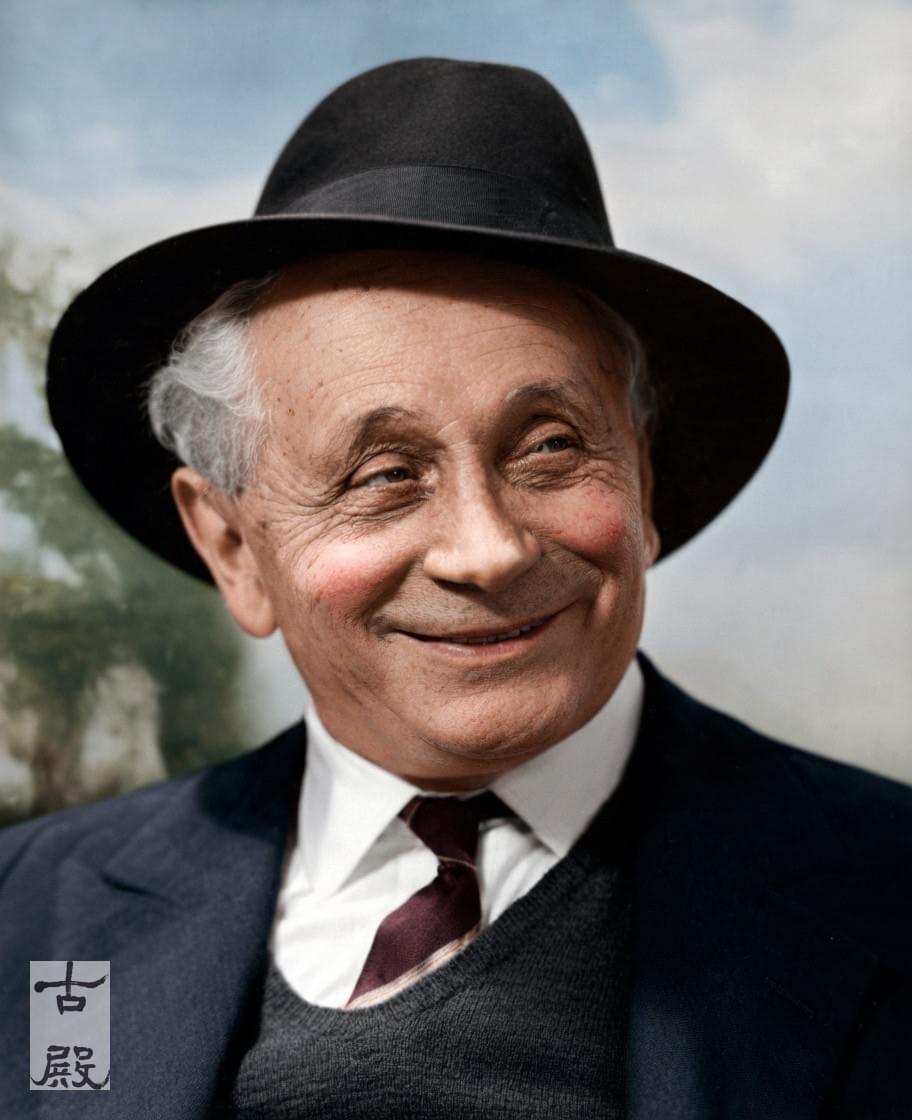
封面是一張老人的照片:戴著軟帽,帶著一種旁觀者看不透、卻讓人莫名信任的微笑。這是賽拉芬八十二歲時的樣子。
這是他暮年密集錄音期的作品。Side 1由愛樂管絃樂團演奏《納布科》、《阿依達》前奏曲與《貞德》序曲;Side 2由皇家愛樂管絃樂團演奏《西西里晚禱》、《茶花女》兩首前奏曲與《命運之力》序曲。紅色Angel標籤,刻板號: X-YAX.301/302,是直接來自英國EMI的早期美版立體聲壓片。
聽這些序曲,你會感受到一件難以言說的事:賽拉芬的指揮棒知道整個故事,不只是眼前這幾分鐘的音樂。《茶花女》第三幕前奏曲演奏得格外克制,因為他知道那個節點上,台上的薇奧萊塔正在臨終前最後一次看見她的愛人。這種理解不是技術,是幾十年在那個故事裡生活的痕跡——它存在於演奏裡,無法用文字轉述,只能用耳朵接收,用身體感受。
第二張:Heliodor 2548 171 — 羅西尼序曲集(1964年)
這是Deutsche Grammophon旗下廉價再版廠牌Heliodor的德國壓片,原版是DG全價系列 136 395 SLPEM,封套上明確標示「Original-Aufnahme Deutsche Grammophon」。樂團是羅馬歌劇院管絃樂團——賽拉芬生命後半段最重要的藝術根據地,一支與他有著幾十年深厚默契的樂團。
這張唱片有一個你可能沒想到的來歷:其中的《鵲賊》序曲與《威廉泰爾》序曲,正是史丹利·庫柏力克在1971年電影《發條橙》中所使用的錄音版本。當你看著那些令人不安的畫面,背景響起羅西尼那帶著詭異活力的音樂時,指揮那音樂的人,正是年過八十的賽拉芬。
一個1964年錄製的老音樂家的詮釋,在七年後被一部改變電影史的電影重新賦予了截然不同的涵義。這大概是賽拉芬的唱片最奇特的一次文化旅行——也說明了一件事:真正有深度的演奏,其影響力會以你無法預料的方式,在時間裡繼續延伸。
八、歌劇的總體藝術,與今天重新進入的路徑
歌劇在今天的古典音樂產業裡為什麼節節退守?答案其實很現實:它太長,成本太高,製作太複雜。一場歌劇演出需要獨唱家、合唱團、管絃樂團、導演、舞台設計、燈光、服裝——每一個環節都是龐大的資源投入。這種規模在19世紀義大利是城市文化的中心,在今天的市場邏輯下,幾乎注定是吃力不討好的事業。
產業不支持,欣賞者的能力也隨之萎縮。沒有足夠的演出機會,觀眾就沒有機會培養對歌劇語言的感受力;感受力下降,票房就更難支撐;票房難以支撐,演出就更少。這是一個惡性循環。
但這個循環背後,有一個更深的問題值得追問:我們對歌劇的理解,是不是已經被這個產業困境所扭曲了?
歌劇在古典音樂中的位置,從來不只是「音樂加上歌唱」。它是一種真正意義上的總體藝術——音樂、聲樂、管絃樂、文學劇本、戲劇表演、舞台設計,全部融合在同一個作品裡,同時作用於觀者的所有感知。它製造的,是一種多層次同步的體驗:情節在眼睛前展開,音樂在身體裡共鳴,人物命運在情感裡激盪,戲劇衝突在意識裡展開。這幾件事不是依序發生的,是同時發生的。
這種體驗之所以豐富,正是因為它是完整的。不是單一訊號,而是多維度的同步。
賽拉芬的序曲錄音,做了一件看似矛盾的事:他把一部完整歌劇的戲劇衝突、人物命運、情感弧線,全部濃縮提煉到幾分鐘的純音樂裡。聽他指揮《命運之力》序曲,不需要知道舞台上發生了什麼,那個「命運」動機的反覆糾纏就已經讓你感受到整部歌劇的宿命重量。聽他指揮《西西里晚禱》序曲,那個緩慢引子裡壓抑的憤怒與最深處的祈禱,已經是完整的戲劇。
這不是簡化,而是濃縮。是一個對這些作品了解到骨子裡的人,用最精煉的音樂語言,把整個故事的靈魂呈現出來。換句話說:他以一生的實體積累,為我們打開了歌劇世界的一扇側門。
從賽拉芬進入,是今天重新接近歌劇世界成本最低、品質最高的路徑。他的唱片是一扇門,門後是整個義大利歌劇的宇宙。而且,這扇門是他用一輩子親手打磨的。
尾聲:只有黑膠還在轉
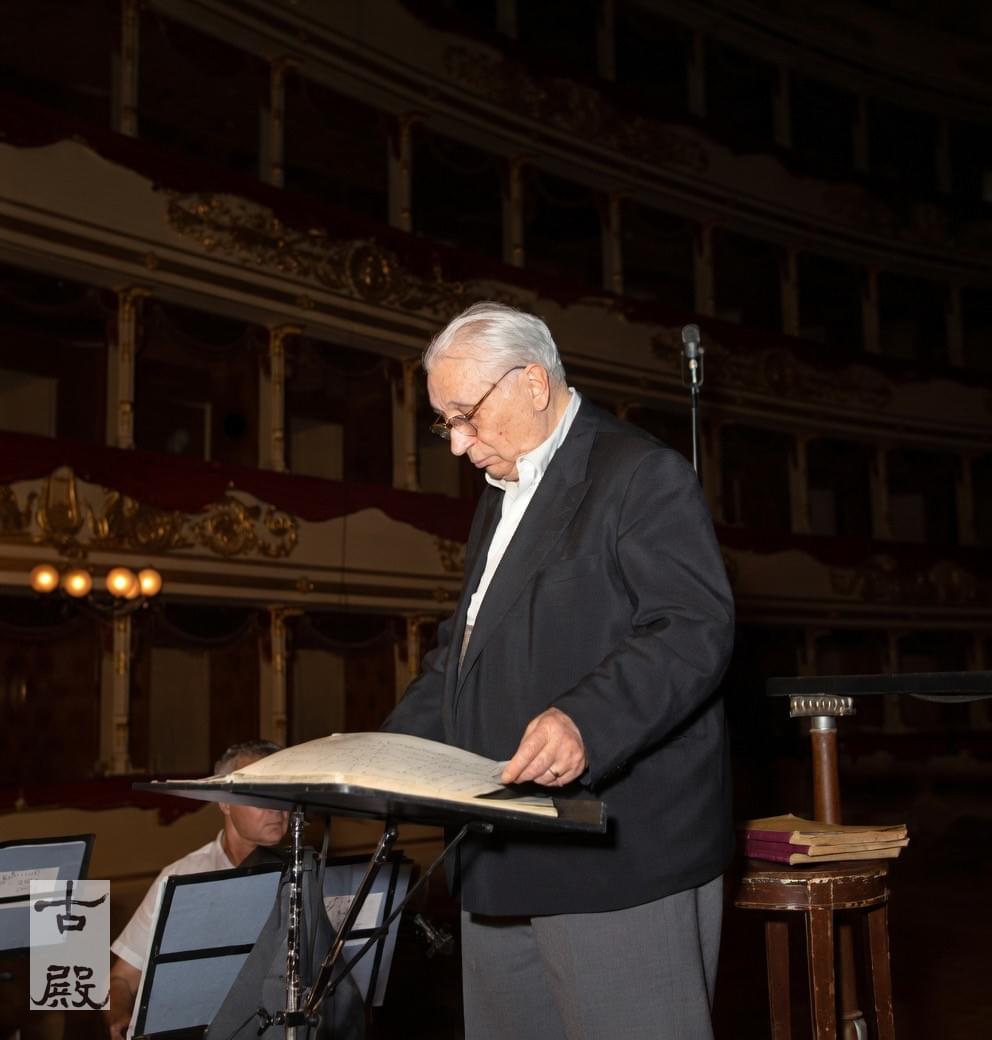
1968年2月2日,賽拉芬在羅馬的公寓裡孤獨地離世。一段時間內,連當局都不知道他的姓名,直到友人前來詢問才確認身份。這位大師的遺體被送回故鄉,安葬於母親身旁。
他沒有托斯卡尼尼的傳奇光環,沒有卡拉揚的媒體形象,沒有伯恩斯坦的時代聲量。他選擇了一條窄得多的路,然後在那條路上走到了盡頭。
今天,我們有了所有的數位工具,可以在幾秒鐘內找到任何錄音的串流。AI正在打破所有知識的邊界——任何人都可以在瞬間取得任何領域的資訊,學科的牆正在一道道倒塌。
但正是在這個一切邊界都在消失的時代,賽拉芬的選擇變得更加珍貴、更加難以複製。
當你什麼都可以知道、什麼都可以做的時候,你憑什麼選擇只做一件事?你畢生應該投入於什麼?這個問題,沒有任何AI可以替你回答。它只能從你自己的生命裡長出來——從真實的積累、真實的承諾、以及對某件事發自內心的「這是我應該做的」裡長出來。
賽拉芬用九十年的生命,示範了一個答案。
而他留下的那些黑膠,在唱針落入溝槽的那一刻,連結的是1960年代某個錄音室裡的空氣振動,是他那雙手在那個下午傳達出來的東西。那個連結是完整的,不是近似值。那個積累是真實的,不是任何工具可以生產的。
當知識的邊界全部消失之後,你知道自己畢生要做什麼嗎?
******
【Ancient Hall Music Stories】
The Guardian Angel of Opera: Tullio Serafin and the Italian Soul
Maria Callas once said: "Without him, I am nothing." Do you know the man who truly "created" the legend of Callas?
There is a puzzle in the history of classical music that people rarely stop to solve.
Two men. Same background, same teachers, same era, same path to fame. Yet, they made completely opposite choices. One became the most famous conductor of the 20th century. The other chose a path that was much narrower, but infinitely deeper.
These two men were Arturo Toscanini and Tullio Serafin.
1. Two Identical Starting Lines
Let’s loo
k at how they began.
Arturo Toscanini (1867–1957) was from Parma. He studied cello at the Milan Conservatory. After graduation, he sat in the orchestra pit as a professional cellist. One night in Rio de Janeiro, the conductor couldn't perform. The crowd was jeering. Nineteen-year-old Toscanini put down his cello, stepped onto the podium, and conducted Verdi's Aida entirely from memory. A legend was born.
Tullio Serafin (1878–1968) was from a small town near Venice. He also studied at the Milan Conservatory, but as a violist. After graduation, he also went into the pit—at La Scala, playing viola right under Toscanini’s baton. He watched, he learned, and eventually, he was given the chance to conduct. When Toscanini left Italy for New York, the man who took over as Music Director of La Scala was Serafin.
Two men: one cello, one viola; same school, same theater, same lineage.
Then, their paths diverged.
2. One Man’s Expansion, Another’s Focus
Toscanini
’s map kept growing. He started with Italian opera but soon moved to Beethoven, Brahms, and Wagner. Then Debussy, Ravel, and Elgar. By the time he led the NBC Symphony Orchestra, he was a household name across the Western world. His name didn't just belong to opera fans; it belonged to everyone.
Serafin went the other way. He started with Italian opera, and then… he stayed there.
Throughout his entire career, he focused almost exclusively on opera—Verdi, Puccini, Rossini, Bellini, Donizetti. If you look at his discography, you won’t find symphonies or concertos. No Beethoven, no Brahms. For Serafin, the world of opera was the world.
In an era where conductors were desperately trying to be "versatile" to stay relevant, Serafin chose to "shrink" himself into a specialist. Today, this would be seen as career suicide. But because of this choice, he became something irreplaceable.
3. He Knew What He Was Meant To Do
On the su
rface, Serafin’s choice looks like a limitation. But I see it as a rare form of clarity. He knew exactly what he was supposed to do with his life.
This clarity isn't about business or marketing; it’s about being honest with yourself. "What am I capable of? What should I do?" He answered those questions and then spent a lifetime practicing that answer.
In my view, "the best" is a moving target, but "depth" is a destination. This wasn't stubbornness; it was spiritual discipline. Because he spent decades inside the same stories, his understanding wasn't just technical—it was visceral.
When he conducts the Prelude to La Traviata, he isn't just playing notes; he is seeing Violetta on her deathbed. He has sat through that story thousands of times. He knows the weight of every breath. Toscanini was the greater conductor, perhaps. But Serafin was the deeper opera conductor. One became a symbol of the century; the other became the guardian of a tradition. You simply cannot be both.
4. Finding Callas: The Night History Was Rewritten
January 1
949, Venice.
Just days before the premiere of Bellini’s I Puritani, the lead soprano fell ill. Serafin was conducting another opera at the same time starring a young Maria Callas—who was then known for heavy, dramatic roles like Wagner’s Valkyrie.
Serafin called Callas and said: "You’re going to sing the lead in I Puritani."
Callas refused. I Puritani is for high, light "coloratura" sopranos—the complete opposite of Wagner. She hadn't even learned the score.
Serafin simply said: "I believe you can do it."
A few days later, Callas stepped onto the stage. The performance took the world's breath away. It changed everything. Callas later said, "Without Serafin, I would never have become the Primadonna Assoluta." Between 1950 and 1960, almost all of her legendary recordings—Norma, Lucia, La Forza del Destino—were made with Serafin on the podium. He knew exactly how to make her voice explode in the right space and time.
5. The Scholar and the Revivalist
Serafin w
asn’t just a coach for stars; he was a scholar.
Between 1958 and 1964, he published a massive work on the styles and traditions of Italian opera. Before him, many operas by Bellini and Rossini were fading away—not because they weren't good, but because the "know-how" of how to sing them had been lost over generations.
Serafin took that "body memory" from old musicians and turned it into a system. He didn't just write about it; he proved it. He conducted Joan Sutherland’s breakout performance in 1959. He literally brought an entire era of music back to life.
6. The Hero of Verona: A 50-Year Circle
In the su
mmer of 1913, a young conductor stood in the Verona Arena to lead the historic first performance of Aida there.
Fifty years later, in the summer of 1963, an 85-year-old man walked onto that same stage. He was hunched, his steps were heavy, and he slowly made his way through the 150-piece orchestra. He stood in the exact same spot he had stood half a century earlier to the roar of 20,000 people.
You don’t need to know anything about music to be moved by that. It’s the story of a man who spent fifty years walking a path that eventually led him right back to where he started—only deeper.
7. Two Records, Two Eras of Sound
I have tw
o of Serafin’s vinyl records here in the Hall. They aren't just "items." They are portals. When the needle drops, you aren't just hearing a file; you are connecting to the air of a 1960s recording studio.
Record 1: Angel Records S 35676 — Verdi Overtures (1960) The cover shows an old man in a soft cap with a smile you can’t quite read, but you trust completely. This is Serafin at 82. When you hear the Prelude to Act III of La Traviata, you feel his restraint. He knows Violetta is dying. It’s not a "performance"; it’s a life experience translated into sound.
Record 2: Heliodor 2548 171 — Rossini Overtures (1964) This is a German pressing featuring the Orchestra of the Rome Opera. Interestingly, his versions of The Thieving Magpie and William Tell from this era were the ones Stanley Kubrick used in the 1971 film A Clockwork Orange. It’s amazing to think that a recording by an 80-year-old man in 1964 could define the "vibe" of a revolutionary film seven years later. That is the power of a "deep" performance—it travels through time in ways you can't predict.
8. The "Total Art" and Finding Our Way Back
Opera is
struggling today because it’s "too long" and "too expensive." But the real problem is that we’ve lost our "sensory capacity" for it.
Opera is a Total Art. It’s music, voice, drama, literature, and visual art all hitting you at once. It’s not a single signal; it’s a multi-dimensional experience.
Serafin’s recordings do something miraculous: they condense all that drama into a few minutes of music. You don’t need to see the stage to feel the weight of destiny in his La Forza del Destino. He spent a lifetime "seeing" through his ears, and he’s inviting us to do the same. This is the highest quality, lowest cost way to enter the universe of Italian opera.
Epilogue: Only the Vinyl Keeps Turning
Tullio Se
rafin died quietly in 1968 in Rome. For a moment, the authorities didn't even know who he was until a friend came looking. He didn't have the media glitz of Karajan or the legendary status of Toscanini. He chose the narrow road.
Today, in the age of AI, we can find any information in seconds. The "walls" of knowledge are falling down. But that makes Serafin’s choice even more precious.
When you can know everything and do anything, why would you choose to do only one thing?
AI can’t answer that for you. That answer has to grow out of your own life, your own "sensory rehabilitation," and your own commitment to something real.
Serafin gave his answer over ninety years. And when the needle drops into that groove, we aren't hearing an approximation—we are hearing the truth of a man who found himself by staying in one place, very deeply.
When all the boundaries of knowledge disappear, do you know what you are meant to do with your life?